Nebraska auxiliary lighting and off road light bar highway restrictions can be confusing, especially when you just want to upgrade your rig without running afoul of the law. The rules are strict about what’s allowed on public roads, and a simple mistake can mean a ticket or even a safety hazard for other drivers.
As of 2026, Nebraska follows specific statutes under Revised Statute § 60-6,215, which governs everything from light color to mounting height. If you’ve ever wondered whether that roof-mounted LED bar is highway-legal, the answer depends on a few key details.
Quick Answer
Nebraska auxiliary lighting and off road light bar highway restrictions allow DOT/SAE-compliant white or amber lights. Red and blue are banned for non-emergency use. Height is capped at 54 inches for most vehicles.
Non-compliant setups risk fines.
The Quick Answer: What Nebraska Allows (and Bans)
Nebraska lets you run auxiliary lights, but only if they meet DOT or SAE standards. That means no flashing, oscillating, or colored lights (red/blue) unless you’re an emergency vehicle. White or amber is fine for forward-facing lights, but they must not blind oncoming traffic.
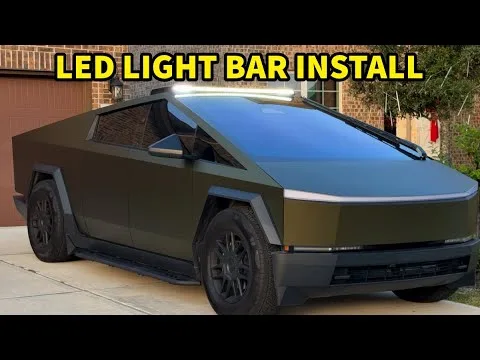
Light bars are legal if mounted correctly and used properly. The biggest issues come from height, placement, and brightness.
Nebraska’s Official Lighting Laws for Auxiliary and Off-Road Lights
Nebraska’s vehicle lighting rules are spelled out in Revised Statute § 60-6,215. This statute covers everything from headlights to auxiliary lighting, including off-road light bars. The law is clear: any additional lighting must not impair other drivers’ vision or violate federal standards.
Auxiliary lights must be white or amber when facing forward. Red lights are only permitted on the rear of a vehicle, and blue is strictly for emergency vehicles. The state also adopts Federal Motor Vehicle Safety Standard (FMVSS) No. 108, which sets the baseline for all vehicle lighting.
Here’s what the law explicitly addresses:
- Color restrictions: No red or blue forward-facing lights.
- Flash patterns: No flashing or oscillating lights unless you’re an emergency vehicle.
- Mounting height: Typically capped at 54 inches for passenger vehicles.
- Visibility: Lights must not blind or distract other drivers.
What Makes a Light Bar Street-Legal in Nebraska?
A street-legal light bar in Nebraska must meet DOT or SAE standards. This means it’s been tested and certified for road use, not just off-road performance. Look for a DOT or SAE mark on the product or packaging.
Manufacturer specs confirm that compliant light bars usually have:
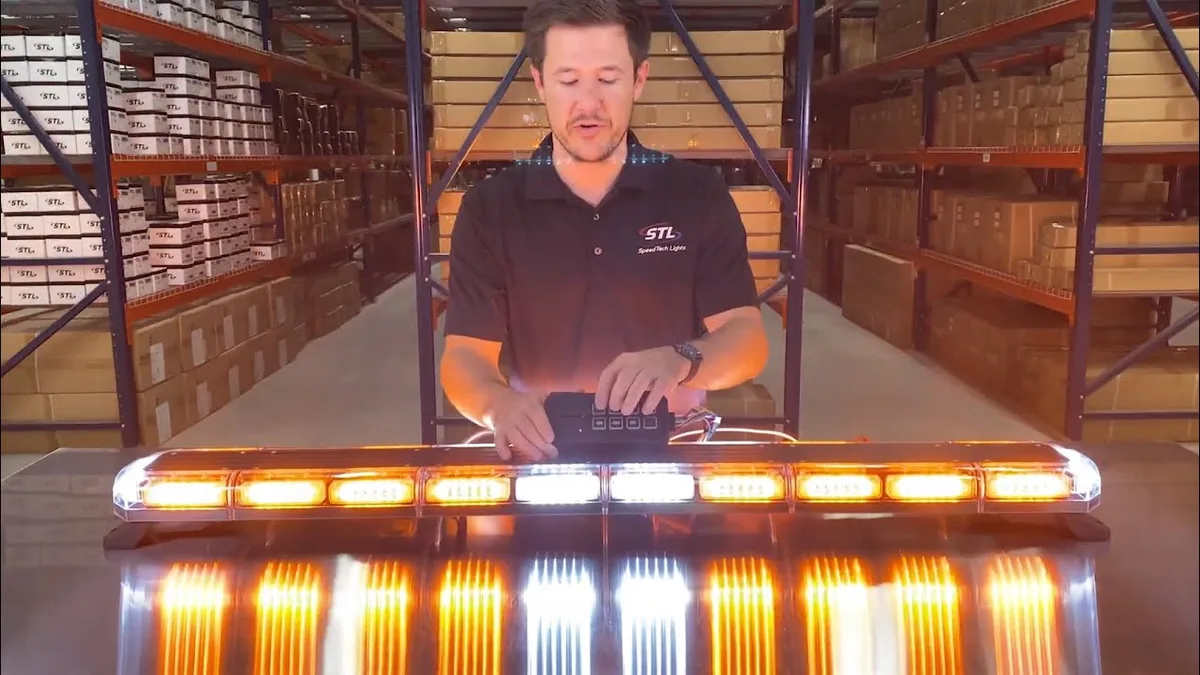
- White or amber light output (no red, blue, or other colors).
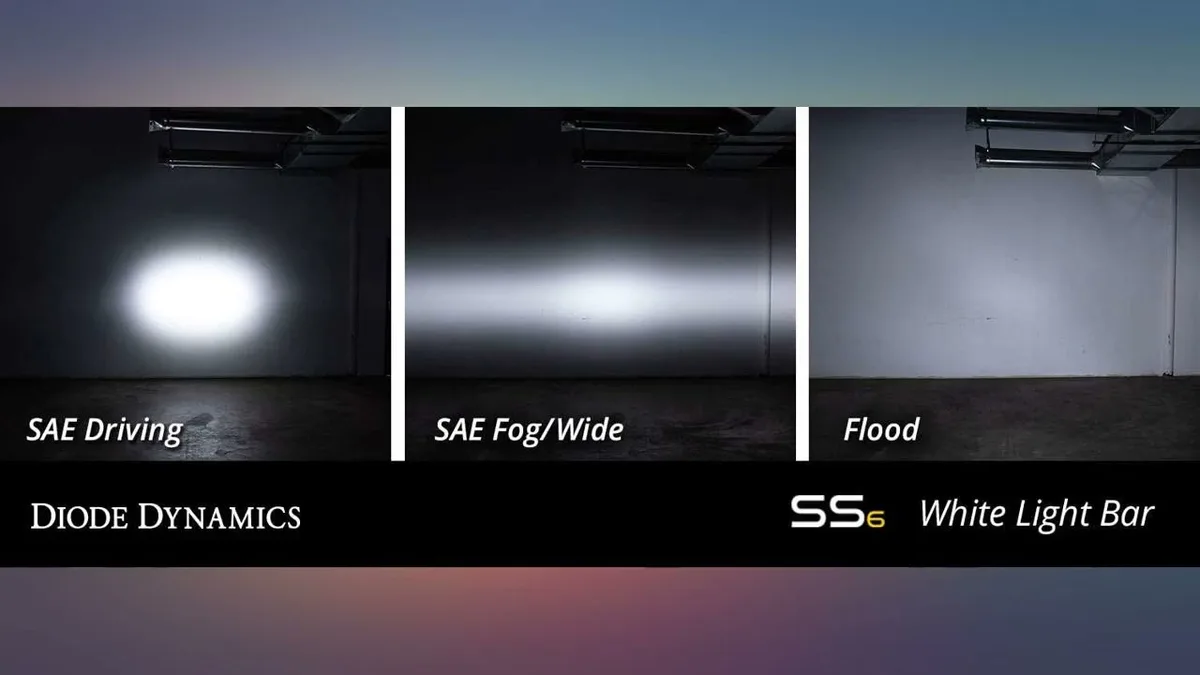
- A focused beam pattern that doesn’t scatter light excessively.
- Proper shielding to prevent glare for oncoming traffic.
Non-compliant light bars often lack these certifications. Even if a light bar is bright and well-built, it’s not highway-legal in Nebraska without the right approvals.
Height, Placement, and Mounting Rules You Can’t Ignore
Nebraska’s height restrictions are straightforward: auxiliary lights, including light bars, must not be mounted higher than 54 inches from the ground for most passenger vehicles. This rule helps prevent blinding drivers in taller vehicles or at intersections.
Placement matters just as much as height. Light bars should be mounted:
- On the front of the vehicle (roof, bumper, or grille).
- Centered and symmetrical to avoid uneven light distribution.
- Not wider than the vehicle’s body to prevent protruding into adjacent lanes.
If you’re driving a truck or SUV, the 54-inch rule still applies unless you’re operating under specific exemptions.
Light Color and Beam Restrictions (White, Amber, Red, Blue)
Nebraska’s color rules for auxiliary lighting are non-negotiable. Forward-facing lights must be white or amber. Red and blue are reserved for emergency vehicles only, and using them improperly can lead to serious fines.
Beam patterns also play a role in legality:
- Flood beams provide wide, short-range illumination and are generally acceptable if aimed correctly.
- Spot beams offer long-range focus but must not be used in a way that blinds other drivers.
- Combo beams mix both patterns but still need to comply with color and brightness rules.
Amber lights are often used for fog or off-road driving, but they must still meet DOT/SAE standards. Red lights are only legal on the rear of a vehicle. Blue lights are strictly prohibited for non-emergency use.
When You Must Cover or Turn Off Your Light Bar
Nebraska doesn’t require light bar covers, but there are situations where turning them off is necessary. If your light bar is mounted above the 54-inch height limit, you must cover it when driving on public roads. Same goes for non-compliant units.
Highway driving is different from off-road use. On highways, your primary lights, headlights, high beams, should do the work. Auxiliary lights are meant for low-visibility conditions like night driving on unlit trails, not for illuminating the highway in front of oncoming traffic.
Common Mistakes That Get Nebraska Drivers Ticketed
Most Nebraska tickets related to auxiliary lighting come down to a few preventable errors.
- Mounting light bars too high: Anything over 54 inches on a passenger vehicle is an automatic violation.
- Using red or blue lights: These colors are reserved for emergency vehicles.
- Leaving lights on while driving: Even DOT-compliant lights can’t be left on if they blind other drivers.
- Improper aiming: Lights pointed too high or too wide can blind oncoming traffic.
Other common mistakes include skipping the wiring harness and wiring directly to the battery, which can cause electrical issues or blow fuses.
How to Check If Your Light Bar Complies Before Hitting the Road
You can verify your light bar’s compliance in just a few steps:
- Check the labeling: Look for DOT, SAE, or FMVSS No. 108 certification marks.
- Measure the height: Use a tape measure from the ground to the top of the light bar. It should be under 54 inches.
- Inspect the color: Forward-facing lights must be white or amber.
- Test the beam: Aim the lights at a wall and make sure the beam is focused downward, not upward.
If your light bar passes all four checks, it’s likely compliant with Nebraska law.
Wiring and Installation: Doing It Right (and Legally)
Proper wiring is just as important as proper mounting. A poorly wired light bar can cause electrical issues, blow fuses, or even start a fire.
Here’s what you need to get it right:
- Use a relay harness: Never wire a light bar directly to a switch.
- Install a fuse: Place a fuse within 18 inches of the battery to protect against short circuits.
- Ground properly: Connect the ground wire to bare metal, not painted surfaces.
- Secure all wiring: Use zip ties or loom to keep wires away from moving parts and heat sources.
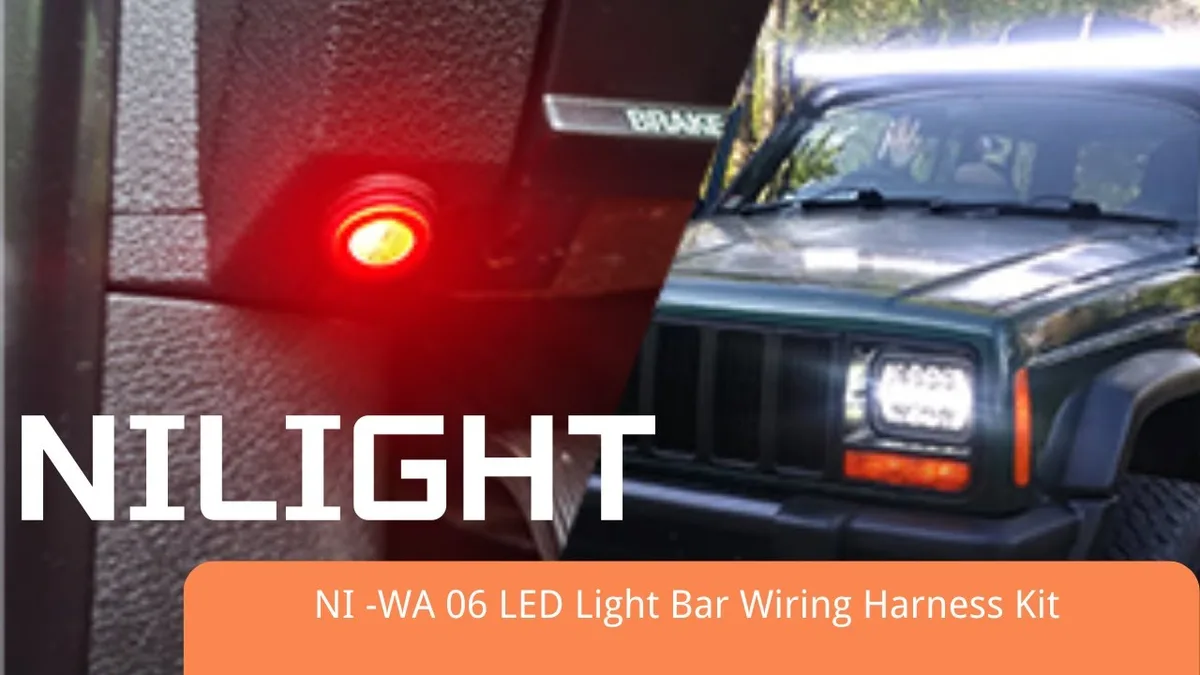
If you’re not comfortable doing this yourself, a professional auto electrician can get it done safely and correctly.
Nebraska vs. Neighboring States: What Changes If You Cross Borders?
Nebraska’s lighting laws are fairly standard, but neighboring states have some differences.
| State | Max Height | Forward Light Color | Special Notes |
|---|---|---|---|
| Nebraska | 54 inches | White, Amber | No red/blue forward lights |
| Iowa | 54 inches | White, Amber | Same as Nebraska |
| Missouri | 54 inches | White, Amber | Requires headlights at night |
| South Dakota | 54 inches | White, Amber | Farm vehicles may have exemptions |
| Wyoming | 54 inches | White, Amber | No additional restrictions |
| Colorado | 54 inches | White, Amber | Off-road lights must be covered on highways |
| Kansas | 54 inches | White, Amber | Follows federal standards |
The good news is that if your light bar is compliant in Nebraska, it’s likely compliant in all these states. But always double-check if you’re crossing state lines.
Real-World Scenarios: Hunting, Overlanding, and Daily Driving
Nebraska’s lighting laws apply to everyone, whether you’re a weekend warrior or a daily driver.
Hunting season: You’re driving through rural Nebraska to a hunting blind. Your lights are white or amber, mounted under 54 inches, and turned off when approaching other vehicles. That’s legal.
Overlanding: You’re heading to the Nebraska Sandhills for a weekend trip. Your light bar is DOT-compliant and properly mounted. You use it only on unmarked trails, not on public highways.
That’s legal and safe.
Daily driving: You’re commuting on Interstate 80. You keep your light bar covered or turned off. You only use your headlights.
That’s the right approach.
Final Verdict: Can You Run a Light Bar in Nebraska Without Trouble?
Yes, but only if you follow the rules to the letter. A DOT or SAE compliant light bar in white or amber, mounted under 54 inches, and used responsibly is legal on Nebraska highways. The moment you exceed height limits, use the wrong colors, or blind other drivers, you’re breaking the law.
The safest approach is to treat your light bar as an off-road tool. Use it on trails, in rural areas, or for work purposes where extra illumination is needed.
Expert Tips
If you’re serious about auxiliary lighting, a few pro tips can save you headaches. First, always buy from reputable brands that clearly label their products as DOT or SAE compliant.
Second, aim your lights properly. A poorly aimed light bar can blind oncoming traffic even if it’s technically legal.
Finally, keep your wiring clean and secure. Loose wires can cause shorts, and poorly grounded connections can damage your vehicle’s electrical system.
Safety and Legal Warnings
Nebraska takes lighting violations seriously. If you’re pulled over for an illegal light bar, you’ll likely face a fine. Repeat offenses can lead to higher penalties or even points on your license.
Beyond the legal risks, there are safety concerns. Bright, improperly aimed lights can temporarily blind other drivers, increasing the risk of accidents.
Maintenance and Long-Term Optimization
Keeping your light bar in top shape ensures it stays legal and effective. Regularly check the mounting hardware for loosening, especially after off-road use.
Clean the lens periodically. Dirt and grime can reduce light output and make your beam pattern uneven.
Inspect the wiring harness for wear or damage. Replace any frayed or cracked wires immediately.
Frequently Asked Questions
Can I run a light bar on Nebraska highways?
Yes, if your light bar is DOT or SAE compliant, mounted under 54 inches, and not causing glare to other drivers. Turn it off when approaching oncoming traffic.
Are amber light bars legal in Nebraska?
Yes. Amber forward-facing lights are legal in Nebraska as long as they meet DOT/SAE standards and are mounted correctly.
Can I use red lights on my truck in Nebraska?
No. Red lights are only allowed on the rear of a vehicle. Forward-facing red lights are illegal unless you’re an authorized emergency vehicle.
What happens if I get ticketed for an illegal light bar in Nebraska?
You’ll likely face a fine, and your vehicle may fail inspection. Repeat offenses can lead to higher penalties. Fix the violation and reinspect if required.
Do I need to cover my light bar on highways?
Not unless it’s non-compliant or mounted above 54 inches. If your light bar meets state and federal standards, you can use it on highways as long as you don’t blind other drivers.