ByMax Lee
New Mexico Farm Equipment Road Safety Rules
New Mexico implements of husbandry road safety regulations can be confusing when you just need to move equipment between fields. The rules change based on size, road type, and time of day, and missing one detail can mean fines or equipment impoundment.
As of 2026, the New Mexico Department of Transportation requires all slow-moving farm equipment to display a certified SMV emblem and proper lighting. Here’s how to know which rules apply to your setup.
YouTube / Iron Solutions (YouTube thumbnail (fair-use with source credit))
Quick Answer
New Mexico implements of husbandry road safety regulations allow farm equipment on public roads with proper markings. Equipment under 8 ft wide needs an SMV emblem and basic lighting. Wider loads may require permits and escorts.
Always check road classifications before travel.
What Counts as an "Implement of Husbandry" in New Mexico?
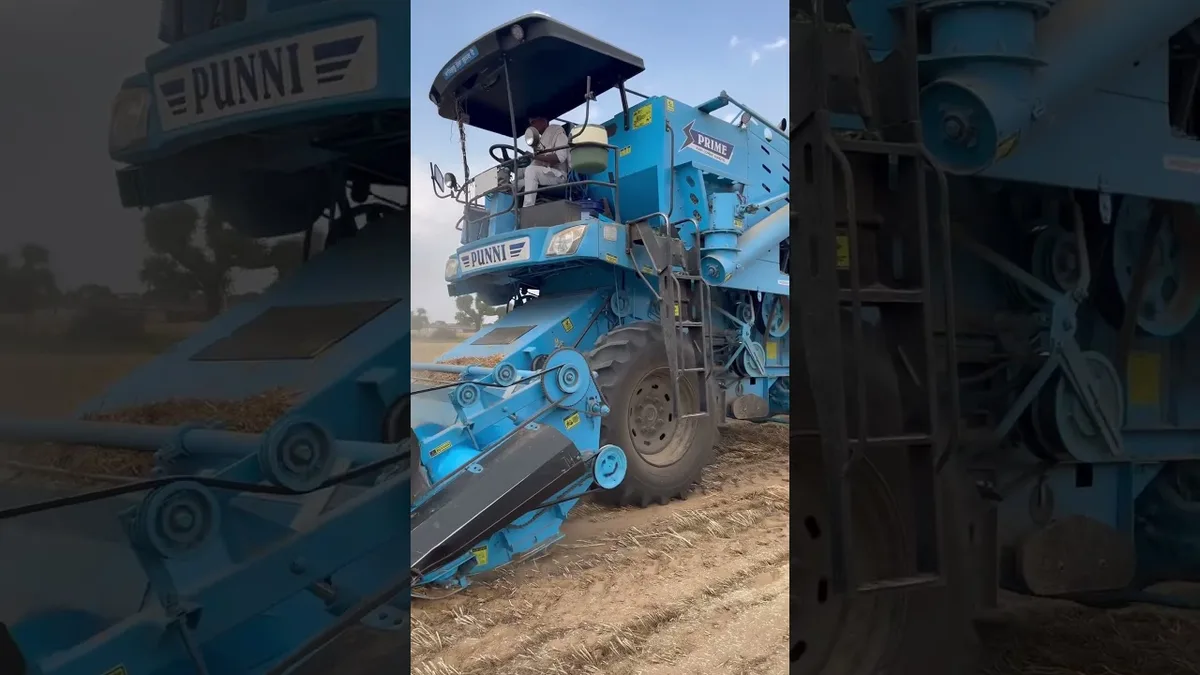
An implement of husbandry (IOH) is any vehicle or equipment designed for agricultural use. This includes tractors, combines, balers, and other machinery used in farming operations.
Common examples are harvesters, planters, and irrigation equipment. The New Mexico Vehicle Regulation Division classifies these separately from standard vehicles.
YouTube / Punni Tohana (YouTube thumbnail (fair-use with source credit))
When Can You Legally Drive Farm Equipment on New Mexico Roads?
You can legally drive farm equipment on New Mexico roads if it meets size and safety requirements. Equipment must display an SMV emblem and have working lights.
Daytime travel is generally permitted without additional restrictions for standard-width equipment. Night travel requires full lighting systems, including headlights, taillights, and reflectors.
The Decision Tree: Which Rules Apply to Your Equipment?
Standard-Width Equipment (≤8 ft)
If your equipment is 8 ft wide or less, you need an SMV emblem and basic lighting. No permit is required for standard-width equipment on most roads.
You must still follow all traffic laws and yield to faster-moving vehicles. This category covers most tractors and smaller implements.
Wide Equipment (8–12 ft)
Equipment between 8 and 12 ft wide requires additional markings. You’ll need amber lights and reflective tape on all sides.
Some county roads may restrict wide equipment during peak traffic hours. Always check local ordinances before traveling.
Oversize Equipment (>12 ft)
Anything over 12 ft wide is considered oversize and requires a permit. You’ll also need escort vehicles for safety.
Permits are issued by the New Mexico Department of Transportation and may have time-of-day restrictions. Plan your route carefully to avoid low-clearance bridges or narrow roads.
Required Safety Gear: Lights, Reflectors, and SMV Emblems
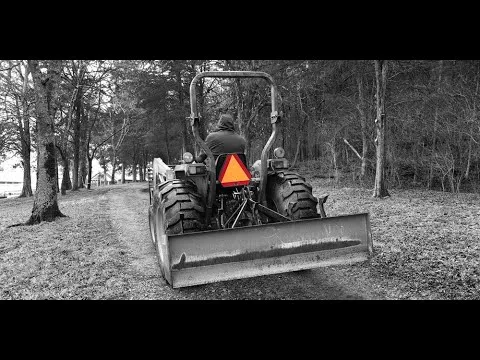
Every piece of farm equipment on public roads must display a Slow-Moving Vehicle (SMV) emblem. This is a reflective orange triangle that meets SAE J595 standards.
You’ll also need working taillights, brake lights, and turn signals. For equipment wider than 8 ft, amber flashing lights are required on both sides.
YouTube / Hardline Products® (YouTube thumbnail (fair-use with source credit))
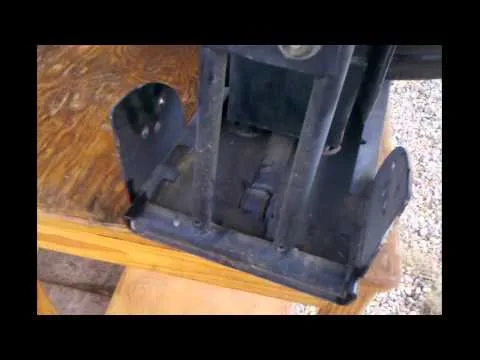
The SMV emblem must be mounted at least 3 ft above the road surface. It should be visible from the rear and clean of dirt or obstructions. Reflective tape should cover the edges of wide loads to improve visibility at night.
Road Type Matters: Where You Can (and Can’t) Travel
New Mexico classifies roads differently, and not all allow farm equipment. Interstate highways generally prohibit IOH travel except for crossing.
State and county roads are more permissive but may have width or time restrictions. Always check for posted signs before entering a roadway.
YouTube / JD MachineFinder (YouTube thumbnail (fair-use with source credit))
Dirt and farm roads usually have no restrictions, but watch for low-hanging branches or soft shoulders. If you’re unsure about a route, contact the local county engineer’s office for guidance.
Speed, Time of Day, and Escort Rules
Most farm equipment travels under 25 mph, which triggers slow-moving vehicle rules. You must stay in the right lane where possible and pull over to let traffic pass.
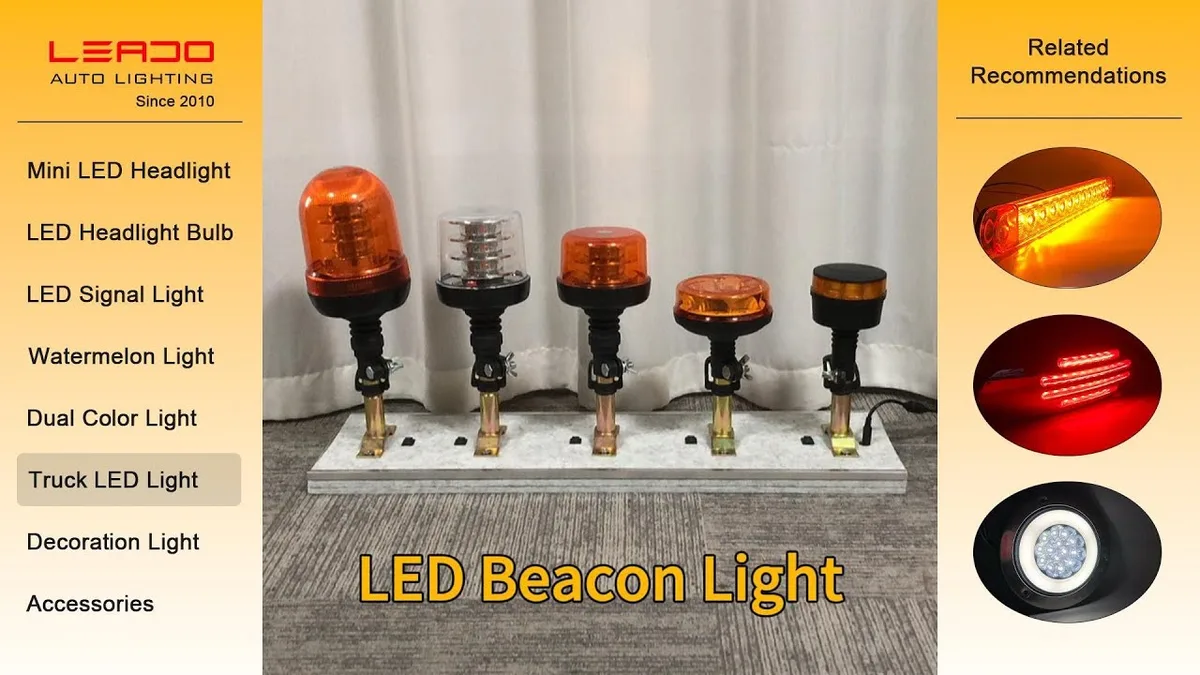
Night travel is allowed but requires full lighting systems. If your equipment lacks built-in lights, temporary LED bars are a common solution.
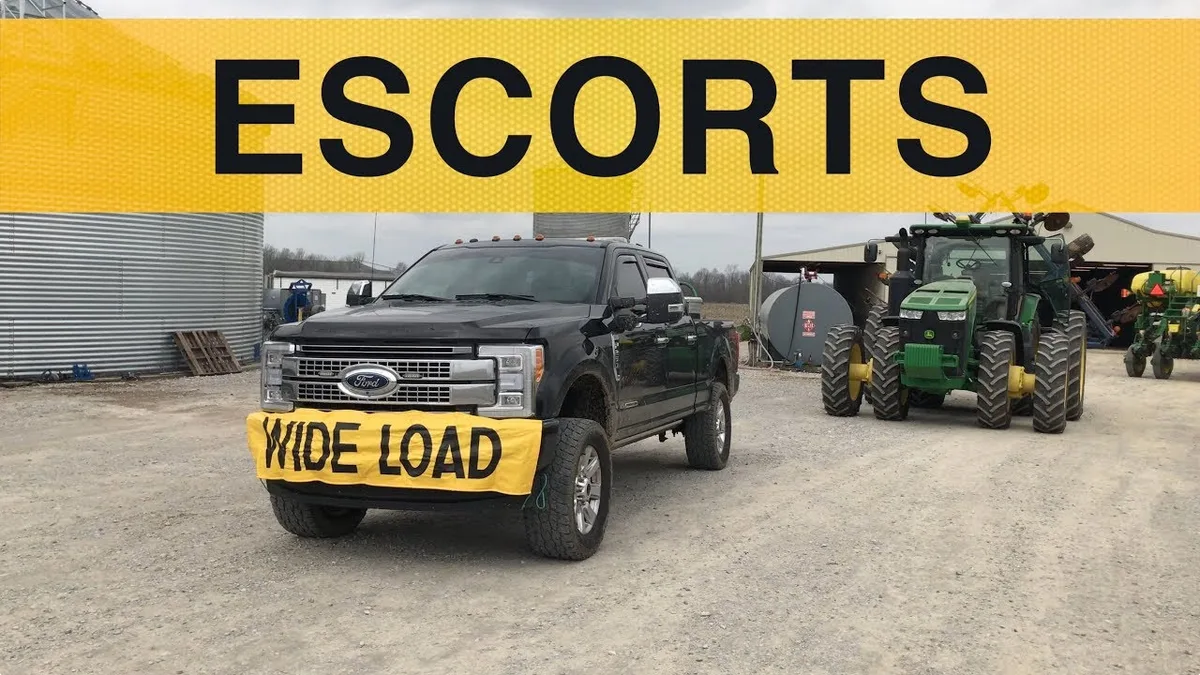
Oversize loads over 12 ft wide need at least one escort vehicle. The escort must display signs and maintain communication with the operator.
YouTube / UK Martin-Gatton CAFE (YouTube thumbnail (fair-use with source credit))
Some counties restrict wide equipment during morning and evening rush hours. Check with local authorities for specific time windows.
Step-by-Step: How to Prepare Your Equipment for Road Travel
Start with a full inspection of lights, reflectors, and the SMV emblem. Replace any burned-out bulbs or faded reflective tape.
Measure your equipment’s width and height. Anything over 8 ft wide needs additional markings, and over 12 ft requires a permit.
Secure all loose parts and check tire pressure. Low tires can make equipment unstable on uneven roads.
YouTube / LEADO Lighting (YouTube thumbnail (fair-use with source credit))
Plan your route to avoid low bridges or weight-restricted roads. Use a GPS designed for oversize loads if available.
Common Mistakes That Get Farmers Pulled Over
The most common issue is missing or improperly mounted SMV emblems. The triangle must be upright and fully visible from the rear.
Many farmers forget to activate flashing amber lights during daylight hours. These are required for equipment wider than 8 ft.
Another frequent problem is traveling on prohibited roads. Interstate highways generally ban IOH travel except for crossing.
Crossing State Lines? How NM Rules Compare to Neighbors
New Mexico’s rules are similar to Arizona and Colorado for standard-width equipment. All three states require SMV emblems and basic lighting.
Texas has stricter width limits on some roads. You may need additional permits when crossing into Texas with wide loads.
Colorado requires escort vehicles for loads over 14 ft wide. New Mexico’s threshold is lower at 12 ft.
What Happens If You’re Not Compliant?
Fines for missing SMV emblems or lighting start around $50. These can increase for repeat offenses.
Equipment without proper permits may be impounded. You’ll also be liable for any accidents caused by non-compliance.
Law enforcement can stop you for safety inspections. Having your paperwork and equipment in order speeds up these checks.
Quick Reference: NM’s Key IOH Road Safety Rules
Width Limits
- ≤8 ft: SMV emblem + basic lighting
- 8, 12 ft: SMV emblem + amber lights + reflective tape
12 ft: Permit + escort required
Lighting Requirements
- Taillights, brake lights, turn signals: Always required
- Amber flashing lights: Required for >8 ft width
- Headlights: Required for night travel
Road Restrictions
- Interstate: Crossing only, no travel
- State highways: Permitted with proper markings
- County roads: Check local ordinances
Where to Get Official Guidance and Permits
The New Mexico Department of Transportation handles oversize permits. Applications are available online or at local offices.
For equipment under 12 ft wide, no permit is needed but all safety markings must be in place. The NMDOT website has the latest forms and fee schedules.
Local county offices can clarify road-specific restrictions. They often have maps of approved routes for farm equipment.
Frequently Asked Questions
Do I need a driver’s license to operate farm equipment on roads?
Yes, you need a valid driver’s license to operate any implement of husbandry on public roads in New Mexico. The equipment must also meet all lighting and marking requirements.
Can I travel at night with farm equipment?
Yes, but you must have full lighting systems including headlights, taillights, and reflectors. Amber flashing lights are required for equipment wider than 8 ft.
What’s the fine for missing an SMV emblem?
The fine starts around $50 for a missing or improperly mounted SMV emblem. Repeat offenses can result in higher penalties.
Do I need a permit for a 10-foot-wide tractor?
No permit is needed for equipment under 12 ft wide, but you must have amber flashing lights and reflective tape. Always check local county rules for additional requirements.
How do I get an oversize load permit?
Apply through the New Mexico Department of Transportation. You’ll need equipment dimensions, route details, and proof of insurance. Permits typically take 1-3 business days to process.