ByMax Lee
New Mexico Helmet Law for Riders Under 18
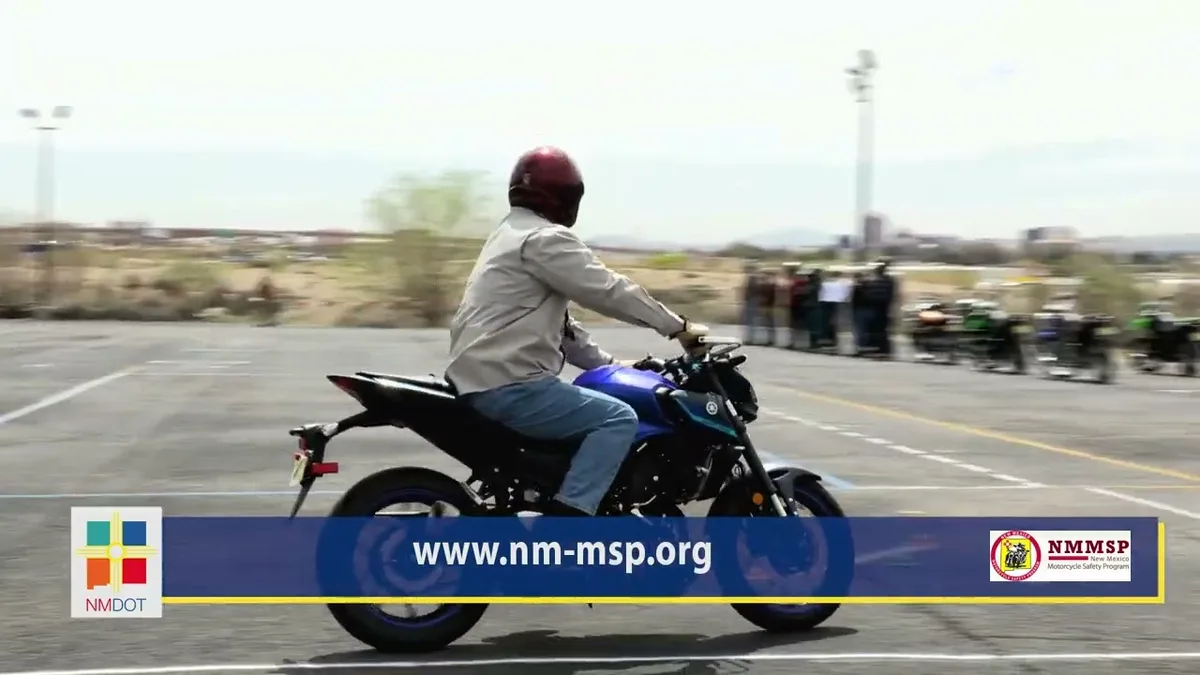
YouTube / New Mexico Department of Transportation (YouTube thumbnail (fair-use with source credit))
If you ride a motorcycle in New Mexico and you are under 18, you need a helmet. The state makes this non-negotiable, and the rule applies to every minor on two wheels. Skipping it is not just a risk to your safety.
It is also a traffic offense.
Per New Mexico Statutes Annotated §66-7-356, any rider or passenger below age 18 must wear a helmet that meets federal safety standards. The law has no loopholes for training grounds or weekend rides. Our research into state traffic codes and injury data confirms this is one of the stricter motorcycle regulations in the Southwest.
Here is what you need to know.
Quick Answer
New Mexico motorcycle helmet law for riders under 18 requires a DOT-approved helmet. The rule covers both operators and passengers. Violations carry fines and possible court costs.
Helmets must meet FMVSS 218 standards. This applies to all public roads and highways in the state.
What New Mexico's Motorcycle Helmet Law Says for Riders Under 18
New Mexico stands out among western states for its universal age-based helmet mandate. The law does not leave helmet choice to parents or local discretion. It is a blanket requirement for everyone under 18.
The statute reads plainly. Any person under 18 who operates or rides as a passenger on a motorcycle, motorbike, or ATV must wear a protective helmet. This covers city streets, rural highways, and everything in between.
It also applies to mopeds and motor-assisted bikes that fall under motorcycle classification. The key factor is age, not experience level or riding speed. A 17-year-old with a full motorcycle license still needs a helmet.
A 16-year-old taking a rider course absolutely needs one too.
The law treats all minors the same regardless of whether the vehicle is street-legal or off-road capable. As long as you are operating it on public land, the helmet rule kicks in. This is stricter than states that only require helmets for riders under 16 or those with learner's permits.
Why This Law Exists and Who It Protects
Head injuries remain one of the leading causes of death and disability for young motorcycle riders. The data does not lie. Teens are particularly vulnerable because their skulls and necks are still developing.
Impact forces that an adult might shrug off can be far more damaging to a developing body.
The Centers for Disease Control and Prevention reports that motorcycle riders aged 15 to 29 face disproportionately high rates of traumatic brain injury. Helmets reduce the risk of head injury by roughly 67 percent and the risk of death by about 37 percent. These numbers come from decades of traffic safety research across all age groups.
New Mexico's lawmakers looked at those statistics and decided that age 18 is the cutoff. The logic is straightforward. Minors are less likely to consistently choose proper gear on their own.
They are also more susceptible to peer pressure to skip safety equipment. A clear legal requirement removes the ambiguity.
The law protects minors first, but it also protects everyone else on the road. A helmeted rider is less likely to suffer catastrophic brain trauma. That means fewer emergency responses, less strain on trauma centers, and lower costs for families and the state.
Some riders complain that the rule limits personal freedom. But freedom without safety is a dangerous equation. New Mexico chose to put protection ahead of convenience for its youngest riders.
The Exact Rule: Helmets Are Mandatory for Minors
The statute covers three clear conditions. First, you must be under 18 years old. Second, you must be operating or riding on a motorcycle or similar vehicle.
Third, you must be on public property. Hit all three and the helmet requirement applies.
Here is the breakdown in plain terms:
- Riders under 18 must wear a helmet at all times while operating a motorcycle
- Passengers under 18 must also wear a compliant helmet
- The rule applies to motorcycles, motorbikes, mopeds, and ATVs used on public roads
- No exceptions for licensed riders, trained riders, or short trips
- Private property rides are generally not covered, but public road access changes that
Age is determined by your date of birth. There is no grace period. The day before your 18th birthday, you still need a helmet.
The day after, the state requirement drops, though many riders choose to keep wearing one anyway.
Some riders ask whether the law covers sidecar passengers or those on the back of a dirt bike. The answer is yes. Any minor riding as a passenger on a motorcycle or ATV falls under the same helmet mandate.
What Counts as a Legal Helmet in New Mexico
Not every helmet you see at a gas station or online store meets New Mexico's legal standard. The state requires compliance with a specific federal motor vehicle safety standard. That standard is FMVSS 218, set by the National Highway Traffic Safety Administration.
YouTube / Bahar Vlogs (YouTube thumbnail (fair-use with source credit))
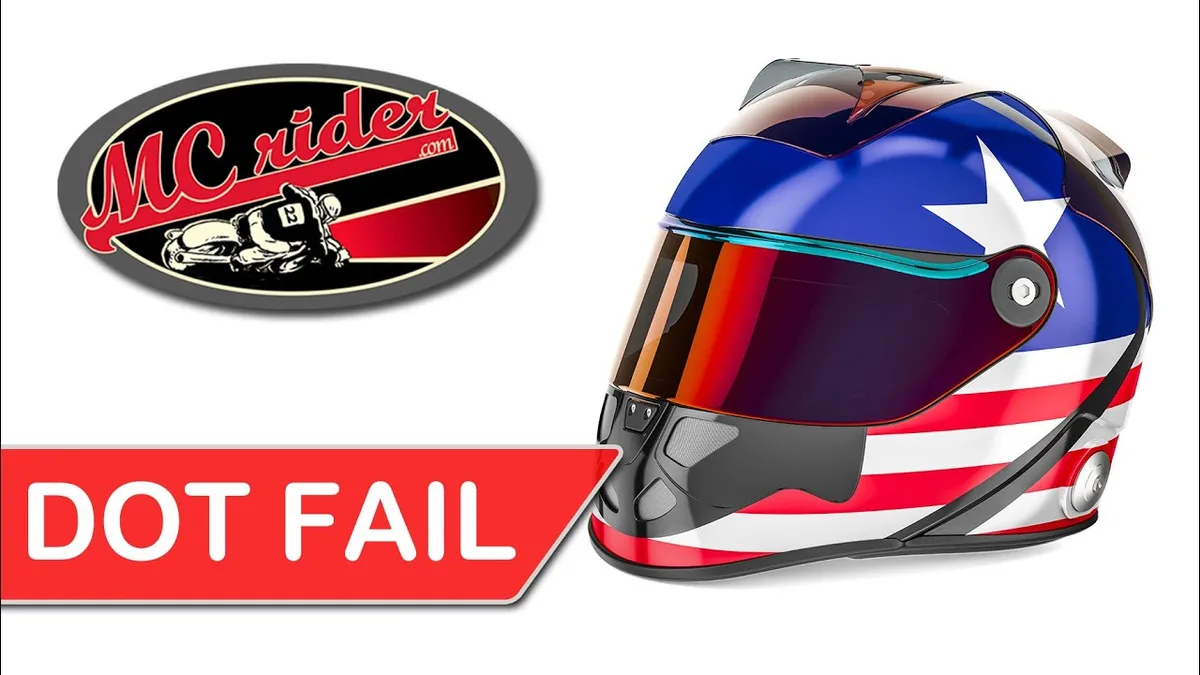
A legal helmet in New Mexico must carry a DOT certification label. This label is usually a small sticker on the back or inside of the helmet. It confirms the helmet passed impact tests, retention system tests, and penetrations tests defined in the federal standard.
The DOT label is the minimum requirement. Some helmets exceed it with additional certifications from Snell or ECE. Those extra ratings are welcome.
They do not change the legal baseline. A DOT-labeled helmet alone satisfies New Mexico law.
Here is what to look for when shopping for a compliant helmet:
- A permanent DOT certification label on the rear or interior
- A compliance statement from the manufacturer referencing FMVSS 218
- A five-point chin strap that secures properly
- A firm, impact-absorbing liner made of expanded polystyrene foam
- A hard outer shell made of polycarbonate, fiberglass, or composite materials
Avoid novelty helmets, half-shell designs without chin bars, and any helmet without a visible certification label. Law enforcement officers are trained to spot non-compliant gear during traffic stops.
Helmet fit matters just as much as certification. A loose helmet can come off in a crash. A tight helmet causes headaches and distraction.
Measure the rider's head circumference and match it to the manufacturer's size chart. The helmet should sit level on the head and not shift more than an inch in any direction when pushed.
How the Law Is Enforced (and What Happens If You Break It)
New Mexico treats helmet violations as a traffic infraction. That means a law enforcement officer can issue a citation during a routine stop. The same applies if you are pulled over for another violation.
The helmet issue becomes a secondary charge.
YouTube / LiveAlertTV (YouTube thumbnail (fair-use with source credit))
Penalties for a first-time helmet violation typically involve a fine. The exact amount varies by county and court jurisdiction. In most New Mexico courts, expect a fine in the range of $50 to $200 for a first offense.
Repeat violations can carry higher fines and potentially additional court costs.
A traffic citation for a helmet violation does not add points to your driving record in New Mexico. That is different from moving violations like speeding or running a red light. However, the fine itself is a financial hit, and ignoring a citation can escalate the problem quickly.
Failure to appear in court for a helmet citation can result in a default judgment. That triggers additional penalties, including possible license suspension and warrants in extreme cases. It is always better to address a ticket promptly than to let it sit.
Parents or guardians of a minor rider can also be held responsible in some situations. If a parent allows an under-18 rider to operate a motorcycle without a compliant helmet, they could face charges under child endangerment statutes. This is rare but legally possible.
Insurance companies may also factor violations into their records. A traffic citation can lead to higher premiums, even if it is not a moving violation. The long-term cost of skipping a helmet can extend well beyond the initial fine.
Common Misunderstandings About the Age Rule
Some riders assume the helmet law only applies to beginners or those with learner's permits. That is not true. The rule is strictly age-based, not experience-based.
Another myth is that the law only covers highways. It applies to all public roads, including neighborhood streets and rural byways. If you are on a public roadway, the helmet requirement stands.
A few parents believe that signing a waiver or permission slip exempts their child. New Mexico does not recognize such waivers for helmet use. The law is absolute for minors.
Some teens think a bicycle helmet meets the standard. It does not. Bicycle helmets are designed for different impact forces and do not carry DOT FMVSS 218 certification.
Only a motorcycle-specific helmet satisfies the legal requirement.
Does the Law Apply to Passengers Under 18?
Yes. The statute explicitly includes passengers. If you are under 18 and riding on the back of a motorcycle, you must wear a compliant helmet.
YouTube / Viral Press (YouTube thumbnail (fair-use with source credit))
This applies whether the operator is an adult or another minor. The passenger's age is what matters. A 17-year-old riding with a 25-year-old driver still needs a helmet.
The same DOT certification rules apply to passenger helmets. A novelty or non-certified helmet is not acceptable, even for a short ride.
Parents sometimes overlook this when letting their child ride with a friend. The responsibility falls on both the rider and the parent to ensure compliance.
What Parents and Teen Riders Need to Do
Parents should verify their teen's helmet meets DOT standards before every ride. A quick check of the certification label takes seconds and prevents legal trouble.
Teen riders should treat helmet use as non-negotiable. Peer pressure to ride without one is common, but the legal and safety risks are real.
YouTube / The Badgers (YouTube thumbnail (fair-use with source credit))
Enrolling in a certified motorcycle safety course is a smart move. These courses often provide or rent compliant helmets for training. They also reinforce the habit of proper gear use.
Parents can model safe behavior by wearing helmets themselves. Teens are more likely to follow the rules when they see adults doing the same.
How to Pick a Compliant Helmet for a Young Rider
Start with the DOT label. Without it, the helmet is not legal in New Mexico. Look for the sticker on the back or inside the shell.
YouTube / Joe Goe Motorcycle Adventures (YouTube thumbnail (fair-use with source credit))
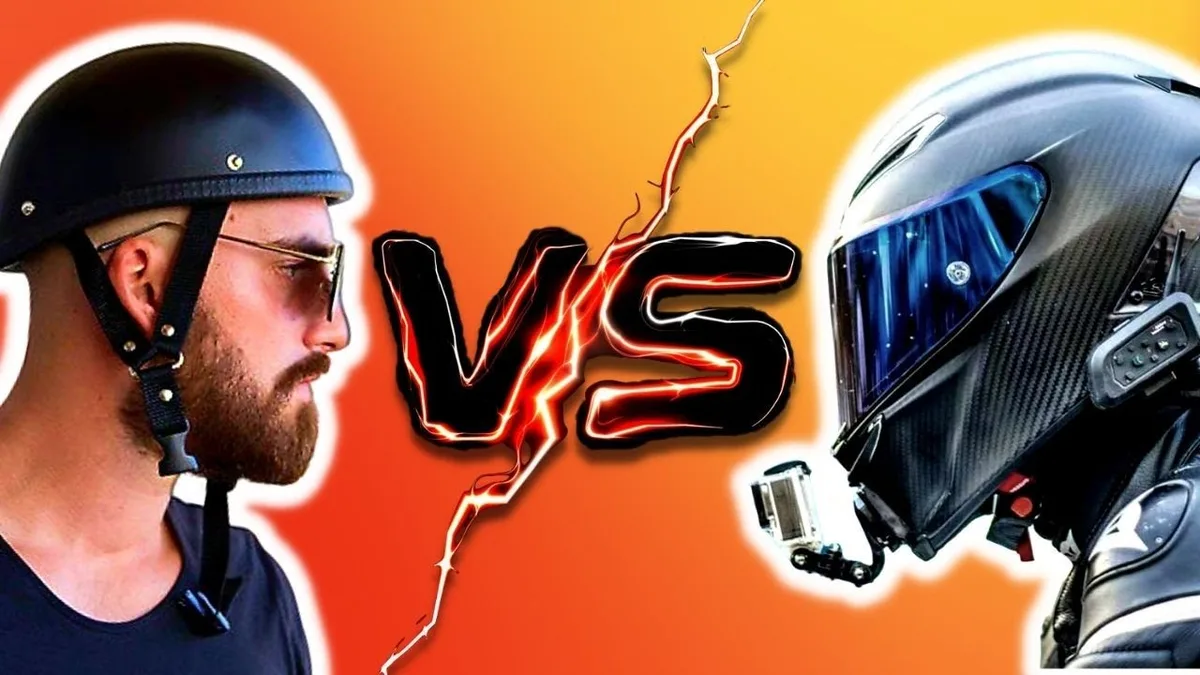
Full-face helmets offer the most protection. They cover the chin and face, reducing the risk of facial injuries. Half-helmets are legal but provide less coverage.
Fit is critical. Measure the rider's head circumference and match it to the manufacturer's sizing chart. A helmet should sit snugly without being too tight.
Ventilation matters for comfort, especially in New Mexico's heat. Look for helmets with adjustable vents to keep the rider cool without sacrificing safety.
Other New Mexico Motorcycle Laws That Affect Minors
New Mexico requires a motorcycle endorsement on a driver's license to operate a bike legally. Minors must follow the same licensing process as adults.
The state also has strict rules about passenger seating. Motorcycles must have a designated passenger seat and footrests for a second rider. No exceptions for age.
Lane splitting is illegal in New Mexico. Minors and adults alike must stay within a single lane and avoid weaving between traffic.
Night riding has additional risks. New Mexico does not have a specific curfew for minor riders, but visibility and fatigue are real concerns. Reflective gear and proper lighting are strongly recommended.
Frequently Asked Questions
Does New Mexico require helmets for all motorcycle riders?
No. The law only mandates helmets for riders and passengers under 18. Adults 18 and older are not required to wear one.
Can a 17-year-old with a full motorcycle license skip the helmet?
No. Age is the only factor. Even with a full license, anyone under 18 must wear a DOT-approved helmet.
What happens if a minor is caught riding without a helmet?
The minor will receive a traffic citation with a fine. The exact amount varies by jurisdiction but typically ranges from $50 to $200.
Are there any medical or religious exemptions to the helmet law?
No. New Mexico does not provide exemptions for medical, religious, or any other reasons for minors.
Does the helmet law apply to ATVs and dirt bikes on public roads?
Yes. If the vehicle is operated on public roads, the same helmet requirement applies to riders under 18.