ByMax Lee
New Mexico: No Mandatory Statewide Emissions Testing
New Mexico doesn’t have a mandatory statewide emissions inspection program, but that doesn’t mean you’re off the hook. The rule changes depending on where you live and what you drive, with only two counties enforcing their own testing requirements. As of 2026, Bernalillo and Rio Arriba counties still require emissions checks for certain vehicles, while the rest of the state doesn’t.
This can trip up drivers who assume "no statewide program" means no testing at all. The cutoff is usually based on your vehicle’s model year, with newer cars facing stricter rules. Here’s how to know if you’re affected.
Quick Answer
New Mexico has no mandatory statewide emissions inspection program. Bernalillo and Rio Arriba counties run their own programs. Testing applies to most gasoline vehicles from 1982 or newer.
Diesel and older models may be exempt. Check your county’s rules before registering.
The Quick Answer: No Statewide Program, But Two Counties Do
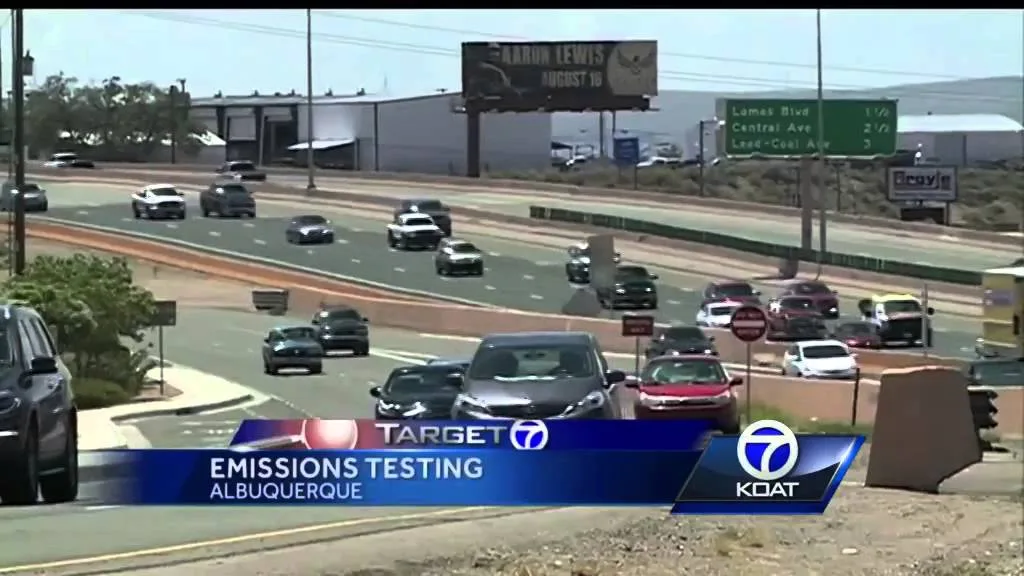
New Mexico’s Motor Vehicle Division doesn’t enforce emissions testing at the state level. Instead, Bernalillo County (which includes Albuquerque) and Rio Arriba County have their own programs.
For residents in these two counties, the requirement kicks in for most gasoline-powered vehicles from 1982 or newer. The test is typically an OBD-II scan for cars from 1996 onward, while older models may undergo a tailpipe test.
How New Mexico’s Emissions Rules Actually Work
New Mexico’s approach is county-based, not statewide. The MVD defers to local ordinances, which means the rules can vary even between neighboring areas.
Bernalillo and Rio Arriba counties adopted their own programs to meet federal air quality standards. The testing process usually involves an OBD-II scan for newer vehicles, which checks your car’s onboard diagnostics for emissions-related issues. Older vehicles might require a tailpipe test, where a probe measures the actual pollutants coming out of your exhaust.
Which Counties Require Testing (and Which Don’t)
Only two counties in New Mexico currently enforce emissions testing: Bernalillo and Rio Arriba. Every other county, including large ones like Santa Fe, San Juan, and Dona Ana, does not require emissions inspections for standard passenger vehicles.
| County | Emissions Testing Required? | Applies To |
|---|---|---|
| Bernalillo | Yes | Most gasoline vehicles 1982+ |
| Rio Arriba | Yes | Most gasoline vehicles 1982+ |
| All Others | No | None |
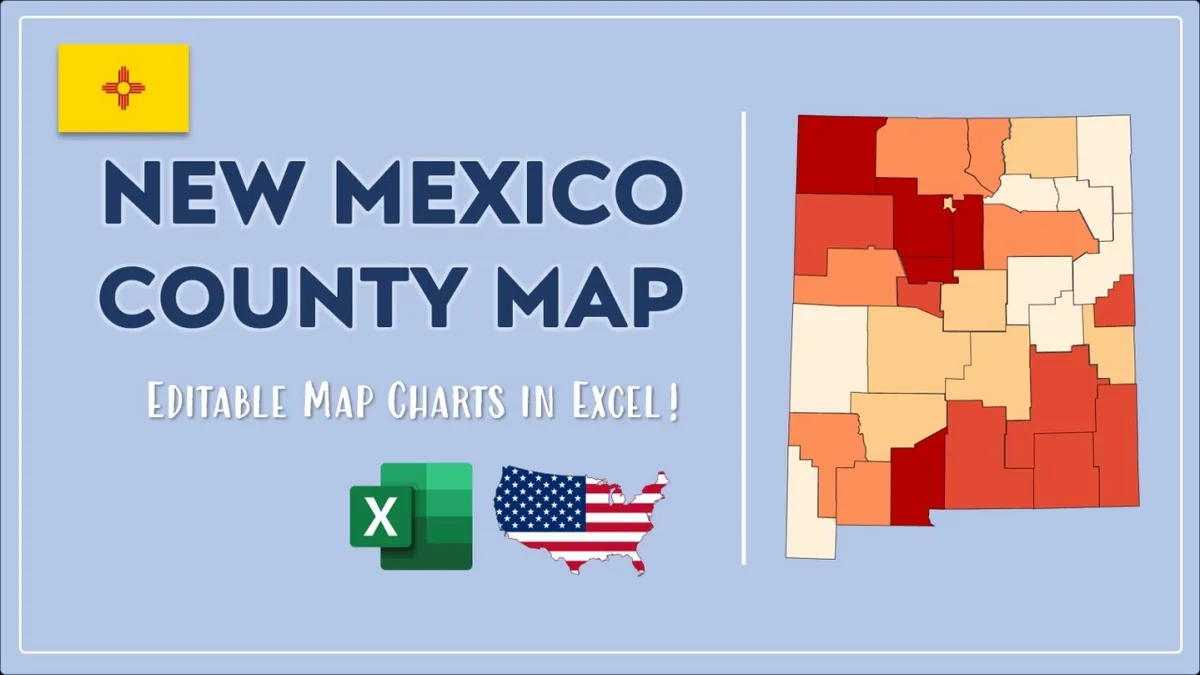
If you’re unsure which county you’re registered in, check your vehicle registration or the New Mexico MVD’s county map.
How to Check If Your Vehicle Needs a Test
Start with your county. If you’re not in Bernalillo or Rio Arriba, you’re done, no test required.
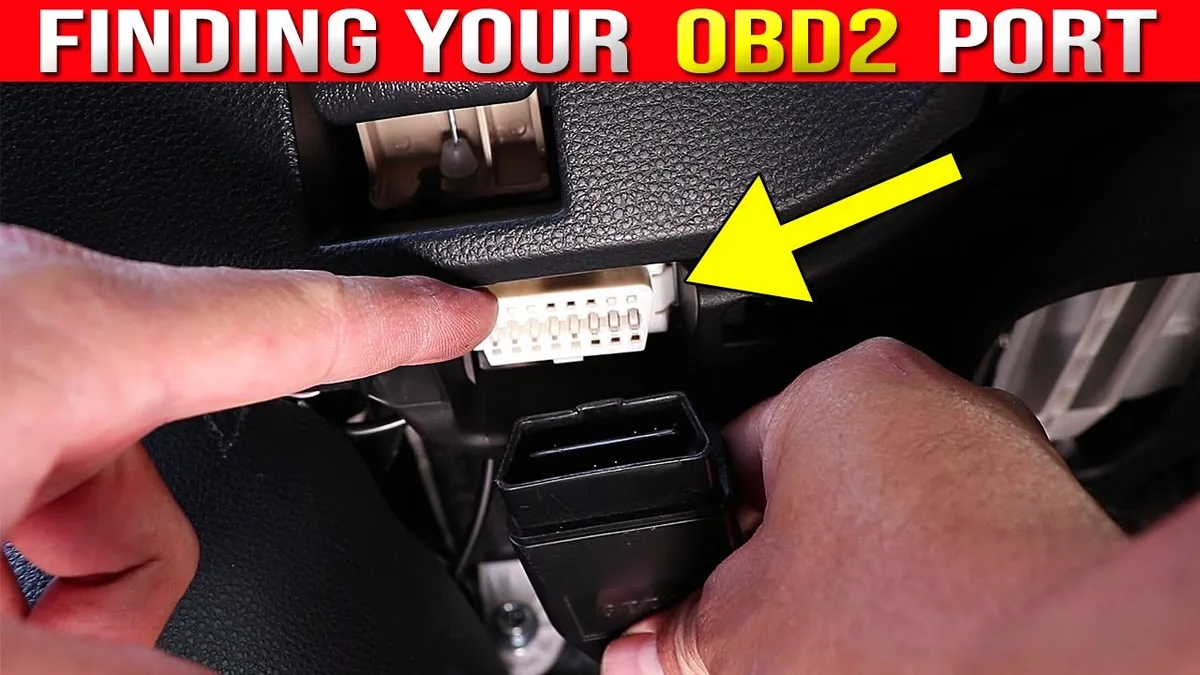
If you are, the next step is your vehicle’s model year. Most gasoline-powered cars, trucks, and SUVs from 1982 or newer need testing. For vehicles from 1996 and up, the test is an OBD-II scan, which plugs into a port under your dashboard.
For older vehicles (1982, 1995), the test is usually a tailpipe inspection. Diesel vehicles, motorcycles, and electric cars are often exempt, but confirm with your local testing station.
What the Emissions Test Covers in New Mexico
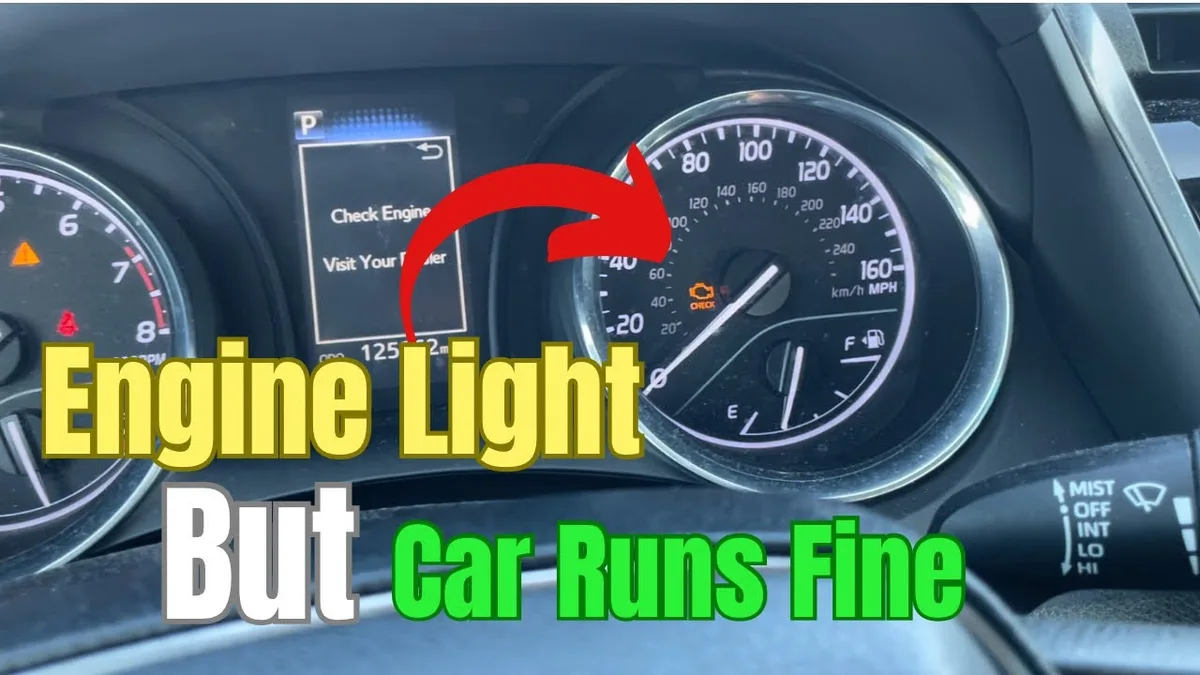
The test checks for pollutants like hydrocarbons, carbon monoxide, and nitrogen oxides. For OBD-II vehicles (1996 and newer), the scan reads your car’s computer for any emissions-related trouble codes. If your check engine light is on, you’ll likely fail automatically.
For pre-1996 vehicles, a tailpipe test measures the actual emissions coming out of your exhaust. The standards are based on federal EPA guidelines, and your car must meet the limits for its model year.
Step-by-Step: Getting Your Vehicle Tested in Bernalillo or Rio Arriba
Finding a testing station is the first step. Both counties maintain lists of authorized inspection facilities, and most are private garages or state-approved emissions centers.
What to Bring to Your Appointment
You’ll need your vehicle, your current registration, and a valid photo ID. If you’re registering a new-to-you vehicle, bring the title as well.
The Testing Process
For 1996 and newer vehicles, the tester plugs into your OBD-II port, usually located under the dashboard near the steering column. The scan takes about five minutes and checks for fault codes and readiness monitors.
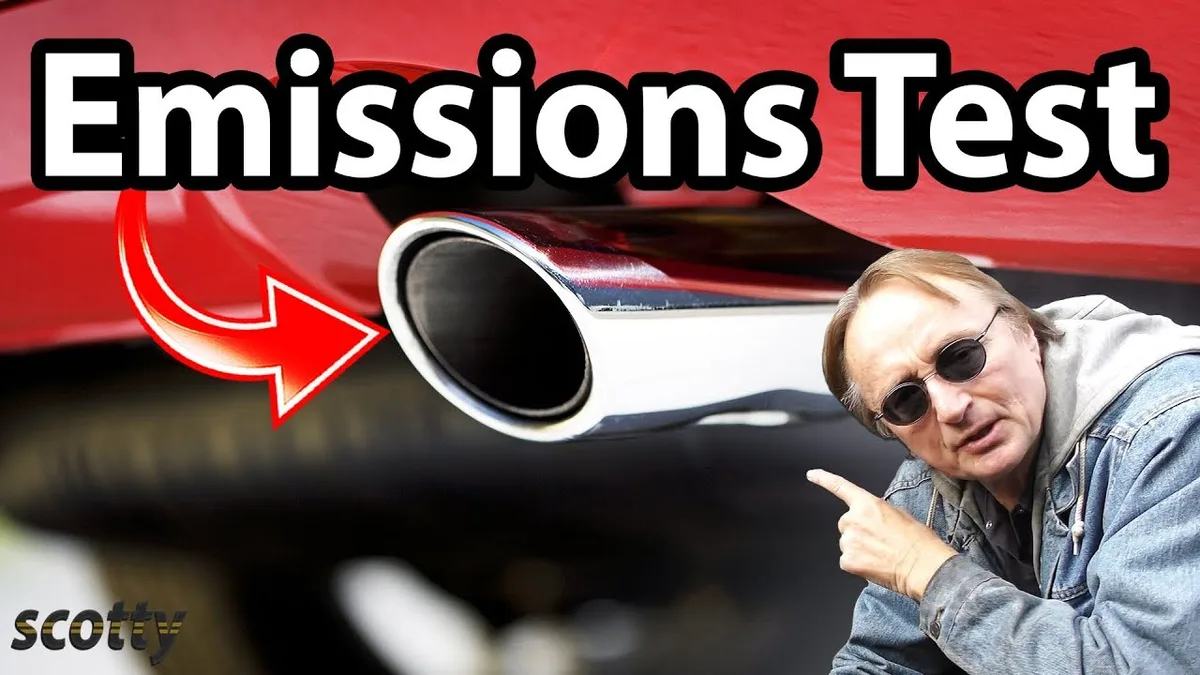
Older vehicles undergo a tailpipe test. A probe is inserted into the exhaust, and the equipment measures emissions output against model-year standards.
After the Test
If you pass, keep the test report with your registration documents. If you fail, you’ll need repairs and a retest. Most stations offer both inspection and repair services, but you can also take your vehicle to any licensed mechanic.
What Happens If You Skip the Test (or Fail It)
Skipping an emissions test when one is required can delay your vehicle registration. The MVD will hold your registration renewal until you provide proof of a valid test.
If your vehicle fails the test, you’ll have a specified window to complete repairs and return for retesting. Most counties allow a free retest within a certain period, typically thirty to sixty days.
Common Fail Reasons
| Issue | Likely Fix |
|---|---|
| Check engine light on | Diagnose and repair fault codes |
| Failed OBD-II readiness monitors | Drive the vehicle to complete monitor cycles |
| Excessive CO or HC emissions | Replace oxygen sensors, catalytic converter, or spark plugs |
| Evaporative system leak | Replace fuel cap, inspect charcoal canister |
Common Mistakes That Get People in Trouble
One of the most frequent errors is assuming your county doesn’t require testing when it actually does. Double-check your registration address before heading to the MVD.
Another common issue is ignoring the check engine light. Drivers often assume a loose gas cap is the problem and don’t address it before testing. A loose or faulty cap can trigger an evaporative emissions code and cause a failure.
People also forget that driving patterns matter for OBD-II readiness. If your car has been sitting or the battery was recently disconnected, the emissions monitors may not be ready.
Exemptions: Who Doesn’t Need to Test
Certain vehicles are exempt from emissions testing in both Bernalillo and Rio Arriba counties.
| Exemption Category | Details |
|---|---|
| Vehicles 1981 and older | Pre-1982 models don’t require testing |
| Electric vehicles | Zero-emission vehicles are exempt |
| Diesel vehicles (pre-2007) | Diesel models before 2007 are generally exempt |
| Antique vehicles | Registered antique or classic cars may qualify |
| New vehicles | Brand-new cars are exempt for the first few years |
Exemption rules can vary slightly between counties, so confirm with your local testing station.
Costs, Timing, and Where to Go
Emissions testing in New Mexico typically costs between twenty and fifty dollars. OBD-II tests tend to be on the lower end, while tailpipe tests or additional diagnostic services may cost more.
Testing appointments usually take fifteen to thirty minutes. Walk-ins are often accepted, but calling ahead is a good idea, especially during peak registration seasons.
Moving to New Mexico? What You Need to Know
If you’re relocating to New Mexico from another state, your emissions testing obligation depends on your new county of residence. You’ll need to register your vehicle in New Mexico within thirty days of establishing residency.
If you live in Bernalillo or Rio Arriba County, you’ll need a valid emissions test before completing registration. Bring your out-of-state title, proof of insurance, and any existing emissions documentation from your previous state.
Out-of-state test results are generally not accepted. You’ll need to pass a New Mexico-approved test, even if your previous state required one.
Benefits & Drawbacks of New Mexico’s County-Based System
The county-based approach keeps costs and bureaucracy low for most of the state. Residents outside Bernalillo and Rio Arriba don’t pay for testing or deal with inspection appointments.
For the two counties that do test, the program helps maintain air quality in more populated areas. The downside is the inconsistency. Drivers moving between counties can find the rules confusing.
Comparison: New Mexico vs. Neighboring States
New Mexico’s limited program stands out compared to neighbors like Colorado and Arizona. Colorado requires emissions testing in the Denver metro area and parts of the Front Range. Arizona mandates testing in Phoenix and Tucson.
| State | Testing Required? | Areas Covered |
|---|---|---|
| New Mexico | Limited | Bernalillo, Rio Arriba |
| Colorado | Yes | Denver metro, Front Range |
| Arizona | Yes | Phoenix, Tucson |
| Texas | Limited | Select counties |
New Mexico’s approach is less restrictive than Colorado’s or Arizona’s but more involved than Texas, where only certain counties near major cities require testing.
Use Cases: Who Needs to Pay Attention
New residents in Bernalillo or Rio Arriba counties need to prioritize emissions testing. If you’re registering a vehicle for the first time in either county, you’ll need a valid test before completing the process.
Used car buyers in these counties should verify the seller’s emissions status. Fleet owners operating in tested counties must keep their vehicles compliant.
Expert Tips to Avoid Emissions Test Failures
Start with the basics. A well-maintained vehicle is less likely to fail. Regular oil changes, air filter replacements, and spark plug checks keep your emissions system running smoothly.
If your check engine light comes on, address it immediately. Use an OBD-II scanner to read the codes or visit a mechanic for diagnosis.
For older vehicles, warm up the engine before testing. Drive for at least fifteen minutes to ensure the catalytic converter is at operating temperature.
Final Recommendation: Know Your County’s Rules
Check your county of residence first. If you’re not in Bernalillo or Rio Arriba, you’re done.
If you are, confirm your vehicle’s model year and test requirements. Schedule your test before your registration expires. Keep your test report with your vehicle documents for easy reference.