ByMax Lee
New Mexico Salvage Title Requirements Explained
New Mexico salvage title requirements can feel confusing until you see how the state defines them. The rules kick in when a vehicle’s damage reaches 100% of its actual cash value, or if it’s declared a total loss by an insurer. As of 2026, the process is straightforward but strict, with clear steps for both salvage and rebuilt titles.
If you’re buying or repairing a damaged car in New Mexico, knowing these requirements upfront saves time and headaches. The state’s Motor Vehicle Division (MVD) sets the standards, and missing a detail can mean delays or rejected paperwork.
Quick Answer
New Mexico salvage title requirements apply to vehicles damaged to 100% of their actual cash value. The owner or insurer must submit a total loss declaration to the MVD. A salvage title is then issued before any repairs begin.
This title cannot be driven on public roads until converted to a rebuilt title.
YouTube / Dealer Training (YouTube thumbnail (fair-use with source credit))
What a Salvage Title in New Mexico Actually Means
A salvage title is a legal designation for a vehicle the MVD considers uneconomical to repair. It’s not a death sentence for the car, but it does come with restrictions. You can’t drive it, register it, or get standard insurance until it’s repaired and inspected.
The title itself is branded, meaning it carries a permanent note about the damage history. This affects resale value and financing options, but it also opens the door to buying a car at a steep discount.
How New Mexico Defines a Salvage Vehicle
New Mexico triggers a salvage title when a vehicle meets one of these conditions:
- The cost to repair it equals or exceeds 100% of its actual cash value (ACV)
- An insurance company declares it a total loss
- It’s recovered after being stolen and the owner accepts a settlement
- It sustains flood, fire, or other severe damage that makes it unsafe or uneconomical to repair
The ACV threshold is the most common trigger. Unlike some states that use a lower percentage, New Mexico sticks to the 100% rule.

Wikimedia Commons / Queensland State Archives
The 100% ACV Rule and When It Applies
The 100% ACV rule is the backbone of New Mexico’s salvage title system. If repairs would cost as much as or more than the car is worth, it’s automatically classified as salvage. This includes labor, parts, and any additional fees to restore the vehicle to a roadworthy condition.
Note that the ACV is determined by the insurer or a licensed appraiser, not the owner. The MVD relies on this valuation to issue the salvage title. If you disagree with the assessment, you’ll need to provide your own appraisal to contest it.
Salvage vs. Rebuilt vs. Junk Titles in NM
Not all branded titles are the same in New Mexico. Here’s how they differ:
| Title Type | Definition | Can It Be Driven? | Can It Be Insured? |
|---|---|---|---|
| Salvage | Vehicle declared a total loss but repairable | No | No (until rebuilt) |
| Rebuilt | Salvage vehicle repaired and inspected | Yes | Yes (with restrictions) |
| Junk | Vehicle dismantled for parts, not repairable | No | No |
A salvage title is the first step. Once you repair the vehicle and pass an MVD inspection, you can apply for a rebuilt title. A junk title is for vehicles that are no longer roadworthy and are being sold for parts or scrap.
Who Needs a Salvage Title and Who Doesn’t
A salvage title is required if your vehicle meets New Mexico’s total loss criteria. This applies to owners, insurers, and even salvage yards taking possession of a damaged car.
If the damage is minor and repairs cost less than the vehicle’s value, you won’t need a salvage title. The same goes for vehicles being parted out without a title transfer. But if you’re keeping the car and it’s been declared a total loss, the salvage title is mandatory before any repairs.
Step-by-Step: Getting a Salvage Title in New Mexico
What You’ll Need Before You Start
Gather the vehicle’s current title, proof of ownership, and the insurance company’s total loss declaration. If the car was stolen and recovered, you’ll need a police report instead.
You’ll also need to complete the Application for Certificate of Title and Registration (Form MVD-10002). Have the VIN ready, as it’s required for all paperwork.
Gather the vehicle’s current title, proof of ownership, and the insurance company’s total loss declaration. If the car was stolen and recovered, you’ll need a police report instead.
You’ll also need to complete the Application for Certificate of Title and Registration (Form MVD-10002). Have the VIN ready, as it’s required for all paperwork.
Submitting the Paperwork to NM MVD
Submit your documents in person at a local MVD office or through a licensed third-party provider. Online submissions aren’t accepted for salvage titles.
Pay the $11 title fee plus any additional processing charges. The MVD will review your application and issue the salvage title if everything checks out.
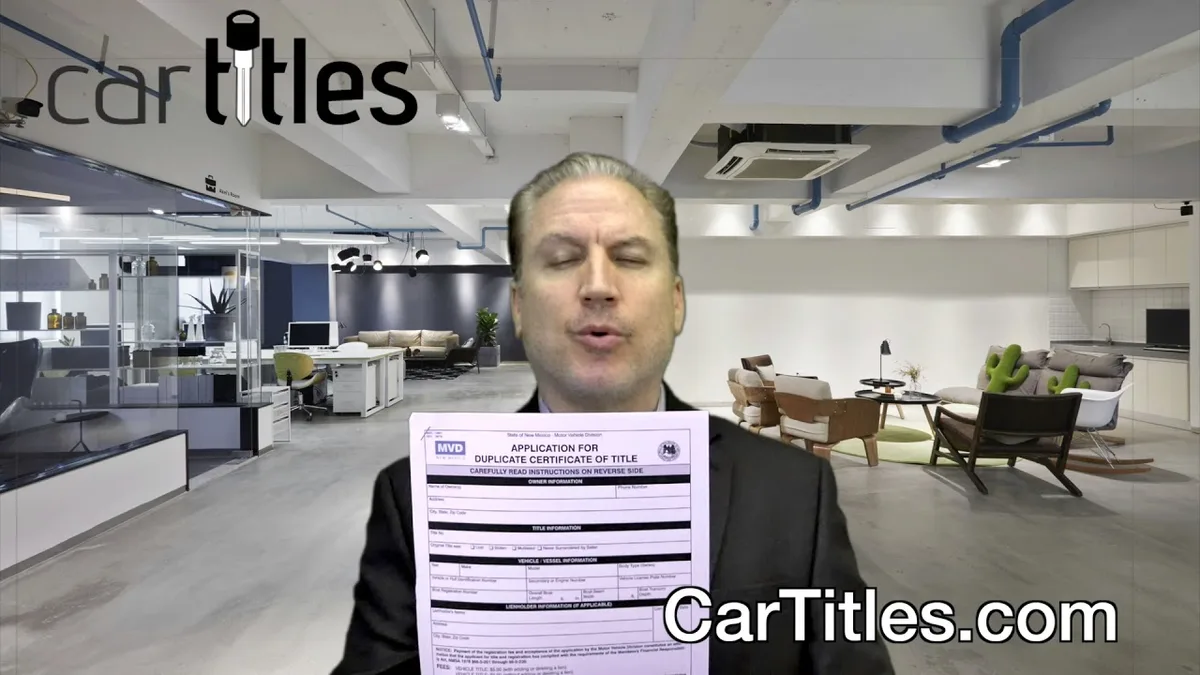
YouTube / Car Titles (YouTube thumbnail (fair-use with source credit))
Converting a Salvage Title to a Rebuilt Title
Required Repairs and Documentation
All repairs must restore the vehicle to safe, roadworthy condition. Keep receipts for parts and labor, as you’ll need to submit them with your rebuilt title application.
The MVD requires a detailed list of repairs, including photos of the damage before and after fixes. This paperwork proves the car meets safety standards.
Scheduling the NM MVD Inspection
Call your local MVD office to schedule the inspection. Some locations require appointments, while others accept walk-ins.
The inspection focuses on structural integrity, safety features, and overall roadworthiness. If the vehicle passes, you’ll receive a verification form to submit with your rebuilt title application.
YouTube / MVD Express (YouTube thumbnail (fair-use with source credit))
Costs You Should Expect
Title fees for a salvage or rebuilt title in New Mexico run about $11 to $25. The exact amount depends on the county and any additional processing fees.
Inspection costs vary by provider but typically range from $75 to $150. Factor in repair costs, which can add up quickly depending on the damage. Budget for potential re-inspection fees if the vehicle doesn’t pass the first time.
Common Mistakes That Get Applications Rejected
Missing paperwork is the top reason for rejection. Double-check that you’ve included the title, total loss declaration, and completed application.
Incomplete repairs are another common issue. The MVD won’t approve a rebuilt title if the vehicle still has structural or safety problems. Always follow the inspection checklist before submitting your application.
Buying a Salvage-Titled Car in New Mexico: What to Check First
A salvage-titled car can be a smart purchase if you know what to look for. The discount is real, but so are the risks. Start by pulling the vehicle's full history report using the VIN.
Check for prior damage details, especially frame or structural issues. Flood damage is particularly dangerous because electrical systems degrade slowly.

Wikimedia Commons / NASA Earth Observatory images by Michala Garrison and Lauren Dauphin, using Landsat data from the U.S. Geological Survey and modified Copernicus Sentinel data (2024) processed by the European Space Agency. Story by Adam Voiland.
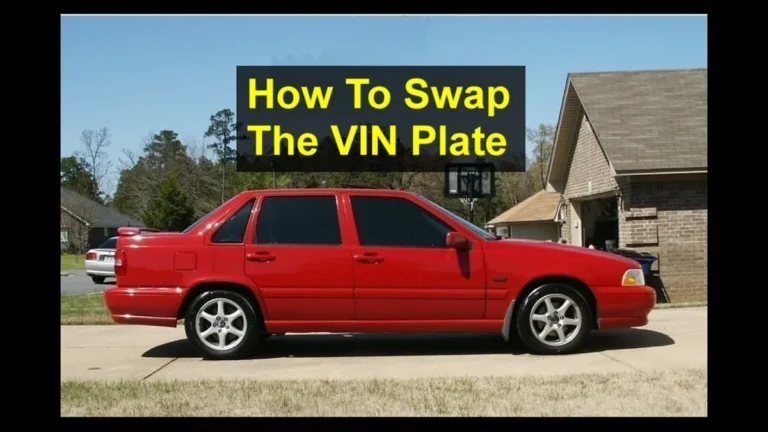
Look for signs of poor repairs, mismatched paint, or mismatched VIN plates. Before buying, have a trusted mechanic inspect the vehicle if possible. Ask the seller for all repair receipts and documentation.
Insurance and Financing Realities for Salvage Titles
Getting insurance for a salvage title can be challenging but not impossible. Most major insurers offer liability coverage, but comprehensive and collision coverage may be limited. Some companies require the vehicle to pass a rebuilt inspection first.
Financing a salvage-titled car is even tougher. Traditional lenders rarely finance branded titles because the collateral value is uncertain. You’ll likely need to pay cash or explore specialty lenders who understand salvage vehicles.
Credit unions sometimes offer better rates for salvage titles. Ask about their specific requirements before applying. Interest rates will be higher, and loan amounts may be lower than for clean-titled vehicles.
Out-of-State Salvage Titles: NM’s Rules for Transfers
If you're moving a salvage title into New Mexico from another state, the process has specific requirements. New Mexico recognizes salvage titles from other states but may require a fresh inspection.
The vehicle must pass a New Mexico MVD inspection before you can register it. This applies even if the vehicle already has a rebuilt title from another state.
You’ll need to provide the out-of-state title, proof of ownership, and any repair documentation. The MVD will review everything before issuing a New Mexico salvage or rebuilt title.
Frequently Asked Questions
How long does the salvage title process take in New Mexico?
The initial salvage title takes about 5 to 15 business days after submitting all paperwork. Converting to a rebuilt title adds inspection time, which can take another 1 to 2 weeks depending on scheduling. Total process time is typically 2 to 4 weeks.
Can you drive a salvage-titled car in New Mexico?
No, you cannot legally drive a salvage-titled vehicle on public roads. The car must first be repaired and pass an MVD inspection. Once you receive a rebuilt title, you can register and drive it normally.
Does New Mexico have a lower percentage threshold for salvage titles?
No, New Mexico uses a 100% actual cash value threshold. This means repairs must equal or exceed the vehicle's full value before it's classified as salvage. Some states use lower thresholds like 75% or 80%.
What documents do I need to convert a salvage to a rebuilt title?
You'll need the salvage title, proof of identity, completed application form (MVD-10002), repair receipts, and a passed inspection certificate. Keep detailed records of all parts and labor costs for the application.
Are salvage titles harder to insure in New Mexico?
Yes, insurance options are more limited for salvage titles. Most companies offer only liability coverage. Full coverage may require waiting until you get a rebuilt title and passing the inspection.
Rates may also be higher.
Final Decision Guide: Is a Salvage Title Right for You?
A salvage title makes sense if you're handy with repairs, understand automotive systems, or need an affordable parts donor. The 20% to 40% discount can be worth the extra work.
It's not worth it if you plan to finance the vehicle, want standard insurance coverage, or need a hassle-free ownership experience. The rebuilding process takes time and money, and the vehicle's value stays permanently reduced.
Consider your skills, budget, and goals before moving forward. Salvage titles can be a smart move for the right buyer, but they're not for everyone.
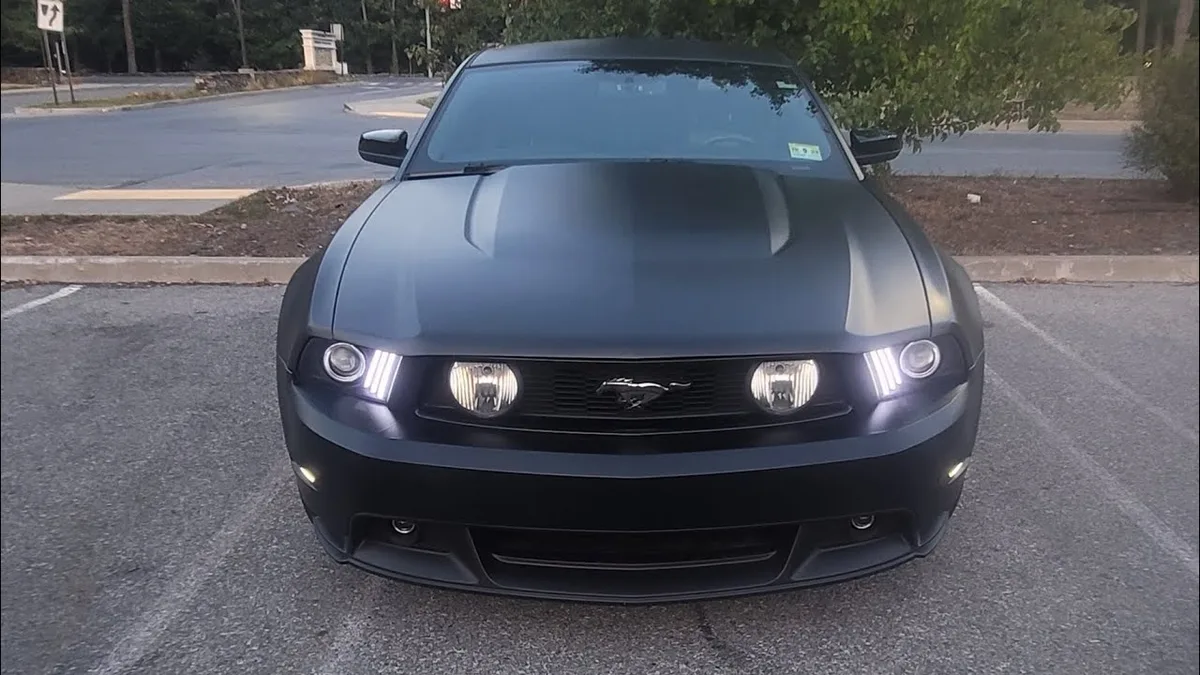
YouTube / S D (YouTube thumbnail (fair-use with source credit))