ByMax Lee
New Mexico Winter Driving & Studded Tire Rules
New Mexico winter driving requirements and studded tire regulations matter more than most drivers realize. Mountain passes on I-25 and US-550 can turn dangerous within minutes during a surprise snowstorm. Getting your tires and chains right is the difference between a safe trip and a stranded situation.
As of 2026, studded tires remain legal in the state but only during the November through April window. The maximum stud protrusion allowed is one sixteenth of an inch. Understanding these rules and knowing when chains become mandatory will keep you legal and safe.
YouTube / #Amber Free (YouTube thumbnail (fair-use with source credit))
Quick Answer
New Mexico winter driving requirements and studded tire regulations are straightforward if you know the rules. Studded tires are legal only from November 1 through April 1. Studs may not protrude more than one sixteenth of an inch.
Chain requirements activate on mountain highways when signs appear. Always check road conditions before heading into the mountains.
Why Getting New Mexico Winter Tire Laws Right Matters
Getting these regulations wrong can cost you more than a ticket. A citation for illegal studded tire use runs $50 to $200 depending on the county. But the real risk is far worse.
Wrong tires on icy mountain roads lead to spin-outs, pileups, and fatalities every winter.
The New Mexico Department of Transportation reports that tire-related incidents spike on high mountain passes during winter months. Routes like US-550 through Chama and I-25 through Cerro Grande Pass see hundreds of chain law activations each season. These are not minor detours.
They are closures that strand thousands of drivers.
Your tires are the only point of contact between your vehicle and the road. That makes them the single most important safety decision you make before a winter drive.
The Core Rules: Studded Tire Season, Limits, and State Law

YouTube / Anum Pirzada (YouTube thumbnail (fair-use with source credit))
New Mexico law allows studded tires during a specific window each year. The legal season runs from November 1 through April 1. Using studded tires outside that window is a traffic violation.
Enforcement tends to be stricter in urban areas where tire damage to dry pavement becomes a public complaint.
The state sets a hard limit on stud protrusion. No stud may extend more than one sixteenth of an inch beyond the tire tread surface. That measurement matters because oversized studs damage road surfaces and create unsafe conditions for other drivers.
These rules come from New Mexico Statute 66-3-845. It covers tire construction, traction devices, and seasonal restrictions. It applies to all passenger vehicles and commercial trucks operating on public roads.
Tire ratings also matter. The M+S (Mud and Snow) marking shows basic winter capability. The Three-Peak Mountain Snowflake (3PMSF) symbol indicates the tire passed stricter snow traction testing.
Neither rating replaces the studded tire season rule.
| Tire Type | Legal Year-Round? | Stud Limit | Best Use Case |
|---|---|---|---|
| Studded tires | November 1 – April 1 only | 1/16 inch max | Icy mountain roads |
| Studless winter tires | Yes | N/A | Snow and slush conditions |
| All-season M+S tires | Yes | N/A | Light snow, mild winters |
| All-terrain tires | Yes | N/A | Mixed on-road and off-road |
When Tire Chains or Other Traction Devices Are Required
YouTube / Family Handyman (YouTube thumbnail (fair-use with source credit))
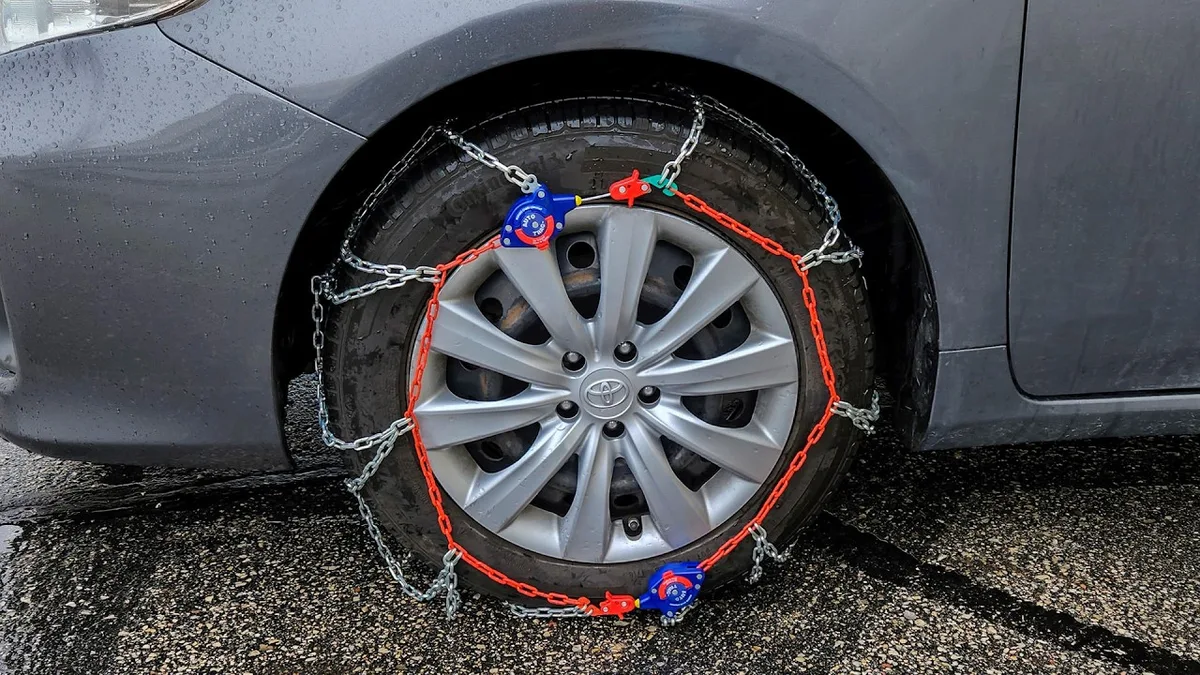
Chain laws in New Mexico are different from studded tire rules. They activate based on real-time road conditions rather than a fixed calendar date. When you see a chains-required sign on a mountain highway, you must have chains or an approved traction device installed and ready to use.
The New Mexico DOT designates certain highways as chain control zones during winter storms. These typically include:
- I-25 through Cerro Grande and Glorieta passes
- US-550 between Chama and Creede
- NM-64 to Taos Ski Valley
- NM-501 through Red River
- US-84 through Wheeler Peak
Speed limits drop to 30 mph when chains are installed. Going faster can snap chains and send metal flying into traffic.
DOT-approved traction devices include tire chains, cable chains, and snow socks. Not all products qualify. Some cheap fabric sleeves fall apart on steep mountain grades.
Stick with devices that meet DOT specifications.
Risks of Non-Compliance and Unsafe Winter Driving
Breaking New Mexico winter driving requirements carries real consequences. A first offense for illegal studded tire use typically results in a citation and fine. Repeat offenses can lead to higher penalties and points on your driving record.
The financial cost is only part of the problem. Illegal studded tires damage asphalt roads. Studs that protrude beyond the legal limit accelerate pavement degradation and create hazardous debris.
But the most serious risk is personal safety. Driving studded tires outside the legal season means using them on dry pavement. They perform poorly on warm, dry roads.
They reduce braking performance and increase stopping distances.
Non-compliance with chain laws is equally risky. Drivers who ignore chain requirements on icy passes often become stranded. They block lanes and create cascading delays for hundreds of other motorists.
Safe Winter Driving Practices and Tire Maintenance
YouTube / Your Home Garage (YouTube thumbnail (fair-use with source credit))
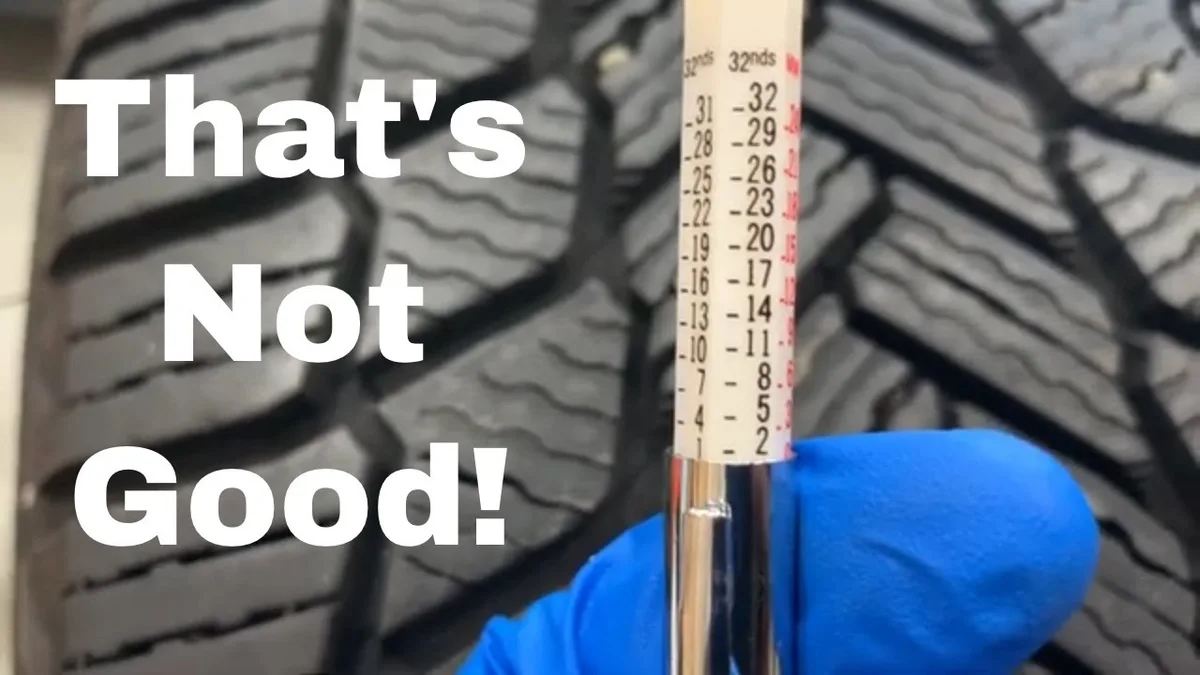
Keeping your winter tires in good shape requires more than installing them each November. A simple tread depth check before every snowstorm can prevent a dangerous situation. New Mexico law requires a minimum of 2/32 inch tread depth for any tire on the road.
Checking tire pressure matters just as much. Cold temperatures cause tire pressure to drop. You can lose one to two PSI for every ten-degree drop in temperature.
Underinflated winter tires heat up unevenly on mountain passes.
Your chain installation routine deserves attention too. Practice putting chains on a dry, flat surface before you ever need them in a storm. Fumbling with cold, wet chains while traffic is backing up behind you is a recipe for disaster.
Navigating High-Altitude and Remote New Mexico Roads
YouTube / New Mexico Department of Transportation (YouTube thumbnail (fair-use with source credit))
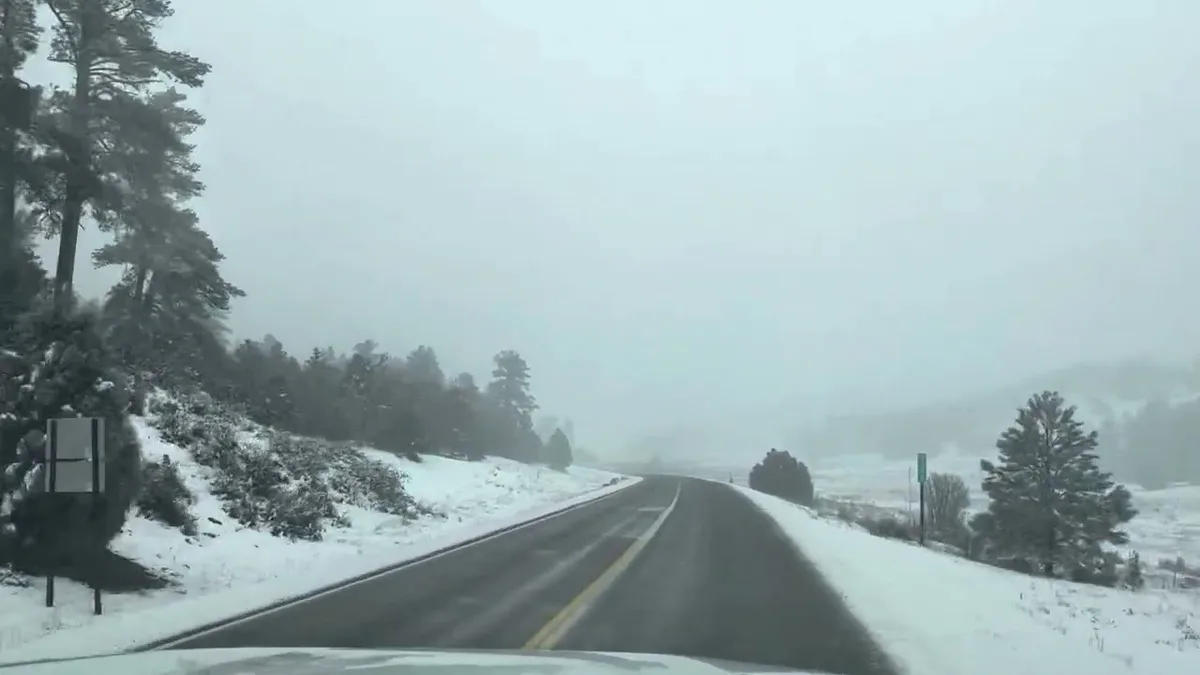
Northern New Mexico presents unique winter driving challenges. Elevations above 7,000 feet mean snow can fall any month of the year. Routes like NM-64 to Taos Ski Valley and NM-518 to Red River see heavy traffic during ski season.
The state maintains a network of snowplows and sanding trucks. But remote stretches may not see a plow for hours after a storm starts. That is why carrying chains is mandatory on many mountain passes.
Check the NMDOT website or call 511 before heading into the mountains. Road condition reports update every 30 minutes during active storms.
Choosing Between Studded Tires, Winter Tires, and Chains
YouTube / Tyre Reviews (YouTube thumbnail (fair-use with source credit))
Studded vs Studless Winter Tires
Studded tires provide the best grip on hard-packed snow and ice. The metal studs bite into the surface for superior traction. But they damage dry pavement and are only legal for half the year.
Studless winter tires use advanced rubber compounds and tread patterns. They perform nearly as well on snow without the road damage. They are legal year-round and often last longer than studded tires.
When to Use Tire Chains
Chains offer maximum traction on steep, icy climbs. They are required on some mountain passes during storms. But they are cumbersome to install and limit your speed to 30 mph.
Best Options by Vehicle Type
- Passenger cars: Studless winter tires for most conditions, chains for mountain trips
- SUVs and trucks: Studded tires for frequent mountain driving, chains for occasional use
- Commercial vehicles: DOT-approved chains for all winter mountain routes
When to Seek Professional Help or Official Clarification
Some situations require expert input. If you are unsure whether your tires meet legal specifications, visit a certified tire shop. They can measure stud protrusion and confirm tread depth.
For real-time road conditions, the NMDOT 511 system is your best resource. Operators can clarify chain law status for specific routes.
If you receive a citation for tire violations, consult the New Mexico Motor Vehicle Division. They can explain the citation and your options for resolution.
Quick-Reference Checklist for New Mexico Winter Driving
- Legal window: Studded tires allowed November 1 through April 1
- Stud limit: Maximum 1/16 inch protrusion
- Tread depth: Minimum 2/32 inch for all tires
- Chain law: Required when signs are posted on mountain highways
- Speed limit: 30 mph maximum with chains installed
- Check before driving: NMDOT 511 or www.dot.state.nm.us
- Legal window: Studded tires allowed November 1 through April 1
- Stud limit: Maximum 1/16 inch protrusion
- Tread depth: Minimum 2/32 inch for all tires
- Chain law: Required when signs are posted on mountain highways
- Speed limit: 30 mph maximum with chains installed
- Check before driving: NMDOT 511 or www.dot.state.nm.us
Frequently Asked Questions
Are studded tires legal year-round in New Mexico?
No. Studded tires are only legal from November 1 through April 1. Using them outside this window violates state law and can result in a citation.
What is the minimum tread depth required for winter driving?
New Mexico requires a minimum of 2/32 inch tread depth for all tires. Winter tires perform best with at least 4/32 inch of remaining tread.
Do I need chains if I have winter tires?
Possibly. Winter tires improve traction but do not replace chain requirements. When chain laws activate, you must have chains or approved traction devices installed.
Where can I find official New Mexico road condition updates?
Check the NMDOT website at www.dot.state.nm.us or call 511. Both provide real-time updates on chain laws, road closures, and weather advisories.
Can I use snow socks instead of chains?
Yes, if they are DOT-approved. Snow socks must meet the same traction standards as chains. Check the packaging for DOT approval before purchasing.
What happens if I ignore chain law requirements?
You risk a citation and fine. More importantly, you endanger yourself and others. Ignoring chain laws often leads to spin-outs and multi-vehicle accidents on mountain passes.