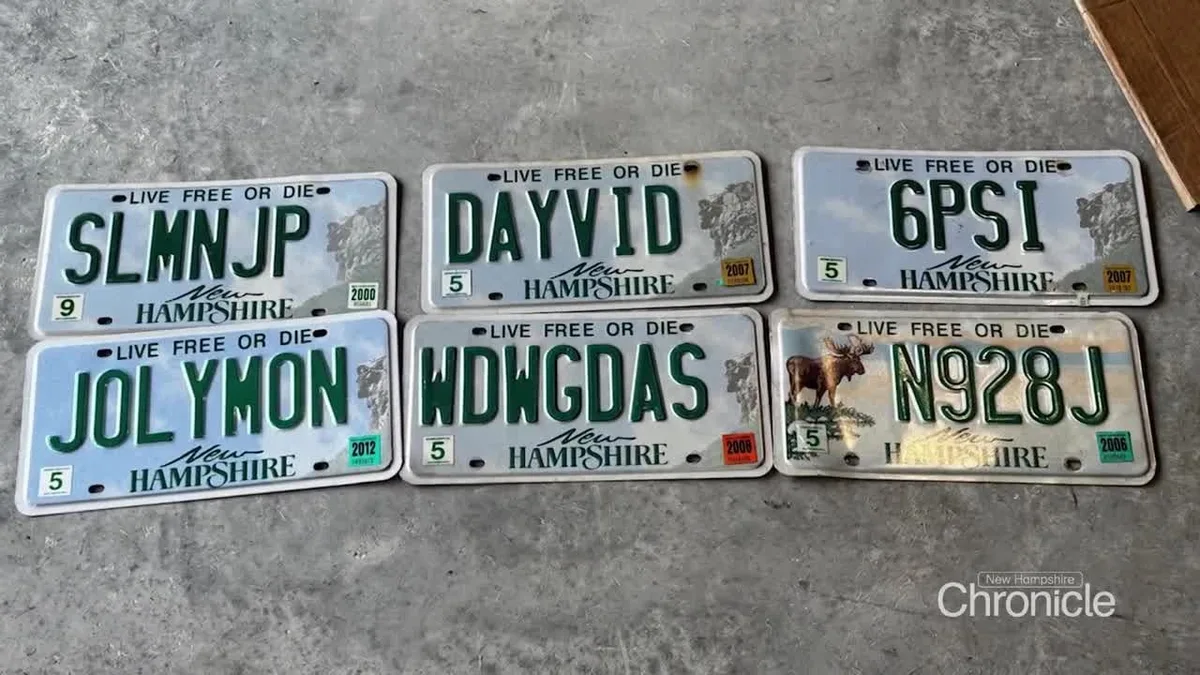
New Hampshire farm truck registration eligibility and restricted usage rules can save you money if your vehicle qualifies, but the restrictions are strict. Many farmers assume any truck used for farm work automatically gets farm plates, but NH has clear weight, ownership, and usage limits that trip up applicants every year.
As of 2026, the state caps farm truck GVWR at 26,000 pounds and requires the vehicle to be used exclusively for agricultural purposes within 150 miles of the farm. That means knowing the rules before you apply can mean the difference between approval and a rejected application.
Quick Answer
New Hampshire farm truck registration eligibility and restricted usage rules apply to vehicles under 26,000 lbs GVWR. They must be owned by a farmer and used only for agricultural purposes. Restricted usage limits travel to 150 miles from the farm.
These plates cost less than commercial registration. They cannot be used for non-farm hauling.
What Counts as a Farm Truck in New Hampshire?
Under NH RSA 261:173, a farm truck is a vehicle primarily used for agricultural operations. This includes transporting farm products, supplies, or equipment. The vehicle must be owned by someone actively engaged in farming.
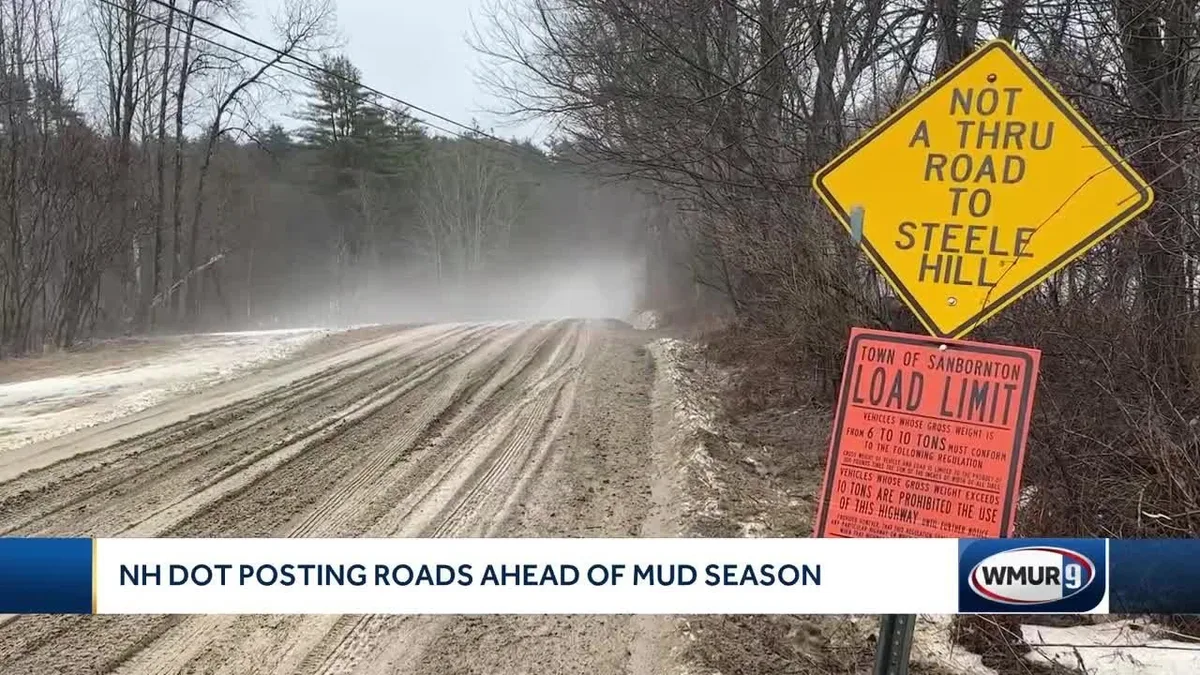
The key specifications are:
- Maximum GVWR of 26,000 pounds
- Must display farm license plates
- Cannot be used for hire or commercial purposes outside farming
Vehicles exceeding these limits or used for non-agricultural business don't qualify. Even if you own a farm, using the truck for landscaping work or hauling for others disqualifies it from farm registration.
NH Farm Truck Registration: Eligibility Decision Tree
Start with ownership. Do you own or operate a farm in New Hampshire? If no, you cannot register a vehicle under farm plates.
Next, check the vehicle. Is it under 26,000 lbs GVWR? If it's heavier, it needs commercial registration.
Then, verify usage. Will the truck be used exclusively for agricultural purposes? Any non-farm use means it doesn't qualify.
Finally, confirm distance. Will all travel stay within 150 miles of your farm? Going beyond this range requires commercial plates.
If you answered yes to all four, your truck likely qualifies for farm registration. If you answered no to any, you'll need commercial registration instead.
How Restricted Usage Rules Work on NH Farm Trucks
Farm-registered trucks in New Hampshire have strict operational limits. You cannot use them on interstate highways. They're restricted to local roads and state highways within the 150-mile radius.
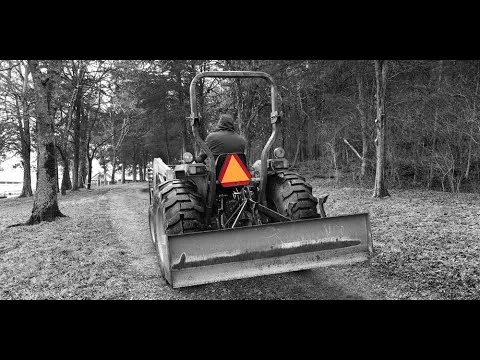
Speed limits also apply. Farm vehicles typically cannot exceed 40 mph. This is why you'll often see them with slow-moving vehicle emblems.
The restricted usage rules include:
- No hauling for hire
- No transporting non-farm goods
- No use in commercial enterprises
- Must display proper farm vehicle markings
Violating these restrictions can result in fines and potential loss of your farm registration privileges.
Step-by-Step: Registering a Farm Truck in New Hampshire
Begin by gathering your documentation. You'll need proof of farm ownership or operation. This could be property tax records or a business license showing agricultural activity.
Next, complete the application. Fill out NH DMV Form DSMV 19, the Application for Farm Vehicle Registration. Be prepared to provide your vehicle's VIN and weight information.
Then, get your vehicle inspected if required. Some counties may require a weight certification. Check with your local NH DMV office for specific requirements.
Finally, pay your fees. Registration costs vary based on vehicle weight. As of 2026, fees range from $20 to $100 for most farm trucks.
You'll receive your farm plates and registration documents to display in your vehicle.
Farm Plates vs. Commercial Plates: Which Is Right for You?
Farm plates cost significantly less than commercial registration. As of 2026, NH farm truck fees max out around $100, while commercial plates can run several hundred dollars annually.
Commercial plates offer more flexibility. You can use the vehicle for any business purpose, travel any distance, and access all road types. Farm plates restrict you to agricultural use within 150 miles.
The choice comes down to your needs. If you only haul farm products locally, farm plates save money. If you need versatility for other business uses, commercial registration is the only legal option.
Common Mistakes That Lead to Fines or Plate Revocation
Using farm plates for non-farm work is the most common violation. Hauling landscaping materials or doing side jobs with a farm-registered truck can result in fines up to $500.
Exceeding the 150-mile radius is another frequent issue. Even if you're transporting farm goods, going beyond this limit requires commercial registration.
Many farmers forget the SMV emblem requirement. Without this orange triangle, you risk a ticket even if your registration is valid.
NH Farm Truck Registration: Fees, Timelines, and Renewal
Registration fees scale with vehicle weight. Light trucks under 8,000 lbs cost about $20. Heavier trucks up to 26,000 lbs range from $40 to $100.
Renewal is annual for most farm vehicles. You'll receive a notice from the NH DMV about 60 days before expiration. Late renewals incur a $10 penalty after 30 days.
The process is straightforward. Submit your renewal notice with payment, and you'll receive new plates or stickers by mail. No inspection is typically required for renewals unless your vehicle has changed.
Safety and Legal Compliance for NH Farm Truck Owners
All farm vehicles must display a slow-moving vehicle emblem. This reflective orange triangle must be visible from at least 500 feet.
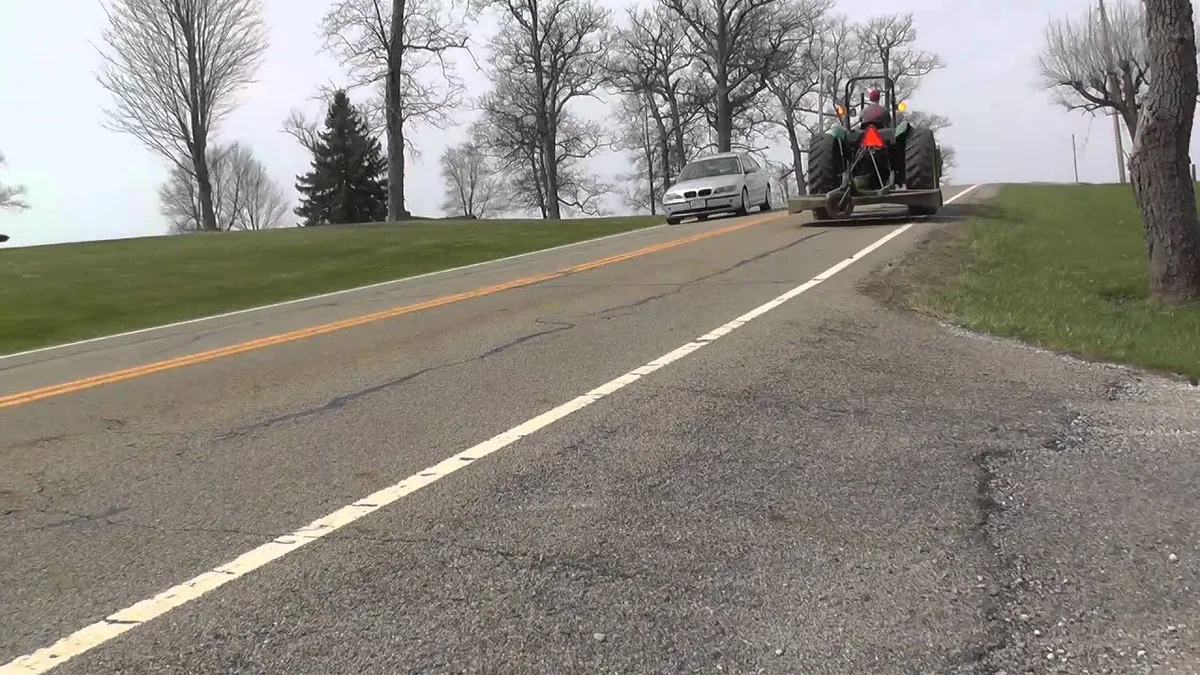
Lighting requirements apply too. Farm trucks need at least two headlights, two taillights, and reflectors. These must be functional even during daylight hours.
Liability insurance is mandatory. While NH doesn't require proof at registration, you must maintain coverage. The minimum is $25,000 per person, $50,000 per accident for bodily injury, and $25,000 for property damage.
Real-World Scenarios: Who Gets Approved and Why
A small dairy farmer with a 1-ton truck used only for milk transport qualifies. The truck is under 26,000 lbs and stays within the 150-mile radius.
A landscaping business owner doesn't qualify. Even if they own farmland, using the truck for lawn care services disqualifies it from farm registration.
A seasonal apple orchard with a 24,000 lb truck for harvest transport qualifies. They stay within distance limits and only haul farm products.
A contractor who occasionally hauls tools to farm jobs doesn't qualify. Mixed use means the vehicle needs commercial plates, regardless of farm ownership.
Final Decision Guide: Should You Register Your Truck as a Farm Vehicle in NH?
Check your vehicle weight first. If it exceeds 26,000 lbs GVWR, farm registration isn't an option.
Next, verify your usage. If you ever haul non-farm goods or travel beyond 150 miles, commercial plates are required.
Consider your budget. Farm plates save money but limit flexibility. Commercial plates cost more but offer unrestricted use.
Use this quick checklist:
- Own a farm in NH
- Vehicle under 26,000 lbs
- Exclusive agricultural use
- Travel within 150 miles
If you check all boxes, farm registration is likely your best choice.
Frequently Asked Questions
Can I use my farm truck for personal errands?
No. Farm-registered trucks must be used exclusively for agricultural purposes. Any personal use violates the registration terms and can result in fines.
What happens if I need to tow a trailer?
You can tow farm-related trailers, but the combined weight must stay under 26,000 lbs. The trailer must also be used for agricultural purposes only.
Do I still need a CDL for a farm-registered truck?
Generally no. NH exempts farm vehicles from CDL requirements when used within 150 miles of the farm. However, if your vehicle exceeds 26,000 lbs or carries hazardous materials, a CDL may still be required.
How does NH farm registration compare to Massachusetts or Vermont?
NH's rules are similar but have key differences. Massachusetts allows farm plates up to 10,000 lbs GVWR, while Vermont's limit is 26,000 lbs like NH. Each state has its own distance restrictions and usage rules.
Can I convert my commercial plates to farm plates later?
Yes, if your usage changes to meet farm registration criteria. You'll need to submit a new application and meet all eligibility requirements. The DMV will verify your farm status and vehicle usage.