ByMax Lee
NJ Blue & Red Light Ban for Private Cars Explained
New Jersey blue and red light prohibition for private motor vehicles is one of those rules that catches drivers off guard. You might see a cool-looking light bar online and think it would look great on your truck. But state law draws a hard line between what private drivers can use and what belongs on emergency vehicles only.
Per New Jersey statute 39:3-66, blue and red flashing lights are reserved exclusively for authorized emergency response vehicles. Violations carry fines that range from $50 to over $500 depending on circumstances. As of 2026, enforcement remains active across all counties, and law enforcement officers routinely pull over vehicles displaying prohibited lighting.
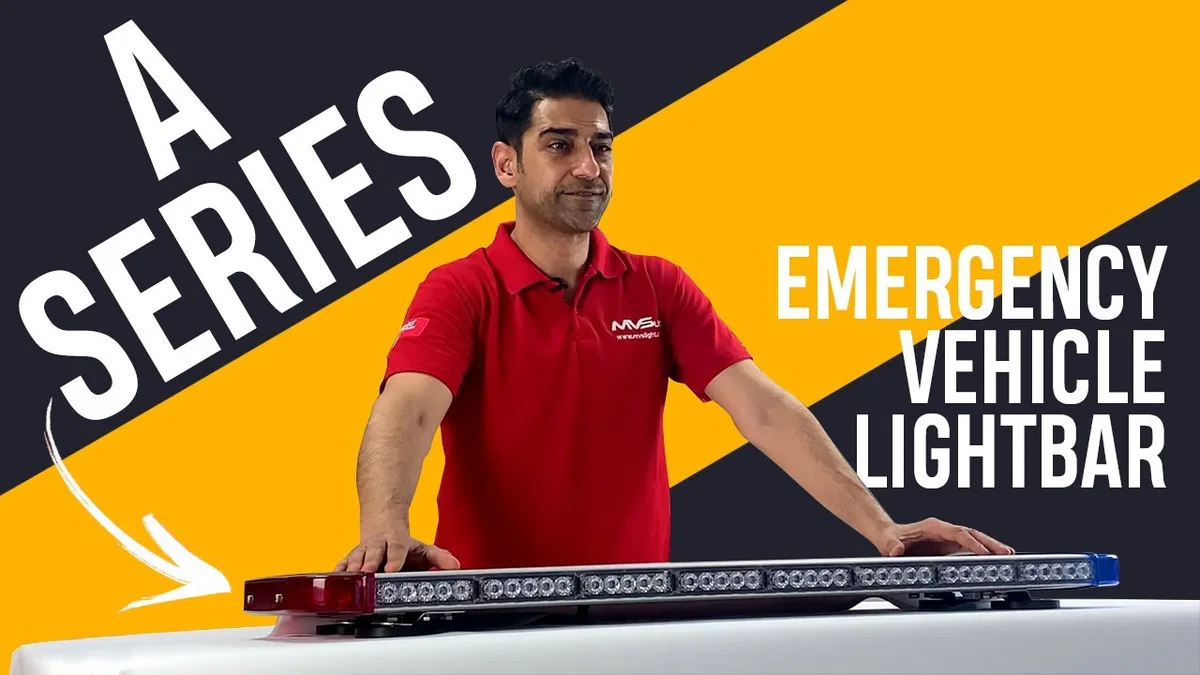
YouTube / MVS Light (YouTube thumbnail (fair-use with source credit))
What New Jersey's Blue and Red Light Ban Means for Private Cars
The core issue is straightforward. New Jersey law reserves blue and red lights for official emergency vehicles only. That means police cars, fire trucks, and ambulances.
Private drivers cannot legally equip their vehicles with these colors, whether flashing or steady.
This prohibition covers every mounting position. You cannot put these lights on your dashboard, grille, bumper, or taillights. The law does not distinguish between permanent installations and portable devices.
The reasoning centers on public safety. Blue and red lights signal an emergency response. If private vehicles could use them, the public would struggle to identify real responders in a crisis.
That confusion can cost lives when every second counts.
Some drivers assume other states' rules apply in New Jersey. That assumption is incorrect. New Jersey maintains one of the stricter vehicle lighting regimes in the region.
Neighboring states like Pennsylvania and New York also restrict blue lights heavily.
If you drive a modified vehicle, classic car, or work truck, this rule affects you directly. Aftermarket LED strips and light bars often emit blue or red light, making them illegal on public roads in New Jersey.
The Quick Answer: Are Blue or Red Lights Legal on Your Car in NJ?
No, blue and red lights are not legal on private vehicles in New Jersey. State law strictly prohibits their use on any non-emergency motor vehicle. You can face fines ranging from $50 to $500 for violations.
Emergency vehicles are the only legal users of blue and red lights on public roads.
YouTube / WJ Handy Dad (YouTube thumbnail (fair-use with source credit))
Why New Jersey Bans Blue and Red Lights for Private Vehicles
The prohibition exists to prevent confusion during emergencies. When you see blue or red flashing lights, your brain should instantly recognize an official responder. That recognition happens in milliseconds and saves lives.
If private citizens could use those same colors, that automatic response would break down. Drivers would hesitate, wondering whether the lights signal a real emergency. That hesitation costs time when emergency services are responding to a call.
New Jersey takes this seriously because of its dense roadways. The state sees some of the highest vehicle density per square mile in the nation. Clear visual signals between emergency and private vehicles reduce accident risks.
The law also prevents impersonation of emergency personnel. Unauthorized use of emergency lighting has been linked to criminal activity. Someone flashing red and blue lights could pull over a motorist and pretend to be law enforcement.
Some vehicle enthusiasts argue the ban limits personal expression. However, public safety outweighs aesthetic preferences when it comes to signal colors associated with emergency response.
The Exact Laws Behind the Prohibition
New Jersey's vehicle lighting rules live in Title 39 of the New Jersey Statutes. The two key sections are 39:3-54 and 39:3-66.
Section 39:3-54 defines what qualifies as an emergency vehicle. This includes police cars, fire trucks, ambulances, and official response vehicles authorized to use flashing red or blue lights.
Section 39:3-66 sets equipment standards for all vehicles. White forward-facing lights and amber side or rear lights are permitted. Any deviation into blue or red territory falls outside those standards.
Penalties for violation depend on circumstances. A simple possession of prohibited lights typically starts at a $50 fine. Active use while driving can trigger charges for impersonating an officer, with fines up to $500 or more.
For official context, review the New Jersey Statutes through the state legislature's website. The MVC also maintains a summary of vehicle equipment requirements.
When you register your vehicle or pass inspection, the equipment is checked against these standards. Non-compliant lighting will flag during inspection and must be corrected before the vehicle clears.
Who Can Legally Use Blue or Red Lights in NJ
Only authorized emergency vehicles may display blue or red lights on New Jersey roadways. This includes marked police vehicles from all levels of law enforcement: municipal police, county sheriff offices, state police, and transit enforcement units.
Fire department vehicles qualify as well. Every registered fire engine, rescue squad vehicle, and fire chief car that is officially commissioned may use red and blue flashing lights.
Ambulances and emergency medical service vehicles complete the core list. This includes hospital-based ambulances and independent EMS units with proper state certification.

YouTube / Jake Desbien (YouTube thumbnail (fair-use with source credit))
Volunteer emergency personnel have a special provision. New Jersey permits certain volunteer firefighters and EMTs to use green auxiliary lights on their personal vehicles when responding to calls. This requires registration with their local department and proper credentialing.
Civil defense and disaster response vehicles may qualify under specific conditions. These operate under state emergency management authority during declared disasters.
If you are not driving an officially commissioned emergency vehicle, you cannot legally use blue or red lights. This rule applies regardless of credentials, work in related fields, or personal need.
What Happens If You’re Caught with Illegal Lights
You will get pulled over. Officers actively watch for prohibited lighting because it is an easy visual cue during traffic stops. The first offense typically results in a fine between $50 and $200.
If you are using the lights while driving, the penalty jumps. Active use can trigger charges for impersonating an emergency vehicle, with fines up to $500 or more.
Your vehicle may also fail its next inspection. Non-compliant lights must be removed before the vehicle passes.

YouTube / ElectrOPEN (YouTube thumbnail (fair-use with source credit))
In extreme cases, you could face criminal charges. Using emergency lights to pull over another driver or commit a crime can lead to misdemeanor or felony charges.
Insurance complications can arise too. If you are in an accident while using prohibited lights, your insurer may deny coverage.
Common Mistakes That Get Drivers in Trouble
Many drivers assume aftermarket LED strips are fine if they are not flashing. That is incorrect. New Jersey prohibits blue and red lights regardless of whether they flash, strobe, or stay steady.
Another common mistake is leaving factory-installed emergency lights on a used vehicle. If you buy a former police car or fire department vehicle, you must remove all prohibited lighting before driving it.
Some drivers think green lights are a loophole. Green is only legal for authorized volunteer emergency responders. Private citizens cannot use green lights unless they hold proper credentials.
Underestimating enforcement is a big risk. Officers do not need to prove intent. Simply having the lights installed and visible is enough for a citation.
Out-of-state drivers often get caught too. New Jersey’s laws apply to everyone driving on its roads.
Legal Alternatives for Auxiliary or Decorative Lights
White and amber lights are fully legal for private vehicles. You can install auxiliary white lights for better visibility or amber lights for turn signals and hazard warning.
LED light bars in white or amber are popular and compliant. Many off-road enthusiasts use them for night driving on private property.
Underglow lighting is another option. New Jersey permits underglow in white or amber as long as the lights are not visible from the front.

YouTube / OutdoorTaco (YouTube thumbnail (fair-use with source credit))
Interior lighting is unrestricted by color. You can use any color inside your cabin as long as the lights do not shine outward.
For off-road use, you can install any lighting you want. The prohibition only applies to public roads.
How to Check If Your Vehicle’s Lights Are Compliant
Start with a visual inspection. Walk around your vehicle and look for any blue or red lights, whether on the exterior or visible through windows.
Review your vehicle’s modifications. If you have added any aftermarket lighting, verify the colors against New Jersey’s standards.
Consult the New Jersey MVC’s equipment guidelines. The state provides a checklist of permitted and prohibited modifications.

YouTube / CBS New York (YouTube thumbnail (fair-use with source credit))
Visit a licensed inspection station. Technicians can quickly tell you if your lighting meets state standards.
If you are unsure about a specific light, remove it. The safest approach is to stick with factory-installed lighting or confirmed legal aftermarket options.
How to Remove or Replace Non-Compliant Lights
First, disconnect the power source. Most aftermarket lights are wired into the vehicle’s electrical system. Unplug the harness or disconnect the battery.
Next, remove the mounting hardware. Light bars and strips are usually secured with brackets, screws, or adhesive.
For adhesive-mounted lights, use a plastic pry tool or fishing line to gently lift the strip. Heat from a hairdryer can soften the adhesive.
Once the lights are off, clean the surface. Remove any residual adhesive with a specialized remover or rubbing alcohol.
If you are replacing the lights, choose white or amber options. Ensure they are DOT-compliant and properly rated for automotive use.
Finally, test your new setup. Turn on the lights in a safe, private area to confirm they work as intended.
Frequently Asked Questions
Can I use blue lights if I’m a volunteer firefighter?
No, volunteer firefighters in New Jersey can only use green auxiliary lights on their personal vehicles when responding to calls. Blue lights are strictly reserved for official emergency vehicles.
Are red lights allowed on farm equipment?
No, farm equipment on public roads must comply with the same lighting restrictions. Red lights are prohibited unless the vehicle is an authorized emergency responder.
What about underglow kits in other colors?
White and amber underglow is legal as long as the lights are not visible from the front. Blue and red underglow remains prohibited.
Do the rules apply to motorcycles?
Yes, the same restrictions apply to all motor vehicles, including motorcycles. Blue and red lights are not permitted on private bikes.
Can I get a permit to use blue or red lights?
No, New Jersey does not issue permits for private vehicles to use blue or red lights. The only exceptions are for officially commissioned emergency vehicles.
Will I fail inspection if my car has blue lights?
Yes, any vehicle with prohibited lighting will fail New Jersey’s safety inspection. You must remove the lights before the vehicle can pass.
Are flashing white lights legal?
Yes, white flashing lights are permitted for private vehicles as long as they are not used to impersonate emergency vehicles and comply with brightness and mounting regulations.
Final Takeaway: Stay Safe and Legal on the Road
The rules around vehicle lighting in New Jersey are strict but clear. Blue and red lights are off-limits for private vehicles.
If you want to customize your ride, stick with white and amber options. They provide visibility without crossing legal lines.
Before making any modifications, verify your options against state law. A quick consultation with a licensed inspection station can save you from fines and headaches. Your safety and legal compliance are worth the extra step.