ByMax Lee
How to Update Your NJ Address with the MVC | Quick Guide
Your New Jersey address change notification requirement for MVC records is straightforward but time-sensitive. If you move, you must update your driver's license and vehicle registration within one week, or face fines and legal headaches. The good news is the process is mostly digital, and you can complete it online, by mail, or in person at any NJ MVC agency.
Getting this right matters more than you might think. An outdated address can void insurance coverage, delay your mail, and create problems when renewing your registration. Per New Jersey Statute 39:3-17, the law is clear: you have exactly seven days from your move date to update your MVC records.
Let's walk through exactly how to do it.
Quick Answer
The New Jersey address change notification requirement for MVC records means you must update your address within one week of moving. You can change it online, by mail, or in person. Both your driver's license and vehicle registration need separate updates.
The service is free, and you'll need proof of your new address.
Do You Need to Update Your Address with NJ MVC?
Yes, if you're a New Jersey resident and you've moved. The requirement applies to anyone who changes their primary residence, not just people who move across the state.
You need to update your address if:
- You moved to a new home within New Jersey
- You moved to a new home outside New Jersey and plan to register your vehicle there
- You're a college student with a temporary address
- You're military personnel stationed elsewhere
- You moved into a new apartment or condominium
You might not need to update immediately if:
- You're only visiting New Jersey temporarily
- You maintain your primary residence elsewhere and keep your vehicle registered there
- You're a seasonal resident without a permanent NJ address
The key factor is where you consider your primary residence. If New Jersey is your home state for voting, taxes, and vehicle registration purposes, you must update within seven days.
YouTube / PDFRUN (YouTube thumbnail (fair-use with source credit))
The 1-Week Rule: NJ's Legal Requirement
New Jersey has one of the stricter address update timelines in the country. Most states give you 10 to 30 days, but New Jersey cuts that down to just seven calendar days from your move date.
This timeline starts the day you physically move into your new address. It doesn't matter when you sign your lease or close on your home. The clock starts when you begin living at the new address.
Why seven days? The state needs accurate records for several reasons. First, you need to receive important mail like renewal notices and recall alerts.
Second, law enforcement needs to know where you live for emergencies. Third, the state uses your address for tax and voting purposes.
What Happens If You Don't Update Your Address?
Skipping the address update might feel like a small thing. It's not. The consequences can add up quickly and affect more than just your paperwork.
The most immediate risk is a traffic stop. If a police officer pulls you over and your license shows an old address, you could face a citation. Under N.J.S.A. 39:3-17.1, failure to update your address is a Disorderly Persons Offense punishable by a fine up to $25.
A bigger problem emerges when you try to renew your license or registration. The MVC system checks your current address against state and federal databases. If something doesn't match, you could face delays or even a temporary hold on your documents.
Insurance issues are another serious concern. If you file a claim and your address is outdated, the insurer might question your coverage. Some policies require you to notify them of address changes within a specific timeframe.
An old address on your license could complicate things.
Mail delivery suffers too. The postal service will forward your mail, but MVC notices, registration cards, and license renewals sometimes don't make it. You might miss important deadlines without realizing it.
Who Needs to Notify NJ MVC (And Who Doesn't)
Not everyone in New Jersey needs to update their address. Understanding who falls into which category can save you time and confusion.
Residents Who Must Update
If you live in New Jersey and consider it your primary residence, you must update within seven days. This includes:
- People who bought a new home
- Renters who moved to a new apartment
- College students who moved to a dorm or off-campus housing
- Military personnel stationed in New Jersey
- Anyone who changed their permanent address
People Who Might Not Need to Update
Some situations don't trigger the requirement:
- Seasonal residents who maintain a primary address elsewhere
- People living in New Jersey temporarily for work or school
- Full-time students who keep their parents' address as their legal residence
- Snowbirds who spend winters in other states
The distinction comes down to where you consider home. If you vote in New Jersey, pay state taxes, and plan to stay long-term, you're a resident who must update.
If you're only passing through or maintaining a temporary address while keeping your primary residence elsewhere, you might not need to change anything. However, if you plan to register a vehicle in New Jersey, you'll need a valid New Jersey address regardless.
Acceptable Proof of Address Documents
When you update your address, you need to prove where you live. New Jersey accepts several types of documents, but not everything qualifies.
The MVC wants documents that show your name and current address together. Here's what typically works:
- Utility bills (electric, gas, water, cable) dated within the last 60 days
- Lease or mortgage statements
- Bank or credit card statements
- Government mail (tax documents, voter registration)
- Insurance policies or statements
- Pay stubs or employment records
A few things to keep in mind. The document usually needs to be current, typically dated within the last 60 to 90 days. You'll need two different documents if you're mailing your request.
One document might suffice if you're updating online or in person.
YouTube / Airdrop Source (YouTube thumbnail (fair-use with source credit))
Some documents won't work no matter what. PO boxes alone don't count if you don't have a physical street address. Digital bills might not qualify unless they're official statements from the company.
Letters from friends or family stating where you live won't be accepted.
If you're in a tricky situation, like living with a roommate or family member, you might need additional documentation. A letter from your landlord or homeowner plus a utility bill in their name might work. Call the MVC or visit an agency if you're unsure.
How to Change Your Address with NJ MVC
Once you know you need to update and have your documents ready, the process is relatively simple. You have three options: online, by mail, or in person.
Online (Fastest Method)
The online method is the quickest way to update your address. You'll need:
- Your New Jersey driver's license or ID number
- Your date of birth
- Your new address
- A credit or debit card if you need to order a duplicate license
The update processes immediately, and you can print a temporary confirmation. If you want a new license with your updated address, you'll pay a fee and wait for the card in the mail.
Online updates work for both your driver's license and vehicle registration. However, you might need to handle them separately since they're different records.
In-Person at an MVC Agency
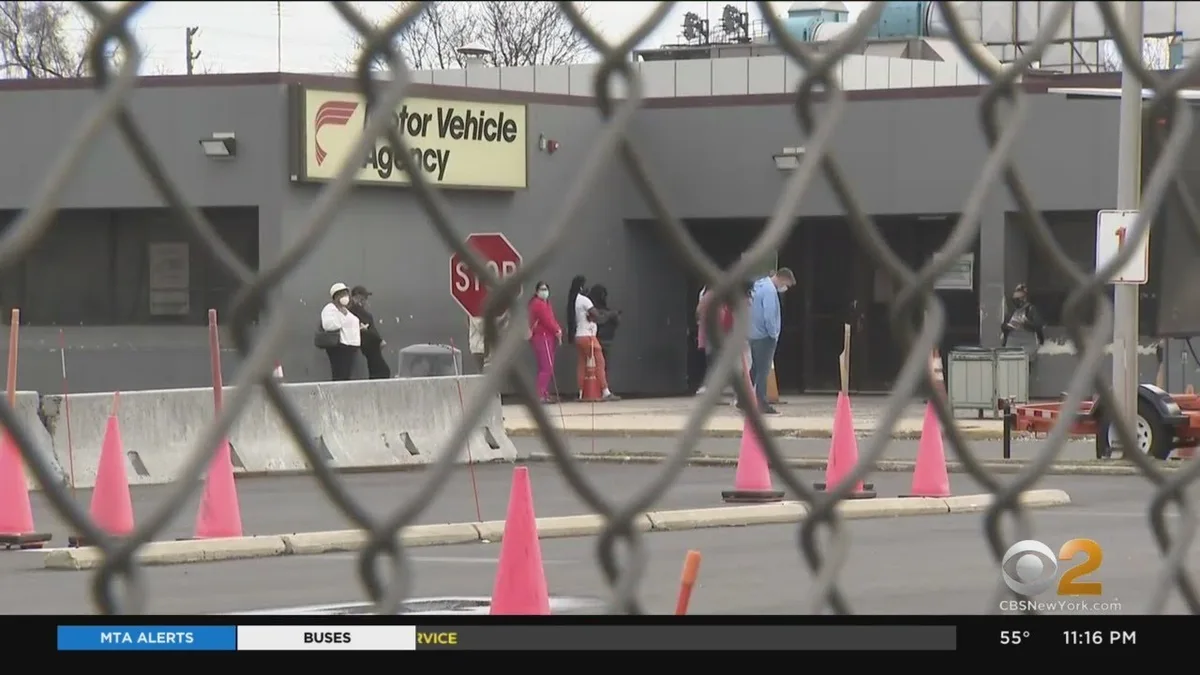
Visiting an agency gives you immediate results. You'll walk out with an updated license the same day. Bring:
- Your current driver's license
- Two proof of address documents
- Payment for any fees
YouTube / CBS New York (YouTube thumbnail (fair-use with source credit))
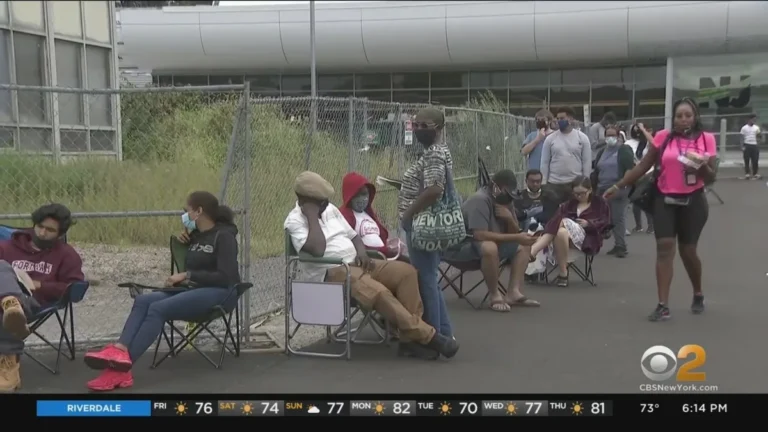
The downside is waiting in line. Popular agencies get crowded, especially on Mondays and Fridays. Making an appointment can save you time.
By Mail (Form BA-208)
Mailing your request works if you're not in a hurry. Fill out Form BA-208 and send it to:
Motor Vehicle Commission
P.O. Box 295
Trenton, NJ 08646
Include two proofs of address and your current license. Processing takes seven to ten business days. You'll receive a confirmation and a new license by mail.
Updating Your Driver's License vs. Vehicle Registration
Here's a common mistake people make. They update one but forget the other. Your driver's license and vehicle registration are separate records, so you need to update both.
When you change your driver's license address, it doesn't automatically update your vehicle registration. The MVC system keeps these records separate, even though they share the same database.
Wikimedia Commons / Famartin (CC BY-SA)
To update your driver's license, use any of the three methods mentioned above. You'll receive a new card with your updated address.

YouTube / Wisdom Workshop (YouTube thumbnail (fair-use with source credit))
For vehicle registration, you can usually do it online or by mail. Bring proof of your new address and your registration card. If you're transferring to a new state, you'll need to handle registration there instead.
The good news is both updates are free. You only pay if you need a duplicate license or registration card.
REAL ID Complications: Why Your Address Must Match
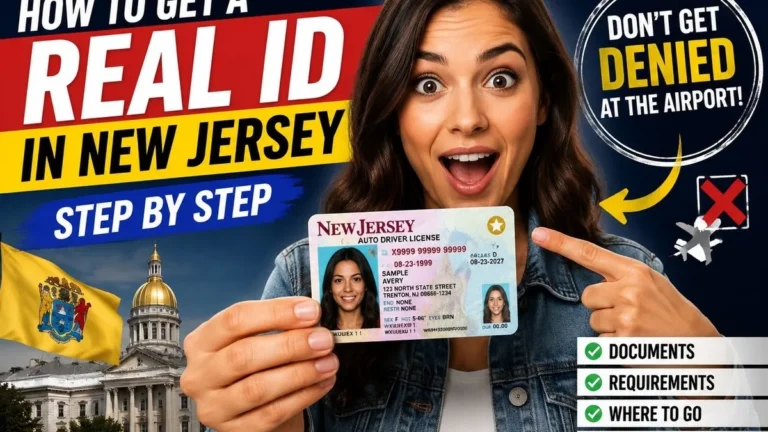
If you're getting a REAL ID, your address needs to match across all your documents. This isn't just a suggestion. It's a requirement for federal identification purposes.
REAL ID cards have a star in the upper corner. They're used for boarding domestic flights and entering federal facilities. The federal government requires consistent information across your identity documents.
YouTube / Ask About Food & Facts (YouTube thumbnail (fair-use with source credit))
If you're applying for a REAL ID, make sure your address matches what's on your Social Security card, birth certificate, and other documents. Mismatched information can delay or derail your application.
Even if you already have a REAL ID, keeping your address updated matters. If you move and don't update, you might not be able to use your card for TSA purposes until you fix the mismatch.
Common Mistakes That Get People Fined
Most people update their address correctly. A few keep making the same mistakes, and those mistakes can cost money.
Forgetting the second update. Many people change their license address but skip the vehicle registration. Make sure you do both.
Waiting too long. The seven-day deadline isn't flexible. Don't put it off until you get a reminder notice.
Using the wrong proof. A screenshot of a bill on your phone might not qualify. Get an official document with your name and address.
Updating the wrong address. Double-check that you're entering your new address correctly. A typo can send your mail to the wrong place.
Assuming USPS forwarding is enough. The post office will forward your mail, but that's not a substitute for updating your MVC records.
If you've already missed the deadline, don't panic. Update as soon as you remember. The MVC won't penalize you for prompt compliance, even if it's late.
Costs, Processing Times, and What to Expect
Good news. Changing your address doesn't cost anything. The MVC doesn't charge a fee for address updates.
You only pay if you order a duplicate license or registration card.
Processing times vary by method. Online updates are immediate. Mail updates take seven to ten business days.
In-person updates happen the same day.
If you request a new card, expect to wait two to three weeks for delivery. The MVC mails cards from Trenton, so most people receive them within that timeframe.
Keep your temporary confirmation if you update online. You can print it and carry it until your new card arrives.
Out-of-State Movers: Special Rules
Moving to New Jersey from another state triggers a different set of requirements. You'll need to update more than just your address.
New residents must:
- Register their vehicle within 60 days
- Obtain a New Jersey driver's license within 60 days
- Update their address on any existing New Jersey records
If you already have a New Jersey license but moved from another state, you still need to update your address within seven days. The out-of-state timer only applies if you're newly establishing residency.
If you're moving to New Jersey temporarily, like for a work assignment, you might not need to change anything. Keep your home state license and registration unless you plan to stay long-term.
Military and Temporary Address Exceptions
Military personnel and students get some flexibility with address requirements. If you're stationed in New Jersey but your permanent address is elsewhere, you might not need to update your license.
However, if you register your vehicle in New Jersey, you'll need a New Jersey address for registration purposes. You can use a temporary address like a base housing or dorm room.
Students living away from home can often keep their parents' address on their license. But if they register a vehicle in New Jersey, they need a local address for that registration.
When in doubt, contact the MVC or visit an agency. They can clarify your specific situation.
Frequently Asked Questions
How long do I have to update my address after moving?
You have exactly seven calendar days from your move date to update your New Jersey address. The clock starts the day you begin living at your new address.
Can I update my address online?
Yes. The NJ MVC website allows online updates for both driver's licenses and vehicle registrations. You'll need your license number, date of birth, and proof of your new address.
Do I need to update both my license and registration?
Yes. Your driver's license and vehicle registration are separate records. Update both to stay compliant with New Jersey law.
What happens if I don't update my address on time?
You can face a fine of up to $25 and a disorderly persons offense on your record. You might also have trouble renewing your license or registration later.
Can I use a PO box as my new address?
Not for your driver's license. You need a physical street address. A PO box might work for vehicle registration in some cases, but check with the MVC.
Final Checklist: Did You Cover Everything?
Before you consider your address update complete, run through this quick checklist.
Check that your driver's license address is current. Update your vehicle registration address separately if needed. Keep copies of your proof of address documents.
If you're getting a REAL ID, verify your address matches all your other identity documents. If you moved from out of state, remember the 60-day window for license and registration updates.
One week might seem tight, but the process is simple. Update now, and you'll avoid headaches later. The MVC makes it easy to stay compliant, you just need to act quickly.
If you're dealing with vehicle documentation in other areas, you might find our guides on trailer registration options or radar detector laws helpful for understanding how different jurisdictions handle these requirements.