North Dakota mandatory liability insurance minimum 25/50/25 coverage limits are the baseline rule every driver in the state has to follow to legally operate a vehicle. If you’ve recently moved to North Dakota, bought your first car, or just renewed your registration, you’ve probably run into these numbers and wondered what they actually cover. You don’t need to be an insurance expert to get this right, but you do need to get the facts straight.
Fumbling these requirements can lead to fines, license trouble, or even financial ruin if you’re in an accident you can’t afford to pay for.
Per the North Dakota Insurance Department, the state’s minimum liability requirement has held steady at 25/50/25 since 2020. There are no scheduled changes to this rule as of 2026. These limits are the absolute legal floor for all registered vehicles in the state.
Let’s start with the plain-language answer you’re looking for, then break down every detail you need to stay compliant and covered.

Quick Answer
North Dakota requires all registered vehicles to carry 25/50/25 minimum liability coverage. This is the absolute legal floor for auto insurance in the state. The $25,000 limit applies per person for bodily injury costs.
The $50,000 limit is the total maximum per accident for bodily injury. The $25,000 property damage limit covers harm to other people’s vehicles or property.
What North Dakota’s 25/50/25 Mandatory Liability Insurance Means
Liability insurance is the only auto coverage North Dakota requires by law. It pays for losses you cause to other people, not your own vehicle or medical bills. The 25/50/25 structure splits coverage into three separate caps for different loss types.
This split design prevents a single large claim from draining the entire policy limit for other types of losses.
Why These Minimum Limits Matter for ND Drivers
These limits exist to protect every driver on North Dakota roads. If you cause a crash, this coverage pays for the other party’s medical bills and property repairs up to the caps. Without it, you face legal penalties and full personal financial responsibility for any damages you cause.
Aggregate data from the North Dakota Insurance Department shows roughly 10% of ND drivers are uninsured, which raises costs for everyone who does carry coverage. Carrying only the minimum also leaves you exposed if a crash causes losses above the 25/50/25 caps.
The 25/50/25 Breakdown: What Each Number Covers
25/50/25 is a split-limit liability structure, not a single combined payout. Each number caps payouts for a specific type of loss from an at-fault crash. The table below breaks down exactly what each part covers.
| Coverage Type | Limit | What It Pays For |
|---|---|---|
| Bodily injury per person | $25,000 | Medical bills, lost wages, and pain and suffering for one injured person |
| Bodily injury per accident | $50,000 | Total maximum payout for all injury-related costs if multiple people are hurt |
| Property damage per accident | $25,000 | Repairs or replacement value for vehicles, buildings, fences, or other property you hit |
This coverage only pays for losses you cause to other people. It does not cover your own medical bills or car repair costs. For example, if you hit a pedestrian with $30,000 in medical bills, your insurer pays $25,000.
You pay the remaining $5,000 yourself. If you crash into two cars, causing $20,000 in damage to each, your property damage limit only covers $25,000 total. You pay the remaining $15,000 out of pocket.
Who Needs This Coverage (And Who Might Need More)
Every driver with a registered vehicle in North Dakota must carry at least 25/50/25 liability coverage. This rule applies to new drivers, out-of-state residents moving to ND, and anyone renewing their annual vehicle registration. There are no exceptions for occasional drivers, low-mileage vehicles, or vehicles stored part of the year.
If your teen driver is listed on your policy, the policy must still meet the 25/50/25 minimum to cover them when they drive. Drivers with significant personal assets should carry higher liability limits. Assets like your home, savings, or investment accounts can be seized to pay crash costs over the minimum caps.
If you have an outstanding auto loan, your lender will require you to add collision and comprehensive coverage on top of the state minimum liability. These extra coverages pay for your own car repairs after a crash, hail damage, or theft.
What Happens If You Drive Without It in North Dakota

Driving without North Dakota’s minimum liability insurance is a misdemeanor in the state. The North Dakota Insurance Department enforces these rules in partnership with the ND Department of Transportation. First-time offenders face a $150 fine plus additional reinstatement fees for your license and registration.
Repeat offenses lead to higher fines, license plate suspension, and even short jail sentences. You will also be required to file an SR-22 form, a certificate of financial responsibility that stays on your record for 3 years. SR-22 filings typically raise your insurance premiums by 30% or more for the full 3-year period.
If you cause an accident while uninsured, you are personally liable for 100% of all damages. This can lead to wage garnishment, bank account levies, or forced sale of your assets to pay victim bills. Even if you borrow a friend’s car, you must confirm it has valid insurance before driving.
North Dakota’s law holds both the driver and the vehicle owner responsible for compliance. If the car isn’t insured, you both face penalties.
Step-by-Step: How to Get Compliant Coverage
Start by getting quotes from insurers licensed in North Dakota. You can use online comparison tools, call local agents, or check with your current provider. Make sure the policy explicitly lists 25/50/25 liability limits or higher.
Once you select a policy, provide accurate information about your vehicle, driving history, and household drivers. Misrepresenting facts can void your coverage when you need it most. After purchasing, you’ll receive a proof of insurance card.
Print it or save a digital copy on your phone.
Next, link your insurance to your vehicle registration. North Dakota requires electronic verification, so your insurer will report your coverage to the state. If you switch insurers, notify the new company immediately to avoid a lapse.
A lapse of even one day can trigger penalties.
Finally, keep your proof of insurance in your vehicle at all times. You must show it if a law enforcement officer requests it during a traffic stop. You’ll also need it when registering or renewing your vehicle’s plates.
Is 25/50/25 Enough? When to Consider Higher Limits
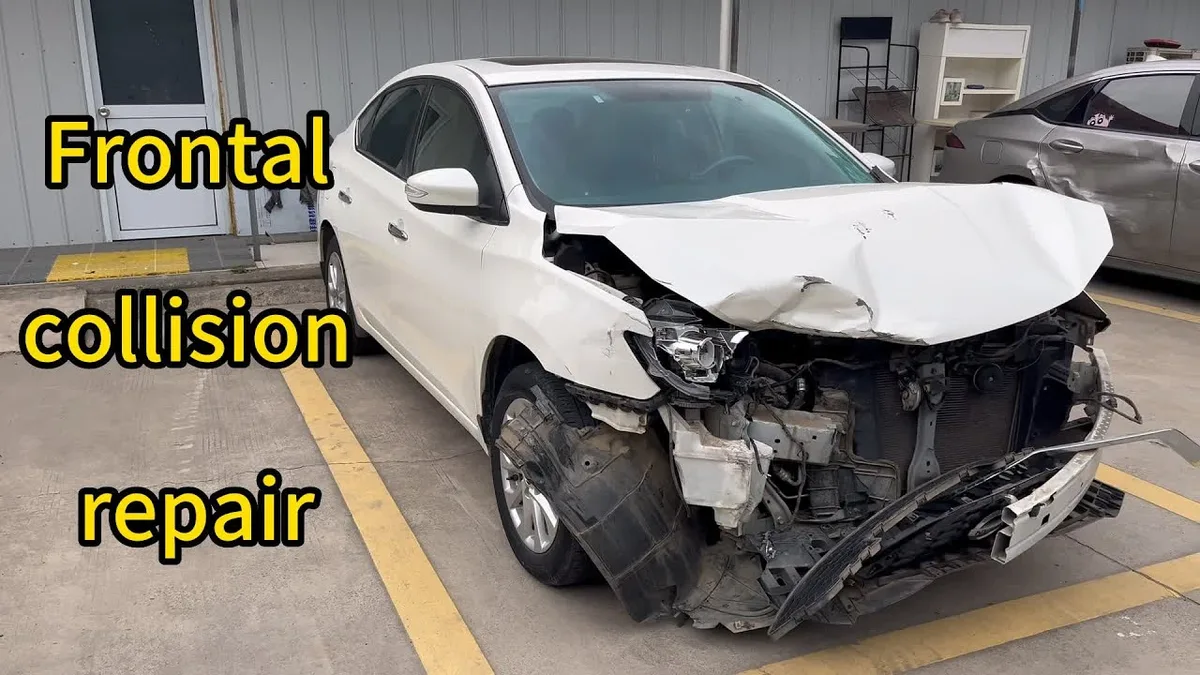
The 25/50/25 minimum satisfies North Dakota law, but it rarely covers the full cost of a serious crash. A single major injury can generate medical bills exceeding $100,000. The $25,000 per-person bodily injury cap leaves you on the hook for the rest.
Property damage limits are just as tight. Hitting a new mid-size SUV can cost $35,000 or more to repair. Crashing into a storefront or utility pole can run well over $25,000.
You pay every dollar above your policy’s limit out of pocket.
If you own a home, have savings, or hold other valuable assets, higher limits protect them from lawsuits. A verdict above your coverage limits can lead to wage garnishment or liens on your property. Most financial advisors recommend at least 50/100/50 liability for average drivers.
Higher limits cost far less than you might expect. Upgrading from 25/50/25 to 100/300/100 often adds only $10 to $30 per month to your premium. That small extra cost can save you from financial ruin after a bad crash.
Don’t skip uninsured or underinsured motorist coverage, either. This optional add-on pays for your injuries and damage if a driver with no insurance hits you. North Dakota requires insurers to offer this coverage, but you can reject it in writing.
We recommend keeping it.
Common Mistakes That Lead to Penalties (And How to Avoid Them)
Many drivers make simple errors that lead to fines, lapses, or denied claims. Avoiding these mistakes keeps you compliant and protected.
The most common error is letting your policy lapse. Even a one-day gap in coverage triggers penalties in North Dakota. Set up automatic payments to avoid missed due dates.
Notify your insurer immediately if you switch bank accounts or payment methods.
Another mistake is failing to update your policy after a move or vehicle change. North Dakota requires you to list the correct garaging address on your policy. If you buy a new car, add it to your policy before you drive it off the lot.
Outdated information can lead to denied claims or citations.
Some drivers confuse liability-only coverage with full coverage. Liability pays for damage you cause to others. It does not pay for your own car repairs after a crash, hail, or theft.
If you finance or lease your vehicle, your lender will require full coverage.
Finally, don’t assume your out-of-state policy meets ND requirements. Some states have lower minimums than North Dakota. If you move to ND, update your policy within 30 days to comply with state law.
Costs: What Minimum Liability Typically Runs in ND
Insurance costs in North Dakota vary by driver profile, location, and insurer. Minimum liability coverage is the cheapest option, but it leaves you exposed to high out-of-pocket costs after a crash. Full coverage adds collision and comprehensive protection for your own vehicle.
As of 2026, average annual premiums for minimum 25/50/25 liability in North Dakota fall into these ranges:
| Driver Profile | Average Annual Minimum Liability Cost | Average Annual Full Coverage Cost |
|---|---|---|
| 40-year-old with clean record (rural ND) | $420–$680 | $1,100–$1,500 |
| 40-year-old with clean record (urban ND) | $580–$920 | $1,400–$1,800 |
| 22-year-old driver (clean record) | $780–$1,200 | $1,800–$2,400 |
| Driver with one at-fault accident on record | $950–$1,600 | $2,100–$2,900 |
Several factors impact your premium. Younger drivers pay far higher rates due to lack of experience. Urban areas have higher rates because of increased traffic and theft risk.
Insurers in North Dakota can use credit-based insurance scores to set rates, though state law limits how much weight they carry.
You can lower your costs with discounts. Safe driver discounts, multi-policy bundles, and good student discounts all reduce premiums. Ask your insurer for a full list of available discounts when you request a quote.
Proof of Insurance: What You Must Carry and When

North Dakota law requires you to carry proof of insurance in your vehicle at all times. You can show a physical paper card or a digital copy saved to your phone. The proof must list your name, policy number, vehicle details, and the 25/50/25 (or higher) liability limits.
You must present this proof if a law enforcement officer asks during a traffic stop. You’ll also need it when registering a new vehicle, renewing your plates, or after an accident. If you can’t provide valid proof, you can receive a citation even if you have active coverage.
Keep your proof updated. If you renew your policy or switch insurers, get a new card right away. An expired or outdated card counts as no proof in the eyes of law enforcement.
Store the card in your glove compartment, not your trunk, so you can access it quickly if needed.
ND-Specific Rules You Might Not Know
North Dakota has lesser-known insurance rules that catch drivers off guard. New residents have 30 days to switch to a North Dakota-compliant policy after moving to the state. Your out-of-state policy must meet the 25/50/25 minimum to qualify.
North Dakota uses an electronic insurance verification system. Insurers report active policies and lapses directly to the state. You don’t need to submit manual proof when renewing registration if your policy is current.
Self-insurance is only available for fleet owners with 25 or more vehicles. Individual drivers cannot post a bond or cash deposit in place of liability insurance. If your license is suspended for a non-insurance violation, you cannot register a new vehicle until your driving privileges are restored.
Frequently Asked Questions
Is 25/50/25 the only auto insurance requirement in North Dakota?
No, 25/50/25 is the minimum liability requirement. Lenders often require full coverage, which includes collision and comprehensive, if you finance or lease your vehicle.
What happens if I get pulled over without proof of insurance in North Dakota?
You can receive a citation even if you have active coverage. The fine starts at $150, and you may have to appear in court to provide proof of insurance to have the ticket dismissed.
Can I drive a rental car with just my North Dakota minimum liability coverage?
Most rental companies require you to purchase their additional coverage. Your personal liability policy may cover rental cars, but check with your insurer before you rent to confirm your limits apply.
Does North Dakota require uninsured motorist coverage?
No, uninsured and underinsured motorist coverage is optional in North Dakota. Insurers must offer it, but you can reject it in writing. We recommend keeping this coverage for extra protection.
How long does an SR-22 stay on my record in North Dakota?
An SR-22 requirement stays on your record for 3 years from the date you file it. You must maintain continuous insurance for the full 3-year period, or the requirement resets.
Can I get a North Dakota insurance quote online?
Yes, most major insurers offer online quotes for North Dakota drivers. You can also work with a local independent agent to compare rates from multiple companies.
Final Takeaway: Stay Legal and Protected
North Dakota’s 25/50/25 minimum liability requirement is non-negotiable for every registered driver. It keeps you legal, protects other road users, and shields you from massive out-of-pocket costs after an at-fault crash. If you only carry the minimum, review your limits annually.
Higher coverage costs very little extra each month. That small premium increase can save you from financial ruin after a serious accident.