North Dakota’s move over law for emergency vehicles on roadside exists to protect first responders and roadside workers from preventable accidents. Every year, drivers fail to slow down or change lanes when passing parked emergency vehicles, leading to injuries and fatalities. The law is clear, but many drivers still don’t know the exact requirements.
As of 2026, North Dakota Century Code § 39-10-05.1 mandates specific actions when approaching these vehicles. Understanding the rules can mean the difference between safety and a costly violation.
Quick Answer
North Dakota’s move over law for emergency vehicles on roadside requires you to change lanes if safe. If you can’t, slow down to at least 20 mph below the posted speed limit. This applies to police, fire, EMS, tow trucks, and highway maintenance vehicles with flashing lights.
Violations can result in fines and points on your license.

Why This Law Exists and Who It Protects
This law saves lives. Emergency responders and roadside workers are at constant risk when parked on highways. Between 2015 and 2024, over 200 law enforcement officers were struck and killed by vehicles nationwide, according to the National Law Enforcement Officers Memorial Fund.
The rule covers any vehicle with flashing red, blue, or amber lights performing official duties. That includes police cars, fire trucks, ambulances, tow trucks, and highway patrol vehicles. The goal is simple: give these workers a buffer zone from passing traffic.
The Exact Rules: When and How to Move Over
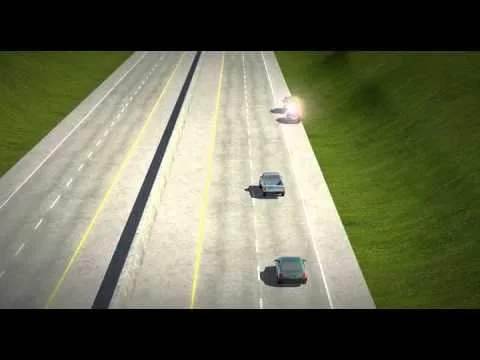
When you see a stationary emergency vehicle with flashing lights, you must move over to a non-adjacent lane if possible. If traffic or road conditions prevent a lane change, you must slow down.
The law applies on all roads, not just highways. It doesn’t matter if the emergency vehicle is on the shoulder, in a lane, or partially blocking traffic. The requirement kicks in as soon as you can safely see the vehicle and its lights.
Key points to remember:
- You must move over if there’s an open lane available
- If you can’t move over, reduce your speed by at least 20 mph below the posted limit
- The rule applies to both directions of traffic on divided highways
What Counts as an Emergency or Roadside Vehicle
Not all vehicles with flashing lights qualify. North Dakota’s law specifically covers:
- Police vehicles
- Fire trucks and rescue vehicles
- Ambulances
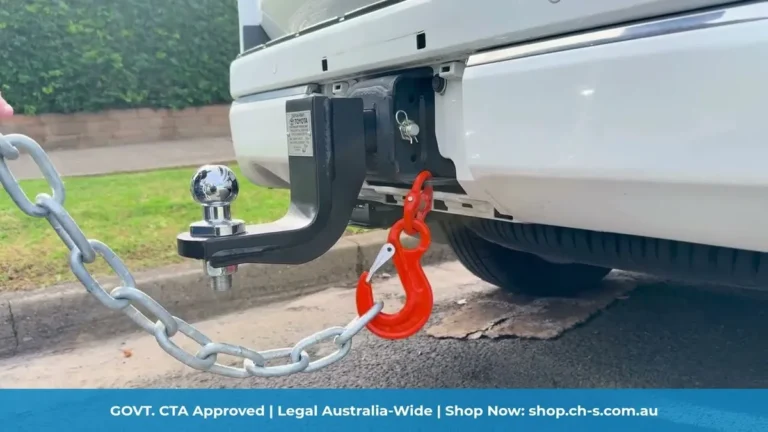
- Tow trucks providing roadside assistance
- Highway maintenance vehicles
- Other authorized emergency vehicles
The vehicle must be stationary and displaying flashing lights. Private vehicles with emergency lights don’t count unless they’re officially authorized. When in doubt, treat any vehicle with flashing lights on the roadside as covered by the law.
Speed Limits and Safe Distances You Must Follow
If you can’t change lanes, slowing down is mandatory. North Dakota requires a speed reduction of at least 20 mph below the posted limit when passing emergency vehicles.
For example:
- On a 70 mph highway, you must slow to 50 mph or less
- On a 55 mph road, you must go 35 mph or less
- In a 30 mph zone, you must go 10 mph or less
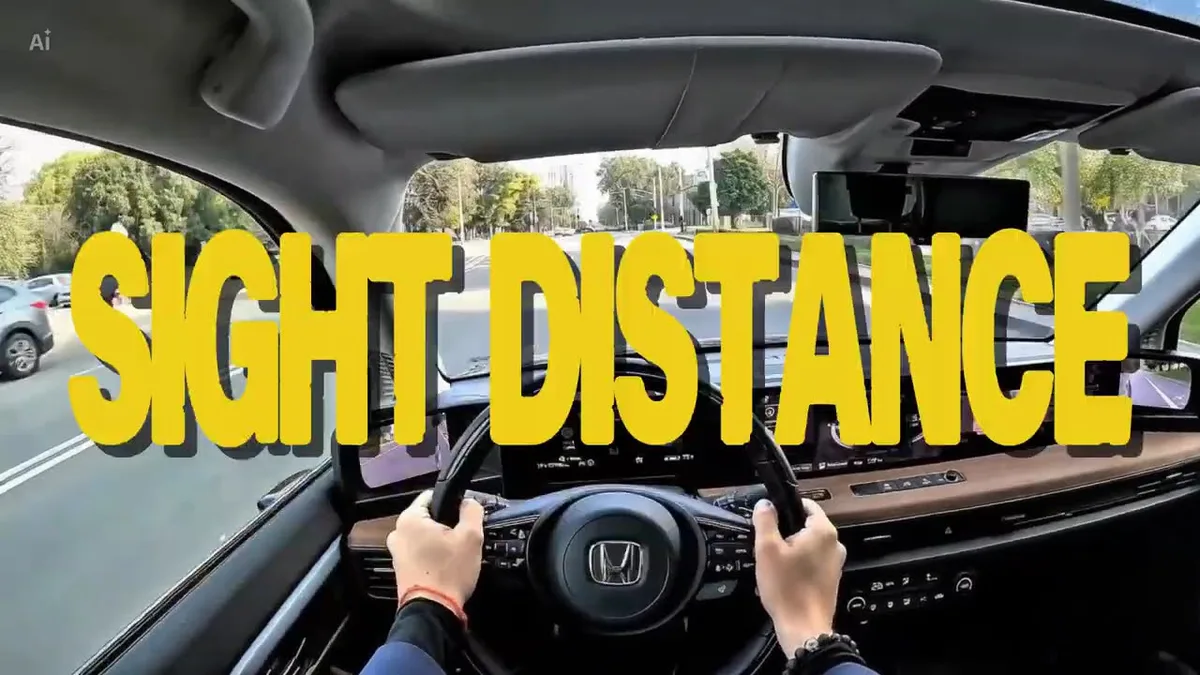
Maintain a safe distance from the emergency vehicle. The law doesn’t specify an exact distance, but you should leave enough space to avoid hitting the vehicle or its occupants. A good rule of thumb is to leave at least one car length for every 10 mph of your speed.
This buffer gives workers time to react if you lose control. On multi-lane roads, the safest move is always to change lanes completely. If you’re in the lane next to the emergency vehicle, move over as soon as it’s safe to do so.
Common Mistakes Drivers Make (And How to Avoid Them)
Many drivers assume the law only applies to police cars. That’s not true. Tow trucks and highway maintenance vehicles are just as protected.
Other common errors include:
- Only slowing down slightly instead of the required 20 mph reduction
- Changing lanes too close to the emergency vehicle
- Distracted driving that causes late reactions
- Assuming the law doesn’t apply in work zones
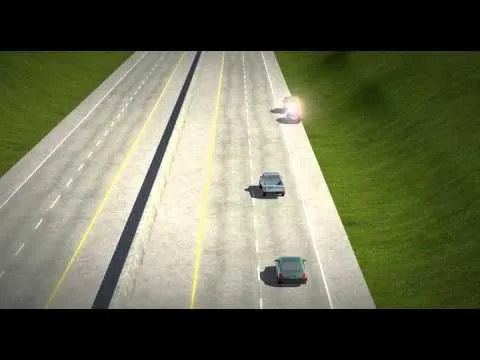
The best practice is to start slowing down and checking for open lanes as soon as you see flashing lights ahead. Don’t wait until you’re right next to the vehicle to react. Early action gives you more options and keeps everyone safer.
North Dakota vs. Other States: How the Law Compares
North Dakota’s move over law aligns with most states, but key differences exist. Minnesota and South Dakota also require lane changes or speed reductions, but their speed reduction requirements vary.
Minnesota mandates slowing to a safe speed for existing conditions, which is more subjective than North Dakota’s fixed 20 mph rule. South Dakota requires a 20 mph reduction, matching North Dakota’s standard. Wisconsin requires moving over or slowing to 20 mph below the limit regardless of posted speed.
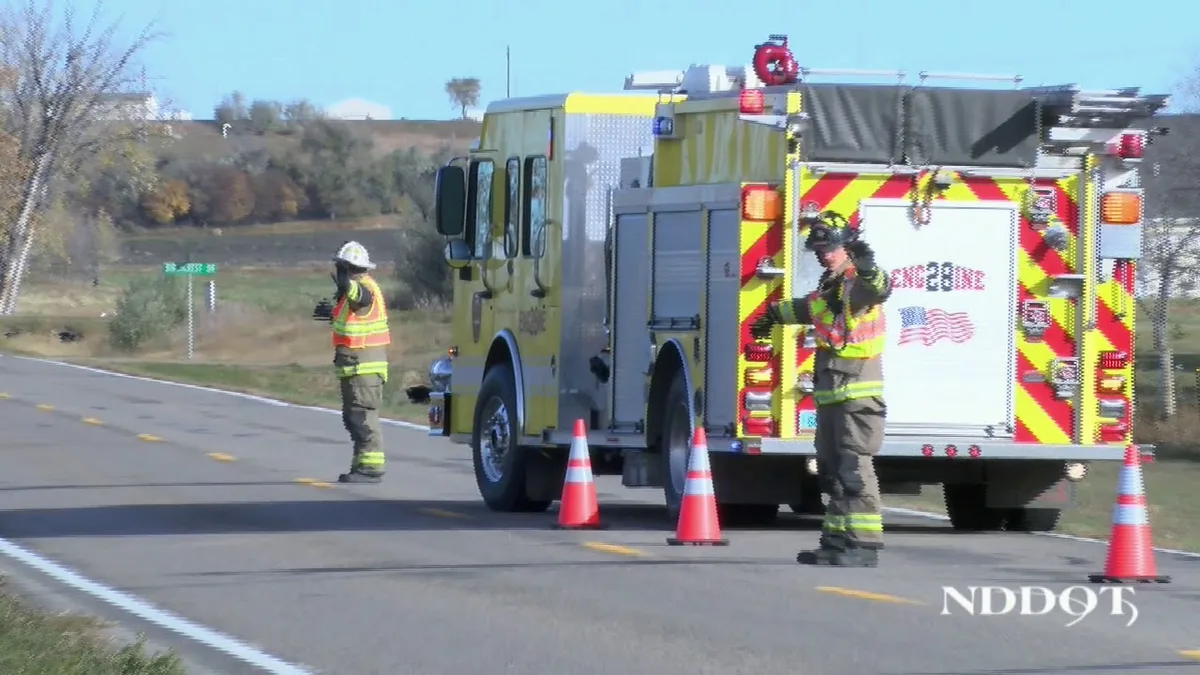
If you frequently drive across state lines, check the specific laws for each state. The North Dakota Department of Transportation provides updates on traffic safety regulations. When in doubt, the safest approach is to move over if possible and always slow down.
What Happens If You Don’t Move Over or Slow Down
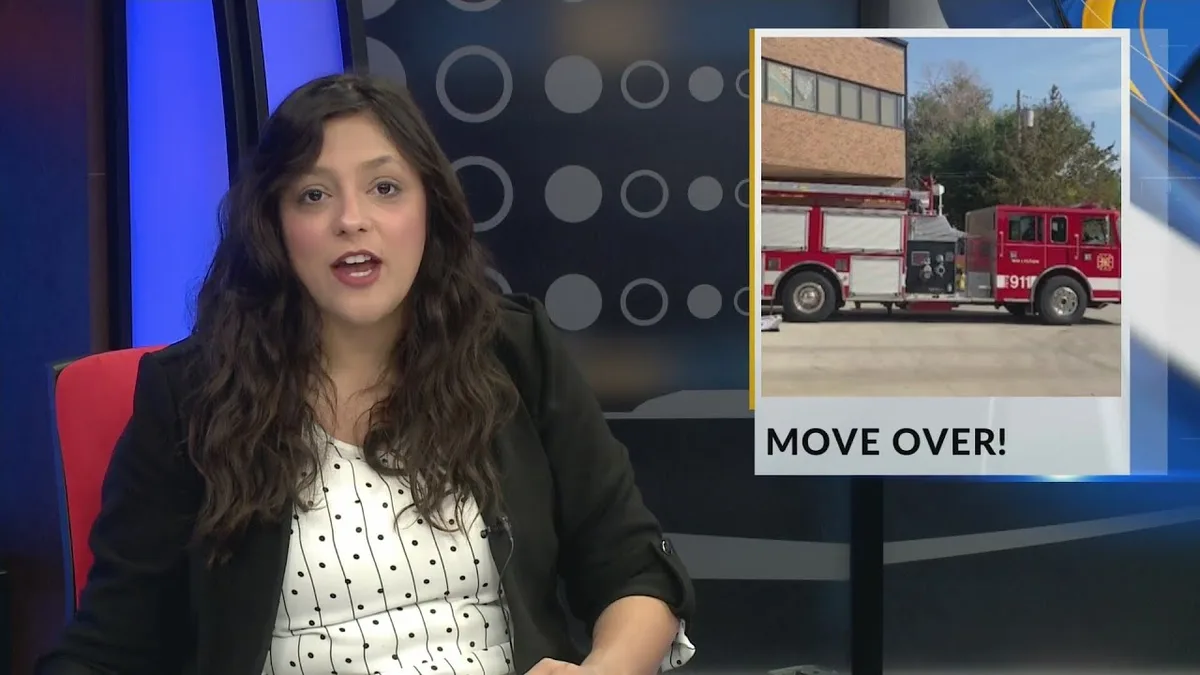
Non-compliance carries real penalties. A first violation under North Dakota Century Code § 39-10-05.1 results in a $100 fine plus court costs as of 2026. You’ll also get 2 points added to your driving record.
Repeat offenses raise the fine to up to $500. Insurance providers often add surcharges for these violations, raising your premiums for years. If your failure to move over causes injury or death, you face criminal misdemeanor or felony charges.
You could also be held liable in civil court for damages.
Where to Find the Official Law and Updates
State traffic laws can change, so it’s smart to check official sources for the latest rules. The full text of the North Dakota move over law is published in the North Dakota Century Code under § 39-10-05.1.
The North Dakota Department of Transportation posts safety reminders and updates on its website. The North Dakota Highway Patrol also shares enforcement guidance and real-world crash data related to move over violations. Check these sources if you need to confirm current requirements or penalties.
Frequently Asked Questions
Does the North Dakota move over law apply to two-lane roads?
Yes, the law applies to all public roads, not just divided highways. If you’re on a two-lane road and can’t change lanes, you must slow to at least 20 mph below the posted limit. You must also leave as much space as possible between your vehicle and the roadside worker.
What vehicles are covered under North Dakota’s move over law?
Covered vehicles include police cars, fire trucks, ambulances, tow trucks, and highway maintenance vehicles. The vehicle must be stationary with flashing red, blue, or amber lights active. Only officially authorized emergency or roadside service vehicles qualify.
What is the fine for violating North Dakota’s move over law?
First-time offenders face a $100 fine plus court costs as of 2026. Repeat violations can carry fines up to $500. You’ll also receive 2 points on your driver’s license, and insurance companies often add surcharges that raise your premiums for multiple years.
Can I get criminal charges for hitting a roadside worker under the move over law?
Yes. If your failure to comply causes injury or death, you can face misdemeanor or felony criminal charges. You may also be sued in civil court for medical bills, lost wages, and other damages related to the crash.
Are there exceptions to North Dakota’s move over law?
The only valid exception is if moving over would cause an immediate crash or is physically impossible due to road conditions. Even then, you must still slow to the required speed reduction. Heavy traffic or bad weather do not count as valid excuses for non-compliance.
What North Dakota’s Move Over Law Actually Requires
North Dakota first enacted its move over law in 2003, with updates expanding coverage for roadside workers. The core statute, North Dakota Century Code § 39-10-05.1, applies to any driver approaching a stationary authorized vehicle with flashing lights.
The law requires two distinct actions depending on road conditions. If a non-adjacent lane is available and safe to enter, you must change lanes. If lane changes are impossible, you must slow to at least 20 mph below the posted speed limit.
Enforcement is handled by the North Dakota Highway Patrol and local police departments. Officers can issue citations on the spot if they witness non-compliance. The law applies to all drivers, including out-of-state motorists passing through North Dakota.
Real-Life Scenarios: How to React in Different Situations
Scenario 1: You’re driving 70 mph on I-94 west of Fargo and see a North Dakota Highway Patrol car parked on the right shoulder with flashing lights. A non-adjacent left lane is open. Signal, check your mirror, and move over to the left lane as early as possible.
Scenario 2: You’re on a two-lane US-2 stretch near Grand Forks with a tow truck stopped on the shoulder, hazard lights flashing. There is no open lane to move into. Slow to at least 50 mph, which is 20 mph below the 70 mph posted limit.
Scenario 3: You’re driving through a work zone on I-29 near Bismarck with a highway maintenance truck stopped partially in the right lane. Move over to the left lane if it’s clear. If traffic is too heavy to change lanes, slow to the required 20 mph below the limit even if the posted work zone speed is already lower.
Expert Tips for Safe Driving Around Roadside Emergency Scenes
Scan the road ahead continuously for flashing lights, not just when you’re close to a vehicle. Early detection gives you more time to plan a lane change or speed reduction. Use your turn signal at least 3 seconds before changing lanes to alert other drivers.
Avoid sudden braking or sharp steering moves near emergency vehicles. Abrupt actions can cause rear-end collisions or make you lose control on icy roads. If you’re in the far right lane and can’t move over, reduce your speed gradually instead of slamming on your brakes.
Keep your focus on the road and avoid distractions like phone use when approaching emergency scenes. Distracted driving is a factor in nearly 30% of move over law violations.