The thing that trips up most people is the word "fee." In North Dakota, you're actually paying a few separate charges rolled into one transaction. And the biggest one, the registration tax, is calculated on the vehicle's original MSRP, not what you paid for it.
The North Dakota vehicle registration fee based on vehicle age and type follows a clear, published schedule. Once you know your vehicle's age, its type, and its original manufacturer's price, you can calculate the exact cost before you walk into the county office. As of 2026, the state uses a sliding percentage that drops as your vehicle gets older, plus a flat base fee.
This guide walks you through that calculation with real numbers and the exact steps to avoid overpaying.
Quick Answer
North Dakota registration combines three costs: a one-time title fee, an annual base registration fee, and a registration tax. The tax is based on the vehicle's original MSRP and age. New vehicles pay 5%, then the rate drops to 4%, 3%, 2%, and finally 1% after four years.
Trucks follow separate weight-based schedules.
What You're Actually Paying For
Let's break down what the county collects. There are three distinct charges, plus a small local fee.
The one-time title fee. This is what you pay to get the title in your name. It's a flat fee, and you only pay it once when you register a vehicle for the first time in the state.
The annual registration fee. This is the base fee that shows up every year when you renew your tabs. It's fixed for your vehicle type, regardless of age or price. For a standard passenger vehicle in North Dakota, the base is currently $74.
The registration tax. This is the big one. It's essentially a replacement for sales tax on the vehicle. But unlike a sales tax based on what you paid, North Dakota computes it on the original manufacturer's suggested retail price, or MSRP.
That catches people off guard.
The county fee. Each county can add a small local fee to cover its own motor vehicle office costs. It varies by county and is usually under $10.
So when you hear "registration fee," you're really hearing about four separate numbers added together. Get that straight, and the rest is simple.
How North Dakota Computes Registration Fees by Vehicle Age
Now, the sliding scale. North Dakota uses a simple age-based percentage for passenger vehicles.
The age is measured from the vehicle's model year. A 2026 vehicle is considered new. A 2025 is one year old, and so on.
The percentage applies to the taxable value, which is the original MSRP for that year.
Here's the actual chart from the North Dakota Department of Transportation:
| Vehicle Age | Registration Tax Rate |
|---|---|
| New (current model year) | 5% of original MSRP |
| 1 year old | 4% of original MSRP |
| 2 years old | 3% of original MSRP |
| 3 years old | 2% of original MSRP |
| 4 years old or older | 1% of original MSRP |
A new $40,000 car costs $2,000 in registration tax. The same car four years later costs $400 during the first year those rates is applied. That's a steep drop and makes older used vehicles much cheaper to register.
One important detail: this is the taxable value, not the purchase price. If you buy a 2022 model in 2026, you pay tax based on its original MSRP from 2022. That number doesn't change.
Aggregate buyer conversations often miss this, so don't skip it.
Why Vehicle Type Changes the Numbers
Passenger cars aren't the only thing on the road. Trucks, motorcycles, RVs, and farm vehicles all follow different rules. The main reason is weight.
Passenger vehicles include sedans, SUVs, and crossovers with a gross vehicle weight rating, or GVWR, under 10,000 pounds. They use the MSRP-based percentage table above.
Pickup trucks and larger vehicles also use the MSRP table for the tax portion, but their base registration fee goes up based on GVWR. A 3/4-ton truck with a GVWR over 8,000 pounds pays a higher annual base fee than a half-ton truck. Then the registration tax is added on top.
Motorcycles pay a flat annual registration fee. The amount depends on engine size and model age, but it's not based on MSRP. Most riders pay between $30 and $100 per year.
Motor homes and RVs are classified separately and use a fee schedule tied to GVWR. These are often flat fees rather than percentage-based.
Farm and collector vehicles are the outliers. A vehicle with farm plates pays a reduced flat fee, but you must meet eligibility requirements about how the vehicle is used. Collector or antique vehicles also pay a low flat fee, but they come with driving restrictions.
Here's a quick comparison table:
| Vehicle type | Base registration fee | Tax basis |
|---|---|---|
| Passenger car / SUV | $74 | Original MSRP percentage |
| Pickup truck (under 8,000 GVWR) | $74 | Original MSRP percentage |
| Pickup truck (8,001+ GVWR) | $100+ | Original MSRP percentage |
| Motorcycle | $30–$100 flat | None |
| Motor home | $100–$300 flat | None |
| Farm / collector | Reduced flat fee | None |

The Real Cost Breakdown: What You'll Pay at the County Office
Let's make this concrete. The total at the counter includes the title fee, the base fee, and the county fee.
Here's what a realistic trip to a county motor vehicle office looks like for three different vehicles.
| Cost component | New 2026 Truck (MSRP $50,000) | 3-Year-Old SUV (MSRP $35,000) | 10-Year-Old Car (MSRP $22,000) |
|---|---|---|---|
| Registration tax | $2,500 (5%) | $700 (2%) | $220 (1%) |
| Base registration fee | $74 | $74 | $74 |
| Title fee (one-time) | $80 | $80 | $80 |
| County fee (estimated) | $5 | $5 | $5 |
| First-year total | $2,659 | $859 | $379 |
The new truck hits you with nearly $2,700 on day one. A 3-year-old SUV is more reasonable, and an older car costs under $400 to register.
The title fee is only paid once. On renewal, you drop that $80. So your yearly cost for the new truck becomes $2,579 for the first couple years, then drops as the rate falls.
For leased or financed vehicles, the registration tax is often rolled into the loan or lease. That doesn't mean you avoid it. It just means the finance company pays the county and adds it to your contract.
Many buyers don't realize this.
Keep in mind that private-party used car purchases don't reset the age. A 2018 car is still 8 years old in 2026. It gets the lowest 1% rate right away.
That's a genuine good deal for budget buyers.
Step-by-Step: How to Register Without Any Surprises
Here's the complete process from paperwork to plate.
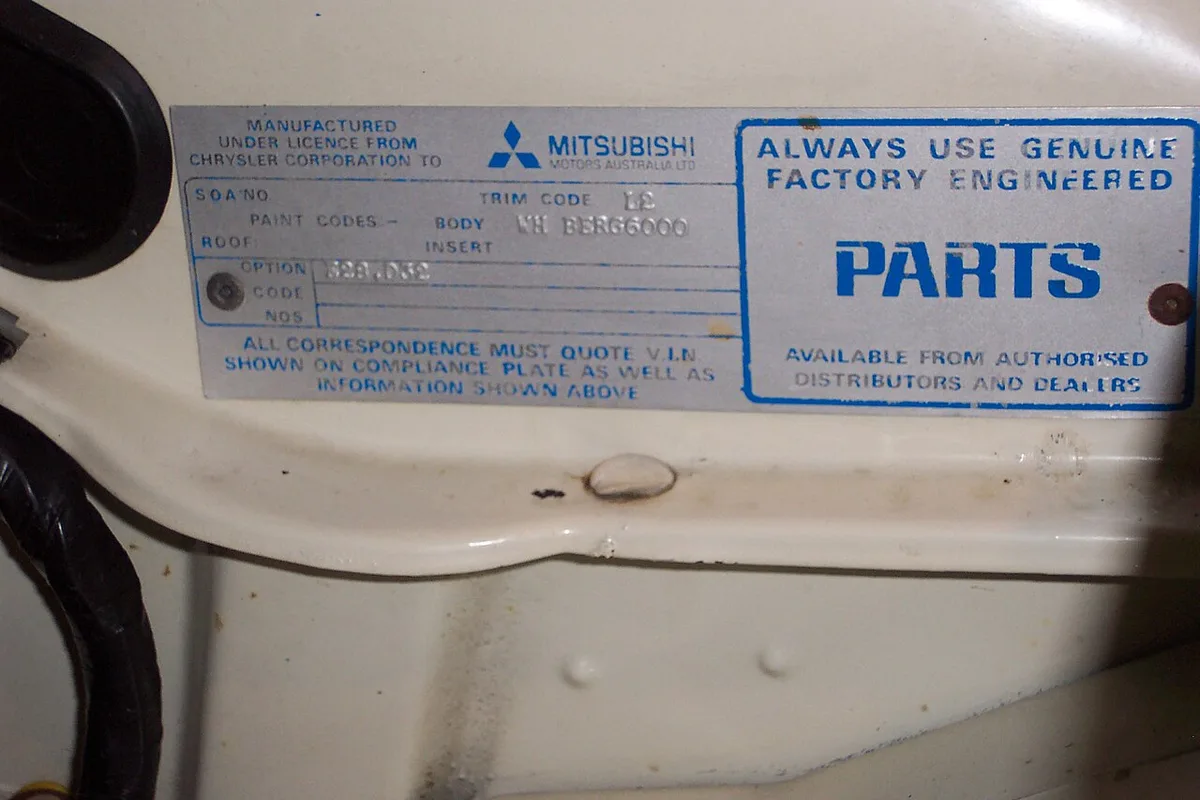
Step 1: Determine your vehicle type and age. Look at the model year on your title or purchase agreement. Find the GVWR on the driver's side doorjamb sticker. That tells you if you're in the passenger class or the truck class.
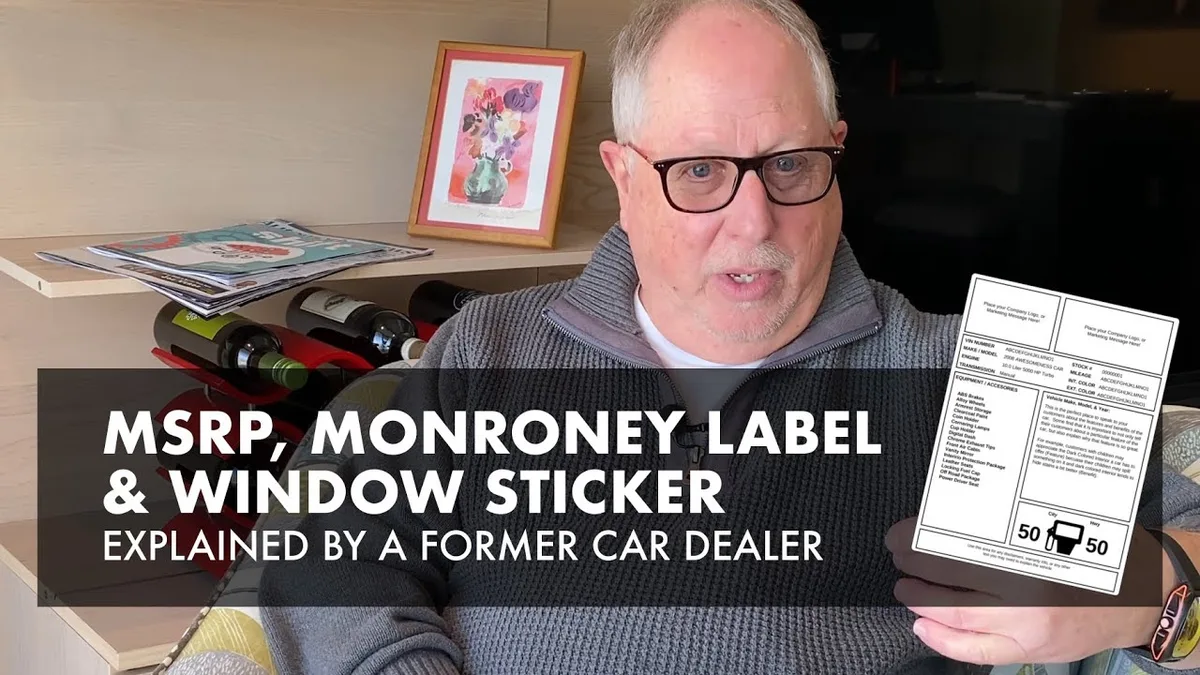
Step 2: Look up the original MSRP. For a new car, it's on the window sticker. For a used car, the NDDOT uses its own reference values. Your county office can look it up for you, or you can check with the dealer.
Step 3: Calculate the registration tax. Multiply the MSRP by the percentage for your vehicle's age. A new vehicle is 5%. A 2023 model is 2%.
Anything 2022 or older is 1%.
Step 4: Gather your paperwork. You'll need the title or Manufacturer's Certificate of Origin, a completed application for title and registration, proof of insurance, and your ID. If you bought from a dealer, they'll give you the packet.
Step 5: Visit your county motor vehicle office. North Dakota doesn't process first-time titles entirely online. You'll go in person. The clerk will verify the MSRP, apply the rate, add the base fee, and collect the county fee.
Step 6: Know your renewal month. Your registration expires on your birthday. Not the end of the year, not the month you bought the car. Mark it down, because renewing late carries a penalty.
Step 7: Renew online for following years. After the first registration, you can renew without a visit. The state sends a notice, and you pay the base fee plus the year's tax. That's usually well under one-tenth of the first-year bill.
The whole process takes about 30 minutes. Just bring the paperwork, be clear on the model year, and you'll be out ahead with a new set of plates.