Black Friday deals are live on Amazon · limited-time discounts, grab them before they’re gone
Grab the deals

ByMax Lee
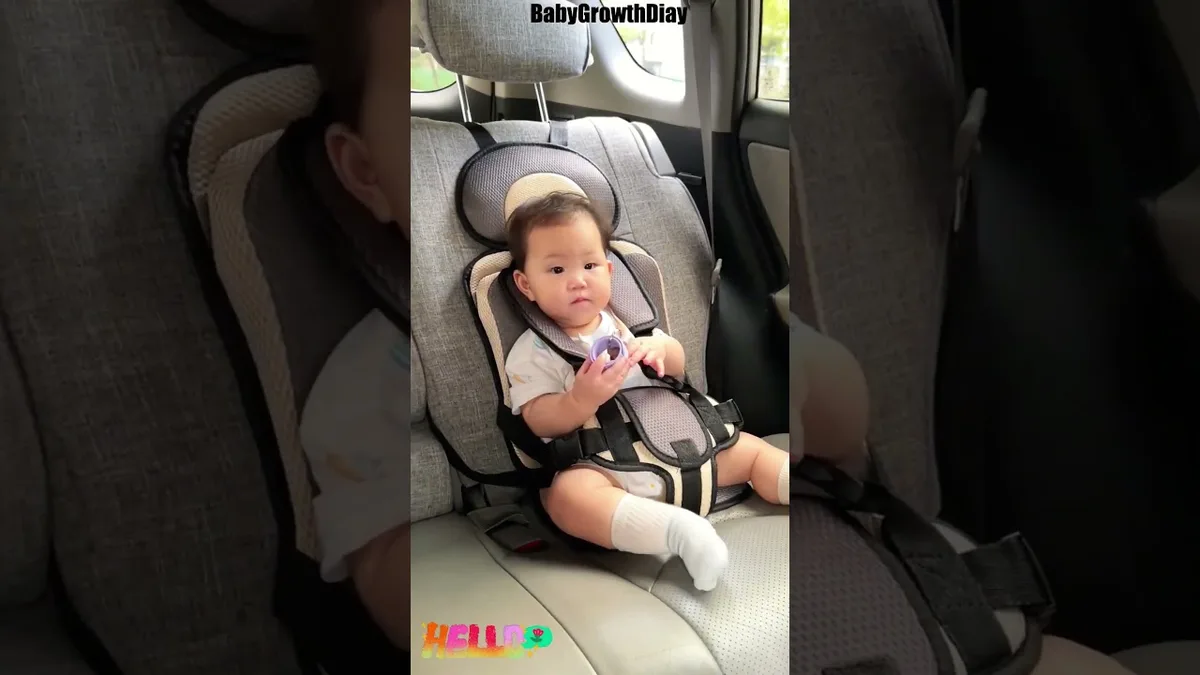
NY Child Car Seat Laws: Requirements for Ages 8 & Under
New York child restraint law and car seat requirements for ages 8 and under can feel overwhelming, but the rules are straightforward once broken down. The state sets clear standards based on age, height, and weight, not guesswork. Get it wrong, and you risk fines or, worse, compromising your child’s safety.
Per New York Vehicle & Traffic Law § 1229-c, kids under 8 must use an appropriate child restraint system unless they meet specific height or weight exemptions. The exact requirements depend on your child’s measurements, not just their age.
Quick Answer
New York requires rear-facing seats for kids under 2. Forward-facing seats with a 5-point harness are mandatory for ages 2 to 4. Kids under 8 or under 4’9” must use a booster seat.
Fines for violations can reach $100 plus court fees.
Who This Law Covers (and Common Exemptions)
This law applies to all passenger vehicles in New York, including personal cars, ride-shares, and taxis. Exemptions exist for children over 8 years old or those who’ve reached 4’9” in height or 100 pounds in weight.
School buses are a special case. New York doesn’t require seat belts on school buses, so the child restraint law doesn’t apply. If a bus has seat belts, kids under 8 must use an appropriate restraint.
Decision Tree: Pick the Exact Right Restraint for Your Child

Start with age, then verify height and weight. Kids under 2 must be in a rear-facing seat. Ages 2 to 4 require a forward-facing seat with a 5-point harness.
From 4 to 8, a booster seat is mandatory unless the child is 4’9” or 100 pounds.
Height and weight can override age. A 7-year-old who’s 4’10” can use a seat belt alone. A 5-year-old who’s 3’8” still needs a booster.
Always follow the seat manufacturer’s limits, which may be stricter than the law.
Age-Based Restraint Requirements (NY Legal Minimums)
| Age | Restraint Type | Key Rule |
|---|---|---|
| Under 2 | Rear-facing | Mandatory, no exceptions |
| 2–4 | Forward-facing | 5-point harness required |
| 4–8 | Booster seat | Required if under 4’9” or 100 lbs |
Height and Weight Override Rules
If your child is under 8 but meets the height (4’9”) or weight (100 lbs) threshold, they can use a regular seat belt. However, the AAP recommends keeping kids in boosters until they pass the 5-step seat belt fit test.
How to Install Each Restraint Type Correctly (Step-by-Step)

Rear-Facing Seats
Place the seat in the back, facing backward. Secure it with the LATCH system or seat belt. The harness straps should be at or below your child’s shoulders, and the chest clip should sit at armpit level.
Recline the seat to 30, 45 degrees to support the head.
Forward-Facing Seats
Anchor the seat with the LATCH system or seat belt. Always use the top tether for stability. The harness straps should be at or above your child’s shoulders.
Tighten the seat so it doesn’t move more than 1 inch side-to-side.
Booster Seats
Position the booster in the back seat. The lap belt should lie low on the hips, not the stomach. The shoulder belt should cross the chest, not the neck.
If using a high-back booster, ensure the headrest supports the child’s head.
Common Mistakes That Lead to Fines or Increased Crash Risk

A loose installation is the most common error. If the seat moves more than 1 inch when pulled at the belt path, it’s not tight enough. Use your full body weight to press the seat into the vehicle while tightening the belt or LATCH strap.
Harness straps are often too loose. You shouldn’t be able to pinch any excess strap at the shoulder. The chest clip is frequently placed too low, it belongs at armpit level, not on the belly.
Transitioning too soon is another risk. Moving a child from rear-facing to forward-facing before age 2, or from a harness to a booster before they’re ready, increases injury risk. Always max out the height and weight limits of each seat before moving up.
Special NY-Only Scenarios That Change the Rules

Taxis and ride-shares in New York City are exempt from the standard child restraint law. Drivers aren’t required to provide car seats, but parents are still responsible for securing their children properly. If traveling with a child under 8, bring your own seat.
School buses present another exception. New York doesn’t mandate seat belts on school buses, so the child restraint law doesn’t apply. If a bus has seat belts, kids under 8 must use an appropriate restraint system.
Rental cars must comply with the same rules as personal vehicles. Request a car seat in advance or bring your own. Some rental companies offer seats for a fee, but availability isn’t guaranteed.
NY Legal Minimums vs. AAP Safety Best Practices: What’s Actually Safest

New York’s law sets the minimum, but the American Academy of Pediatrics (AAP) recommends going further. The AAP advises keeping kids rear-facing until at least age 2, and ideally longer if they haven’t outgrown the seat’s height or weight limits.
For forward-facing seats, the AAP suggests using the 5-point harness until the child reaches the maximum height or weight allowed by the seat. This often means keeping kids harnessed beyond age 4, even if New York law allows a booster at that age.
Booster seats should be used until the child passes the 5-step seat belt fit test. This means the lap belt sits low on the hips, the shoulder belt crosses the chest, and the child can sit with their back against the seat without slouching.
| Requirement | NY Law | AAP Recommendation |
|---|---|---|
| Rear-facing | Under 2 | Until max height/weight of seat |
| Forward-facing | Under 4 | Until max height/weight of seat |
| Booster | Under 8 or under 4’9” | Until seat belt fits properly |
Fines, Penalties, and How Enforcement Works in New York
Violating New York’s child restraint law can result in a fine of up to $100 plus court surcharges. The exact amount varies by jurisdiction, but the financial penalty is secondary to the safety risk.
Enforcement typically happens during traffic stops. If an officer sees a child improperly restrained, they can issue a ticket. Police may also stop vehicles if they observe unrestrained children, even without another traffic violation.
Courts may waive the fine if you provide proof of purchasing or properly installing a car seat. However, this isn’t guaranteed. Some communities offer free car seat checks through local police or fire departments.
Frequently Asked Questions
Can a 7-year-old use a seat belt in New York?
No, not unless they’re at least 4’9” tall or weigh 100 pounds. New York law requires kids under 8 to use a booster seat or other appropriate restraint.
What’s the fine for no car seat in New York?
The fine is up to $100, plus additional court fees. The exact amount depends on the jurisdiction.
Does New York require car seats in Ubers?
No, New York City taxis and ride-shares are exempt from the child restraint law. However, parents are still responsible for their child’s safety.
When can my child sit in the front seat in NY?
New York law doesn’t specify an age for front-seat passengers, but it’s safest to keep kids under 13 in the back seat. The back seat is 40% safer for children in a crash.
Is a backless booster legal in New York?
Yes, but only if the child meets the height and weight requirements for the booster. Backless boosters are legal for kids over 40 pounds and typically under 100 pounds. High-back boosters provide better head and neck support.