Towing a trailer in Oklahoma without the right safety chains or lighting isn’t just risky, it’s illegal. The Oklahoma trailer towing safety chain and lighting equipment requirements exist to prevent accidents and keep you compliant with state law. Get it wrong, and you could face fines or worse.
Per Oklahoma Statute Title 47, every trailer must have safety chains strong enough to hold its weight and working lights visible from 500 feet. Here’s what you need to know before you hit the road.
Quick Answer
Oklahoma requires safety chains rated for the trailer’s gross weight, crossed under the tongue. Trailers need brake lights, turn signals, tail lights, and reflectors. Break-away brakes are mandatory for trailers over 3,000 lbs.
Chains must be short enough to prevent the tongue from hitting the road. All lighting must meet DOT standards.
Why Oklahoma’s Trailer Towing Safety Chain & Lighting Rules Matter
These rules prevent trailers from detaching and causing accidents. They also ensure other drivers can see your trailer’s signals and position, especially at night. Non-compliance can lead to fines, failed inspections, or liability if an accident occurs.
Safety Chains: What Oklahoma Law Requires
Oklahoma law mandates that every trailer have at least one safety chain, but two are strongly recommended. The chains must be rated to handle the trailer’s gross weight and attached to the frame, not the axle.
Chain Strength, Material & Configuration
Safety chains must meet or exceed the trailer’s gross vehicle weight rating (GVWR). For example, a 5,000-lb trailer needs chains rated for at least 5,000 lbs. Use Grade 70 or Grade 80 steel chains for durability.
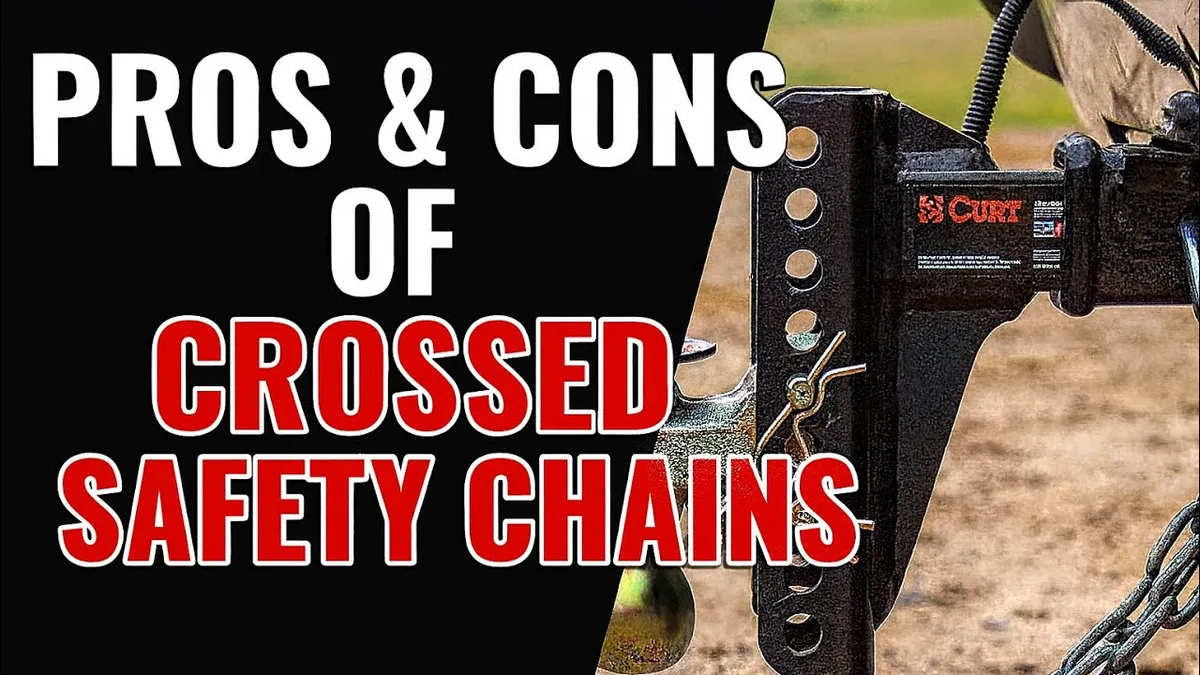
The chains should be crossed under the trailer tongue to create a cradle. This prevents the tongue from digging into the road if the hitch fails. Keep the chains short enough to allow turns but not so long they drag.
How to Properly Attach & Adjust Chains
Attach the chains to the trailer frame and the tow vehicle’s hitch or frame. Avoid connecting to the bumper, as it may not support the weight. Adjust the length so there’s minimal slack when the trailer is level.
Test the connection by lifting the trailer tongue slightly. The chains should take the weight if the hitch fails. Inspect for wear, rust, or damage before every trip.
Trailer Lighting & Reflector Requirements
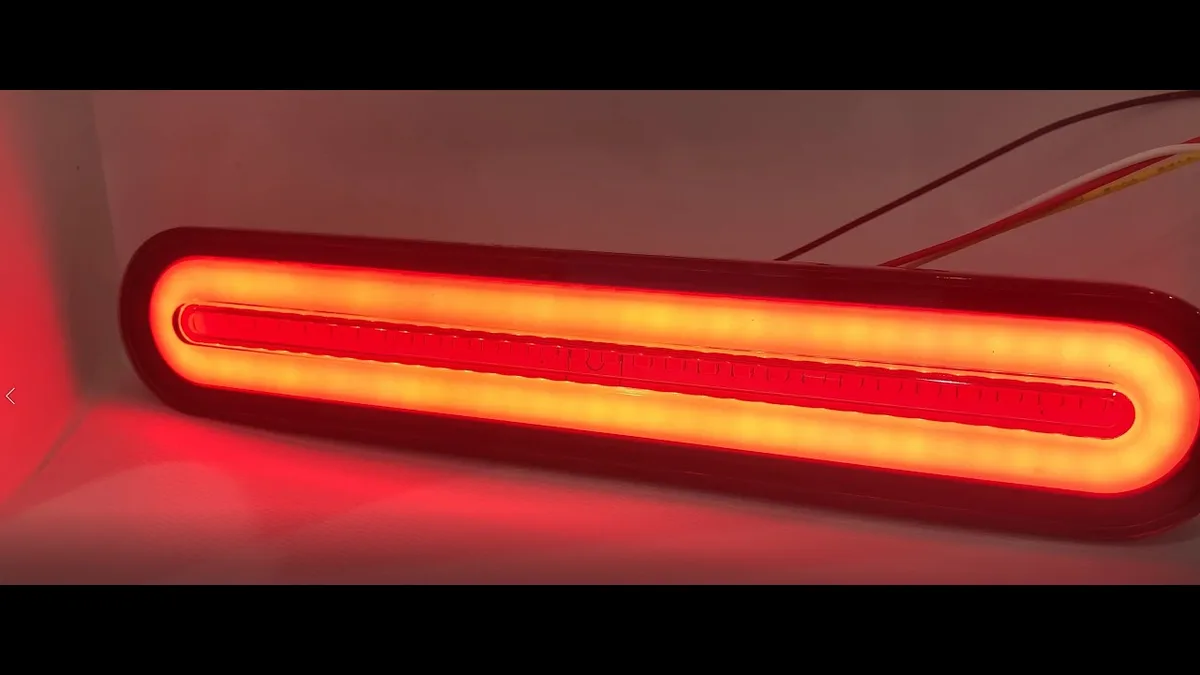
Oklahoma follows federal DOT standards for trailer lighting. All trailers must have working brake lights, turn signals, and tail lights. Reflectors are required on the rear and sides.
Mandatory Lights for All Trailers
- Brake lights: Must activate when the tow vehicle brakes.
- Turn signals: Amber on the rear, visible from 500 feet.
- Tail lights: Red, visible from 500 feet at night.
- Reflectors: Red on the rear, amber on the sides.
Trailers over 80 inches wide also need clearance lights and side marker lights. All lights must be visible and unobstructed.
Wiring Harness Types & Connector Standards
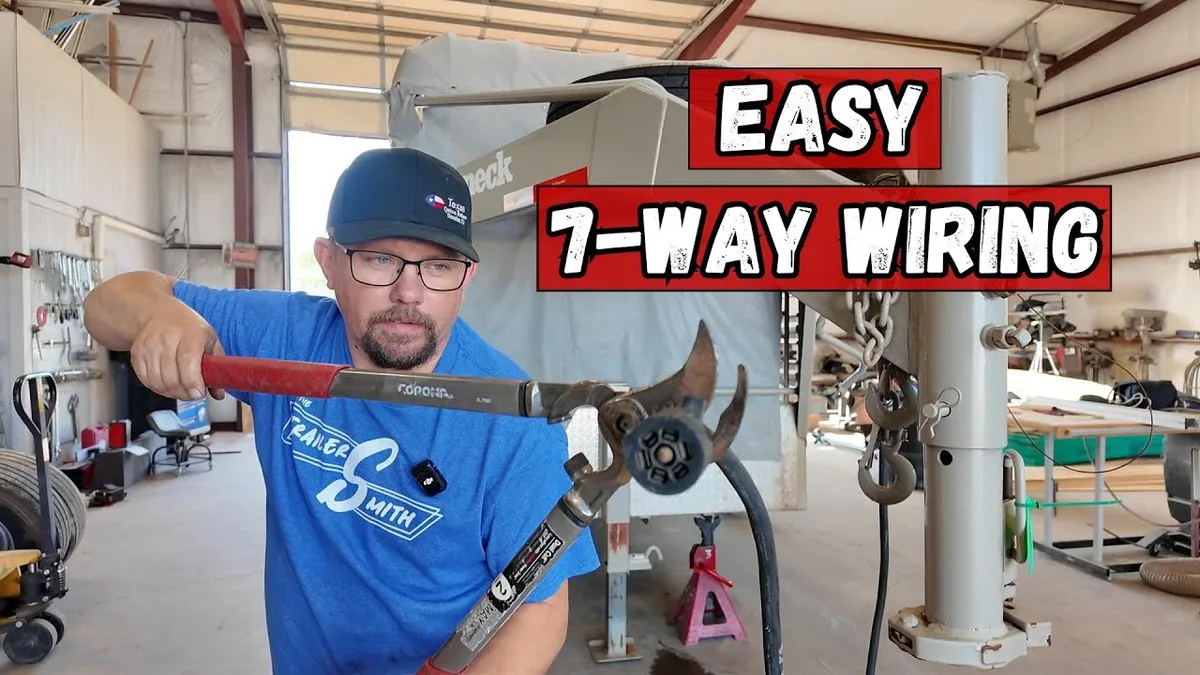
Most trailers use a 4-way, 5-way, or 7-way connector. The 4-way handles basic lighting (brake, turn, tail). The 7-way adds power for brakes and auxiliary functions.
Match the trailer’s connector to the tow vehicle’s. Use a wiring tester to confirm all functions work before towing. Corroded or damaged wires must be replaced.
Break-Away Brake System Rules (For Heavier Trailers)
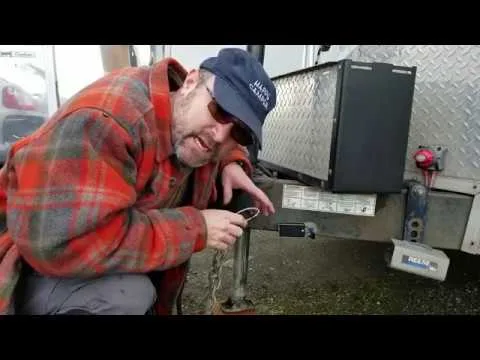
Oklahoma law requires break-away brake systems for any trailer with a GVWR over 3,000 lbs, per Oklahoma Department of Public Safety towing regulations. These systems activate the trailer’s brakes if it separates from the tow vehicle.
A standard break-away system includes a sealed battery, a control module, and a steel cable connected to the tow vehicle’s frame. Test the system every 3 to 6 months by pulling the break-away pin manually to confirm the brakes engage fully.
Common Mistakes That Get You Pulled Over
The most frequent violations involve safety chains that drag on the road because they are adjusted too long. Many drivers also attach chains to the trailer axle instead of the solid frame.
Broken or unconnected trailer lights are the second most common issue. Missing rear red reflectors or side amber reflectors also trigger citations. Dead break-away brake batteries for trailers over 3,000 lbs are another frequent violation.
Step-by-Step Pre-Trip Towing Safety Check
First, inspect both safety chains for rust, fraying, or cracked links. Confirm they are rated for your trailer’s GVWR and attached to the trailer frame and tow vehicle hitch.
Second, test all trailer lights by having a partner press the brake pedal, turn signals, and hazard lights while you stand behind the trailer. Confirm brake lights, turn signals, tail lights, and reflectors are all visible and unobstructed.
Third, if your trailer is over 3,000 lbs, pull the break-away brake pin manually to confirm the trailer brakes engage fully. Check the system’s battery charge level at the same time.
Fourth, confirm all wiring is secured, no wires are pinched or frayed, and the connector is seated fully in the tow vehicle’s socket.
Oklahoma-Specific Compliance: What to Know
Oklahoma’s trailer towing rules align with most federal DOT standards, but there are a few state-specific quirks. Rural roads and extreme weather conditions in the state put extra strain on safety chains and wiring.
Commercial trailers over 10,000 lbs require an annual state inspection. Personal trailers only need inspection if they are involved in an accident or pulled over for a separate violation. Oklahoma also prohibits towing trailers with chains that are longer than 6 inches below the trailer tongue when hitched.
Costs of Non-Compliance (Fines & Risks)
Fines for non-compliant trailer equipment in Oklahoma range from $100 to $500 per violation. A single stop for broken trailer lights and too-long safety chains can result in a $300 total fine.
If your non-compliant trailer causes an accident, you could be held personally liable for property damage or injuries. Insurance companies often deny claims for accidents caused by faulty or missing trailer safety equipment.
Expert Tips for Long-Term Safety & Reliability
Upgrade to stainless steel safety chains if you tow in wet or salty conditions. They resist rust better than standard carbon steel. Apply a light coat of grease to the chains after each trip to prevent corrosion.
Use LED trailer lights for brighter output and longer life. They draw less power and are more shock-resistant than incandescent bulbs. Check the housing seals annually for cracks that let moisture in.
For break-away systems, replace the battery every 2 years even if it seems fine. Store the trailer with the break-away pin removed to prevent accidental activation.
FAQs About Oklahoma Trailer Towing Laws
Do I need two safety chains in Oklahoma?
Yes. Oklahoma law requires at least one chain but strongly recommends two for redundancy. Two crossed chains create a cradle that prevents the tongue from digging into the road.
What’s the minimum chain strength for my trailer?
Chains must be rated for at least the trailer’s gross vehicle weight rating (GVWR). For a 7,000-lb trailer, use chains rated for 7,000 lbs or more.
Are reflectors required on utility trailers?
Yes. All trailers must have red rear reflectors and amber side reflectors visible from 500 feet at night.
When do I need a break-away brake system?
Oklahoma requires them for any trailer with a GVWR over 3,000 lbs. This includes most enclosed cargo trailers and large boat trailers.
Can I use a 4-way connector for a trailer with brakes?
No. A 4-way only handles basic lighting. Trailers with electric brakes need a 7-way connector to power the brake controller.