Moving to Oklahoma with an out-of-state car or buying one from another state means dealing with the Oklahoma VIN verification requirements for out of state title transfers. It’s a mandatory step, but the rules aren’t one-size-fits-all, they change based on your county, the vehicle’s history, and even how you submit the paperwork.
As of 2026, Oklahoma requires a VIN verification for all out-of-state title transfers to confirm the vehicle’s identity and prevent fraud. The process is straightforward if you know the steps, but missing a single document can delay everything.
Quick Answer
Oklahoma requires VIN verification for all out-of-state title transfers. You’ll need to visit a county tag office, law enforcement agency, or licensed dealer. Some counties accept VIN photos instead of in-person checks.
The verification confirms the VIN matches your title and prevents fraud.
How Oklahoma’s VIN Verification Works for Out-of-State Titles
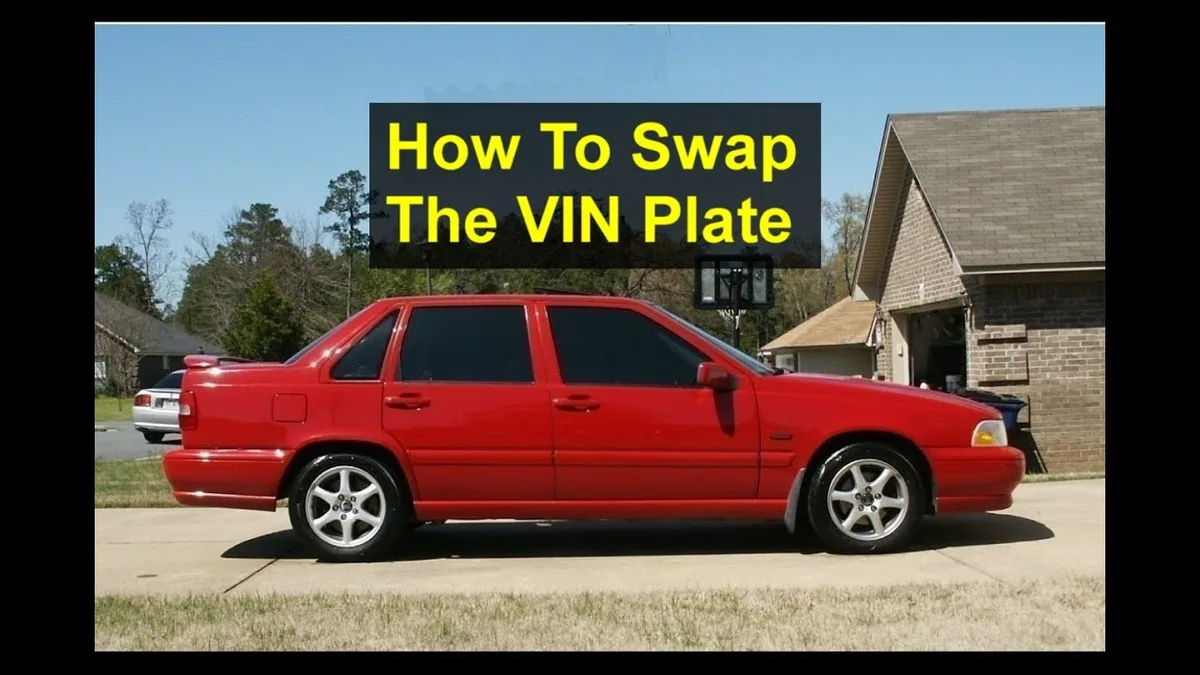
Oklahoma’s VIN verification is a safeguard. It ensures the vehicle you’re titling matches the paperwork, which stops title washing and odometer fraud. The state uses the 17-character VIN to track a vehicle’s history, including salvage status, liens, or theft reports.
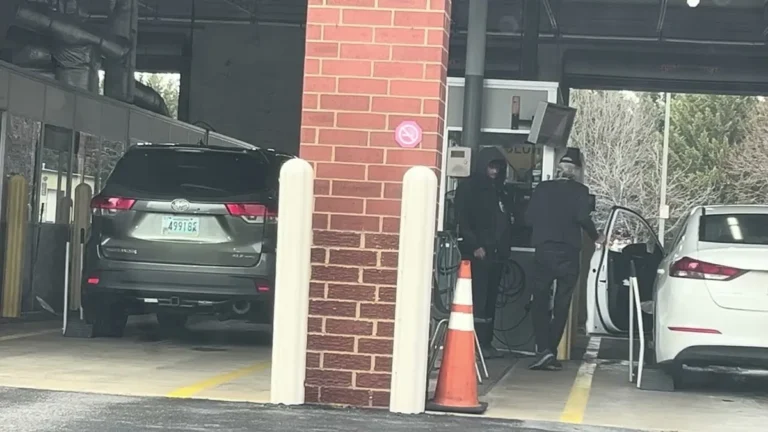
The verification itself is simple. An authorized agent, usually at a county tag office, police station, or licensed dealer, checks that the VIN on your car matches the one on your out-of-state title. Some counties, like Tulsa or Oklahoma County, may let you submit clear photos of the VIN instead of bringing the car in.
But rural areas often require an in-person inspection.
If your vehicle has a salvage or rebuilt title, expect extra scrutiny. Oklahoma treats these differently, and you may need additional inspections to confirm the car is roadworthy.
When VIN Verification Is Required (And When It’s Not)
You always need VIN verification for an out-of-state title transfer in Oklahoma. There’s no exception for new residents, private sales, or dealer purchases, the rule applies to every vehicle coming from another state.
The only time you might skip it is if you’re transferring a title within Oklahoma (e.g., selling to another OK resident). But even then, if the current title is from out of state, you’ll still need verification before the transfer is complete.
County rules can add another layer. Some require in-person verification, while others accept mailed or emailed VIN photos. Always check with your local Oklahoma Tax Commission office before assuming.
Oklahoma’s Out-of-State Title Transfer Process Step by Step
Before You Start: Documents You’ll Need
Gather these before heading to the tag office:
- Out-of-state title (must be in your name or include a signed power of attorney)
- Proof of insurance (Oklahoma’s minimum liability coverage: 25/50/25)
- Odometer disclosure (required for vehicles under 10 years old)
- Bill of sale (if the title doesn’t list the purchase price)
- Lien release (if there’s a loan on the vehicle)
- VIN verification form (if your county requires a separate document)
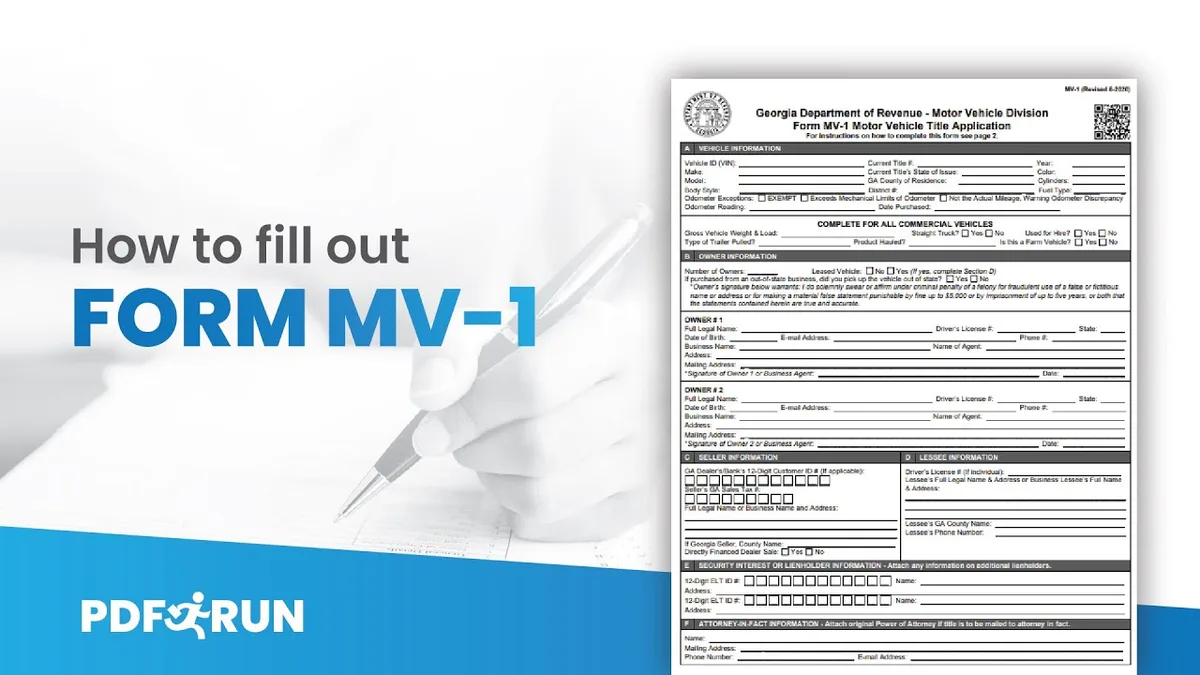
- Form 701-6 (Oklahoma’s Application for Certificate of Title)
If you’re missing any of these, the process stops.
Step 1: Get the VIN Verified
This is the first physical step. You’ll need to have the VIN inspected by an authorized agent. Here’s how it works:
- Where to go: County tag office, Oklahoma Highway Patrol station, or a licensed dealer.
- What they check: The VIN on the vehicle matches the one on your title. They’ll also look for signs of tampering.
- What to bring: The vehicle (unless your county accepts photos) and your out-of-state title.
Some counties let you submit photos of the VIN instead. If that’s an option, make sure the images are clear and show the full 17-character VIN. Blurry or partial photos will be rejected.
Step 2: Complete the Title Application (Form 701-6)
Fill out Oklahoma’s Application for Certificate of Title (Form 701-6) completely. Leave no blanks, even if the answer is “none” or “N/A.” Common mistakes include mismatched VINs between the form and the verification, or missing the odometer reading for newer vehicles.
If there’s a lien on the vehicle, list the lienholder’s name and address exactly as it appears on the title. Errors here can delay processing or even require a new application.
Step 3: Submit Paperwork and Pay Fees
Bring all documents to your county tag office. The clerk will review everything for accuracy. If anything is missing or incorrect, you’ll need to correct it before resubmitting.
Fees vary but typically include an $11 title fee plus registration costs. Some counties charge extra for processing or temporary tags. Pay by cash, check, or card, check your county’s accepted methods ahead of time.
County-Specific VIN Verification Rules in Oklahoma
Rules differ by county. Oklahoma County often requires in-person VIN checks, while Tulsa County may accept photos. Rural counties might have limited inspection locations, so call ahead.
Some counties also require a separate VIN verification form. Ask your local tag office if they provide one or if you need to download it from the Oklahoma Tax Commission website.
Costs and Fees for Oklahoma Title Transfers
Here’s what you’ll pay as of 2026:
| Fee Type | Cost |
|---|---|
| Title transfer | $11 |
| Registration (passenger vehicle) | $26–$91 |
| Temporary tag (30-day) | $10–$25 |
| Late fee (if past 30 days) | $10–$25 |
Salvage or rebuilt titles may have additional inspection fees. Bonded titles require a surety bond, which typically costs $100, $200 depending on the vehicle’s value.
Common Mistakes That Delay or Reject Your Title Transfer
Missing the odometer disclosure for vehicles under 10 years old is a top reason for rejection. So is a mismatched VIN between the title and verification form.
Not having proof of insurance will stop the process. Oklahoma requires minimum liability coverage (25/50/25) before issuing plates or a title.
Lien issues are another snag. If the title shows a lien but you don’t have a lien release, the transfer can’t proceed until the lienholder provides one.
What If You Don’t Have a Title? (Bonded Title Process)
If you can’t locate your out-of-state title, your first step is to request a duplicate from the state that issued it. This is the fastest, lowest-cost option, with most states processing requests in 1 to 2 weeks for a fee under $30.
If the issuing state can’t issue a duplicate, you can apply for an Oklahoma bonded title. This requires purchasing a surety bond worth 1.5 times the vehicle’s fair market value, per Oklahoma Tax Commission valuation rules. You submit the bond with your standard title application paperwork, and the state issues a bonded title valid for 3 years.
If no claims are filed against the bond during that 3-year window, you can exchange the bonded title for a standard clean Oklahoma title at no extra cost. If a claim is filed, the bond pays out to the valid owner, and you will lose the vehicle.
Salvage, Rebuilt, or Branded Titles: Extra Steps
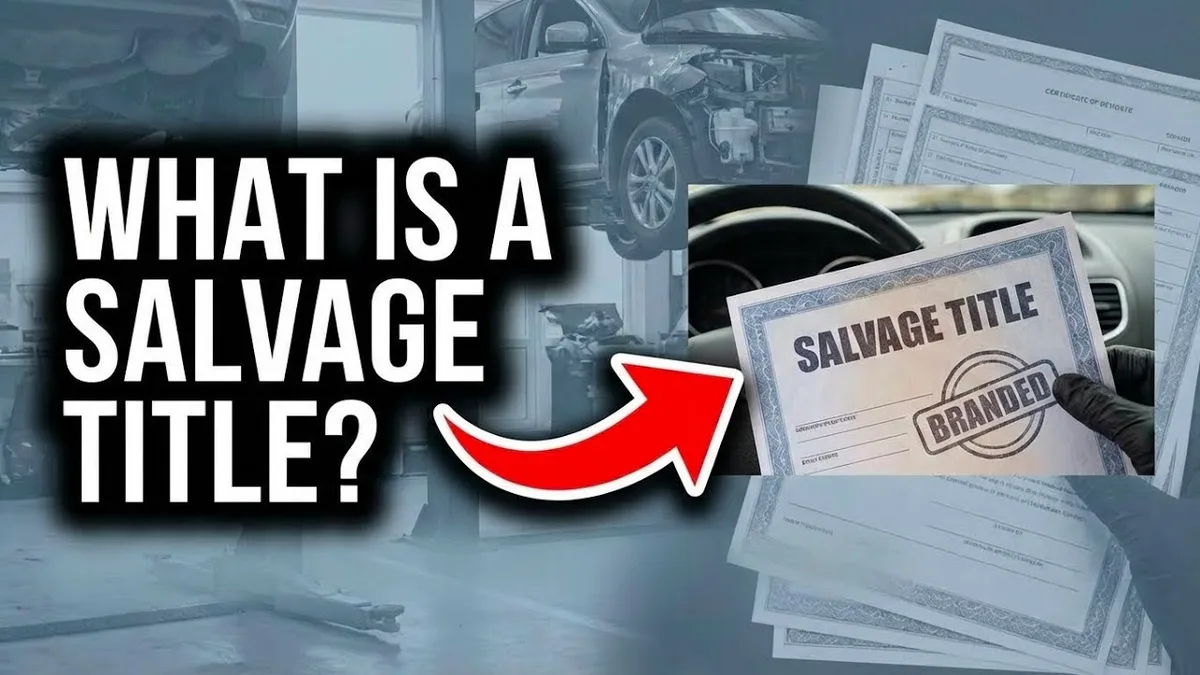
Out-of-state salvage, rebuilt, flood, or fire-branded titles trigger extra requirements in Oklahoma. First, you must complete the standard VIN check to confirm the VIN on your vehicle matches the one on your out-of-state title.
Next, you’ll need to schedule a rebuilt vehicle inspection with the Oklahoma Highway Patrol. This is separate from the standard VIN verification. You’ll need to bring proof of all repairs, including receipts for parts and labor, plus clear photos of the repaired damage areas.
If the inspection passes, you’ll be issued a rebuilt Oklahoma title. Oklahoma law requires you to disclose the rebuilt branding to any future buyer when you sell the car.
Military and Temporary Residents: Special Cases
Active duty military members stationed in Oklahoma get an exemption from the state’s 30-day residency deadline for title transfers. You can keep your out-of-state title and registration for the full length of your military orders, as long as you carry a copy of your orders and proof of your home state address.
Temporary residents, such as college students or seasonal workers, can also avoid the full transfer process if they’re only in Oklahoma for a short period. You can apply for a 30-day temporary driving permit to operate the vehicle legally while you sort out your residency status. You’ll still need to pass VIN verification to get this permit if your vehicle has an out-of-state title.
Bring proof of your temporary status to your county tag office to confirm you qualify for these options.
Step 4: Register Your Vehicle and Get Plates
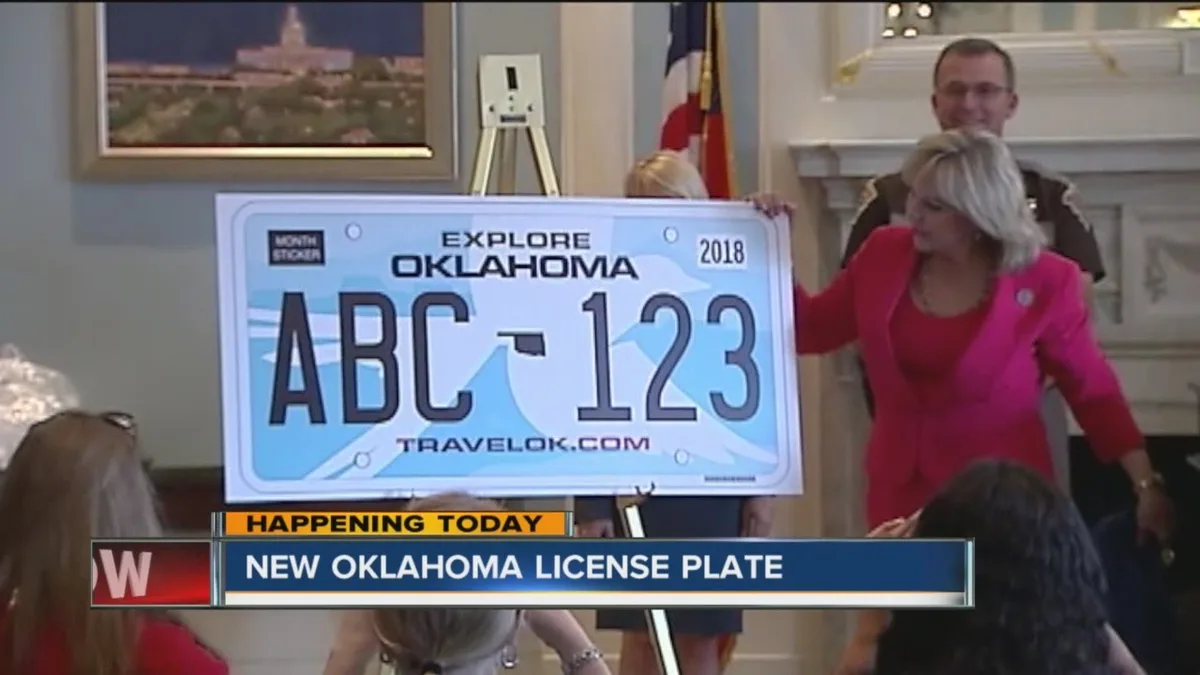
Once your title application is approved, you’ll receive your Oklahoma title by mail in 2 to 4 weeks. You can register your vehicle and get plates at the same time as your title transfer.
Registration fees depend on your vehicle type and weight. Passenger vehicles typically cost between $26 and $91. You’ll also need to pay any applicable county fees.
FAQs About Oklahoma VIN Verification and Title Transfers
Do I need VIN verification if I’m just renewing my Oklahoma registration?
No. VIN verification is only required for out-of-state title transfers.
Can I complete VIN verification at a police station instead of the tag office?
Yes. Most Oklahoma Highway Patrol stations and local police departments offer VIN verification services for a small fee.
What if the VIN on my car doesn’t match my out-of-state title?
You’ll need to correct the error with the state that issued your title before you can transfer to Oklahoma.
How long is Oklahoma’s 30-day temporary permit valid?
The 30-day temporary permit is valid for exactly 30 days from the date of issue.
Do I need VIN verification for a vehicle I bought from an out-of-state dealer?
Yes. Even if the dealer provided a VIN inspection report from their state, Oklahoma requires its own independent VIN verification.
Final Checklist: Are You Ready to Transfer Your Title?
Run through this list before you head to the tag office:
- Confirm your county’s VIN verification rules
- Locate your vehicle’s 17-character VIN
- Gather your out-of-state title, bill of sale, and odometer disclosure
- Secure a lien release if your vehicle has an outstanding loan
- Obtain proof of Oklahoma minimum liability insurance
- Complete Form 701-6 with no blank fields
- Bring payment for fees
- Bring your vehicle if your county requires in-person inspection