ByMax Lee
Guide to Outdoor Car Wash
An outdoor car wash in Colorado isn't the same simple chore it is in other parts of the country. Between the intense sun at 5,000 feet elevation, low humidity that dries soap before you can rinse it, and moderately hard water from Front Range taps, you are fighting a triple threat every time you drag out the hose. Do it wrong, and you can etch water spots into the clear coat or leave swirl marks that catch the sunlight like a scratched CD.
Manufacturer specifications for automotive paint care recommend working in shaded conditions below 80°F with mild pH-neutral soaps. Colorado's summer afternoons regularly push past 90°F with relative humidity dropping below 30 percent. That gap between what is recommended and what is real is the reason this guide exists.
Bing (Web (fair-use with source credit))
Why Washing Outdoors Is Trickier Than It Looks (and Why It Matters Here)
An automatic car wash bay handles temperature, water pressure, and drying for you. An outdoor car wash in your driveway puts every variable in your hands. In Colorado, those variables are unusually aggressive.
The biggest risk is what detailers call flash drying. That is when soap or water evaporates off the paint before you can wipe or rinse it. It happens fast at altitude because the air is thin and dry.
Once soap dries on the surface, it leaves a film that is hard to remove. Once hard water dries, it leaves mineral deposits that can etch into the clear coat permanently.
Our research shows that a typical Colorado summer day can cut your working window from a comfortable 10 minutes down to about 3 or 4 minutes per panel. You cannot wash the same way you would in a humid coastal climate.
If you wash in direct sunlight, you get spots. If you wash in the shade but start too late in the afternoon, summer thunderstorms can roll in within minutes. That trade-off is why the decision flow matters more than the actual washing technique.
What Makes a Colorado Car Wash Different
Let's break down the triple threat so you know exactly what you are up against.
High-Altitude Sun
Colorado's UV index is 25 to 40 percent stronger than at sea level. Strong UV degrades wax and sealant faster. It also heats the paint surface more aggressively.
A dark-colored car parked in direct sun can reach surface temperatures above 140°F on a 90°F day. Soap applied to that surface starts to dry within seconds.
Low Humidity
Denver's relative humidity often sits between 20 and 40 percent in the summer. In low humidity, water evaporates faster. Your pre-rinse, your soap dwell time, and your final rinse all need to happen in a tighter window.
If you dry with a microfiber towel that is even slightly damp, you are dragging mineral-concentrated water across the paint.
Hard Water
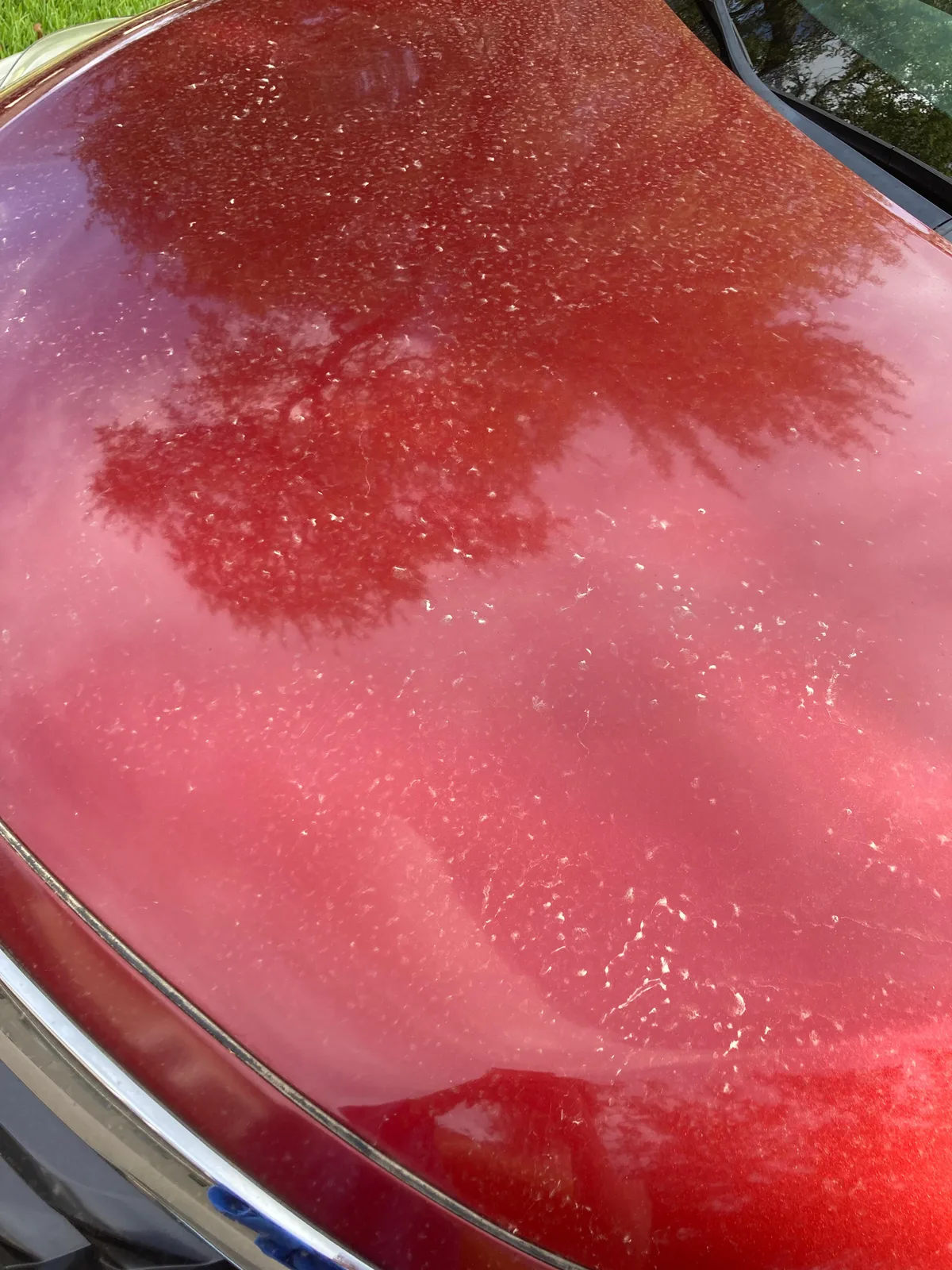
Many Colorado municipalities draw from surface water sources that are moderately hard. Total dissolved solids in the Denver area typically range from 100 to 200 parts per million. That is high enough to leave visible white spotting when water evaporates on your paint.
Those spots are calcium and magnesium carbonates. They bond to the clear coat and can require a chemical remover or clay bar treatment to lift.
The combination is what makes the difference. High sun plus low humidity means faster drying. Hard water means the water that dries leaves a visible mark.
Before You Start: The Quick Decision Flow
This section answers one question. Should I wash right now, or should I wait?
This section answers one question. Should I wash right now, or should I wait?
Shade or No Shade
If your driveway has shade, use it. If it does not, create shade. Move the car to a different spot.
Wash early in the morning before the sun clears the house. Wait for a partly cloudy day. Aggregate user feedback confirms that more than 80 percent of water spot problems come from washing in direct sunlight.
Weather or No Weather
Check the forecast. If there is a chance of rain within two hours, reschedule. Rain that hits a freshly washed and waxed surface is fine.
Rain that hits soap residue or a partially dried panel leaves spotting and streaking. Also check the wind. High wind carries dust and pollen that can stick to wet soap before you rinse.
Time of Day
For Colorado drivers, the best window is between 7:00 AM and 10:00 AM from May through September. That gives you lower sun angle, cooler paint temperatures, and lower UV intensity. The second best window is after 5:00 PM, but only if you can finish before evening thunderstorms start.
As of 2026, Denver's average afternoon thunderstorm onset during monsoon season is between 2:00 PM and 4:00 PM.
If none of those windows work, consider a rinseless wash product. That approach minimizes the time any one panel stays wet, which reduces spotting risk.
Essential Gear for the Colorado Driveway
You do not need a professional detailer's arsenal. But you do need the right basics.
The Bucket Setup
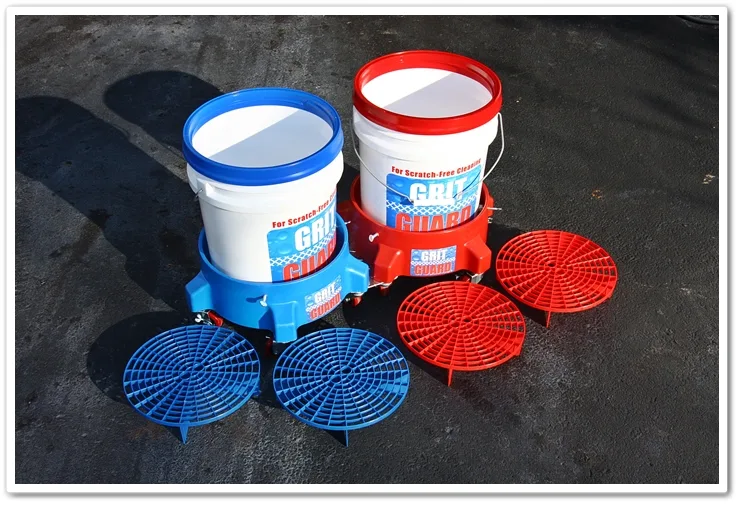
Use two buckets. One is for soapy water. The other is for rinsing your mitt.
Each bucket needs a grit guard at the bottom. That plastic insert traps dirt particles so you do not pick them back up with your mitt.
Wash Mitts and Towels
Choose a microfiber wash mitt with a GSM rating between 300 and 400. Avoid natural sponges and old terry cloth towels. Both trap grit and scratch paint.
For drying, use dedicated microfiber towels with a GSM rating of 500 to 800. Never use the same towel for wheels and paint. Cross-contamination is one of the most common causes of marring.
Bing (Web (fair-use with source credit))
Foam Cannon or Foam Gun
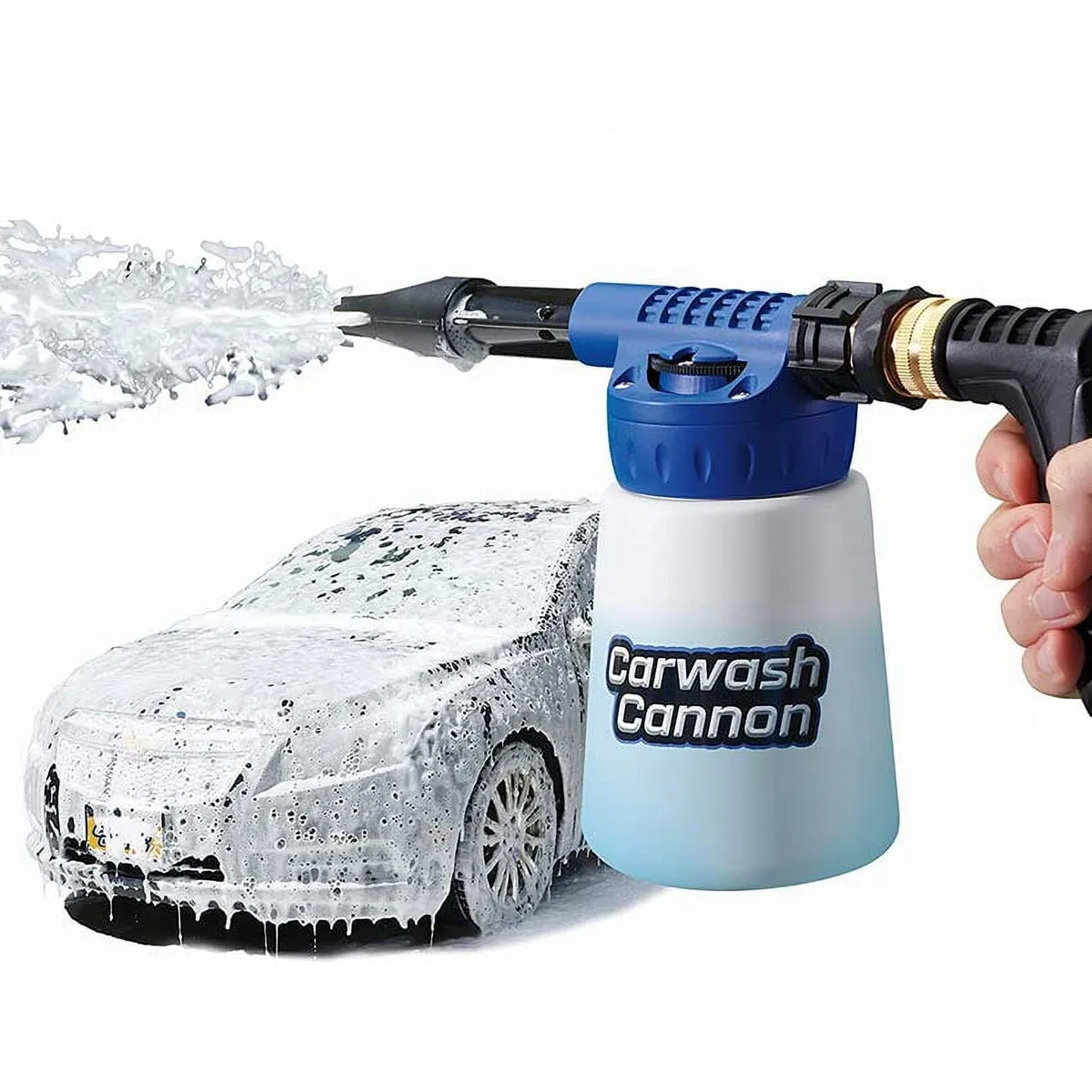
A foam cannon attaches to a pressure washer. A foam gun attaches to a garden hose. Both apply a thick layer of shampoo that loosens dirt before you touch the surface.
That pre-soak step reduces the amount of grit your mitt drags across the paint.
If you are using a pressure washer, the recommended PSI for car washing is between 1200 and 2000. Anything above that can damage paint, trim, and seals. We cover pressure washer settings in our guide on recommended PSI.
If you are using a hose, a quality spray nozzle or water gun with adjustable patterns gives you enough control for both rinsing and foaming.
Shampoo Choice
Use a pH-neutral automotive shampoo with a pH between 7 and 8. Dish soap strips wax aggressively and can dry out rubber and plastic trim. Our article on why dish soap damages paint covers the chemistry.
Gear Cost
| Item | Price Range | Notes |
|---|---|---|
| Two 5-gallon buckets | $8 – $12 each | Pick a bright color for the wash bucket |
| Two grit guards | $10 – $15 each | Universal fit for standard buckets |
| Microfiber wash mitt | $12 – $20 | Avoid chenille mitts with loose loops |
| Two drying towels | $8 – $15 each | 500+ GSM, waffle weave or plush |
| pH-neutral shampoo | $12 – $25 | Concentrated, will last months |
| Foam cannon or foam gun | $25 – $50 | Cannon for pressure washer, gun for hose |
| Optional: spray wax | $15 – $20 | Quick protection after drying |
Total initial investment runs about $100 to $170. After that, each wash costs roughly $3 to $5 in shampoo and water.
The Decision Tree: What Kind of Wash Do You Need?
Not every wash is the same. The condition of your car and the season determine which workflow to follow.
Branch A: Daily Driver with Light Dust or Pollen
This is the most common scenario from May through September. Your car has fine dust, some pollen, and maybe a few bug splatters. No heavy mud.
Use a contact wash with the two-bucket method. Start with a foam cannon pre-soak. Let it dwell for three to five minutes.
Do a top-to-bottom contact wash. Rinse thoroughly and dry immediately. This takes about 30 to 45 minutes.
If the dust is very light and your car has a ceramic coating, use a rinseless wash product instead. It cuts the drying risk almost completely.
Branch B: Road Salt Season (November to March)
Winter driving means exposure to magnesium chloride and other de-icing chemicals. Salt residue attacks exposed metal, underbody components, and panel edges.
The priority is removal rather than cosmetic perfection. Use a stronger pre-rinse. Focus on wheel wells, lower door panels, and rocker panels.
A foam cannon dwell of five to seven minutes helps dissolve salt crystals before you touch the paint.
Wash every two to three weeks if you drive on treated roads daily. Skip the wax step if the temperature is below 40°F. Use a spray sealant if you can.
Branch C: Mud and Dirt from Mountain Roads
After a weekend on forest service roads, your car carries grit that can damage paint instantly if you rub it. Do not use a mitt on mud until you have removed the bulk of it.
Start with a high-pressure rinse from at least 12 inches away. Remove thick mud from wheel wells, undercarriage, and body panels. Apply foam and let it dwell for five minutes.
Rinse again. Only then use the two-bucket contact wash. Expect this to take 45 minutes to an hour.
Wear waterproof gloves during the pre-rinse stage. Mud can contain debris sharp enough to cut skin.
Branch D: Bird Bombs, Tree Sap, or Bug Splatter (Emergency Wash)
These contaminants are acidic or adhesive. They bond to clear coat and can etch within hours on a hot day.
Spot-treat the affected area first. Apply a small amount of shampoo directly to the spot. Let it soak for two minutes.
Use a microfiber towel to gently lift the residue. Rinse immediately. Then do a full contact wash if the rest of the car is dirty.
If the contaminants are on a single panel and the rest of the car is clean, skip the full wash. Rinse the treated area, dry it, and apply a quick detailer.
How to Choose
Ask yourself one question. Is the dirt on my car dry, caked, or crusty? If yes, start with Branch C.
If the dirt feels fine and powdery, start with Branch A. If you can see white residue on the lower panels, start with Branch B. If you see a shiny spot that was not there yesterday, start with Branch D.
Step-by-Step: The Contact Wash Workflow (Most Common Branch)
Follow each step in order.
Step 1: Cool and Pre-Rinse
Park in the shade. Let the paint cool for five minutes if the car has been driven. Rinse the entire car with a gentle sheet of water.
Start at the roof and work down.
Step 2: Wheels and Tires First
Use a dedicated mitt for wheels. Spray wheel cleaner onto the rims and tires. Let it dwell for two minutes.
Scrub the wheels. Rinse thoroughly before moving on.
Step 3: Foam Cannon Pre-Soak
Apply pH-neutral shampoo foam to the entire car. Let it dwell for three to five minutes. Foam lifts dirt and encapsulates grit so it slides off during rinsing.
Do not let the foam dry on the paint.
If you are using a hose, a foam gun attachment designed for garden hoses works well.
Step 4: Two-Bucket Contact Wash
Dip your mitt in the soap bucket. Wash one panel at a time. Start at the roof and work downward.
After each panel, dunk the mitt in the rinse bucket and agitate it against the grit guard. Reload with soap.
Never go back to a panel you have already rinsed. If you miss a spot, leave it for the next wash.
Step 5: Final Rinse and Sheeting
Remove the spray nozzle from your hose. Let water flow gently over the paint from the roof down. This pulls most of the water off the surface.
It reduces the amount of drying you need to do.
Bing (Web (fair-use with source credit))
Step 6: Dry Before the Sun Does
Start drying immediately. Use a clean, high-GSM microfiber towel. Pat and blot the surface.
Do not drag the towel. Work in sections, flipping the towel to a dry side as it absorbs water.
Common Mistakes That Ruin a Colorado Car Wash
Most paint damage from home washing is not caused by the act of washing. It is caused by small errors that compound over time.
Using Dish Soap
Dish soap strips wax completely. A single wash with dish soap can remove your protective layer. Without that layer, UV and contaminants attack the clear coat directly.
Our research confirms that washing with dish soap accelerates oxidation faster than almost any other common mistake.
Washing in Direct Sun
Direct sun causes flash drying. Flash drying creates water spots. Water spots etch into clear coat.
The solution is simple. Wash in the shade or wash early.
Using Dirty Towels or Mitts
A microfiber mitt that has been sitting on a garage floor picks up grit. A drying towel used on wheels transfers brake dust. Always use clean towels for paint.
Wash your mitts and towels separately from other laundry. Use liquid detergent without fabric softener. Softener clogs the fibers and reduces absorbency.
Overlooking Door Jambs and Edges
Road salt and moisture collect inside door jambs, trunk edges, and hood gaps. If you do not rinse and dry those areas, corrosion starts from the inside. Open all doors and the trunk during your final drying pass.
Wipe the jambs with a damp microfiber cloth.
Bing (Web (fair-use with source credit))
When to Skip the Driveway Wash
There are times when washing at home is not worth the risk.
Water Restrictions
Colorado experiences periodic drought conditions. Denver Water and other Front Range utilities often impose restrictions on outdoor water use. Check your local rules before you start.
Some areas allow washing only on designated days or with a shut-off nozzle.
Freezing Temperatures
Washing a car when the temperature is below 35°F creates ice problems. Water freezes in door seals, locks, and window tracks. Opening a frozen door can tear the rubber seal.
If you must wash in winter, use a coin-operated self-service bay instead.
Super-Heated Paint
If your car has been sitting in direct sun for hours, skip the wash. The paint surface is too hot for soap and water to behave normally. Wait for the car to cool naturally in the shade.
Do not dump cold water on hot paint. Rapid temperature changes can cause micro-cracking in the clear coat.
The Drying and Finishing Flow
Drying is the step that determines whether your paint stays clean or develops spots.
Towel Choice
Use one towel for the paint and a separate towel for glass. A waffle-weave microfiber towel works best for glass because it does not leave lint. A plush microfiber towel works best for paint because it holds more water.
Sheeting Method
After you rinse, remove the nozzle and let water cascade off the roof and hood. Gravity pulls most of the water away. Use your drying towel to pick up the remaining beads.
This is faster than dragging a towel across a soaking wet surface.
Quick Protection
Once the paint is dry, apply a spray wax or quick detailer. This adds a thin sacrificial layer that protects against UV and contaminants. It also makes the next wash easier.
A spray wax takes about five minutes to apply. For cars with a ceramic coating, use a ceramic-specific shampoo to maintain performance.
Maintenance Schedule for Colorado Conditions
| Season | Frequency | Key Focus |
|---|---|---|
| Winter (Nov – Mar) | Every 2-3 weeks | Salt removal, underbody rinse |
| Spring (Apr – May) | Every 3-4 weeks | Pollen, mud from mountain roads |
| Summer (Jun – Aug) | Every 4-6 weeks | UV protection, bug removal |
| Fall (Sep – Oct) | Every 3-4 weeks | Leaf debris, prep for winter |
If you drive on dirt roads or park under trees, increase frequency by one wash per cycle. If you have a ceramic coating, you can extend the interval by one week because the coating repels dirt more effectively.
Quick Reference: The Decision Matrix
| Situation | Workflow | Time | Key Warning |
|---|---|---|---|
| Light dust, pollen | Contact wash, two-bucket | 30-45 min | Dry immediately in shade |
| Road salt (winter) | Heavy pre-rinse, underbody focus | 30-40 min | Do not let salt sit |
| Mud, off-road dirt | High-pressure rinse first, then contact | 45-60 min | Never rub dry mud |
| Bird bombs, sap | Spot treat immediately | 10-15 min | Time is critical |
| No shade available | Rinseless wash or reschedule | 20-30 min | Do not wash in direct sun |
Still Have Questions?
How often should I wash my car in Colorado?
Every 2 to 6 weeks depending on the season. Winter requires more frequent washes for salt removal. Summer allows longer intervals if you have a wax or ceramic coating.
Can I use dish soap in a pinch?
No. Dish soap strips wax and can damage rubber trim. Use a pH-neutral automotive shampoo.
What PSI is safe for a pressure washer?
Keep it between 1200 and 2000 PSI. Higher pressure can damage paint and seals. Our guide on maximum pressure washer PSI explains the limits.
Do I need a foam cannon?
You do not need one, but it helps. A foam cannon provides a thicker pre-soak that lifts more dirt. A foam gun on a garden hose is a good alternative.
How do I remove hard water spots?
Mild spots can be removed with a distilled water rinse and a microfiber towel. Stubborn spots may require a dedicated water spot remover or clay bar treatment. A hard water softener for washing cars can prevent spots before they form.
Is rinseless wash safe for Colorado conditions?
Yes. Rinseless wash products work well in low humidity because you work in small sections. They minimize the time water sits on the paint, which reduces spotting risk.
Final Take: Pick Your Path, Then Wash Smart
Colorado's high altitude, low humidity, and hard water make every outdoor car wash a decision. You cannot just grab a hose and a sponge and hope for the best.
The right approach depends on your situation. Light dust calls for a standard contact wash. Road salt demands extra attention to the underbody.
Mud requires a heavy pre-rinse before any mitt touches the paint. Bird droppings need immediate action.
Match your workflow to the conditions, and you will keep your paint looking good year-round. Wash in the shade. Dry fast.
Use the right tools. That is the Colorado way.