Pennsylvania biennial emissions testing requirements for 1996 and newer can be confusing, but the rules are straightforward once you know where to look. If your car is from 1996 or later, it’s almost certainly subject to testing unless it qualifies for an exemption. The state uses a mix of OBD-II scans and tailpipe checks, depending on your vehicle and county.
As of 2026, Pennsylvania requires emissions testing every two years for most gas-powered vehicles in designated counties. The process is tied to your registration renewal, so missing it can lead to fines or a suspended registration.
Quick Answer
Pennsylvania requires biennial emissions testing for 1996 and newer vehicles. Most cars get an OBD-II test. Enhanced I/M counties have stricter rules.
Exemptions apply to newer, electric, or classic cars. Testing ties directly to registration renewal.
How Pennsylvania’s Biennial Emissions Testing Works
Pennsylvania’s program follows federal Clean Air Act guidelines. It reduces vehicle emissions in high-pollution areas. The state splits testing into Enhanced I/M and Basic I/M categories.
Enhanced I/M counties (25 total) follow stricter EPA rules. These include urban centers like Philadelphia, Pittsburgh, and Allentown. Basic I/M counties have simpler requirements, often just a visual inspection and gas cap check.
Cars from 1996 and newer typically undergo an OBD-II test, which checks the vehicle’s onboard diagnostics for emissions issues.
Which Counties Require Emissions Testing (and Which Don’t)
Not every Pennsylvania county requires emissions testing. The state divides counties into two groups:
- Enhanced I/M counties (25 total): Stricter testing, including OBD-II scans.
- Basic I/M counties: Simpler testing, often just a visual inspection.
Here’s the list of Enhanced I/M counties as of 2026:
| Allegheny | Armstrong | Beaver | Berks | Blair |
|---|---|---|---|---|
| Bucks | Butler | Cambria | Carbon | Centre |
| Chester | Cumberland | Dauphin | Delaware | Erie |
| Lackawanna | Lancaster | Lebanon | Lehigh | Luzerne |
| Lycoming | Mercer | Montgomery | Northampton | Philadelphia |
| Westmoreland | York |
If your county isn’t listed, you’re in a Basic I/M area. Confirm your county’s status on the PennDOT website.

Exactly Who’s Exempt (and Who Isn’t)
Not all 1996 and newer vehicles need emissions testing. Exemptions include:
- New vehicles: Less than 2 years old from the model year.
- Electric vehicles (EVs): No tailpipe emissions.
- Classic/antique vehicles: 25 years or older (model year 2001 and older as of 2026).
- Motorcycles and trailers: Not subject to emissions testing.
- Diesel vehicles: Most diesel passenger vehicles are exempt.
Hybrids are not exempt unless they meet another exemption. Even exempt vehicles still need a safety inspection for registration renewal.
OBD-II vs. Tailpipe: What Test Your Car Will Get
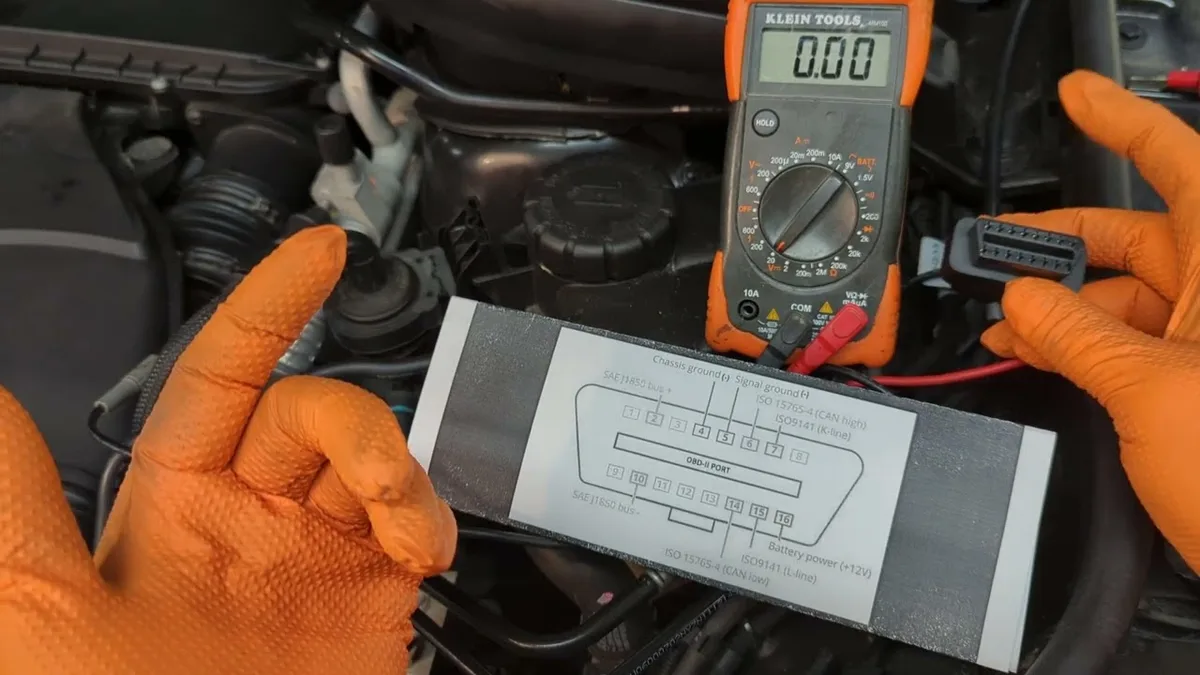
For 1996 and newer vehicles, the test is almost always an OBD-II scan. This checks:
- Readiness monitors
- Stored trouble codes
- Fuel system status
- Catalyst efficiency
A check engine light or incomplete monitors will likely cause a failure. Tailpipe tests are rare for these model years but may apply to modified vehicles.
Step-by-Step: How to Get Your Pennsylvania Emissions Test Done
Before You Go: Prep Your Car to Pass
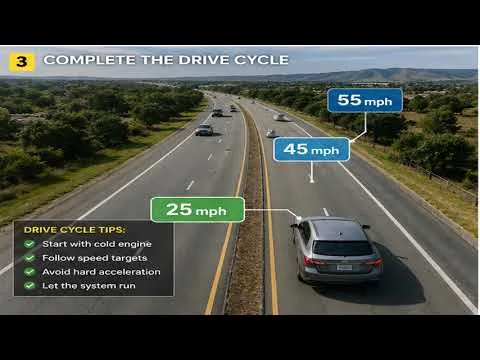
Check your dashboard for warning lights. A lit check engine light means an automatic failure. Clear any codes and complete the required drive cycles to reset the monitors.
Ensure your gas cap is tight and seals properly. A loose or damaged cap can trigger a failure.
At the Test Station: What to Expect
Bring your vehicle registration and proof of insurance. The test takes about 15-20 minutes. The technician will connect an OBD-II scanner to your car’s diagnostic port.
They’ll also perform a visual inspection of your emissions system. This includes checking for tampering with the catalytic converter or other components.
If You Pass: Next Steps
Your emissions certificate is valid for two years. PennDOT often verifies test results electronically, but keep a copy for your records.
If You Fail: Repairs, Retests, and Waivers
You’ll receive a report showing why your car failed. Common reasons include a check engine light or incomplete readiness monitors.
You have 30 days to make repairs and return for a free retest. If repairs cost more than $150 and the vehicle still fails, you may qualify for a waiver. Submit receipts to apply.
Costs, Fees, and Penalties You Should Know
The emissions test typically costs between $35 and $50. Prices vary slightly by station but are capped by state regulations.
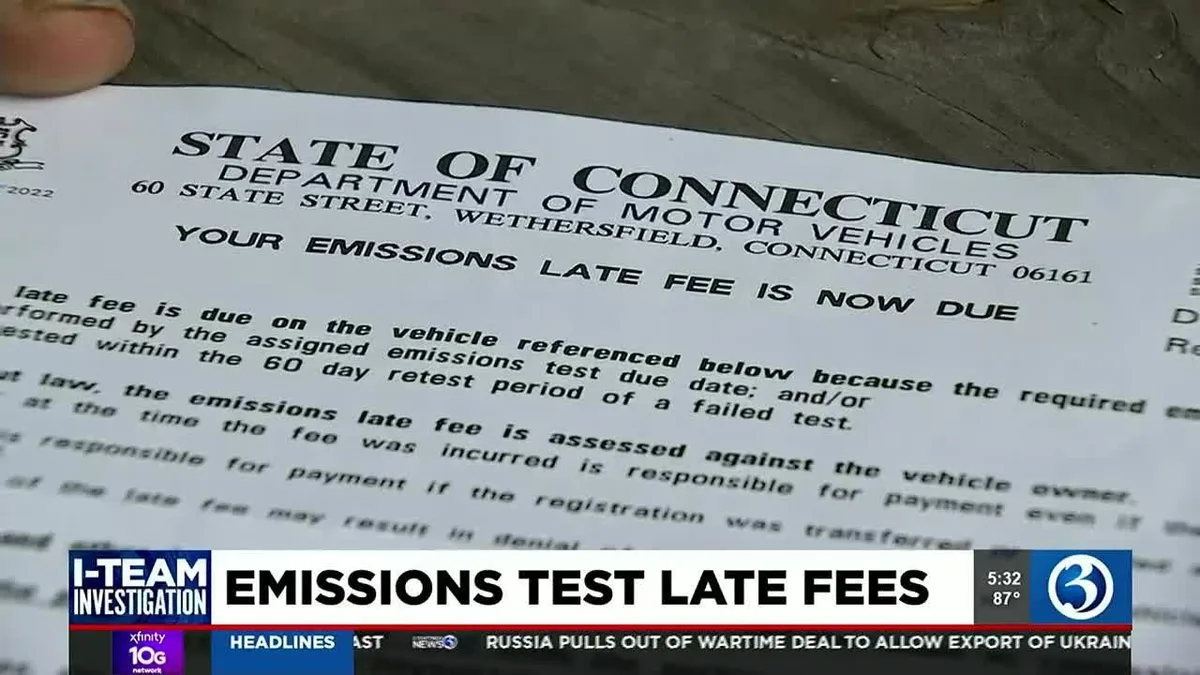
If you miss your test deadline, you can’t renew your registration. Driving with an expired registration can lead to fines up to $116.
Common Mistakes That Get People in Trouble
Many drivers fail because they ignore the check engine light. Even minor issues can trigger a failure. Always address warning lights before testing.
Another common mistake is showing up with a cold engine. Emissions systems need to be at operating temperature for accurate results. Drive your car for at least 15 minutes before the test.

How to Check Your Emissions Test Status and Deadline
Your test deadline is tied to your vehicle’s registration expiration date. PennDOT sends a renewal notice about 60 days before your registration expires. This notice will indicate if an emissions test is required.
You can also check your status online through the PennDOT Driver and Vehicle Services website. Enter your vehicle’s plate number or VIN to see your current inspection and emissions status.
Out-of-State Vehicles: Special Rules for PA Registration
If you’re registering an out-of-state vehicle in Pennsylvania, it must pass a Pennsylvania emissions test first. This applies even if the vehicle passed testing in its previous state.
Pennsylvania does not honor out-of-state emissions tests. You’ll need to visit a Pennsylvania-approved test station. The same rules apply based on model year and county.
FAQs About Pennsylvania’s Biennial Emissions Test
Do I need an emissions test if my car is brand new?
No. Vehicles less than 2 years old are exempt. The exemption starts from the model year, not the purchase date.
What happens if I ignore the emissions test?
You can’t renew your registration. Driving with an expired registration can result in fines up to $116.
Can I get a waiver if my car fails?
Yes, if repairs cost more than $150 and the vehicle still fails. You’ll need receipts and must apply through PennDOT.
How long does the emissions test take?
About 15 to 20 minutes. The OBD-II scan is quick, but the visual inspection adds a few minutes.
Do hybrid vehicles need testing?
Most do. Hybrids still undergo OBD-II testing unless they qualify for another exemption.
Is the test required for diesel vehicles?
Most diesel passenger vehicles are exempt. Some may still need testing based on weight and use.
Final Checklist: Are You Ready for Your Test?
Check your dashboard for warning lights. A lit check engine light means an automatic failure.
Ensure your gas cap is tight and undamaged. A loose cap can trigger a failure.
Drive your car for at least 15 minutes before testing. Cold engines can skew results.
Bring your registration and insurance. The station won’t test without them.
Know your county’s requirements. Enhanced I/M areas have stricter rules than basic ones.
If you’ve recently moved, confirm your test deadline. Out-of-state vehicles need PA testing within 10 days of registration.