You’ve probably seen a school bus stopped on a divided highway and wondered if you’re supposed to pull over too. The Rhode Island school bus stop law for all drivers on divided highways has clear rules, but they shift based on which side of the road you’re on. Get it wrong and you could face a fine or put a child at risk.
As of 2026, Rhode Island General Laws § 31-13-12 requires drivers to stop for a bus with flashing red lights and an extended stop arm, unless you’re on the opposite side of a physically divided highway. That small distinction is what trips up most drivers, especially those from out of state.
RI School Bus Stop Law: Rules for Divided Highways

Quick Answer
The Rhode Island school bus stop law for all drivers on divided highways requires you to stop if you’re traveling in the same direction as the bus. If you’re on the opposite side of a divided highway with a physical barrier, you do not stop. Flashing red lights mean you must stop.
Flashing amber lights mean prepare to stop. Violations carry fines up to $300.
Why Rhode Island’s School Bus Stop Law on Divided Highways Matters
This law exists to protect children entering or exiting school buses. School buses use flashing lights and stop arms to signal drivers, but rules shift based on road type. On divided highways, physical separation reduces confusion for drivers.
Misinterpreting the law can lead to serious crashes. Per the National Highway Traffic Safety Administration (NHTSA), most school bus stop violations involve drivers who fail to recognize road type differences. Rhode Island’s rules balance child safety with traffic flow, but they only work if drivers understand the requirements.
How Rhode Island Defines a Divided Highway
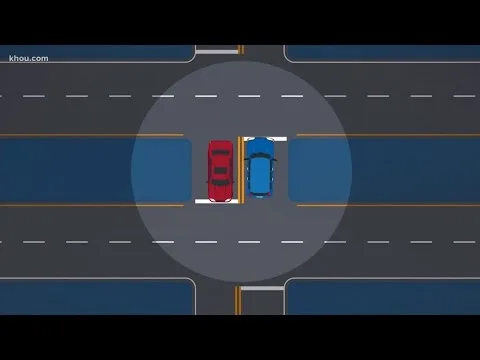
A divided highway in Rhode Island is any road with a physical barrier or unpaved median separating opposite-direction traffic. This includes concrete barriers, grassy medians, or raised curbs that prevent cross-traffic from moving between lanes without exiting the highway.
Undivided highways have no physical separation, only painted lines dividing travel lanes. The highway type is the deciding factor for whether you must stop for a school bus on the opposite side of the road.

The Exact Rules for Flashing Lights and Stop Arms
School buses use two distinct signal sets to communicate with drivers. Each signal has a specific, legally required driver response.
- Flashing amber lights: The bus is preparing to stop. Slow down and prepare to halt.
- Flashing red lights + extended stop arm: The bus is stopped for child pickup or dropoff. You must stop unless you’re on the opposite side of a divided highway.
- Retracted stop arm + off lights: The bus is resuming travel. You may proceed with caution.

When You Must Stop (Same Direction)
If you’re traveling in the same direction as a school bus on any road, you must stop when the bus displays flashing red lights and an extended stop arm. This rule applies to divided and undivided highways alike. There are no exceptions for same-direction traffic on divided roads.
Rhode Island law requires you to stop at least 25 feet away from the bus. This gap gives children safe space to cross the road or board the bus without risk of collision.

When You Don’t Stop (Opposite Direction on a Divided Highway)
You may continue driving if you’re on the opposite side of a divided highway with a physical barrier. The barrier prevents children from crossing into your travel lane, so the law does not require you to stop.
This exception does not apply to undivided roads. On undivided highways, all drivers in both directions must stop for a stopped school bus. If you’re unsure whether a median counts as a physical barrier, stop.
It’s better to be cautious than risk a fine or a crash.
What Happens If You Break the Law?
Violating Rhode Island’s school bus stop law carries a fine of up to $300. Fines may be higher if the violation puts a child at risk. In some cases, points may be added to your driver’s license.
Law enforcement uses both patrol cars and school bus cameras to catch violators. Many Rhode Island school districts have installed cameras that capture license plates of drivers who pass stopped buses illegally. Camera footage is admissible in court as evidence of the violation.
Common Mistakes Drivers Make (And How to Avoid Them)
The most common mistake is stopping on the opposite side of a divided highway when you don’t need to. This causes unnecessary traffic backups and can lead to rear-end crashes. The second most common error is failing to stop when you’re in the same direction as the bus.
To avoid these mistakes, use this simple decision rule. If you’re behind or beside the bus in the same direction, stop. If you’re on the opposite side of a road with a concrete or grass barrier, you may proceed.
If you’re ever unsure, stop.
Real-Life Scenarios: What to Do in These Situations
Scenario 1: You’re driving north on I-95 behind a stopped school bus with flashing red lights. You must stop 25 feet behind the bus, even though there’s a median between you and southbound traffic.
Scenario 2: You’re driving south on I-95 and see a stopped school bus on the northbound side with a concrete median between your lanes. You may keep driving, but stay alert for children who might cross the median at an intersection.
Scenario 3: You see a school bus with flashing amber lights on a local undivided road. Slow down immediately and prepare to stop. The bus will likely extend its stop arm and turn on red lights within a few hundred feet.
Rhode Island vs. Other States: How the Rules Differ
School bus stop laws for divided highways vary widely across the U.S. Rhode Island’s rule is more permissive than many neighboring states, which require all drivers to stop regardless of road type.
| State | Divided Highway Rule | Maximum Fine |
|---|---|---|
| Rhode Island | No stop required for opposite-direction traffic with a physical barrier | $300 |
| Massachusetts | All drivers must stop in both directions | $250 |
| Connecticut | No stop required for opposite-direction traffic with a physical barrier | $450 |
| New York | All drivers must stop in both directions | $400 |
As this table shows, fines and rules differ even among nearby states. Out-of-state drivers are the most common group cited for violating Rhode Island’s school bus stop law, per aggregate traffic enforcement data.
Expert Tips for Staying Safe and Legal
Always assume you need to stop unless you’re 100% certain you’re on the opposite side of a divided highway with a physical barrier. When in doubt, stopping is the safer, legal choice.
Watch for school buses during peak pickup and dropoff times, which are typically 7 to 9 a.m. and 2 to 4 p.m. Slow down in school zones and near bus stops, even if you don’t see a bus yet.
Official Sources and Where to Check for Updates
Rhode Island General Laws § 31-13-12 is the official statute governing school bus stop rules. For the most current enforcement guidelines, check the Rhode Island State Police traffic safety page. The Rhode Island Department of Transportation also publishes updates to road and school bus safety rules on its official website.
Local school districts may have additional safety policies for bus stops and routes. Contact your district directly if you have questions about specific stop locations or enforcement in your area.
Frequently Asked Questions
Do I have to stop for a school bus on a divided highway in Rhode Island?
No, you only need to stop if you’re traveling in the same direction as the bus, or if you’re on the opposite side of an undivided road. If you’re on the opposite side of a divided highway with a physical barrier, you may continue driving.
What’s the fine for passing a stopped school bus in Rhode Island?
The maximum fine is $300. Drivers may also face points on their license and higher insurance premiums after a violation.
How far do I need to stop from a school bus?
You must stop at least 25 feet away from the front or rear of the bus. This distance ensures children have a clear, safe path to board or exit the vehicle.
What do flashing amber lights on a school bus mean?
Flashing amber lights signal the bus is preparing to stop. Slow down immediately and get ready to halt when the lights turn red and the stop arm extends.
Can I pass a school bus with flashing red lights on a divided highway?
Only if you’re on the opposite side of a divided highway with a physical barrier separating your lanes from the bus’s travel lane. All other drivers must stop until the lights turn off and the stop arm retracts.
Are school bus stop laws the same in every state?
No, laws vary by state. Some states require all drivers to stop for school buses regardless of road type. Rhode Island exempts opposite-direction traffic on divided highways with physical barriers.