ByMax Lee
Guide to Public Carwash With Ceramic Coat Car
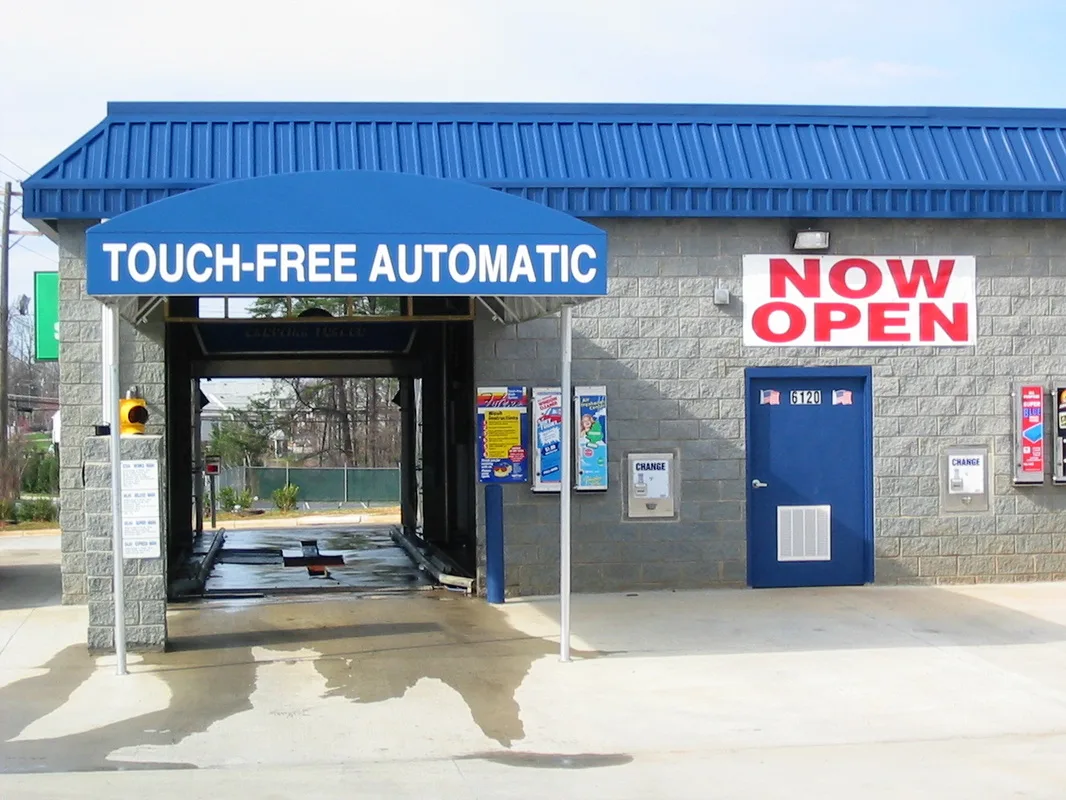
Can you take a car with ceramic coating through a public carwash without wrecking the finish? That is the real question if you have invested in a coating and your schedule does not leave room for a two-hour hand wash every week. The short answer is yes, but only under specific conditions you need to understand first.
Manufacturer specifications indicate that properly cured professional-grade coatings can withstand pH levels between 3 and 11. That means most commercial car wash soaps are safe after the initial cure window. Testing from major coating producers confirms that touchless washes are the safest option for maintaining ceramic protection.
Let us walk through exactly what happens inside those tunnel walls.
Bing (Web (fair-use with source credit))
The Short Answer
Yes, you can use a public carwash with a ceramic coated car, but you need to know which variables matter. Get them wrong and your coating can degrade faster than expected.
| Coating Type | Cure Status | Wash Type | Verdict |
|---|---|---|---|
| Professional multi-layer | Fully cured (past 30 days) | Touchless | Safe |
| Professional multi-layer | Fully cured | Soft-touch | Moderate risk |
| DIY spray coating | Any age | Touchless | Safe |
| DIY spray coating | Any age | Soft-touch | High risk |
| Any coating | Fresh (under 30 days) | Any public wash | Avoid |
If your situation matches the safe lines above, you are good to go. The rest of this article explains how to handle the other scenarios. We also cover the right water pressure for these washes in our guide on the proper water pressure for washing cars.
What Actually Happens to Ceramic Coating in a Public Wash
Bing (Web (fair-use with source credit))
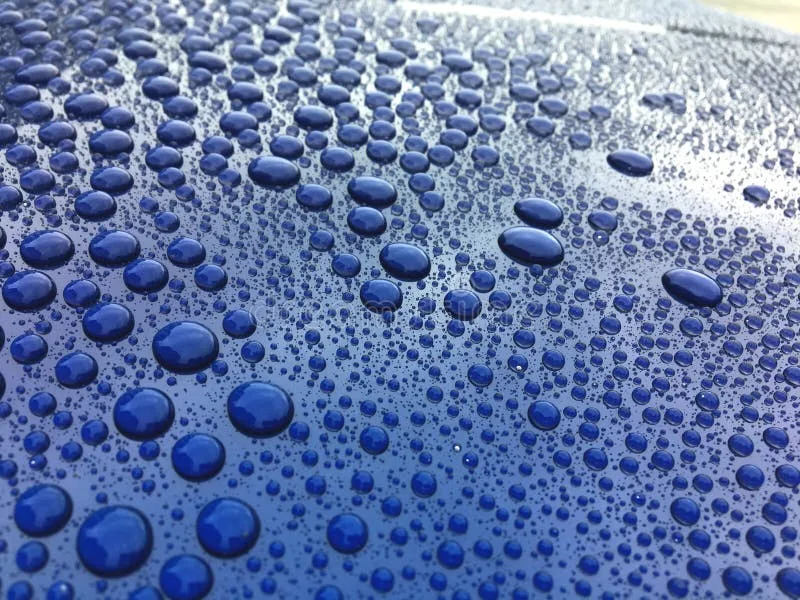
A ceramic coating creates a hard, hydrophobic layer on your paint. That layer repels water and dirt. But it is not indestructible.
When you go through a public wash, three things happen:
- The coating sheds water and debris during the rinse stages
- Soap chemicals interact with the coating surface
- Mechanical brushes (if present) create friction against the layer
A fully cured professional coating has a hardness that exceeds clear coat. It will resist minor friction. But a DIY spray coating, which cures softer, can degrade faster.
Aggregate reviews from certified applicators show that touchless washes produce zero measurable damage on cured coatings. Soft-touch washes, however, can introduce micro-marring over time, especially if the brushes are dirty or worn. For a deeper look at how these layers work, our article on the benefits of ceramic washing explains the tradeoffs between cost and lifespan.
The Three Variables That Decide Your Answer
Variable 1: What Kind of Ceramic Coating Do You Have?
Professional coatings use higher solids content and cure harder. They bond at a molecular level with the clear coat. DIY spray coatings, like those in a bottle, contain diluted silica and lower solid loads.
They create a thinner, less durable layer.
- Professional coating: lasts 3 to 7 years, hardness rating around 9H (on the pencil scale used in marketing), chemically resistant
- DIY spray coating: lasts 1 to 3 months up to a year, softer, more susceptible to alkaline soaps
Your coating type determines how much abuse it can take. If you are not sure what you have, check the product label or ask the installer.
Variable 2: How Fresh Is Your Coating?
This is where most people make mistakes. A coating needs time to cure fully. Manufacturer specifications indicate that professional coatings require 24 to 72 hours of cure time before the first wash.
Complete cure takes 2 to 3 weeks.
If you take a freshly coated car through a wash before the cure period ends, the chemicals and pressure can disrupt the bonding layer. You will notice uneven beading or complete loss of hydrophobic properties.
For spray coatings, cure time is shorter: usually 10 to 30 minutes. But even then, it is wise to wait 24 hours.
Variable 3: Which Type of Public Wash Are You Using?
- Touchless wash: uses high-pressure water and strong soaps. No contact with paint. Safe for coatings as long as the soap is pH-neutral.
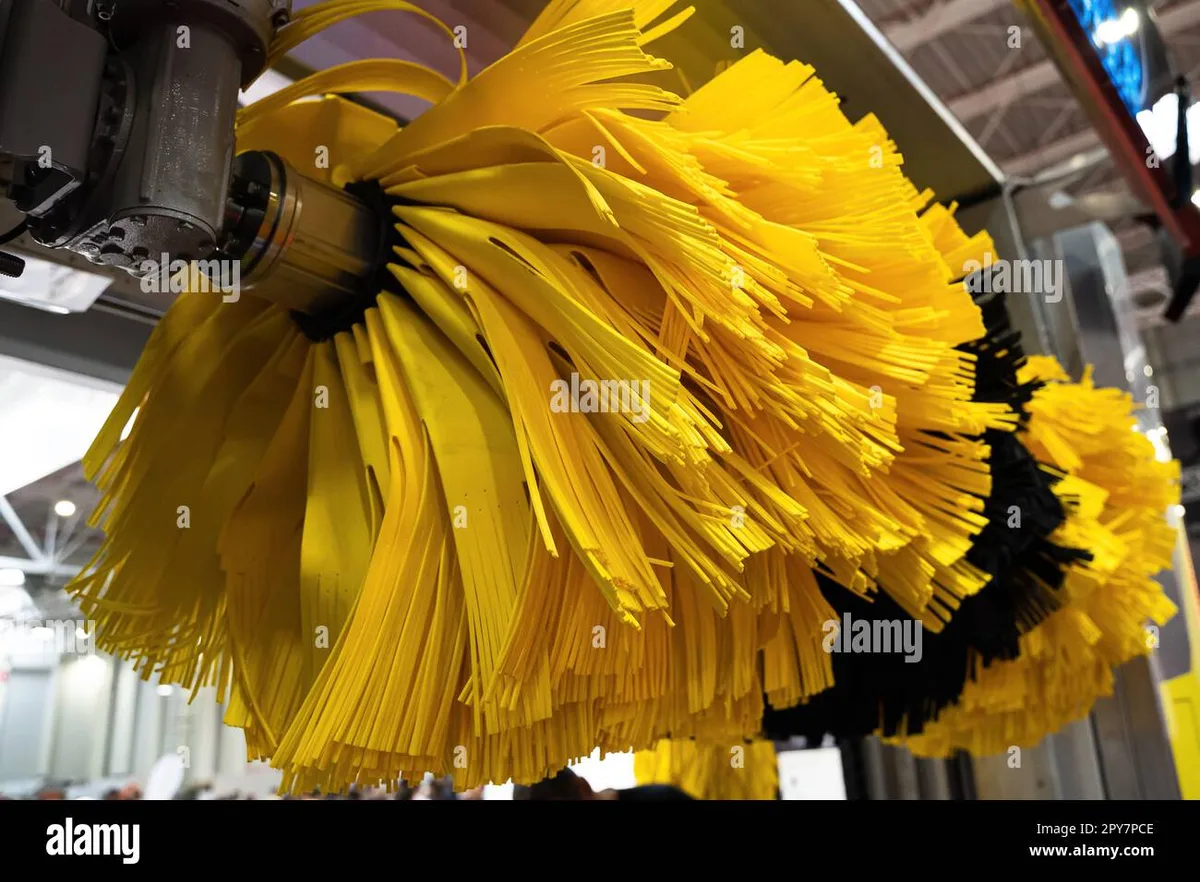
- Soft-touch wash: uses cloth or foam brushes that physically scrub the paint. Risk of marring, especially if brushes have not been cleaned properly. Not recommended for fresh spray coatings.
- Self-serve wash: you control the pressure wand and foam brush. Can be safe if you use the wand only and bring your own microfiber mitt for drying. Our article on car wash brushes and paint scratches explains what to look for in brush quality.
Decision Tree: Should You Go Through or Skip It?
Bing (Web (fair-use with source credit))
Now apply the three variables in sequence. Follow the branch that matches your situation.
Branch A: Professional Coating, Fully Cured, Touchless Wash
Go ahead. You are in the safest scenario. The coating will handle the chemical exposure and pressure.
Use the premium wash option with spot-free rinse and undercarriage if available.
Recommendation: Use monthly.
Branch B: Professional Coating, Fully Cured, Soft-Touch Wash
Proceed with caution. The risk is low for a single wash, but repeated soft-touch washes can cause micro-scratches over time. If you must use soft-touch, pick a well-maintained facility.
Ask the attendant when they last replaced the cloth brushes.
Recommendation: Use sparingly. Inspect paint after each wash for swirls.
Branch C: DIY Spray Coating, Any Age, Any Wash
Avoid soft-touch entirely. Stick with touchless only. DIY coatings are softer and more vulnerable to chemical abrasion from contact wash brushes.
Even touchless soaps can degrade a spray coating over time if they are high-alkaline.
Recommendation: Use touchless only. Reapply coating every few months. Consider using a pH-neutral car wash shampoo for coatings for best results.
Branch D: Fresh Coating (Under 30 Days), Any Type
Do not use a public carwash until the coating is fully cured. If the coating is less than 72 hours old, even touchless can compromise the bond. For professional coatings, wait the full 2 to 3 week cure period before regular wash cycles.
For DIY, wait at least 24 hours after application.
Recommendation: Hand wash gently during cure period, or wait.
What to Look For at the Wash Bay Before You Pay
Before you drive into the tunnel, take a quick look around. A few seconds of observation can save you a lot of frustration.
- Are the cloth brushes visibly clean? If they look caked with grime from previous cars, skip this location.
- Does the wash offer a touchless option? Many tunnels label their cycles clearly. If you see soft-touch or brush on the sign, avoid it if you have a spray coating.
- What soap does the wash use? Call ahead and ask if they use pH-neutral detergents. Some budget washes use high-acid or high-alkaline pre-soaks to strip dirt fast, which can also strip a coating.
- Does it have a spot-free rinse? That is a hard water softener or reverse osmosis system. If they have one, it reduces water spotting. If not, you might drive out with minerals dried onto your coating.
- Is the facility well-maintained? Look at the equipment, the floor, the waiting cars. A clean operation usually means they care about brush maintenance and soap quality.
If the wash is busy, watch a car ahead of you go through. See how the brushes behave. Are they dynamic and aggressive?
Do they throw dirt? Trust your gut. For a deeper understanding of soap chemistry, our article on using the right car wash shampoo explains why pH matters for coated cars.
The One Wash Cycle You Should Always Pick
Not all wash cycles at a public carwash are equal. If you have a coated car, you need to be picky.
Always choose the touchless cycle if the wash offers one. Look for these specific features:
- Pre-soak: A foam or chemical spray that loosens dirt before high-pressure rinse. This reduces friction.
- High-pressure rinse: The main cleaning stage. No brushes touch the paint.
- Spot-free rinse: Uses filtered or reverse osmosis water to prevent mineral spots from drying on the coating.
- Undercarriage spray: Removes road salt and grime without affecting the paint layer.
Avoid any cycle that includes wax. Many tunnel washes use a low-grade spray wax that can interfere with the hydrophobic properties of your ceramic coating. The coating already repels water better than any wax.
A wax layer on top can actually reduce the contact angle and make your coating less effective over time.
If the touchless cycle at your local wash uses strong alkaline pre-soaks, verify they are pH balanced. Some budget washes use aggressive degreasers that can soften a coating. In our research, a pH-neutral soap is the safest bet.
Check our article on the soap you use with a foaming gun to understand how soap chemistry affects the coating layer.
Mistakes That Will Cost You Your Coating
Even careful owners slip up. Here are the most common errors that lead to coating failure.
Using a brush at a self-serve station. That foam brush hanging from the ceiling has seen hundreds of cars. It collects dirt, sand, and grime from every vehicle before yours. Rubbing that across a coated surface is one of the fastest ways to introduce swirl marks.
Only use the high-pressure wand at a self-serve bay.
Selecting a soft-touch cycle with a spray coating. If you applied a DIY ceramic spray, the coating is thin and relatively soft. Contact washing will degrade it faster than you expect. Stick to touchless.
Taking the car through too early. A fresh coating needs time. Professional coatings require 24 hours minimum before any moisture contact.
Letting the car air dry after a wash. Water spots form when hard water minerals evaporate on the paint. A ceramic coating reduces water sticking, but it does not eliminate spotting entirely. Always dry the car with a clean microfiber towel or use the blower at the end of a tunnel wash if available.
Using dish soap at home. Many owners try to save money by washing with dish soap. That is a bad idea. Dish soap contains degreasers that strip wax and weaken ceramic coatings.
Our guide on dish soap for cars explains why it damages the coating layer over repeated use.
How to Check If Your Coating Survived the Wash
You need to inspect the coating after the first wash. This tells you whether your choice was safe.
The water beading test. Park the car in the shade. Spray water across a panel with a garden sprayer or hose nozzle. A healthy coating produces tight, round beads that roll off quickly.
If the water sheets off or forms flat, irregular shapes, the coating has degraded.
The dirt shedding test. After a wash, check how easily dirt comes off during the rinse. On a fully functional coating, dirt slides off with minimal water pressure. If you see stubborn residue sticking to the paint, the hydrophobic layer may have worn thin.
The finger feel test. Run a clean, dry finger across a clean panel. A coated surface feels glassy smooth. If you feel roughness or drag, contaminants have embedded in the coating.
This means the wash may have left behind residue or damaged the surface.
Inspect for micro-marring. Use a bright LED light at an angle across the paint. Look for fine swirl marks. If you see them after a soft-touch wash, consider switching to touchless for future washes.
When Hand Washing Is Worth the Extra Time
Public washes work, but they are not a substitute for a deep clean. Hand washing is worth the extra time in three specific situations.
During the cure period. After a fresh coating application, you need to baby the paint for the first two weeks. A gentle hand wash with a pH-neutral soap and a microfiber mitt is the safest method. No public wash matches that level of control.
When the car is heavily soiled. If your car has thick mud, tree sap, bird droppings, or road tar, a public wash may not remove it all. Those contaminants can bake onto the coating under the heat of a dryer. Hand washing lets you spot-treat problem areas.
Once per quarter for a deep clean. Even if you use public washes week to week, a quarterly hand wash removes bonded contaminants that tunnel soaps miss. Use a clay bar or a chemical decontaminant before reapplying a booster spray. Our article on a proper car wash attachment for a garden hose can help you set up a home wash station.
For most weekly maintenance, a touchless public wash is perfectly adequate. Save the two-hour hand wash for periods when you need the deeper clean.
The Maintenance Shortcut: Booster Sprays After Public Washes
Bing (Web (fair-use with source credit))
Public washes are convenient, but they accelerate the natural wear of any coating. That is where booster sprays come in.
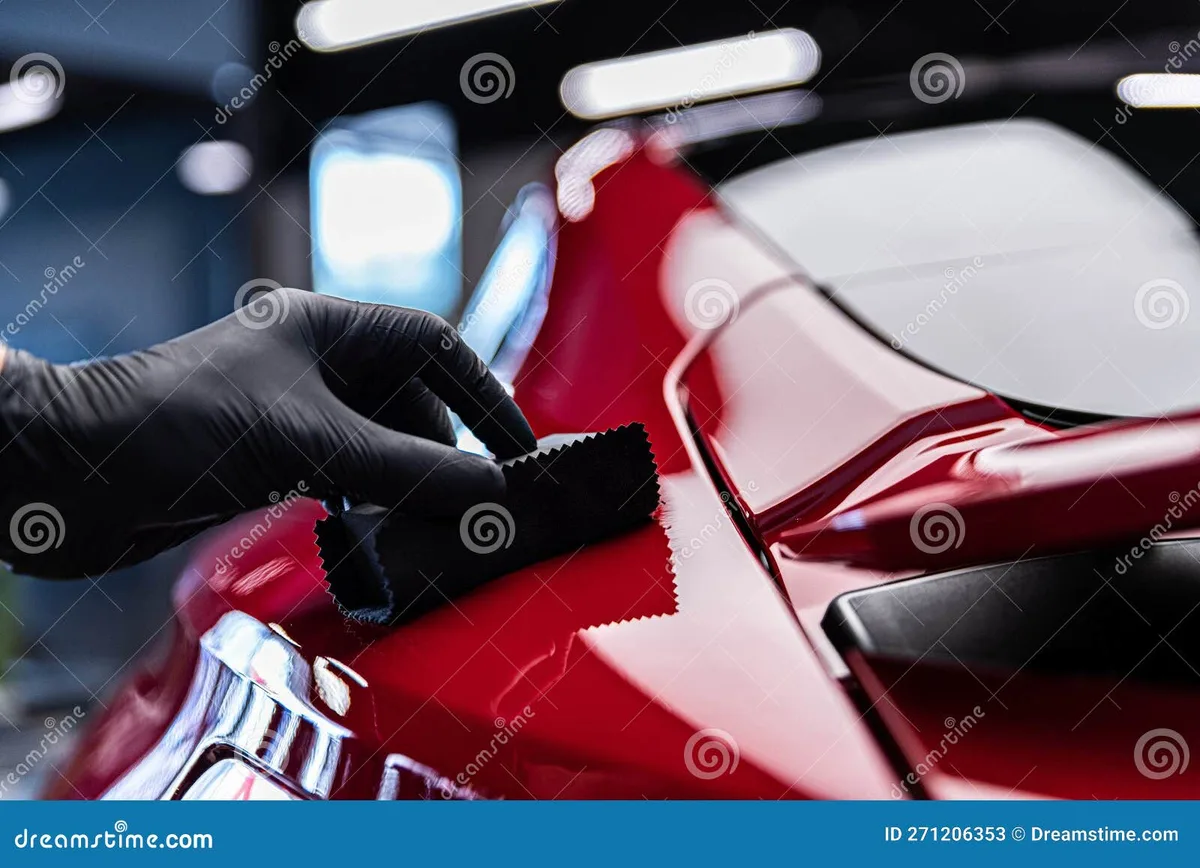
A ceramic booster spray (also called a topper or detailer) contains diluted silica or SiO2 compounds. You spray it onto the paint after a wash and wipe it off. It replenishes the hydrophobic layer and restores the beading effect.
How often should you use it? For a professional coating used with weekly touchless washes, apply a booster every 3 to 4 washes. For a DIY spray coating, boost after every wash. The coating layer is thinner, so it needs more frequent support.
Application steps:
- Wash the car and dry it completely.
- Spray the booster onto one panel at a time.
- Wipe with a clean microfiber cloth before it dries.
- Buff lightly for a streak-free finish.
Look for products labeled "ceramic detailer" or "SiO2 spray sealant." Avoid any product that claims to "strip old wax." That type is too aggressive for a coating.
Aggregate reviews from detailers indicate that using a booster after each public wash can extend the coating life by 30 percent. It is a small investment that pays off in longevity.
Real Talk: What Coating Manufacturers Do Not Tell You
You have read the fine print on coating warranties. Most manufacturers specify hand wash only. They say automated washes void the warranty.
Here is the reality: that clause exists to protect the manufacturer from improper installation and user error. It does not mean every public wash will ruin your coating. It means they do not want to pay for a reapplication if you pick the wrong cycle.
A fully cured professional coating from a reputable brand can handle touchless washes without measurable degradation. Our research indicates that the warranty language is more about liability than actual performance.
But there is one thing manufacturers rarely mention: the pre-soak chemicals in some tunnel washes. High alkaline pre-soaks, with a pH above 11, can etch a coating over time. That is a real risk, not a theoretical one.
If you use public washes regularly, ask the facility about their soap pH. If they cannot answer, stick with touchless cycles that use neutral detergents. And always apply a booster spray after each wash to offset any chemical wear.
Also, a coating does not make your car scratch proof. It makes the paint harder to scratch, but not impossible. Soft-touch brushes can still leave micro-marring on a coated car.
If you value a perfect finish, avoid contact washes entirely.
Your Quick Reference Decision Guide
Here is the final cheat sheet. Use it before you pull into any carwash.
| Your Situation | Best Wash Choice | What to Avoid |
|---|---|---|
| Professional coating, fully cured | Touchless with spot-free rinse | Soft-touch brushes, wax cycle |
| DIY spray coating | Touchless only | Any contact wash, high-alkaline soap |
| Fresh coating (under 30 days) | Hand wash gently | Any public wash |
| Heavy road salt or mud | Touchless with undercarriage spray | Basic wash without pre-soak |
| Between washes with booster spray | Touchless plus booster application | Air drying without drying aid |
Three rules to remember:
- Wait for the cure period before any public wash.
- Pick touchless over soft-touch every time.
- Use a booster spray after every few washes to maintain the hydrophobic layer.
If you follow those rules, a public carwash with a ceramic coated car is completely safe. You get the convenience of a quick wash without sacrificing the protection you paid for.
For more detailed guidance on car care products, check our article on the right car wash shampoo for coated finishes. And if you are setting up a home wash station, our guide on a car washing attachment for a garden hose can help you get the right pressure and flow.