Rhode Island blue and red light prohibition for private motor vehicles is a strict rule that catches many drivers off guard. The state bans these colors on any non-emergency vehicle, and violating it can mean fines or even having your car impounded. It’s not just about underglow, even interior lights in those colors can land you in trouble.
As of 2026, Rhode Island General Laws § 31-25-3 explicitly prohibits red or blue lights visible from outside the vehicle unless you’re an authorized emergency or government vehicle. This isn’t just a suggestion; it’s enforced by state police and DMV inspections.

Quick Answer
Rhode Island bans blue and red lights on private vehicles. This includes underglow, dash lights, or any exterior lighting in those colors. Only emergency and authorized government vehicles are exempt.
Violations can result in fines up to $500.
The Exact Law: Rhode Island’s Official Prohibition
Rhode Island’s law is clear: no private vehicle can display red or blue lights visible from outside. The rule is outlined in Rhode Island General Laws § 31-25-3, which covers vehicle equipment standards. This applies to all passenger cars, trucks, and motorcycles registered in the state.

The prohibition isn’t limited to moving vehicles. Even parked cars with visible red or blue lights can be cited. The law doesn’t distinguish between factory-installed and aftermarket lighting, if it’s red or blue and visible externally, it’s illegal.
Who’s Exempt? Emergency Vehicles and Authorized Cases
Emergency vehicles are the only exception to this rule. This includes:
- Police cars
- Fire trucks
- Ambulances
- Authorized government vehicles
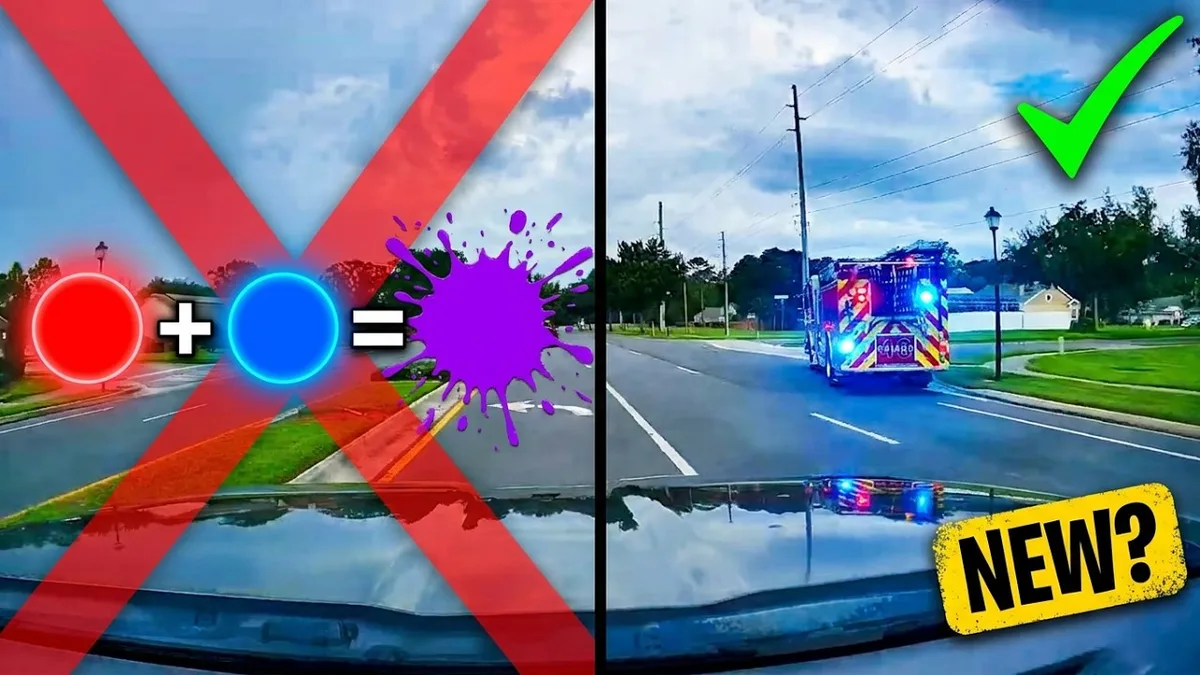
Private security vehicles, tow trucks, and construction vehicles do not qualify for this exemption. Even if your job involves roadside assistance, red and blue lights remain off-limits unless you’re officially authorized by the state.
Why This Rule Exists: Safety and Public Confusion Risks
The ban exists to prevent confusion with emergency vehicles. When drivers see red or blue lights, they instinctively pull over or make way. If a private car mimics these signals, it can create dangerous situations.
Rhode Island takes this seriously because miscommunication on the road can have deadly consequences. The state prioritizes clear, unambiguous signals for true emergencies.
What Happens If You’re Caught with Prohibited Lights?
If you’re pulled over with illegal red or blue lights, you’ll likely receive a citation. Fines start at $85 but can climb to $500 depending on the circumstances. In some cases, officers may require you to remove the lights on the spot or face vehicle impoundment.
Repeat offenses can lead to higher penalties. The citation will also appear on your driving record, which may affect insurance rates. If you’re a new resident, you’re expected to comply immediately, there’s no grace period for out-of-state lighting.
The DMV may also flag your vehicle during its annual safety inspection if prohibited lighting is visible. You’ll need to remove or disable the lights before passing inspection.
Allowed Alternatives: Amber, White, and Other Compliant Lights
Rhode Island permits several other light colors for private vehicles. Amber and white are the most common alternatives for warning or accent lighting. These are often used by:
- Construction vehicles (amber only)
- Tow trucks (amber only)
- Private security (amber only, with restrictions)
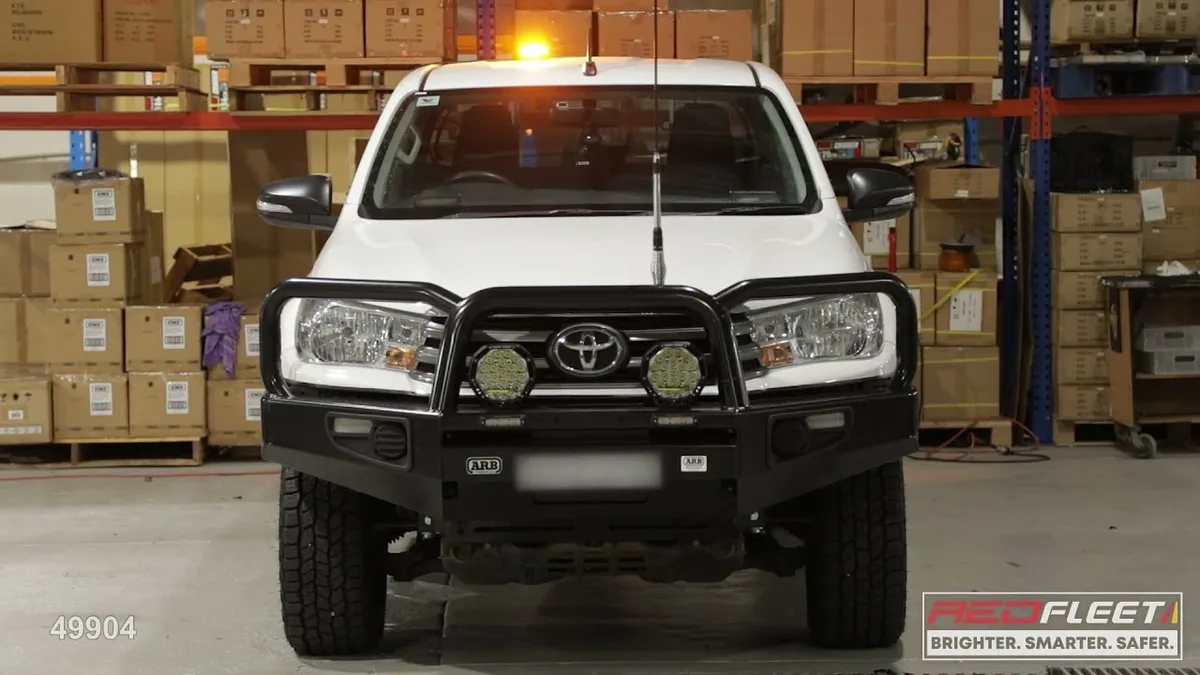
Green lights are also allowed but with strict limitations. They’re typically reserved for volunteer fire or EMS personnel responding to emergencies.
For interior lighting, there are no color restrictions as long as the light isn’t visible from outside the vehicle.
Common Mistakes That Get Drivers in Trouble
Many drivers think small modifications won’t draw police notice. That assumption almost always backfires. The most common error is installing blue or red underglow kits, even for show-only use.

Another frequent misstep happens when people move to Rhode Island from out of state. If your previous home allowed red or blue civilian lighting, you might not realize it’s banned here. New residents often get cited within their first few months of re-registering their vehicle.
Many drivers also ignore interior lighting rules. Red dash lights or blue footwell LEDs seem harmless, but they’re illegal if they shine through windows at night.
How to Check If Your Vehicle’s Lights Are Legal in RI
Checking your lighting compliance takes 10 minutes or less. Start by walking around your car after dark. Turn on every light, including interior accents, to see if any red or blue glow is visible from the street.
Next, review any aftermarket lighting you’ve installed. If you bought a kit online, check the product description for color specifications. Many budget underglow kits default to red or blue, even if you didn’t intend to buy those colors.
For factory-installed lights on out-of-state vehicles, compare your setup to Rhode Island’s allowed color list. If you’re unsure, contact the Rhode Island DMV directly for clarification before driving.
Moving to Rhode Island? How to Make Your Car Compliant
New residents have a short window to adjust their vehicle lighting. You’re required to comply with state rules when you register your car in Rhode Island, which happens within 30 days of moving.
Start by auditing every light on your vehicle, including underglow, interior accents, and cargo area lights. Disable or remove any red or blue components that are visible from outside.
Keep receipts for any modifications you make. You may need to show proof of compliance during your initial DMV registration or first safety inspection.
Out-of-State Drivers: What You Need to Know
Visitors driving through Rhode Island are still subject to the state’s lighting ban. You don’t need to be a resident to get a ticket for illegal lighting.
The rules apply equally to rental cars, RVs, and commercial work trucks from other states. If you’re passing through, double-check that no red or blue lights are active or visible before you cross the border.
If you’re driving an emergency vehicle for work in another state, carry proof of your authorization. Rhode Island law enforcement may ask to see documentation proving your exemption status.
Contesting a Citation: Your Options in Rhode Island
If you get a ticket for prohibited lighting, you have the right to contest it. Start by reviewing the citation details carefully. Note the exact violation code and the date of the offense.
You can request a hearing through the Rhode Island Traffic Tribunal within 21 days of receiving the ticket. Bring any proof of compliance if you’ve fixed the issue since the citation was issued. Photos of your modified lighting, DMV inspection paperwork, or receipts for part removal all help your case.
If the citation was issued in error, you can present evidence to a judge. Common successful defenses include proof that the lights were not operational at the time of the stop, or that the lights were interior-only and not visible from outside the vehicle.
Expert Tips to Stay on the Right Side of the Law
When in doubt, leave it out. If you’re considering any lighting modification, assume red and blue are off-limits unless you’re 100% certain of an exemption.
For show cars, use removable lighting systems. Many enthusiasts install temporary underglow for car meets, then remove it before driving on public roads.
If you’re buying a used car in Rhode Island, inspect the lighting carefully. Previous owners may have installed non-compliant modifications.
Use Cases / Best For / Who It’s Right For
This law affects every driver in Rhode Island, but some groups need to pay extra attention. Private vehicle owners with aftermarket lighting are the most at risk.
Commercial drivers should verify their lighting setups. Only amber is permitted for most commercial uses unless you have specific state authorization.
Out-of-state visitors and new residents must act quickly. You’re expected to comply immediately upon entering Rhode Island or registering your vehicle.
Mistakes to Avoid / Common Errors
Assuming small lights won’t be noticed is a costly mistake. Even a faint blue glow under your car can be visible at night.
Ignoring interior lighting rules is another common error. Always test your lighting from outside the vehicle after dark.
Buying "street legal" kits without checking Rhode Island’s specific rules leads to trouble. Many online sellers don’t account for state variations.
Costs / Pricing / Data / Specs
| Violation Type | Fine Range | Additional Costs |
|---|---|---|
| First offense | $85–$200 | Court fees, possible inspection costs |
| Repeat offense | $200–$500 | Higher insurance premiums, points on license |
| Vehicle impoundment | Varies | Towing and storage fees |
Removing prohibited lighting typically costs between $50 and $200 at a professional shop. Replacement compliant lighting ranges from $20 to $150 depending on quality.
Safety / Legal / Compliance / Warnings
Rhode Island’s lighting laws exist for public safety. The state enforces these rules strictly because confused drivers create dangerous situations.
Remember that local police departments may have additional ordinances. When in doubt, check with both the Rhode Island State Police and your local police department.
If you receive a citation, address it promptly. Ignoring the ticket can lead to increased fines, license suspension, or even a warrant for your arrest.
Maintenance / Long-Term Optimization
Regularly check your vehicle’s lighting to stay compliant. After any modification, test all lights from outside the car at night.
For commercial vehicles, schedule quarterly lighting inspections. Replacing burnt-out bulbs promptly maintains both safety and legality.
If you frequently drive across state lines, keep a compliance checklist. Rhode Island’s rules differ from neighbors like Massachusetts and Connecticut.
Real Scenarios / Case Examples
A Providence driver received a $200 fine after installing blue underglow for a car show. The citation came during his drive home when an officer spotted the faint glow.
In Warwick, a new resident from New York got pulled over within a week of moving. His car had factory-installed red accent lights that were legal in his previous state.
A Cranston tow truck operator faced a $500 fine for using red beacons. The citation stood because only amber is permitted for non-emergency commercial vehicles in Rhode Island.
Final Recommendation / Verdict / Decision Guide
When it comes to vehicle lighting in Rhode Island, the rule is simple: no red or blue lights visible from outside your car.
If you're considering any lighting modifications, stick to amber or white. For emergency vehicles, ensure you have proper state authorization before using red or blue lights.
When in doubt, consult the Rhode Island DMV or State Police. Compliance is always cheaper than citations.
Frequently Asked Questions
Can I use red or blue interior lights in my car in Rhode Island?
No, if they are visible from outside the vehicle. Rhode Island law bans any red or blue light visible from public roads, even interior LEDs.
Do out-of-state registered vehicles have to follow Rhode Island’s lighting rules?
Yes, all vehicles operating on Rhode Island public roads must comply, regardless of registration state.
Are underglow lights illegal in Rhode Island if they only turn on at car shows?
Yes, if they are red or blue and capable of being activated on public roads. Rhode Island does not have a show use only exemption for prohibited lighting colors.
What lighting colors are allowed on private vehicles in Rhode Island?
Amber and white are fully permitted for external use. Green lights are allowed only for volunteer fire or EMS personnel.
Can I get a ticket for red or blue lights if they are turned off?
Yes, if the lights are operational and capable of being activated. Officers may issue a citation if the lights are present and wired for use.
How can I contest a red or blue light citation in Rhode Island?
You can request a hearing through the Rhode Island Traffic Tribunal within 21 days. Bring proof of compliance if you have removed the lights since the citation.