If your car failed Rhode Island’s emissions test, you’re not stuck with an endless repair bill. Rhode Island failed emissions test repair waivers and compliance standards let you get a temporary pass if you’ve spent enough on fixes but still can’t pass. The rules are strict, but they’re designed to keep you legal without breaking the bank.
As of 2026, Rhode Island’s program caps repair costs at $650 for waiver eligibility, and the process is run by the DEM with DMV enforcement. Here’s what you need to know to stay on the road legally.
Quick Answer
Rhode Island offers a repair waiver for failed emissions tests. You must spend $650 on qualifying repairs at a licensed shop. The waiver is valid for one year or until your next inspection.
It does not exempt you from future testing.
How Rhode Island’s Emissions Test and Waiver System Works
Rhode Island’s Vehicle Inspection Program (VIP) requires most gas-powered cars to pass an emissions test every two years. The test uses the I/M 240 standard for 1996 and newer models via On-Board Diagnostics (OBD-II) checks. Older vehicles get a traditional tailpipe test for pollutants like CO, HC, and NOx.
A failed test report will list exactly which readings are over DEM limits.

The OBD-II check scans for stored fault codes and readiness monitor status. If your car has a pending DTC like P0420 (catalyst inefficiency), it will fail automatically. Tailpipe tests measure actual exhaust output against strict state thresholds.
Who Qualifies for a Repair Waiver (And Who Doesn’t)
You qualify if your car fails an official RI emissions test and you spend $650 on qualifying repairs at a licensed shop. The repairs must directly address the failure listed on your test report. Routine maintenance like oil changes or tire rotations does not count toward the threshold.
You do not qualify if your car failed due to tampered or removed emissions equipment. Gross polluters with extremely high exhaust readings are also excluded from the waiver program. Electric vehicles, hybrids, and cars older than 25 years are fully exempt from testing, so they never need a waiver.
The $650 Repair Cost Cap: What Counts and What Doesn’t
Rhode Island sets a $650 minimum repair spend for waiver eligibility. This threshold ensures you’ve made a good-faith effort to fix the issue before requesting a waiver. The cap applies only to labor and parts directly tied to your emissions failure.
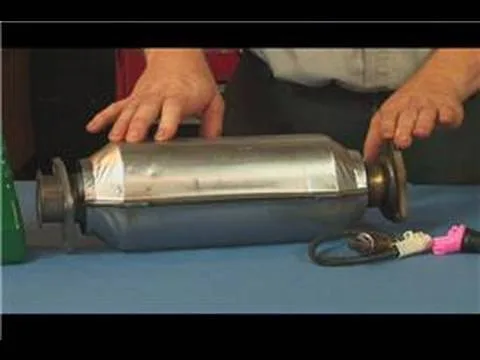
Qualifying costs include diagnostic fees, catalytic converter replacement, oxygen sensor repairs, and EVAP system fixes. Non-qualifying costs include brake jobs, suspension work, oil changes, and any repairs unrelated to emissions. All receipts must be itemized and come from a state-licensed repair facility.
Step-by-Step: How to Apply for a Rhode Island Emissions Waiver
Start by getting your official failed test report from the inspection station. This document lists the specific emissions issues your car has. Next, take your car to a state-licensed repair shop to fix the listed problems.
Keep every itemized receipt for the work done.
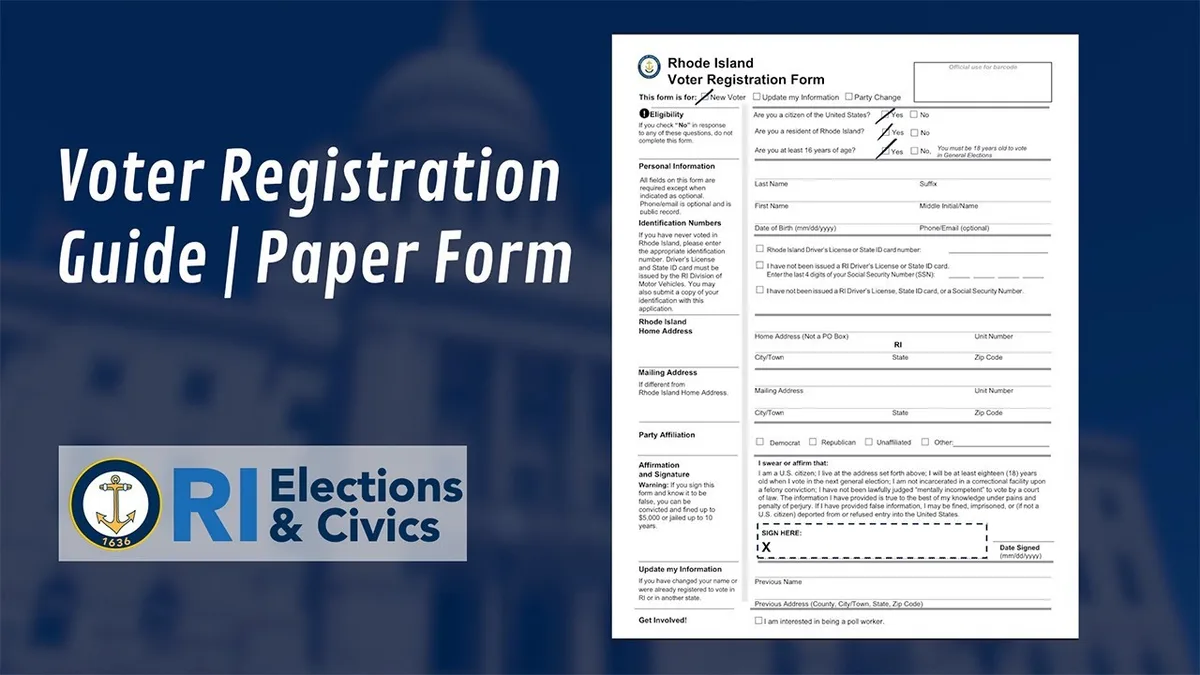
Download the waiver application from the Rhode Island DEM website. Fill out the form with your vehicle info, test failure details, and attach all repair receipts. Submit the completed package to the DEM online, by mail, or in person per current guidelines.
You’ll get a decision in 5 to 10 business days.
What to Do If Your Waiver Gets Denied
Most denials stem from incomplete paperwork or non-qualifying repair costs. Review the denial notice carefully to see exactly what was missing or incorrect. Common issues include un-itemized receipts, repairs from unlicensed shops, or work unrelated to the test failure.
You can reapply immediately after fixing the noted issues. There is no extra fee to resubmit a corrected application. If your waiver is denied twice, you will need to repair the vehicle to pass the test to keep your registration valid.
Common Reasons for Emissions Test Failures in RI (And How to Fix Them)
The most frequent OBD-II failures come from "not ready" status on key monitors like the catalyst or oxygen sensor. This usually means your car’s computer hasn’t run its self-checks recently. Drive your car for 50 to 100 miles after clearing a fault code to reset the monitors before re-testing.
Tailpipe failures almost always tie to high hydrocarbon or carbon monoxide levels. These readings point to issues like a worn spark plug, leaking fuel injector, or bad catalytic converter. Fixing these small issues early avoids the need to hit the $650 repair cap.
Rhode Island vs. Other States: How Waiver Programs Compare
Rhode Island’s $650 repair cap is higher than Massachusetts’ $600 limit but far more accessible than Connecticut’s program. Connecticut has no repair waiver option at all, so drivers must fix their car to pass no matter the cost.
| State | Repair Cost Cap | Low-Income Waiver Option | Exemption for 25+ Year Vehicles |
|---|---|---|---|
| Rhode Island | $650 | No | Yes |
| Massachusetts | $600 | Yes | Yes |
| Connecticut | None | No | Yes |
New Hampshire has a $450 cap for its waiver program, which is far lower than Rhode Island’s threshold. If you move out of state, your RI waiver will not transfer to another state’s inspection program.
Driving with a Failed Test: Legal Risks and Penalties
Your registration is invalid the day your emissions test fails. Driving with an expired registration can lead to a $85 initial fine if you are pulled over. Fines rise to $500 if you ignore the failure for multiple months.
The DMV will place a hold on your registration renewal until you pass the test or get an approved waiver. You cannot renew your license plates or get a new registration while the hold is in place. A waiver clears the hold immediately upon approval.
Exemptions You Might Not Know About (Older Cars, EVs, and More)
Vehicles 25 years or older are fully exempt from Rhode Island emissions testing. For 2026, that means any model year 2001 or earlier car does not need to test at all. Antique and classic cars registered under RI’s historic vehicle program also qualify for a full exemption.

Battery electric and hydrogen fuel cell vehicles produce zero tailpipe emissions, so they are permanently exempt. New gas-powered cars are exempt for their first two model years after purchase. Always confirm current exemptions on the official DEM website before scheduling a test.
Costs, Timelines, and Key Deadlines to Remember
The standard RI emissions test costs $39 for most vehicles. Re-tests completed within 30 days of a failed test are often free at the same station. Waiver applications have no filing fee, but you will pay for all required repairs.
You have exactly 30 calendar days from your failed test date to complete repairs and submit a waiver application. Missing this window forces you to restart the entire process, including paying for a new test. Approved waivers are valid for 12 months or until your next biennial inspection, whichever comes first.
Mistakes That’ll Get Your Waiver Rejected (And How to Avoid Them)
Submitting receipts that don’t list specific emissions-related work is the most common rejection reason. Every receipt must name the exact part or service tied to your test failure. Generic shop invoices with no line items will be rejected immediately.
Using an unlicensed repair shop is an automatic disqualifier. Only repairs from Rhode Island state-licensed facilities count toward the $650 cap. Tampering with your car’s emissions equipment, like removing a catalytic converter, will bar you from the waiver program entirely.
Where to Get Official Help (And Who to Trust)
The Rhode Island DEM runs the emissions waiver program and is your most reliable source for rules and forms. Their website hosts the latest application, exemption lists, and a searchable directory of licensed repair shops. You can call their emissions hotline at (401) 222-2795 for direct assistance with application questions.
The RI DMV handles registration holds and renewal once you have a waiver or passing test. Avoid third-party "waiver services" that charge extra to submit paperwork for you, as these are not affiliated with the state and often submit incomplete applications.
Frequently Asked Questions
Can I drive my car after a failed emissions test in Rhode Island?
No. Your registration is invalid immediately after a failed test, so driving is illegal. You can only drive directly to a repair shop or inspection station for re-testing.
Do I need a safety inspection to get a waiver?
Yes. Rhode Island requires a passing safety inspection for all vehicle registrations, separate from the emissions test. The waiver only covers the emissions requirement, not the safety check.
What if I can’t afford the $650 in repairs?
Rhode Island has no income-based repair assistance program for emissions waivers. You will need to cover the repair costs to qualify, or repair the car enough to pass the test without hitting the cap.
Can I appeal a denied waiver application?
Yes. You can request a formal appeal with the DEM within 15 days of receiving your denial notice. Submit any missing documentation or proof of qualifying repairs with your appeal request.
Do out-of-state vehicles need a Rhode Island emissions test?
Yes. If you move to Rhode Island, you must register your vehicle within 30 days and pass the state’s emissions test if it applies to your car. Out-of-state test results are not accepted for RI registration.
How often do I need to renew my waiver?
Waivers are valid for 12 months or until your next scheduled biennial inspection, whichever comes first. You will need to pass a new emissions test or reapply for a waiver when your current one expires.