Black Friday deals are live on Amazon · limited-time discounts, grab them before they’re gone
Grab the deals

ByMax Lee
RI Utility Trailer Registration: 5 & 10 Year Options
Rhode Island 5 year and 10 year registration options for utility trailers let you skip the annual DMV hassle, but the term you can choose depends on how and where you use the trailer. The Rhode Island Division of Motor Vehicles splits eligibility by weight, use case, and residency, so a 10-year plate isn’t automatic for every rig.
As of 2026, trailers under 3,000 lbs GVWR used for personal, non-commercial purposes can opt for the longer 10-year registration, while heavier or commercial trailers usually max out at 5 years. That single weight threshold is the first filter you’ll hit at the DMV.
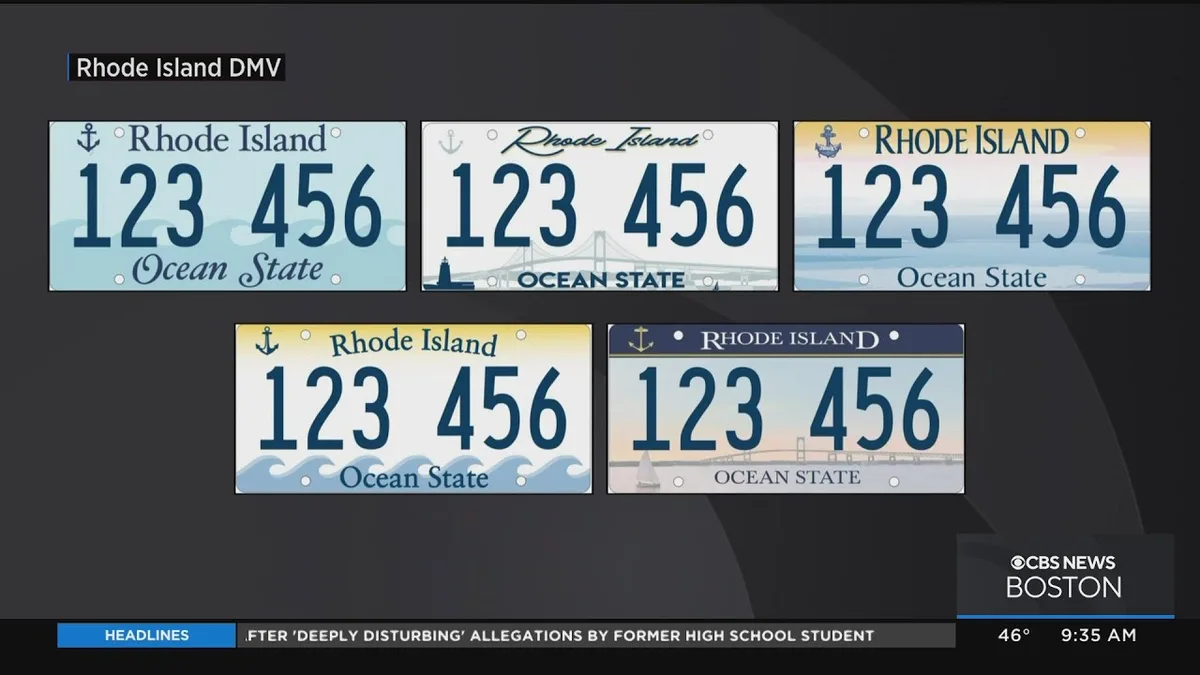
YouTube / CBS Boston (YouTube thumbnail (fair-use with source credit))
Quick Answer
Rhode Island offers 5-year and 10-year registration for utility trailers. Personal trailers under 3,000 lbs can use the 10-year term. Heavier or commercial trailers get 5-year max.
Fees scale by weight and term. Check your GVWR plate to confirm.
The 4 Conditions That Decide Which Registration Term You Actually Qualify For
Your choice isn’t just preference. Rhode Island ties the registration term to four hard, non-negotiable rules.
First is weight. Trailers with a gross vehicle weight rating under 3,000 lbs qualify for the 10-year option if they’re for personal use. Anything 3,000 lbs or above drops to 5-year regardless of use.
Second is purpose. Personal, non-commercial use opens the door to 10-year plates. Commercial or business use caps you at 5 years, even if the trailer is light.
Third is residency. Out-of-state trailers used in Rhode Island must follow RI rules if they’re here more than 30 days in a calendar year. That usually means registering in RI and accepting the same term limits.
Full out-of-state rules are covered in a dedicated section later.
Fourth is title status. If your trailer has a title, the registration term must match the title’s validity period in some cases. No title usually means no 10-year option.
YouTube / All American Trailer Connection (YouTube thumbnail (fair-use with source credit))
RI’s Official Base Eligibility Rules for 5-Year and 10-Year Utility Trailer Registration
Per the Rhode Island Division of Motor Vehicles official eligibility guidelines, these rules cover nearly all standard utility trailer cases.
10-Year Registration Eligibility
- Utility trailers with GVWR under 3,000 lbs
- Used exclusively for personal, non-commercial purposes
- Owned by a Rhode Island resident
- No conflicting title validity restrictions
5-Year Registration Eligibility
- Utility trailers with GVWR of 3,000 lbs or more
- Any trailer used for commercial or business purposes
- Trailers with title validity periods shorter than 10 years
- Out-of-state trailers required to register in RI for extended use
These base rules exclude rare edge cases like agricultural exemptions, which are covered in the FAQ section.
Decision Branch 1: If Your Trailer Is For Personal, Non-Commercial Use
Start here if you’re hauling your own gear, not running a business. The path splits cleanly at the GVWR line.
Trailers with a GVWR under 3,000 lbs
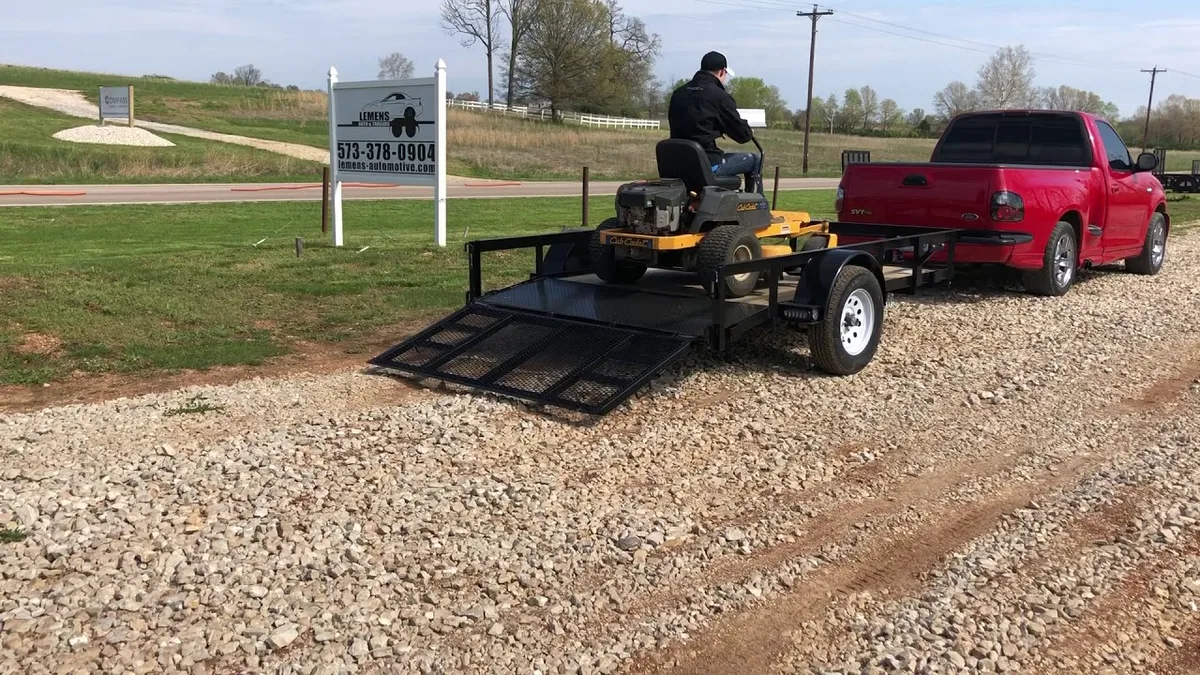
You qualify for the 10-year registration. This covers most small to mid-size utility trailers used for lawn equipment, ATVs, or personal projects. The process is straightforward: provide proof of weight, complete the application, and pay the 10-year fee.
Trailers with a GVWR of 3,000 lbs or higher
You’re limited to the 5-year registration, even for personal use. The weight threshold is strict, and there’s no appeal. Heavier trailers fall under the same rules as commercial rigs for registration terms.
YouTube / LemensTS (YouTube thumbnail (fair-use with source credit))
Decision Branch 2: If Your Trailer Is Used For Commercial or Business Purposes
Commercial use changes the eligibility rules entirely. No matter the weight, you’re capped at 5-year registration.
This includes trailers used for landscaping, contracting, delivery, or any income-generating activity. The DMV treats these as commercial vehicles, and the registration term reflects that classification.
If your trailer is titled, the title’s validity period may further restrict your options. Some titled trailers can’t exceed the title’s term, which might be shorter than 5 years. Always check the title document before applying to avoid delays.
Step-by-Step Process to Complete Your RI Trailer Registration (For Either Term)
Start at the RI DMV website or a local branch. You’ll need the trailer, its VIN, and proof of ownership.
First, gather your documents. Bring the manufacturer’s certificate of origin, a bill of sale, and your ID. If the trailer has a title, bring that too.
Next, complete Form TR-1. This is the standard application for trailer registration in Rhode Island. Fill it out in full, including the VIN and GVWR.
Pay the fee based on your trailer’s weight and chosen term. The DMV accepts cash, check, or card. You’ll receive your plate and decal on the spot for most cases.
2024 Exact RI Utility Trailer Registration Fees (5-Year vs. 10-Year, By Category)
Fees are fixed by weight class and registration term as of 2026. The 10-year option is not available for trailers over 3,000 lbs.
| Weight Class | 5-Year Fee | 10-Year Fee |
|---|---|---|
| Under 1,000 lbs | $20 | $40 |
| 1,001–2,000 lbs | $30 | $60 |
| 2,001–3,000 lbs | $40 | $80 |
| 3,001–5,000 lbs | $50 | N/A |
| Over 5,000 lbs | $75 | N/A |
Commercial trailers follow the same fee structure but are limited to 5-year terms by law.
YouTube / The TrailerSmith (YouTube thumbnail (fair-use with source credit))
Costly RI Trailer Registration Mistakes That Lead to Fines or Delays
Guessing your trailer’s GVWR is the most common error. If you register under the wrong weight class, you’ll face fines and have to re-apply with corrected paperwork.
Skipping the VIN inspection is another frequent issue. Rhode Island requires a VIN verification for trailers without a title. Without this step, your application gets rejected immediately.
Late renewals add avoidable penalties. Rhode Island charges a $10 late fee after 30 days. After 60 days, the fee jumps to $20, and the trailer can’t be used legally on public roads.
Using out-of-state plates beyond the 30-day grace period is illegal for RI residents. Non-residents face the same penalty if their trailer stays in-state for more than 30 days in a calendar year.
Which Registration Term Makes the Most Sense For Your Specific Use Case
If you own a light trailer for personal use, the 10-year term is the obvious pick. You save time and a small amount of money over the long run. The upfront cost is higher, but you avoid annual renewal trips to the DMV.
For heavier personal trailers, the 5-year term is your only option. It’s still more convenient than annual registration, and the fee difference is minimal compared to the time saved.
Commercial users should stick with 5-year registration. It’s the only legal choice, and it keeps you compliant with state regulations. The shorter term also ensures your paperwork stays current with any business changes.
Out-of-state owners with temporary use in RI can often stick with their home state’s registration. If you’re here long-term, switch to RI plates with the term that matches your trailer’s weight and use.
Non-Negotiable RI Legal and Compliance Rules For Trailer Registration
Every utility trailer on Rhode Island roads must display a valid registration plate and decal. Operating an unregistered trailer carries a $85 fine plus court costs.
The registration must match the trailer’s actual use. If you switch from personal to commercial use, you must update your registration within 10 days. The RI DMV treats misclassified trailers as unregistered.
All trailers over 3,000 lbs GVWR require a title in Rhode Island. Without one, you can’t register the trailer at all. The title must be in your name before you can apply for plates.
Special Registration Rules For Out-of-State Trailers Used On Rhode Island Roads
Out-of-state trailers get a 30-day grace period for temporary use. After that, you must register in RI if the trailer remains in the state.
The registration process is identical to in-state trailers. You’ll need proof of ownership, a VIN inspection if there’s no title, and payment of the fee based on weight and term.
If your home state has reciprocity with Rhode Island, you might avoid re-registration. Check with the RI DMV to confirm. Most states don’t have this agreement for trailers, so assume you’ll need RI plates.

YouTube / Marie Adventure (YouTube thumbnail (fair-use with source credit))
30-Second Decision Cheat Sheet To Pick The Right Registration Term For Your Trailer
Start with your trailer’s GVWR, found on the metal label on the trailer frame.
If it’s under 3,000 lbs and for personal use, pick the 10-year term. If it’s 3,000 lbs or higher, or used for any business purpose, pick the 5-year term. If you’re an out-of-state owner using the trailer in RI more than 30 days a year, use the same weight and use rules to pick your term.
Edge cases like agricultural exemptions or titled trailers with unusual validity periods require a quick call to the RI DMV to confirm.
YouTube / The Online Learning Space (YouTube thumbnail (fair-use with source credit))
Frequently Asked Questions About RI Utility Trailer 5-Year and 10-Year Registration
Can I register a utility trailer for 10 years in Rhode Island if it has a GVWR of 3,200 lbs?
No. The 10-year option is only available for trailers under 3,000 lbs GVWR used for personal, non-commercial purposes. The weight threshold is strictly enforced by the RI DMV.
What happens if I don’t renew my RI trailer registration on time?
You’ll face a $10 late fee after 30 days. After 60 days, the fee increases to $20, and you cannot legally use the trailer until renewed. Late renewals may also require a new VIN inspection if paperwork is outdated.
Do I need a title to register a utility trailer in Rhode Island?
Trailers over 3,000 lbs or manufactured after 1975 require a title. Smaller, older trailers may only need a bill of sale and VIN verification. The title requirement affects which registration term you can select, so confirm your trailer’s status before applying.
Can I transfer a 10-year RI trailer registration to a new owner?
Yes, as long as the trailer remains in the same weight and use class. The new owner must submit a transfer application to the RI DMV within 30 days of purchase, along with the signed title and current registration.
Are there any exemptions for farm or agricultural utility trailers in Rhode Island?
Yes, trailers used exclusively for agricultural purposes may qualify for reduced fees or temporary registration. You’ll need proof of farm use, such as a tax ID for a registered agricultural operation, filed with the RI DMV.
How do I find my trailer’s GVWR if the label is missing?
Start with the manufacturer’s certificate of origin or title document, which lists the official GVWR. If you don’t have those records, look for a stamped metal plate on the trailer frame that displays the weight rating. A certified scale ticket from a public weigh station works as valid proof of weight if the factory label is damaged or missing.
The RI DMV may require an in-person VIN inspection to confirm the weight class before approving your registration term.