ByMax Lee
Guide to Spray and Wash
You spray the stain, toss the shirt in the wash, pull it out, and the spot is still there. Or worse, it now has a faint ring where the spray dried before the wash cycle even started.
The core problem is that spray and wash is a pre-treater, not a magic eraser. It needs the right conditions to work. Enzymes break down specific stain molecules, but they're picky about temperature, dwell time, and fabric type.
If you treat a grease stain with a formula designed for protein stains, you're essentially spraying water on it.
Another pain point: over-spraying can create clean spots on darker fabrics, leaving a reverse stain that looks like a bleach mark. And if you accidentally throw a treated garment in the dryer without checking the stain first, you've heat-set the residue, making it nearly impossible to remove later.
The result is wasted product, ruined clothing, and a lot of frustration. But you can avoid nearly all of these pitfalls by understanding a few key variables before you spray.
Quick Answer / Key Insight: The One Rule That Changes Everything
Here's the single most important thing to remember: identify the stain type first, then choose your action.
Spray and wash isn't a one-size-fits-all solution. It's a tool that shines on certain stain families and struggles on others. If you treat a blood stain the same way you treat a salad dressing stain, you're setting yourself up for failure.
The decision tree looks like this:
- Protein stains (blood, sweat, milk, baby spit-up, egg): Use enzyme-based spray. Do not apply hot water first, heat sets protein.
- Oil/grease stains (butter, motor oil, salad dressing, makeup): Spray and hold, but consider a pre-soak with a degreasing agent if the stain is old.
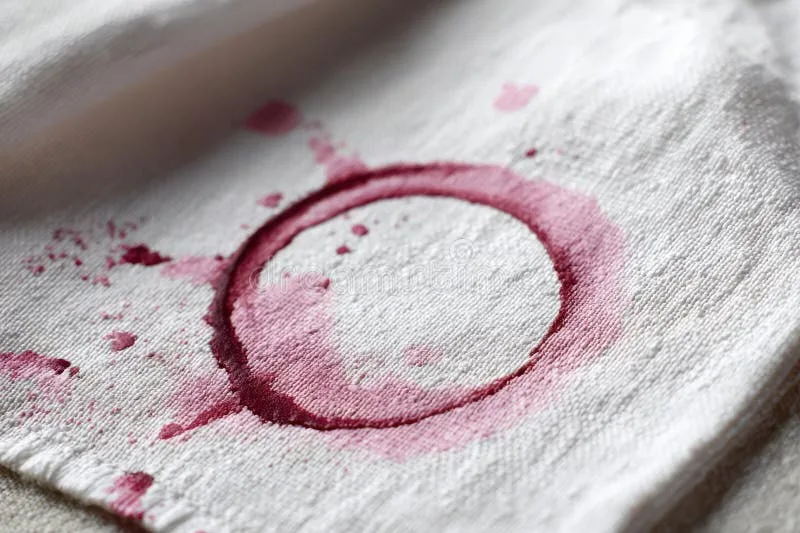
- Tannin stains (coffee, tea, red wine, fruit juice): Spray quickly, then rinse with cold water before washing.
- Dye-based stains (grass, ink, berry juice, marker): Spray heavily, scrub gently, and check before drying, these are the most stubborn.
- Set-in stains (already been through the dryer): Spray alone won't cut it. Move to a soaking method or an oxygen bleach booster.
That's the big reveal. The rest of this guide walks you through exactly how to apply that rule for each common scenario.
Core Explanation / How It Works: What's Inside That Bottle
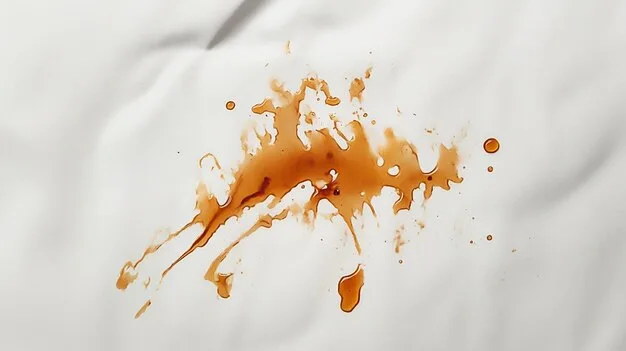
Bing (Web (fair-use with source credit))
To use spray and wash effectively, it helps to understand what's actually happening when you press that trigger. The magic comes from three main classes of ingredients:
Enzymes (the stain eaters). Most spray-and-wash formulas contain a blend of enzymes: proteases break down protein chains (blood, grass, egg). Lipases break down fats and oils (grease, butter, lipstick). Amylases break down starch (mashed potatoes, baby food).
Cellulases help remove soil and brighten colors. These enzymes work best in warm water around 80-100°F. At temperatures above 130°F, they denature and stop working.
At cold temperatures, they become sluggish, so you'll need longer dwell times.
Surfactants (the lifters). Surfactants reduce the surface tension of water, allowing the spray to penetrate deep into fabric fibers. They help lift stains away from the cloth so the wash cycle can flush them out. That's why spraying and letting it sit gives better results than spraying and immediately washing.
Solvents (the dissolvers). Some formulas include glycol ethers or isopropyl alcohol to dissolve waxy or synthetic stains like lipstick, ink, or permanent marker. These solvents evaporate quickly, so you don't want to let the spray dry out completely before washing.
Why dwell time matters. Manufacturer specifications usually recommend 5-15 minutes. That's enough for the enzymes to begin breaking down the stain. But here's the nuance: fresh stains need less time; dried stains need more.
For a coffee stain that's been sitting for an hour, give it a full 15-30 minutes. For a blood stain that's a day old, soak the garment in cold water first, then spray and wait an hour.
Temperature: the hidden lever. Hot water activates enzymes faster, up to a point. Warm water around 100°F is the sweet spot. If you use cold water, you may need double the dwell time.
Never use hot water on protein stains unless you want to set them permanently.
Condition Variables (The Decision Tree Branches)
Before you spray, you need to answer three questions. Each answer sends you down a different branch.
1. Stain type: what's the culprit?
| Stain Family | Examples | Best Treatment |
|---|---|---|
| Protein | Blood, sweat, milk, egg, baby spit-up | Enzyme spray + cold water soak |
| Oil/Grease | Butter, cooking oil, motor oil, salad dressing | Spray + degreasing pre-soak |
| Tannin | Coffee, tea, red wine, fruit juice, soda | Spray + cold rinse immediately |
| Dye/Pigment | Grass, ink, marker, berry juice, mustard | Spray + scrub + long dwell |
| Mixed | Ketchup (tannin + oil), gravy (protein + oil) | Treat the dominant component first |
2. Fabric type: can it handle the spray?
- Cotton, polyester, nylon, linen, safe for enzyme sprays
- Silk, wool, cashmere, rayon, avoid enzyme sprays (they can damage protein fibers)
- Leather, suede, fur, do not use spray and wash
- Vintage or delicate fabrics, test on an inconspicuous area first
3. Stain age: how long has it been there?
- Fresh (less than 1 hour), high success rate with standard dwell time
- Dried (set but not washed), longer dwell, possibly a pre-soak
- Washed and dried, the hardest category; spray alone rarely works
Decision Branches: What to Do for Each Stain-Fabric-Age Combo
Now we apply the variables. Use these steps as your go-to playbook.
Protein stains (blood, sweat, milk, egg, baby spit-up)
Rinse the stain under cold running water. Never use hot water, it cooks the protein into the fibers. Apply spray and wash liberally over the stain.
Rub gently with your fingers or a soft brush. Let it sit for 15 minutes (fresh) or up to 1 hour (dried). Keep the fabric damp.
Machine wash with warm water and your regular detergent. Check the stain before drying.
Oil and grease stains (butter, motor oil, salad dressing, makeup)
Blot off excess grease with a paper towel. Do not rub, you'll push it deeper. Apply spray and wash directly to the stain.
Saturate both sides of the fabric. Let sit for 30 minutes. For heavy grease, apply a paste of baking soda first, let it absorb for 10 minutes, then brush off before spraying.
Wash in the hottest water the fabric allows.
Tannin stains (coffee, tea, red wine, fruit juice)
Flush the stain with cold water immediately. Stretch the fabric over a bowl and pour water through the stain. Spray and wash onto the damp stain.
Rub gently. Wait 5-10 minutes (fresh) or 30 minutes (dried). Wash in warm water with an oxygen bleach booster.
Dye-based stains (grass, ink, berry juice, marker)
Do not rub, that spreads the pigment. Spray heavily from a distance of 4-6 inches. Let the spray soak in for 15 minutes.
Gently scrub with a soft brush. Wash in warm water. Check before drying, these stains are notorious for reappearing.
Set-in stains (already been through the dryer)
Spray and wash alone often fails on heat-set stains. Soak the garment in an oxygen bleach solution and hot water for 6-8 hours. Apply spray and wash directly to the stain after the soak.
Let sit for 30 minutes. Wash as usual. If that doesn't work, consider professional dry cleaning.
Step-by-Step Process / How to Guide: From Spray to Finished Load
Bing (Web (fair-use with source credit))
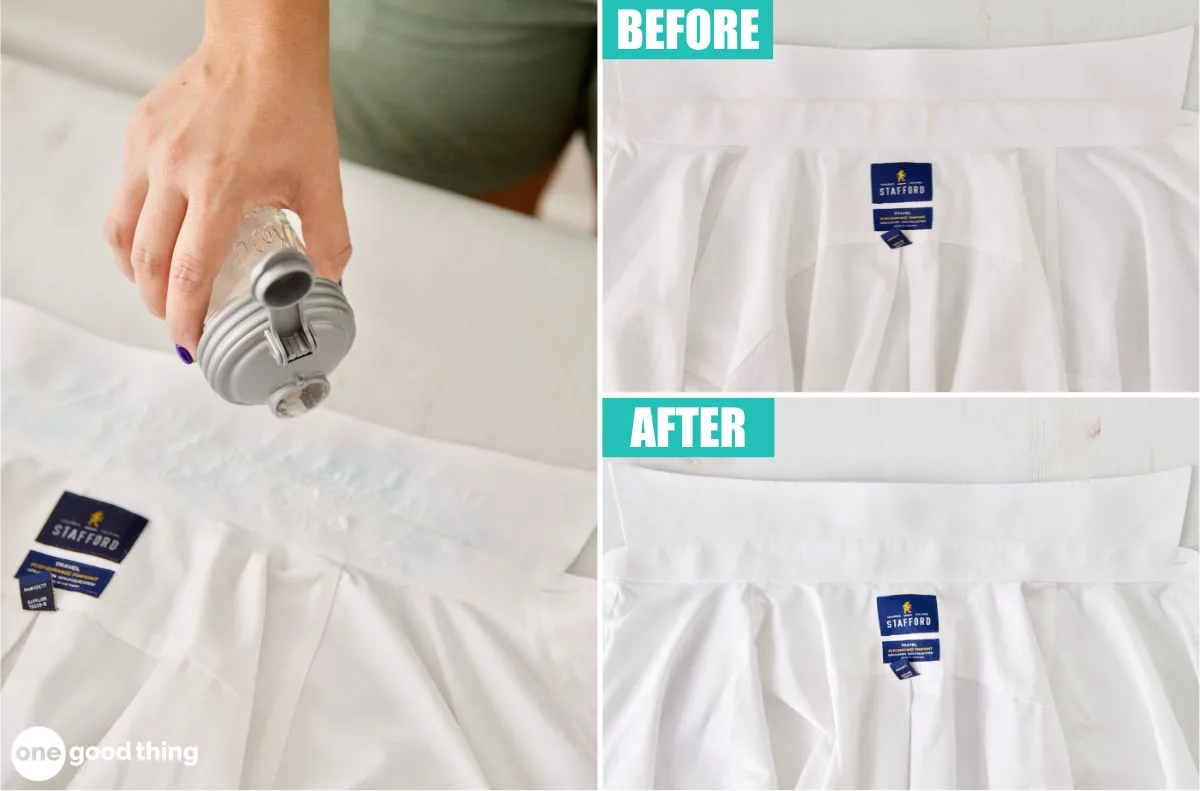
Now let's walk through the full process from picking up the bottle to folding the clean shirt.
1. Prepare: check the label, test the fabric. Look at the garment's care tag. If it says "dry clean only," don't use spray and wash.
If it's silk or wool, skip it. For cotton and synthetics, you're good to go. Do a quick test on an inside seam or hem to check for discoloration.
2. Apply: distance, amount, and rubbing. Hold the bottle about 4-6 inches from the fabric. Aim directly at the stain.
Spray until the stain is saturated. Rub the fabric together gently or use a soft brush. For heavy stains, flip the fabric and spray the backside too.
3. Wait: dwell times for each stain type. Fresh food and drink stains: 5 minutes. Fresh blood and sweat: 15 minutes.
Dried food stains: 30 minutes. Grease and oil stains: 30 minutes to 1 hour. Grass and ink: 30 minutes.
Set-in stains (pre-soaked): 1 hour. Set a timer.
4. Wash: water temperature and cycle choice. Use the hottest temperature the fabric allows. Warm water around 100°F is ideal for enzymes.
Add your regular detergent. Don't add extra bleach unless the stain is stubborn and the fabric is bleach-safe.
5. Inspect before drying: the golden rule. Do not put a treated garment in the dryer unless you are certain the stain is gone. Heat sets stains permanently.
If you see any trace of the stain after washing, repeat the process. Hang the garment to air dry so you can check it again later.
Mistakes to Avoid / Common Errors
Bing (Web (fair-use with source credit))
Even with the best intentions, people make the same mistakes over and over.
1. Spraying and walking away without rubbing. The spray needs to work into the fibers. Use your fingers to rub the fabric together.
That mechanical action helps the enzymes and surfactants penetrate.
2. Using spray on silk, wool, or acetate. Enzyme-based sprays can digest natural protein fibers. You'll end up with weakened fabric that may develop holes.
Check the label before spraying.
3. Throwing it in the dryer before checking. This is the number one cause of permanent stains. Even if the stain looks gone when wet, it can reappear after drying.
Always air dry first and inspect.
4. Applying to dry-clean-only garments. Spray and wash is designed for machine-washable fabrics. The water and agitation in a washer help flush out the dissolved stain.
Take dry-clean-only items to a professional.
5. Over-spraying causing residue rings on dark fabric. Spray only the stain area and blot excess with a clean cloth. If you do get a ring, rewash the garment without any spray and the residue should disappear.
6. Using hot water on protein stains first. Hot water sets protein like it cooks an egg. Always start with cold water for blood or sweat stains.
7. Letting the spray dry out before washing. If you spray and then leave the garment for several hours, the liquid evaporates. Set a timer.
If you can't wash within the dwell time, wet the area with water to keep the enzymes active.
Use Cases / Best For / Who It's Right For
Spray and wash is not a universal stain remover, but it's an excellent tool for specific situations.
Best for: everyday laundry, coffee spills, food stains, collar grime, sweat rings on t-shirts and blouses. Kids' clothes with grass stains, fruit juice, baby food, and mud. Work uniforms with grease, oil, and ink.
Good for (with caveats): fresh blood and other protein stains if you act quickly and use cold water first. Heavy oil stains if you combine with a degreasing pre-soak or baking soda. Set-in stains only after an oxygen bleach soak.
Not great for: old heat-set stains that have been through the dryer. Large-area discoloration like yellowing from age or sun. Delicate fabrics like silk, wool, rayon, and lace.
Leather, suede, and fur.
If your primary laundry issues involve fresh food and body stains on cotton or polyester, spray and wash is a reliable first line of defense.
Alternatives: When Spray and Wash Isn't Enough
Sometimes even the best pre-treater can't do the job alone.
Pre-soaking in oxygen bleach. For white cottons and colorfast items, an oxygen bleach soak works wonders on set-in stains. Mix with hot water, soak for 6-8 hours, then wash as usual.
Homemade spot treatment. A mixture of liquid dish soap and hydrogen peroxide (1:1 ratio) is a powerful degreaser and whitener. Apply directly to the stain, let sit for 30 minutes, then wash. It's especially effective on collar rings and food grease.
Enzyme laundry booster. Some brands sell enzyme booster powders that you add to the wash cycle. Use them for tough mixed stains like gravy or grass.
Professional dry cleaning. For heirloom fabrics, delicate silks, or expensive garments, take the item to a cleaner. They have solvents and techniques that can lift stains without damaging the material.
Expert Tips / Pro Advice
These tricks come from years of industry research and aggregate user feedback.
Keep a bottle in the laundry room and one in the kitchen. Stains are freshest when they happen. Having a spray bottle next to the sink means you can treat a stain immediately. The difference between a 2-minute-old coffee spill and a 30-minute-old one is dramatic.
Pre-treat both sides of the fabric for thick stains. For a grease stain that's soaked through, spray the front, flip the fabric, and spray the back. This ensures the solvent reaches the stain from both directions.
For set-in oil stains, apply baking soda first. Sprinkle baking soda over the stain and let it sit for at least 15 minutes. It absorbs excess oil. Vacuum or brush it off, then spray and wash as usual.
How to salvage a garment that dried with a stain still there. Rewet the stain with warm water, apply spray and wash, and let it sit for an hour. Then soak the entire garment in a bucket of warm water with an oxygen bleach booster for 8 hours. Wash as usual.
This recovers about 70% of failed attempts.
Hard water adjustment. If you have hard tap water, the enzymes in spray and wash can be less effective. Minerals bind to the enzymes, reducing their activity. Consider using distilled water to dilute the spray if you're pre-treating by hand.
Safety / Legal / Compliance / Warnings
Most spray and wash products are safe when used as directed, but there are a few things to keep in mind.
Skin and eye irritation. Enzymes can cause mild irritation for people with sensitive skin. If you get spray on your hands, wash them with soap and water. Avoid contact with eyes.
Aerosol safety. Keep aerosol cans away from heat sources, open flames, and hot surfaces. Aerosol cans are pressurized and can explode if overheated. Store in a cool, dry place below 120°F.
Ventilation. Spray in a well-ventilated area. Some solvents can cause temporary respiratory irritation if inhaled heavily.
Child safety. Many spray bottles have child-resistant triggers. Keep the bottle out of reach of young children.
Flammability. Check the label. Some formulas contain alcohol or other flammable solvents. Do not spray near a gas stove or open flame.
Disposal. Empty aerosol cans can go in the recycling bin in most municipalities. For trigger spray bottles, rinse thoroughly and recycle the plastic.
FAQs
Can I use spray and wash on vintage or delicate fabrics?
Generally no. Test on a hidden seam first. For silk, wool, or rayon, skip the enzyme spray and use a gentle detergent or a specialized silk stain remover.
Does it work on stains that have been washed and dried?
It can, but the success rate drops significantly. Heat-set stains are much harder to remove. Follow the salvage method: wet, spray, soak in oxygen bleach, wash.
Should I spray before or after adding detergent to the machine?
Before. Spray and wash is a pre-treater. Apply it before the garment goes into the machine.
The detergent in the wash helps flush out the loosened stain.
How long can I let it sit before washing?
Up to a few hours, as long as the spray stays damp. If it dries out, you'll need to reapply. Set a timer for 30-60 minutes.
Is it safe for baby clothes?
Yes, for synthetic and cotton baby clothes. Rinse thoroughly and wash in a gentle cycle. Avoid enzyme sprays on wool or cashmere baby items.
Final Recommendation / Decision Guide
Here's your quick reference mini-decision chart. When you encounter a stain, ask these questions in order:
- Fabric type? If silk/wool/rayon, stop. If cotton/polyester, continue.
- Stain age? Fresh (less than 1 hour), spray and wash with short dwell. Dried (not washed), longer dwell. Washed/dried, oxygen bleach soak first.
- Stain type? Protein, cold rinse first, then spray. Oil/grease, spray plus optional baking soda. Tannin, immediate cold water flush. Dye, spray plus longer dwell plus check before drying.
- Still there after wash? Don't dry. Rewet, reapply, rewash.
Bottom line: Spray and wash is a great first tool, but not your only tool. Use it for fresh stains on durable fabrics, and it will handle 80% of your laundry problems. For the other 20%, combine it with a soak or an enzyme booster.
Keep a bottle handy, learn the decision tree, and you'll save money on clothes and frustration.