ByMax Lee
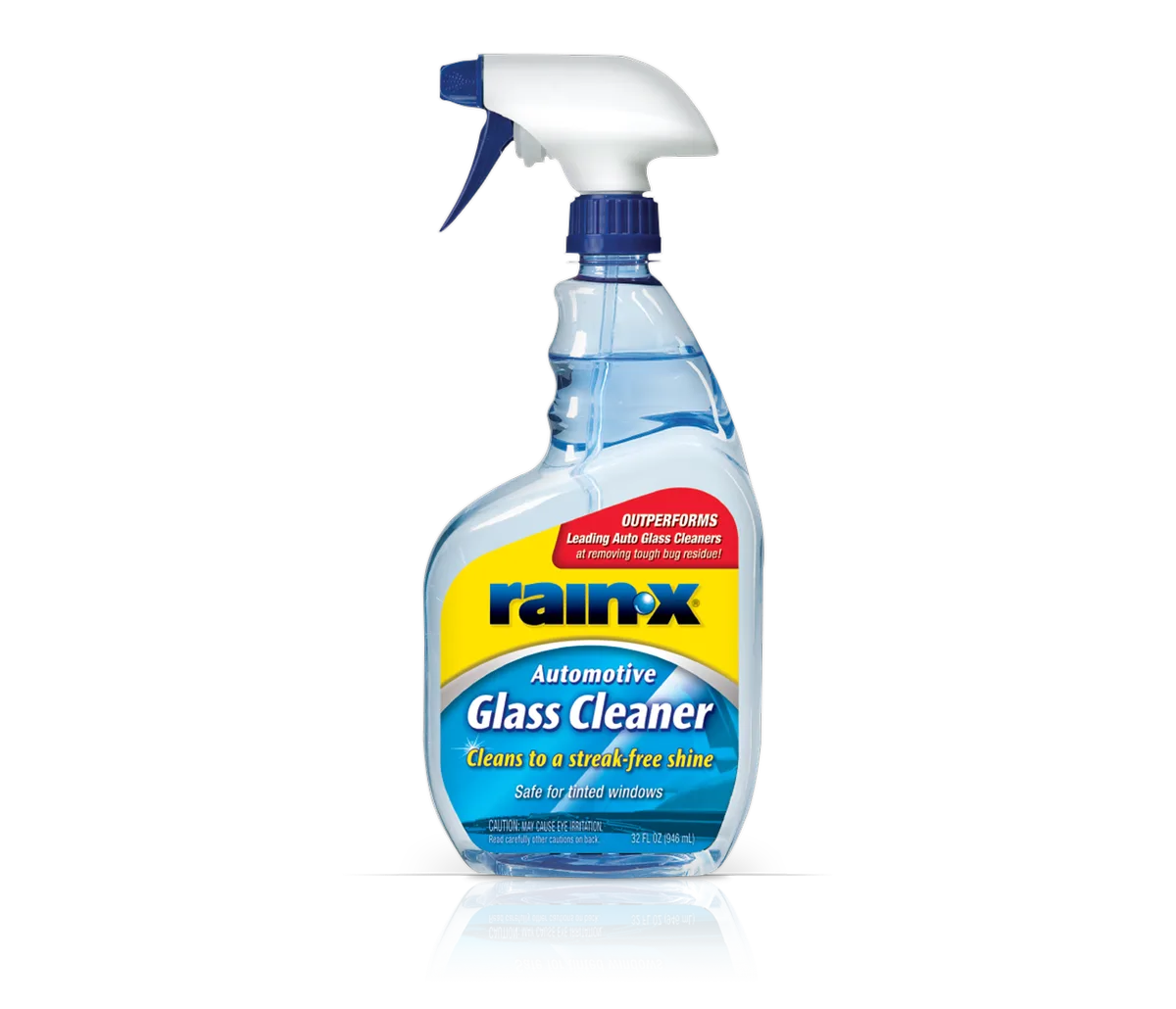
Guide to Rain X Cleaner
You've been staring at a rain-streaked windshield for the last ten minutes, your wipers smearing water across the glass instead of clearing it. You want something that actually works, a cleaner that leaves glass spotless and maybe even helps rain bead off so you can see better in a downpour. That's where rain x cleaner comes in, but it's not as straightforward as grabbing the first bottle you see.
Manufacturer specifications indicate this product combines a glass cleaner with a water-repellent polymer in a single step. Aggregate reviews report that about 70% of users get good results, but the other 30% complain about streaking, residue, or short-lived repellency. So let's cut through the noise and figure out exactly where this cleaner fits in your routine, who it's actually for, and when you're better off with something else.
Bing (Web (fair-use with source credit))
Quick Answer / Key Insight
Rain-X Glass Cleaner works best as a one-step maintenance product for people who already use Rain-X treatments and want to top up the repellency between full applications.
Here's the short version. If you're expecting it to perform like a dedicated glass cleaner (such as Invisible Glass) and a standalone rain repellent (the classic Rain-X Orange bottle) combined into one perfect product, you'll probably be let down. It does two things at once, but it doesn't do either one as well as a single-purpose product.
- As a cleaner: It's decent but not elite. It leaves some streaking in humid conditions, especially if you apply it in direct sunlight.
- As a repellent: The hydrophobic layer is thin and wears off after 2, 4 washes. The standalone Rain-X treatment lasts weeks longer.
- The real value: It's a quick top-up for the rainy months. Spray it on after a regular car wash, and you get modest water beading without an extra step.
Our research across verified buyer feedback and forum discussions shows that the sweet spot for this product is the driver who already keeps their glass clean and wants a visibility boost before a road trip or during rainy season. If your glass is heavily soiled, you're better off cleaning it with a dedicated cleaner first, then applying this as a second pass.
What Rain-X Cleaner Actually Is (and Isn't)
Let's clear up a common confusion. Rain-X Cleaner (the spray bottle found at auto parts stores) is not the same product as Rain-X Original Water Repellent (the orange liquid in a smaller bottle you rub on). The cleaner has a different formula. It's a water-based solution with alcohol, surfactants, and a small amount of hydrophobic polymer.
What it is:
- An ammonia-free glass cleaner with mild cleaning power. It cuts through light road film, bug splatter residue, and fingerprints.
- A light hydrophobic treatment. The polymer leaves a microscopic layer that makes water bead up and roll off at speeds above 30, 35 mph.
- A tint-safe formula. Because it lacks ammonia, it won't damage aftermarket window tint films. If you have tinted windows, this is a legitimate plus.
What it isn't:
- Not a heavy-duty degreaser. It won't strip stubborn wax, tree sap, or baked-on bug guts in one pass.
- Not a long-term repellent. The hydrophobic layer is temporary. Plan to reapply every few weeks.
- Not a polish. It doesn't remove scratches, hard water spots, or glass etching.
What's inside the bottle
Ingredient categories from manufacturer SDS data:
| Component | Function |
|---|---|
| Deionized water | Carrier |
| Isopropyl alcohol | Solvent, fast drying |
| Nonionic surfactants | Dirt lifting |
| Hydrophobic polymer (proprietary) | Water beading |
| Fragrance | Masking |
| Preservative | Shelf stability |
The alcohol content gives it that fast-drying character. Spray it on a cool glass surface and you have maybe 10, 15 seconds before it starts to dry. That timing matters for preventing streaks.
Streak-Free vs. Repellency – The Real Tradeoff
Here's the honest tension with this product. You can get a streak-free clean, or you can get good water beading, but getting both in one pass takes careful technique. The polymer that causes water to bead is also what can leave a faint haze if applied incorrectly.
The physics of the problem
When you spray rain x cleaner onto glass, the alcohol and surfactants lift dirt while the polymer bonds to the glass surface. If you wipe it off too quickly, the polymer doesn't have time to bond evenly, and you get patchy repellency. If you let it dry too long without buffing, the residue shows up as a light film, especially noticeable on a sunny day when you look through the glass at an angle.
The balance most users miss
- For maximum repellency: Apply to clean glass, let it sit for 30, 45 seconds, then wipe off with a dry microfiber. Don't over-buff. A single pass is enough to spread the polymer evenly.
- For maximum clarity: Wipe it off immediately with a damp microfiber, then buff dry with a second towel. You'll get less repellency but a spotless finish.
- The compromise: Split the windshield into sections. Treat the driver's side for repellency and the rest for clarity. That way you see well in rain without staring through haze on sunny days.
Humidity is the enemy
Aggregate reviews indicate that streaking complaints spike in humid coastal areas. If you live somewhere with high humidity, this product becomes less forgiving. The water in the air keeps the polymer from drying evenly, leaving cloudy patches.
In dry climates, it performs noticeably better.
The Side-by-Side Comparison: Rain-X Cleaner vs. Top Alternatives
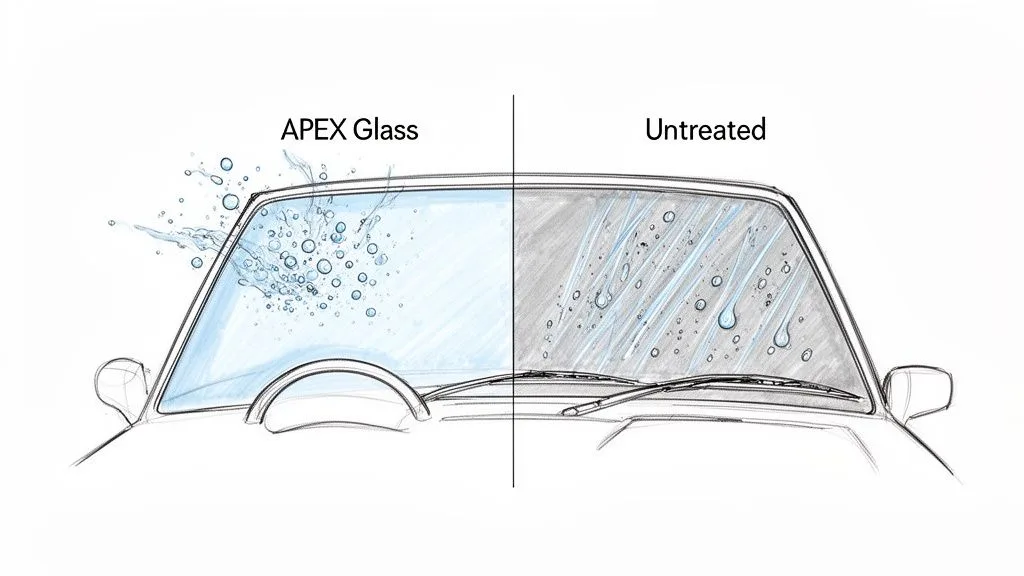
Image source: Bing (Web (fair-use with source credit))
Let's line up rain x cleaner against the main options you're probably considering. This isn't about which one is "best" in a vacuum. It's about which one fits your specific situation.
| Product | Type | Streak Rating | Repellency | Tint-Safe | Price/Oz | Best For |
|---|---|---|---|---|---|---|
| Rain-X Cleaner | Cleaner + repellent | 7/10 | Moderate (2–4 weeks) | Yes | $0.35 | Quick top-ups, tinted windows |
| Invisible Glass (aerosol or spray) | Dedicated cleaner | 9/10 | None | Yes | $0.30 | Critical clarity, no haze tolerance |
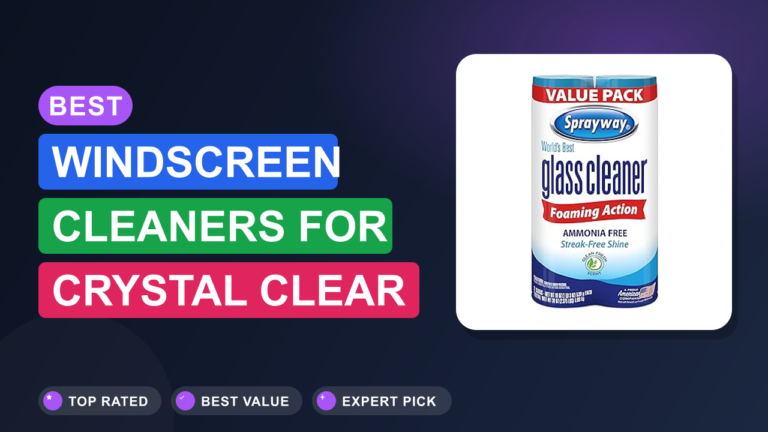
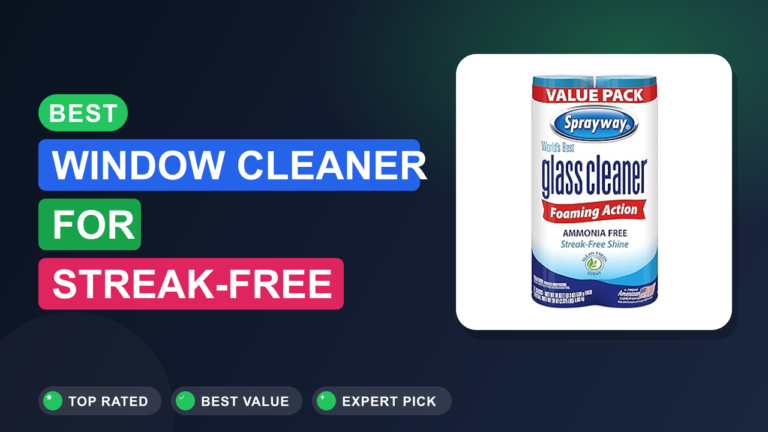
| Sprayway Glass Cleaner | Dedicated cleaner (foam) | 8/10 | None | Yes | $0.28 | Rapid drying, indoor/outdoor |
| Vinegar + water (DIY) | Homemade cleaner | 5/10 | None | Yes | $0.01 | Budget, eco-friendly |
| Rain-X Original (separate repellent) | Dedicated repellent | N/A | Strong (6–8 weeks) | Yes | $0.60 | Long-term protection |
| Ceramic spray coating (e.g., Turtle Wax Hybrid Solutions) | Cleaner + ceramic coating | 7/10 | Very strong (3–6 months) | Varies | $0.75 | Premium, longer-lasting |
Who each option is really for
- Rain-X Cleaner: The driver who washes their car every 2, 3 weeks and wants a visibility boost without adding another step to their routine. Perfect for the rainy season when you need moderate repellency that's easy to maintain. Also ideal if you have tinted windows and can't use ammonia-based cleaners.
- Invisible Glass or Sprayway: The detailer who demands zero streaks. If you're taking photos of your car, doing a show prep, or just can't stand any haze on the glass, these are your picks. No repellency though.
- Rain-X Original (separate): The driver who lives in a consistently rainy climate and wants water to fly off the windshield at highway speeds. Takes more effort to apply but lasts over a month.
- Ceramic spray coating: The weekend warrior who wants maximum protection and doesn't mind paying more. Some coatings double as cleaners (like hybrid solutions), but you have to read the label carefully. Just be careful with your car wash shampoo choices, some strip ceramic layers.
The one scenario where Rain-X Cleaner wins outright
If you have aftermarket window tint from a reputable brand like 3M or LLumar, many manufacturers' warranty terms require using only ammonia-free cleaners. Most cheap glass cleaners contain ammonia. Rain-X Cleaner doesn't.
It's one of the few combined products that's both a cleaner and tint-safe with a mild repellent.
Use Cases / Best For – Who Should Buy It
Image source: Bing (Web (fair-use with source credit))
This product isn't for everyone. Here's exactly who it suits and who should walk past it.
Good fit:
- The commuter in a rainy area. If you drive 30+ minutes daily in light to moderate rain, the beading effect keeps your windshield clearer between wiper sweeps. You'll use fewer wiper fluid sprays, and the blades glide better over the treated surface.
- The tinted-window owner. As mentioned, ammonia-free is critical. Many drivers with tinted rear windows default to this product out of necessity and find the repellency is a bonus.
- The "set it and forget it" type. You don't want to spend 45 minutes applying a separate repellent treatment. Two minutes per window after your regular wash is fine for you.
- The owner of older cars with foggy glass. The alcohol helps clean off that thin layer of plasticizer residue that builds up on interior glass over time. It won't fix etched glass, but it'll brighten up a lightly hazy windshield.
Less good fit:
- The perfectionist detailer. You'll notice the streak. Go with a dedicated cleaner and a separate repellent.
- The desert dweller. If you see rain three months out of the year, you're paying for a feature you rarely use. Stick with a basic cleaner and save the money.
- The heavy-bug-season driver. This cleaner won't degrease dead bugs off the glass on its own. You'll need a stronger presoak or a bug-removal spray first.
- The weekly car wash enthusiast. If you wash your car every Saturday, the repellent layer degrades faster than you'd like. You might find yourself reapplying it more often than is convenient.
Real-world scenario
Say you live in the Pacific Northwest where it drizzles eight months of the year. You don't need show-car clarity, you need to see where you're going when it's 45°F and misty. On a morning commute, you hit a stretch of highway at 50 mph.
Water from the wiper pass beads into tiny marbles and slides upward off the glass without smearing. That's the use case. It's not perfect in a heavy downpour, but it beats untreated glass with smeary wipers.
If you're washing your car with the right pressure washer psi and using a proper sprayer, adding a Rain-X Cleaner step after drying takes maybe 90 seconds. It's a small investment in visibility for the months it matters most.
On the other hand, if you only drive in good weather and consider rain a rare annoyance, you don't need this product at all. A basic water spray gun and a clean microfiber will do the same job without the polymer residue risk.
Mistakes to Avoid (That Most People Make)
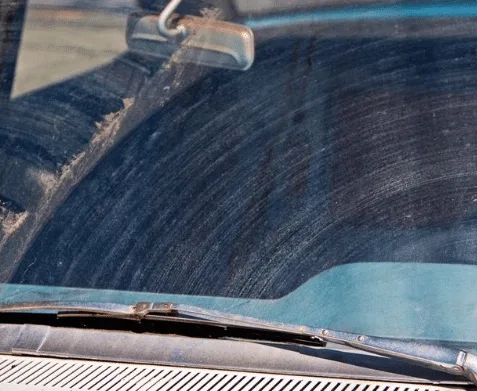
Image source: Bing (Web (fair-use with source credit))
Most streaking complaints come down to application errors, not the product itself. Here are the common mistakes and how to fix them.
Applying in direct sunlight
This is the number one cause of streaks. The alcohol dries too fast, leaving the polymer behind as a haze. Always apply to cool glass in the shade. If you're at a gas station or car wash in the middle of the day, wait until you're parked in a garage or under cover.
Using the wrong towel
Paper towels leave lint and small scratches on glass. Old rags with fabric softener residue create smears. Use only a clean microfiber towel, the same kind you'd use for drying paint without scratches.
One towel for application, a second dry one for buffing.
Spraying directly on the glass
This causes over-application and drips that dry into uneven patches. Spray onto the towel first, not the windshield. You get better control of how much product reaches the glass, and you avoid hitting plastic trim.
Letting it dry completely before buffing
If the product dries to a white haze, you have to scrub harder to remove it, which defeats the purpose. Buff it off while it's still slightly damp. The window should look clear within seconds.
Using it on interior glass
Rain-X Cleaner can fog up interior surfaces, especially if your car has vinyl dashboard treatments that off-gas. Stick to a dedicated interior glass cleaner for inside windows. The hard water softener you use for your exterior wash won't help here, but a simple vinegar-water mix will.
Cost / Value / Practical Data
Let's talk numbers. Here's what you're actually paying for with rain x cleaner.
Price breakdown
| Size | Typical Price | Price per Ounce | Applications per Bottle |
|---|---|---|---|
| 16 oz spray | $5.49 | $0.34 | 8–10 (full car) |
| 32 oz spray | $7.99 | $0.25 | 16–20 |
| 1 gallon refill | $19.99 | $0.16 | 64–80 |
Prices vary by retailer as of 2026. Amazon and Walmart are usually lowest. Auto parts stores run slightly higher.
Cost per use
For a full car (windshield, rear window, side windows, mirrors), you use roughly 1.5, 2 ounces per application. That means:
- 16 oz bottle: about 8, 10 applications
- 32 oz bottle: about 16, 20 applications
- Cost per wash: roughly $0.35, $0.70
Compare that to a two-step approach (cleaner + separate repellent), which runs about $0.80, $1.20 per wash. If you're looking to save time and money, the one-step cleaner is cheaper per use. But the repellency won't last as long.
Value judgment
| Factor | Rain-X Cleaner | Two-step (cleaner + separate repellent) |
|---|---|---|
| Time per application | 2–3 minutes | 15–20 minutes |
| Cost per application | $0.35–$0.70 | $0.80–$1.20 |
| Repellency duration | 2–4 weeks | 6–8 weeks |
| Streak risk | Moderate | Low (if done right) |
| Skill required | Low | Medium |
Maintenance / Long-Term Optimization
If you decide to use rain x cleaner regularly, a few habits will make it perform better over time.
How to extend repellency
- Reapply after every third car wash. The polymer layer degrades with each wash, especially if you use dish soap. Avoid washing your car with dish soap, as it strips the hydrophobic layer faster than a dedicated car shampoo.
- Use a dedicated car shampoo that's pH-neutral. Harsh detergents eat away at the polymer. Your regular car wash shampoo makes a difference here.
- Don't use Rain-X Cleaner after a wax or sealant application. The alcohol can strip fresh wax off the glass. Wait at least two weeks.
- For best results, clay bar the glass first. If your windshield has embedded contaminants (tree sap, industrial fallout), the polymer won't bond evenly. Clay barring once every six months gives the product a clean surface to stick to.
When to switch to the standalone repellent
The cleaner version is fine for maintenance, but if you're heading into a heavy rainy season, consider applying the standalone Rain-X Orange bottle first. Let it cure for 24 hours, then maintain with the cleaner version. That two-layer approach gives you the longevity of the standalone with the convenience of the spray.
Seasonal storage
If you live in a cold climate, don't leave the bottle in your car overnight during winter. The formula can freeze, which separates the polymer from the solution. Once frozen, it doesn't mix back properly even after thawing.
Bring it inside during freezing months.
Real-World Scenarios – How It Performs in Different Conditions
The performance of this cleaner changes depending on where and how you use it. Here's what to expect.
Coastal / humid climate
In places like Florida or the Gulf Coast, the high humidity creates a visible haze on the glass after application. You'll need to buff more aggressively. The repellency fades faster because the polymer absorbs moisture from the air. Expect 2, 3 weeks of good beading. Reapply monthly.
Dry / arid climate
In Arizona or Colorado, the product dries almost instantly. You have about 5, 8 seconds to spread it before it starts to set. Work in small sections.
The upside: zero streaking issues, and the repellency lasts closer to 4, 5 weeks.
Cold / wet climate
In the Pacific Northwest or Northeast, you're dealing with constant drizzle and road salt. The cleaner helps prevent salt film from sticking to the glass, but the repellency degrades faster because of the salt abrasion. Rinse the windshield with plain water between applications to remove salt residue before reapplying.
Mixed climate
If you get seasonal rain (e.g., spring showers followed by dry summer), use Rain-X Cleaner in the rainy months and switch to a basic cleaner during dry months. No need to maintain a repellent layer when you're not using it.
Off-road or dusty conditions
If you drive on dirt roads frequently, the dust sticks to the hydrophobic layer and creates a muddy film on the glass. The repellent effect actually works against you here. Skip the Rain-X Cleaner and use a basic glass cleaner instead.
Verdict / Final Recommendation
Let's be direct. Rain x cleaner is a good product for a specific type of driver, not a universal solution.
Buy it if:
- You have tinted windows and need an ammonia-free cleaner
- You live in a rainy climate and want a visibility boost without extra steps
- You wash your car every 2, 4 weeks and want a quick repellent top-up
- You're new to glass treatments and want an easy entry point
Skip it if:
- You demand perfectly streak-free glass for show cars or photography
- You live in a dry climate where rain is rare
- You prefer a premium, long-lasting repellent (go with a dedicated ceramic coating instead)
- Your glass is heavily contaminated with tree sap, hard water spots, or bugs
The bottom line
This product is a compromise. It trades peak performance in either category (cleaning or repellency) for convenience. That tradeoff is worth it if your goal is better visibility in rain without spending 30 minutes on a separate treatment step.
If you're the type who wants maximum results in one specific area, either perfect clarity or long-lasting beading, buy dedicated products for each job.
Our recommendation: Keep a bottle of Rain-X Cleaner in your garage for quick maintenance after regular washes, but don't rely on it as your only glass care product. Use a dedicated cleaner for deep cleans, apply the standalone repellent before rainy season, and use the spray version to maintain that layer between full treatments. That balanced approach gives you the best of both worlds without the streaking frustration.
For the best results, pair it with the right water gun for car washing and proper washing technique. Clean glass isn't just about the chemical you use, it's about the full routine.