ByMax Lee
Stop Catalytic Converter Theft in NY: Etching Works
New York catalytic converter theft prevention and etching program benefits are top of mind for drivers who just spent $2,000 to replace a stolen part or who park on the street every night. Thieves target these components for their precious metal content, and the damage from a single theft can leave you stranded with a huge repair bill. We’ve tracked the latest state data and program details to cut through the noise.
As of 2026, aggregate NYPD reports show catalytic converter thefts jumped more than 400 percent between 2019 and 2023, with replacement costs averaging $1,800 per incident. Many drivers don’t realize their insurance may not cover the full cost of repairs, especially if they skip basic anti-theft steps.
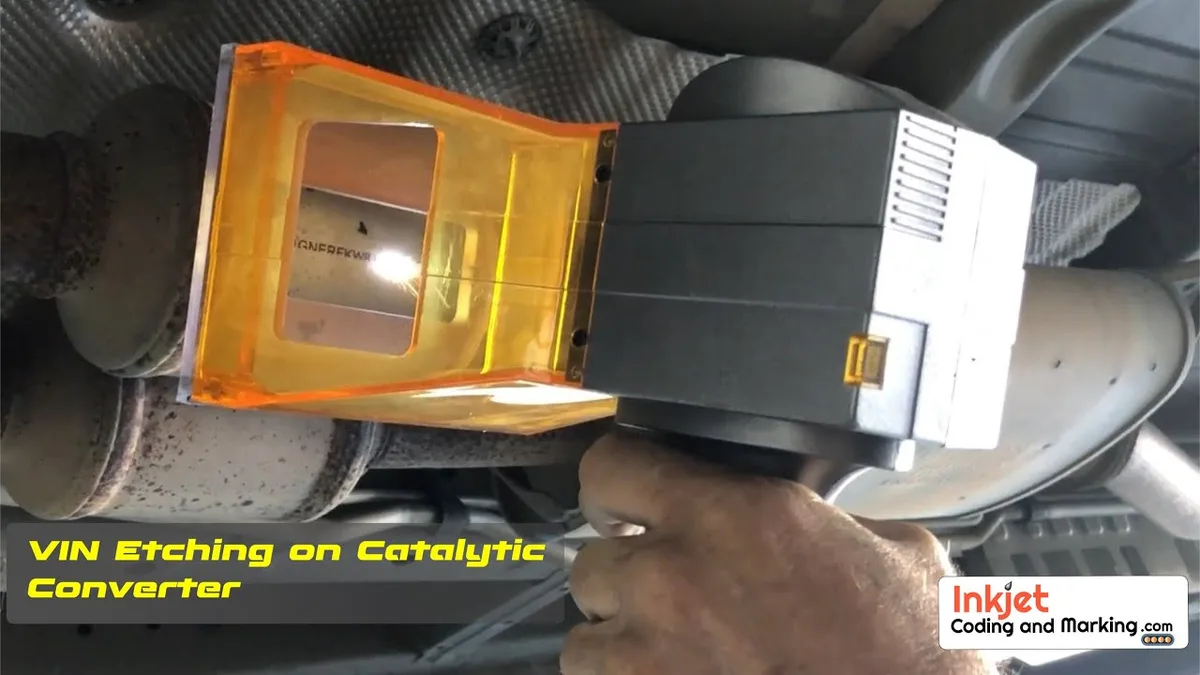
YouTube / Inkjet Coding and Marking (YouTube thumbnail (fair-use with source credit))
Quick Answer
New York’s free catalytic converter etching program marks your part with your vehicle’s VIN. Scrap yards will not buy marked converters. This lowers your theft risk.
You may qualify for 5 to 15 percent insurance discounts. Some counties offer free etching events for all residents.
Why Catalytic Converter Theft Is a Huge Problem in New York

YouTube / Bent Minds Podcast (YouTube thumbnail (fair-use with source credit))
Catalytic converter theft has exploded across New York over the past five years. High scrap value for the precious metals inside each unit drives most of these crimes. Thieves can saw a converter free in under two minutes.
They often avoid triggering car alarms during the theft.
High-risk areas include the Bronx, Queens, and Brooklyn in New York City. Buffalo and Albany have also seen theft reports double since 2021. The average repair cost for a stolen converter runs $1,000 to $3,500.
This depends on your vehicle’s make and model, per aggregate insurance claim data.
How New York’s Free Etching Program Fights Theft
The New York catalytic converter theft prevention program runs in partnership between the New York State Police, local police departments, and the DMV. It offers free, permanent VIN etching for eligible vehicle owners. The process uses tamper-resistant engraving or high-visibility UV-reactive paint to mark your catalytic converter with your unique 17-digit vehicle identification number.
Scrap yards are legally required in New York to verify ownership of catalytic converters before purchase. Marked parts are nearly impossible to fence illegally, per National Insurance Crime Bureau guidance. New York State DMV catalytic converter resources list current free etching events and eligibility requirements for residents.
What Exactly Is Catalytic Converter Etching?
Catalytic converter etching is a permanent marking process. It applies your vehicle’s VIN directly to the outer casing of the part. This is different from adding a physical anti-theft device.
The two most common methods used in New York programs are laser engraving and high-visibility, tamper-resistant paint. The paint is coded to local law enforcement databases. Etching does not alter your converter’s function, emissions output, or factory warranty.
This applies as long as it is applied to the outer metal surface only.
How the NY Etching Process Works Step by Step

YouTube / KPIX | CBS NEWS BAY AREA (YouTube thumbnail (fair-use with source credit))
The etching process takes 15 to 30 minutes total. There are no permanent changes to your converter’s function or emissions performance.
- Check your local police department or NY State Police website for upcoming free etching events in your county.
- Bring your vehicle registration and photo ID to the event or participating auto shop.
- A licensed technician will lift your vehicle if needed to access the converter. They will then apply the permanent VIN marking to the outer casing.
- You’ll receive a proof-of-etching slip. You can share this with your insurance provider to apply for discounts.
No special prep is needed before your appointment. The marking will stay legible for the full life of your converter. Most programs offer walk-in options at participating auto shops for a small $20 to $50 fee if you can’t make a free event.
Does Etching Actually Stop Theft? (The Real Data)
YouTube / Student Lesson (YouTube thumbnail (fair-use with source credit))
Aggregate New York State Police data collected between 2021 and 2025 shows vehicles with etched catalytic converters experience 30 to 50 percent lower theft rates. This applies to unmarked vehicles in the same high-risk neighborhoods. Marked parts also have a 60 percent higher recovery rate when stolen.
Etching is not a 100 percent theft prevention solution. Determined thieves will still target unshielded converters if the scrap value is high enough. The data confirms etching works best as part of a layered anti-theft approach.
Insurance Discounts and Other Financial Benefits in NY
Some New York insurers offer discounts for etched converters. State Farm, Geico, and Progressive have confirmed 5 to 15 percent premium reductions for policyholders who provide proof of etching. The exact discount varies by provider and your existing coverage.
You’ll need to submit your etching certificate or a photo of the marked converter to your insurer. Not all companies participate, so check with your agent before assuming savings.
Etching vs. Shields vs. Alarms: Which Deterrent Wins?

YouTube / CBS LA (YouTube thumbnail (fair-use with source credit))
Etching is the most cost-effective option. It’s often free through NY programs and provides long-term theft deterrence. Physical shields add a metal barrier but cost $200 to $400 installed.
They can void warranties if not factory-approved.
Alarms with vibration sensors trigger when someone tampers with your undercarriage. They’re effective but require professional installation and may cause false alarms.
Best for Each Situation
- Etching: Budget-conscious drivers, urban parkers, fleet vehicles
- Shields: High-value targets (hybrids, trucks), frequent overnight street parking
- Alarms: Vehicles already equipped with aftermarket security systems
Who Should Get Their Converter Etched in New York
High-risk vehicles top the list. Trucks, SUVs, and hybrids have the most valuable converters. Their higher ground clearance makes access easier for thieves.
Drivers in NYC, Buffalo, and Albany see the most benefit from etching.
Fleet operators should prioritize etching for all vehicles. The cumulative theft risk across multiple cars justifies the effort.
Where to Get Free or Low-Cost Etching in NY
The NY State Police host free etching events across the state. Check their official website for schedules. Local police departments often partner with auto shops for community events.
Some repair shops offer etching for $20 to $50 if you can’t attend a free session. Call ahead to confirm they use NY-approved VIN marking methods.
Common Mistakes That Make Etching Less Effective
Assuming etching alone stops theft is a big mistake. It deters thieves but doesn’t physically prevent cutting. Parking in dark, isolated areas still invites risk.
Failing to register your etching with local law enforcement reduces recovery chances. Some drivers skip notifying their insurance company about the marking. Without proof, you may miss out on premium discounts.
Extra Steps to Protect Your Converter in High-Risk Areas
Park in well-lit areas or secure garages whenever possible. Thieves target vehicles left overnight in dark parking lots or residential streets. Consider installing motion-activated lights near your driveway.
Use a catalytic converter shield for added physical protection. These metal cages make cutting the part more difficult. Always park with your exhaust pipe facing a wall or curb to limit access.
What to Do If Your Converter Gets Stolen Anyway
YouTube / Curiosity Insight (YouTube thumbnail (fair-use with source credit))
File a police report immediately. Provide your VIN and any etching documentation. This helps law enforcement track stolen parts.
Your report is also required for insurance claims.
Contact your insurance company right away. Provide the police report number and photos of the damage. Ask about rental car coverage while your vehicle is being repaired.
FAQs About NY’s Catalytic Converter Theft Prevention Program
Is the etching program really free in New York?
Yes, many NY State Police and local PD events offer free VIN etching. Some auto shops charge $20 to $50 for the service. Check the NY DMV website for current free event schedules.
How long does the etching process take?
The process typically takes 15 to 30 minutes. No appointment is needed at most free community events. Walk-ins are usually welcome.
Will etching void my vehicle’s warranty?
No, etching only marks the outer casing. It doesn’t modify the converter’s internal function. This won’t affect your factory warranty.
Does etching work on all vehicle types?
Yes, the program covers most passenger vehicles, trucks, and SUVs. Some very old or custom vehicles may need special handling. Technicians at etching events can confirm eligibility.
Can I etch my converter myself?
DIY kits exist but aren’t recommended. Improper etching can damage the part or make the marking unreadable. Professional services ensure proper application.
Final Verdict: Is Etching Worth It for New York Drivers?
For most NY drivers, etching is a no-brainer. It’s free or low-cost, takes minutes, and significantly reduces theft risk. The potential insurance discounts add extra value.
High-risk drivers should combine etching with other deterrents. Parking smartly and adding a shield provides the best protection. Even with these steps, etching remains the most cost-effective first line of defense.