Driving in the US Virgin Islands tropical driving requirements and weather-related regulations might sound straightforward until you're stuck on a winding coastal road with rising water around your tires. The islands have their own rules, and the weather can turn dangerous fast. Getting it wrong isn't just inconvenient, it can cost you money or your safety.
Per the US Virgin Islands Department of Motor Vehicles, visitors need a valid driver's license from their home country plus an international driving permit if the license isn't in English. Hurricane season runs June through November, and the National Hurricane Center reports an average of 14 named storms per year in the Caribbean basin.

Quick Answer
Driving in the US Virgin Islands requires a valid home license and international permit if needed. You must carry proof of insurance and vehicle registration at all times. Speed limits drop to 20 mph in residential areas and 30 mph on main roads.
Never drive through flooded roads. Six inches of water can stall your car, and twelve inches can sweep it away.
Why Getting This Right Matters
The US Virgin Islands aren't your average driving environment. Narrow roads wind up steep hills and drop straight into the ocean. Traffic drives on the left in some areas, and road signage doesn't always match what you're used to.
Add tropical storms, sudden downpours, and limited cell service, and the margin for error shrinks fast.
Our research shows that most driving incidents in the Caribbean involve either unfamiliar road conditions or poor weather decisions. The consequences range from costly fines to serious accidents. Local officers patrol tourist areas, and violations don't get ignored.
The stakes are higher than typical rental car worries. Flooded roads claim vehicles every storm season. Hurricane evacuation routes fill quickly, and wrong decisions can strand you.
Understanding the rules before you arrive keeps you safe and keeps your trip on track.
USVI Driving Rules You Must Follow

The basics might surprise you if you're used to mainland US driving. The Virgin Islands operate under their own traffic code, and it has some distinct requirements.
License Requirements for Visitors and Residents
Visitors from the United States can drive with a valid US driver's license for up to 90 days. No additional testing required. International visitors need a valid license from their home country plus an International Driving Permit if the license isn't written in English.
The IDP must accompany your original license at all times.
The USVI DMV states that licenses must be current and not suspended. Expired licenses won't hold up during a traffic stop. Rental car companies will ask to see your license at pickup, and they may refuse to hand over the keys without proper documentation.
Vehicle Documentation and Insurance Rules
Every vehicle on the road must carry valid registration and proof of insurance. Rental agencies handle this for you, but you should still verify both documents are in the glove compartment before driving away.
Minimum liability coverage in the USVI follows these thresholds:
| Coverage Type | Minimum Amount |
|---|---|
| Bodily injury per person | $25,000 |
| Bodily injury per accident | $50,000 |
| Property damage | $20,000 |
These limits are lower than some mainland states require. If you're renting, confirm your rental insurance meets or exceeds these minimums. Supplemental collision coverage from the rental company is wise given the narrow roads and limited parking.
Seat belts are mandatory for all passengers. The law requires them whether you're in the front or back seat. Police actively enforce this, and fines start around $50 for violations.
Weather Risks That Change Everything
Weather in the US Virgin Islands shifts fast. A sunny morning can turn into a driving hazard by afternoon, especially during hurricane season. Understanding these risks separates safe drivers from risky ones.

Hurricane Season Driving Realities
Hurricane season runs from June 1 through November 30. The peak months are August, September, and October. During this window, tropical storms can develop with little warning.
The National Hurricane Center tracks these systems, and local authorities issue alerts through the USVI Emergency Management Agency.
When a tropical storm warning is issued, non-essential driving stops. Emergency vehicles and evacuation traffic move only. Rental car contracts often include clauses about weather-related damages.
If you choose to drive during a warning, your insurance may not cover storm-related incidents.
Flash Flood Risks on Island Roads
Flash flooding is the leading weather-related driving danger in the USVI. Coastal roads, low-lying areas, and tunnel passages under highways all flood quickly during heavy rain. The roads were built for tropical downpours, but intensifying rainfall events have outpaced their design capacity.
Key flood-prone areas include:
- The Maggie Line Road between Christiansted and Frederiksted on St. Croix
- Low sections of Route 500 on St. Thomas
- Coastal roads near Cruz Bay on St. John
- Underpasses and culvert crossings throughout the islands
When it rains, water rises faster than you can react. Never attempt to drive through standing water on the road.
Tropical Downpour Safety Protocols
Heavy rain reduces visibility and creates hydroplaning conditions in minutes. The road surface in the Caribbean often has different grip characteristics than mainland asphalt. Oil buildup from years of tropical sun exposure creates slick patches that only water reveals.
If you must drive in heavy rain:
- Reduce speed by at least 10 to 15 mph below the posted limit
- Turn on low-beam headlights, not high beams
- Increase following distance to six seconds instead of the usual three
- Avoid sudden braking or steering inputs
- Pull over at the first sign of worsening conditions
Pulling over safely matters more than pushing through. Find an elevated parking area or building lot and wait out the heaviest rain. Most tropical downpours peak within 30 to 45 minutes.
Step-by-Step: Preparing Your Vehicle for Tropical Conditions
Proper vehicle prep makes the difference between a minor inconvenience and a stranded situation. Whether you're renting or driving your own car, these steps apply.
Essential Checks Before Driving in Rain or Storms
Before you start any trip, especially during wet season, verify these basics:
- Windshield wipers: Replace if streaking or leaving patches
- Tire pressure: Check when tires are cold
- Headlights and taillights: Test all bulbs before departure
- Fluid levels: Top off windshield washer fluid with a rain-repellent formula
- Battery health: Tropical heat degrades batteries faster
These checks take 15 minutes and prevent most breakdowns.
Tire, Brakes, and Visibility Requirements
Tires are your only contact with the road, and they matter most in wet conditions.
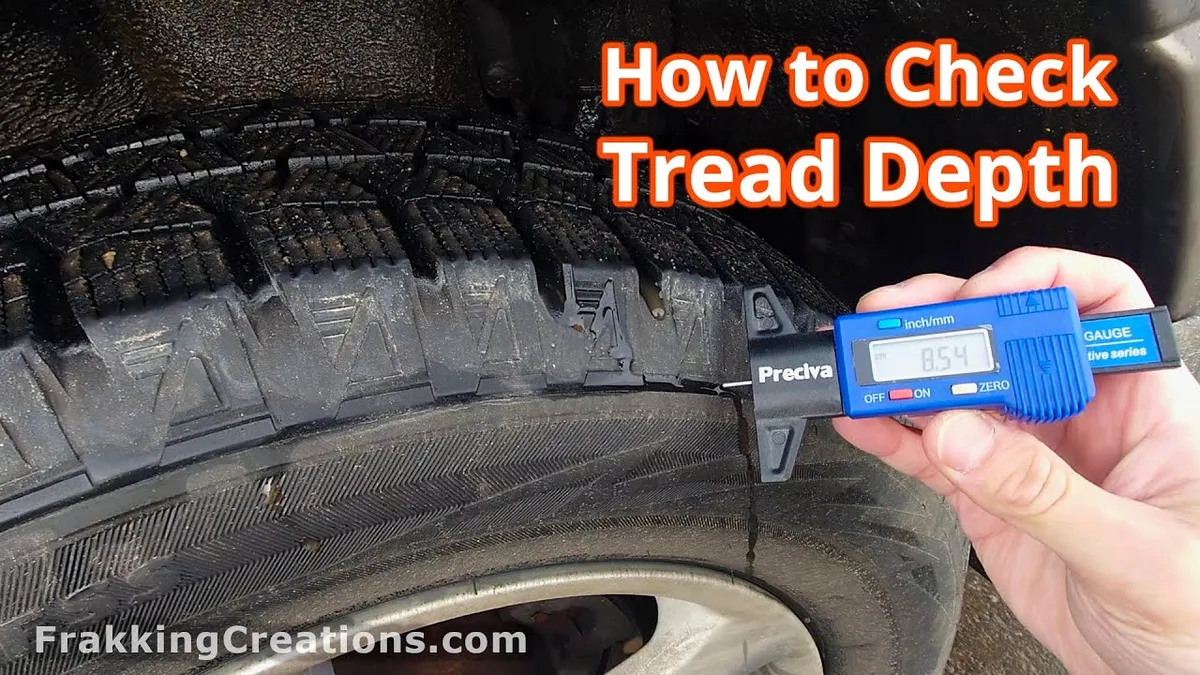
Minimum tread depth should be 4/32 of an inch for wet driving. The penny test works: insert a penny upside down into the tread groove. If you can see the top of Lincoln's head, it's time for new tires.
For heavy rain and potential flooding, 6/32 of an inch provides better displacement.
Brake performance drops in wet conditions. Test your brakes gently at low speed after entering the rain. If the pedal feels soft or the car pulls to one side, stop driving and have them inspected.
Windshield visibility counts too. A clean windshield with fresh wiper blades handles tropical rain significantly better than a dirty one.
What to Carry in Your Trunk Year-Round
Keep an emergency kit in your vehicle at all times. The islands have limited cell coverage in remote areas, and help can take time to arrive.
Essential items include:
- Physical map or downloaded offline maps of all three main islands
- Bottled water (two gallons minimum)
- Non-perishable snacks
- Flashlight with extra batteries
- Basic tool kit and jumper cables
- First aid supplies
- Waterproof bag for important documents
- Charged power bank for your phone
When to Drive, When to Stay Put
The hardest driving decisions aren't about skill. They're about judgment. Knowing when to stay off the road saves vehicles and lives.
Reading Evacuation Orders and Road Closures
The USVI Emergency Management Agency issues evacuation orders through multiple channels: local radio, social media, door-to-door notifications, and emergency alert systems. When an order is issued, it applies to your specific zone. Follow it immediately.
Road closures happen without warning during storms. Sand, debris, and fallen trees block routes regularly. If you encounter a closed road, turn around.
Never drive around barricades.

Flood Depth: 6 Inches vs. 12 Inches of Water
Water depth determines survival, not convenience. These thresholds come from FEMA and Federal Highway Administration guidance.
| Water Depth | Vehicle Impact | Risk Level |
|---|---|---|
| 6 inches | Water reaches bottom of most cars. Loss of traction likely. Engine can take on water. | High |
| 12 inches | Water reaches door level of most sedans. Vehicle can float and be swept away. | Extreme |
| 18 inches | Most compact SUVs and pickups will float. Complete loss of control certain. | Extreme |
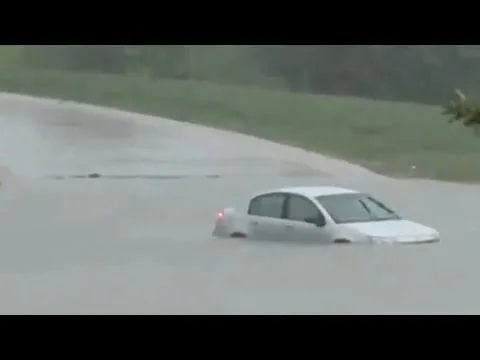
Turn around, don't drown. Six inches of moving water can tip a small car. Two feet of water can carry away most vehicles.
Post-Storm Driving Safety Assessment
After a storm passes, conditions look different than they did before. Roads may be clear of water but hidden dangers remain:
- Washed-out road sections hidden by debris
- Downed power lines touching vehicles or pooling water
- Unmarked potholes and exposed curbs
- Landslide zones on hillside roads
- Active emergency vehicles you may not see
Drive slowly and stay alert. Avoid routes that flooded during the storm until officials clear them.
Common Mistakes That Lead to Danger or Fines
Underestimating road conditions is the top error visitors make. Many assume USVI roads resemble mainland highways. They don't.
Driving without proper documentation ranks second. Rental agencies will rent to you with a valid license, but police won't accept excuses during a stop. Always carry your license, IDP if required, and rental agreement.
Ignoring Local Speed Limits in Residential Zones
Speed limits drop for good reason. Narrow roads, blind corners, and pedestrian traffic make higher speeds dangerous. Fines start at $100 and increase with speed over the limit.
Children often play near roads in residential areas. The islands have limited sidewalks, so pedestrians share the roadway. Slow down and stay alert.
Underestimating Coastal Road Flooding
Coastal roads flood faster than inland routes. The ocean can surge over the road during high tide combined with storm surge. What looks like a puddle can hide deep water.
Never judge water depth by appearance. Six inches can hide potholes or debris that damage your vehicle. Twelve inches can float it away.
Using Inappropriate Tires for Wet Conditions
Summer tires lose grip quickly in tropical rain. All-season tires perform better but still struggle in deep water. For the best wet traction, use tires rated for wet conditions with deep tread patterns.
Check your tire pressure regularly. Underinflated tires reduce wet traction and increase hydroplaning risk.
Costs, Fines, and Financial Risks
Driving violations in the USVI carry financial consequences. The costs add up quickly if you're not careful.
Traffic Violation Penalties in the USVI
Common fines include:
| Violation | Fine Amount |
|---|---|
| Speeding (1-10 mph over) | $100 |
| Speeding (11-20 mph over) | $200 |
| Seat belt violation | $50 |
| Running a stop sign | $150 |
| Driving without a license | $300 |
| DUI | $500+ plus license suspension |
These fines double in school zones and construction areas.
Rental Car Damage and Insurance Gaps
Rental car insurance in the USVI often has exclusions. Many policies don't cover damage from driving through flooded areas. Others exclude off-road driving, which can include some beach access roads.
Check your rental agreement carefully. Most require you to report any damage immediately. Failure to do so can void your coverage.
Emergency Service and Towing Costs
Towing services in the USVI charge premium rates. Expect to pay $150 to $300 for a standard tow. After-hours or holiday service can double these rates.
Emergency roadside assistance through your rental company may be included. Confirm the details before you drive.
Expert Tips from Local Drivers and Officials
Local knowledge saves time and prevents problems. USVI residents and officials share these insights.
Advice from USVI DMV and Emergency Management
The DMV suggests these driving tips:
- Always use turn signals, even when no other cars are visible
- Yield to pedestrians at crosswalks
- Don't block intersections when waiting to turn
- Use headlights during rain, even in daylight
- Never pass a stopped school bus with flashing red lights
Emergency management officials add:
- Know your evacuation zone before a storm hits
- Keep your gas tank at least half full during hurricane season
- Have a family communication plan in case you're separated
- Follow official sources for storm updates, not social media rumors
Seasonal Driving Adjustments for Residents and Visitors
Hurricane season requires different driving habits. Fill your gas tank whenever it drops below half. Stations may run out of fuel before a storm.
Avoid driving at night during storm season. Visibility drops significantly, and road hazards are harder to see.
Communication and Navigation Without Cell Service
Cell service can be spotty in remote areas. Download offline maps before you travel. Carry a physical map as backup.
Consider a satellite communicator for remote travel. These devices work where cell phones don't.
FAQs About Driving in the US Virgin Islands
Do I need an international driving permit to drive in the USVI?
US citizens don't need an IDP for stays under 90 days. International visitors need a valid license plus an IDP if their license isn't in English.
What are the speed limits in the USVI?
Speed limits are 20 mph in residential areas and 30 mph on main roads unless posted otherwise. School zones have reduced limits during school hours.
Is it safe to drive during a tropical storm warning?
No. Tropical storm warnings mean dangerous conditions are expected. Stay off the roads unless you're evacuating to a safer location.
What should I do if my car starts hydroplaning?
Stay calm and don't brake suddenly. Ease off the accelerator and steer straight. Let your car slow down naturally.
How do I know if a road is closed due to flooding?
Look for official road closure signs or barricades. Never drive around them. Check local radio or the USVI Emergency Management Agency website for updates.
Are there any special rules for driving at night in the USVI?
Use headlights from sunset to sunrise. Reduce speed and increase following distance. Watch for pedestrians and animals on the road.
Verified Summary: Staying Safe and Legal on USVI Roads
Quick Reference Checklist
- Valid driver's license plus IDP if required
- Proof of insurance and vehicle registration
- Minimum 4/32 inch tire tread depth
- Emergency kit with water, snacks, and first aid
- Offline maps and physical map backup
- Knowledge of evacuation routes and zones
- Valid driver's license plus IDP if required
- Proof of insurance and vehicle registration
- Minimum 4/32 inch tire tread depth
- Emergency kit with water, snacks, and first aid
- Offline maps and physical map backup
- Knowledge of evacuation routes and zones
Official Resources and Contact Information
- US Virgin Islands Department of Motor Vehicles: www.dmv.vi.gov
- USVI Emergency Management Agency: www.vitema.vi.gov
- National Hurricane Center: www.nhc.noaa.gov