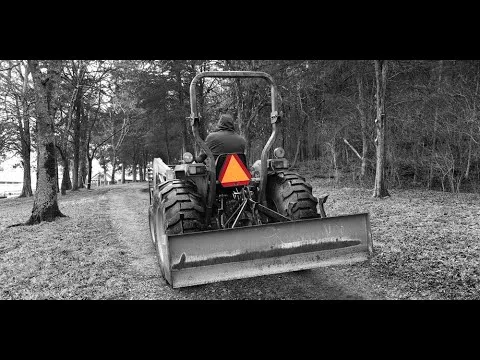
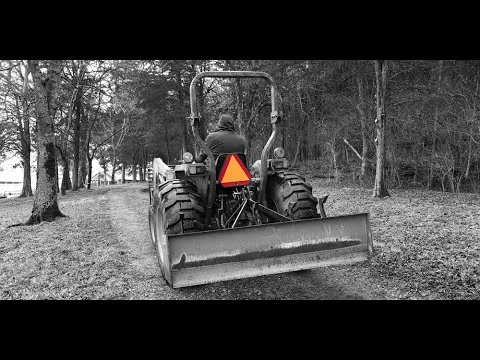
The US Virgin Islands slow mover pull out law for rural road safety exists to prevent collisions between slow-moving vehicles and faster traffic on narrow island roads. It requires operators of tractors, farm equipment, and other slow movers to display a reflective triangle and pull over when safe to let faster vehicles pass.
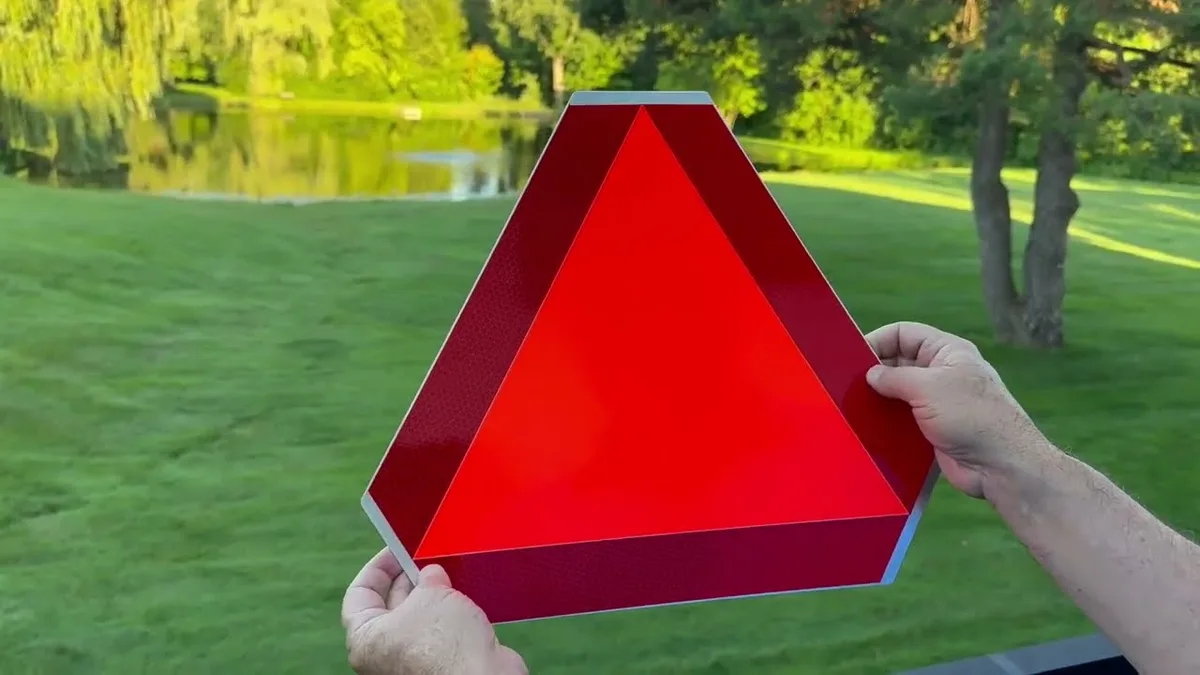
Per Federal Motor Vehicle Safety Standard 108, the slow-moving vehicle emblem must be a bright orange-centered red-border triangle, mounted 24 to 96 inches above ground. This simple rule saves lives, especially on the USVI's winding rural routes.
Quick Answer
The US Virgin Islands slow mover pull out law for rural road safety mandates slow vehicles to display an SMV triangle. They must pull over when safe if traveling under 25 mph. The emblem must meet FMVSS 108 standards.
Compliance reduces rear-end collision risks.
Why This Law Matters for Rural Road Safety
Rural roads in the USVI are often narrow, with limited visibility and no shoulders. When a tractor or maintenance vehicle moves at 15 to 20 mph, faster cars can't safely pass without crossing into oncoming traffic. The pull-out law forces a pause in the slow vehicle's journey, letting traffic flow and preventing head-on or rear-end crashes.
As of 2026, USVI Highway Patrol reports most rural accidents involving slow movers happen because drivers either don't see the vehicle or misjudge its speed. The law isn't just about courtesy. It's a legal requirement with fines for non-compliance.
The Core Rule: Speed, Emblem, and Pull-Out Requirements
The law applies to any vehicle traveling 25 mph or slower on public roads. This includes tractors, farm equipment, road maintenance vehicles, and some construction machinery. The threshold isn't arbitrary.
It's the speed at which faster traffic, typically 35 to 45 mph on rural USVI roads, can't safely overtake without risk.
SMV Emblem Specifications
- Shape and color: Orange-centered red-border equilateral triangle
- Size: Minimum 14.5 inches per side
- Reflectivity: Must meet FMVSS 108 retroreflectivity standards for night visibility
- Mounting: 24 to 96 inches above ground, facing rearward, unobstructed
The emblem must be clean and undamaged. A faded or cracked triangle fails to meet the standard and can result in a citation.
Pull-Out Requirements
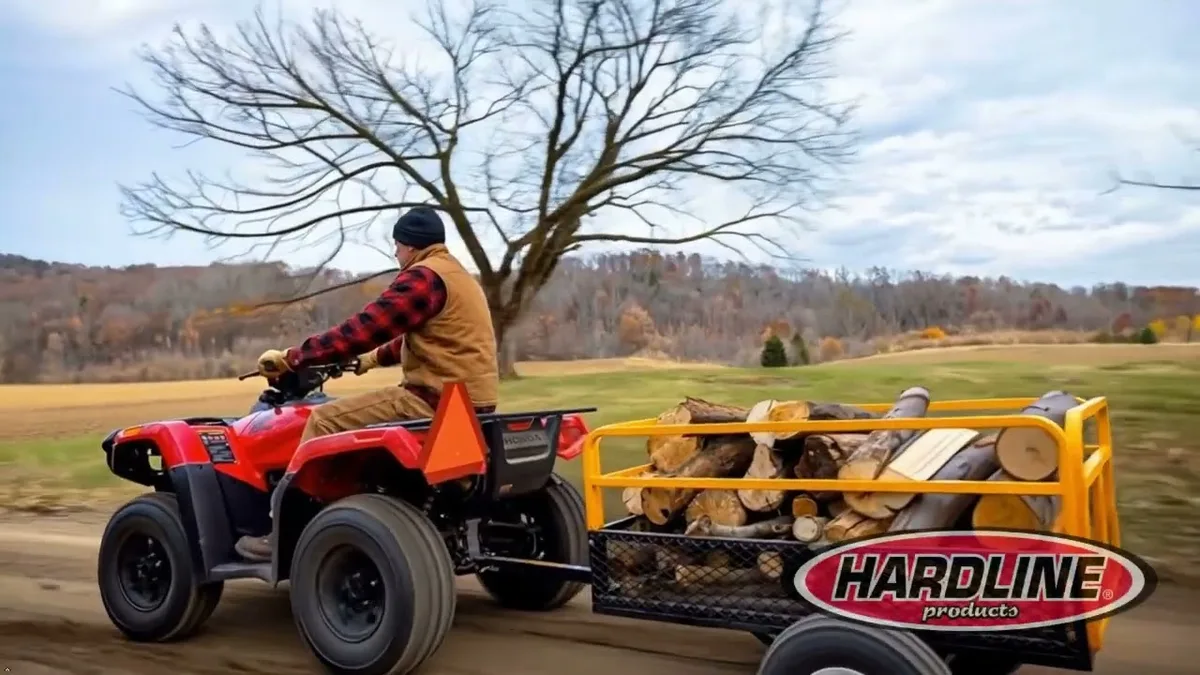
Operators must pull over when safe to allow at least 5 to 6 vehicles to pass. This doesn't mean stopping immediately. It means finding the nearest wide shoulder, turnout, or pull-off zone.
On roads without designated areas, slow movers should use driveways or other safe spaces, ensuring they're fully off the travel lane.
Who Must Comply: Vehicles, Operators, and Road Types
Not every slow vehicle falls under this law. The rule targets vehicles designed for off-road or low-speed use that occasionally travel on public roads. This includes agricultural tractors and implements, road graders and rollers, construction vehicles like backhoes or skid steers when traveling under 25 mph, and animal-drawn carts, which are still rare but still covered in USVI rural areas.
Private passenger vehicles, even if driving slowly, are not subject to the SMV emblem requirement. However, they must still follow general traffic laws, including yielding to faster vehicles when safe.
The law applies on all public roads, but enforcement focuses on rural and two-lane routes where passing is dangerous. In urban areas with lower speed limits, the pull-out requirement is less critical but still legally binding if traffic backs up.
Step-by-Step: Safe Pull-Out and Road-Sharing Procedure
Before You Start
Check your SMV emblem is visible and intact. If it's faded, cracked, or dirty, clean or replace it. A quick pre-trip inspection takes 30 seconds and avoids fines.
Check your SMV emblem is visible and intact. If it's faded, cracked, or dirty, clean or replace it. A quick pre-trip inspection takes 30 seconds and avoids fines.
On the Road
First, monitor traffic behind you. Use mirrors or a spotter if visibility is poor. Second, signal early.
Activate your left turn signal or hand signal at least 100 feet before pulling over. Third, choose a safe spot. Look for wide shoulders, driveways, or designated pull-offs.
Avoid blind curves or crests where oncoming traffic can't see you.
Fourth, pull off completely. All four wheels or tracks must be off the travel lane. If the shoulder is soft or unstable, use a driveway or parking area instead.
Fifth, wait for traffic to clear. Let at least 5 to 6 vehicles pass before re-entering. If traffic is heavy, wait longer.
Sixth, re-enter carefully. Signal, check for oncoming traffic, and accelerate to the speed limit as quickly as safety allows.
Pro Tips
Use a spotter on narrow roads with poor visibility. A second set of eyes helps judge when it's safe to pull out or re-enter. Avoid pulling over on curves or hills.
Other drivers won't see you in time, increasing collision risk. At night or in rain, pull over more frequently. Reduced visibility means faster drivers may not see your SMV emblem until it's too late.
Risk Factors on USVI Rural Roads
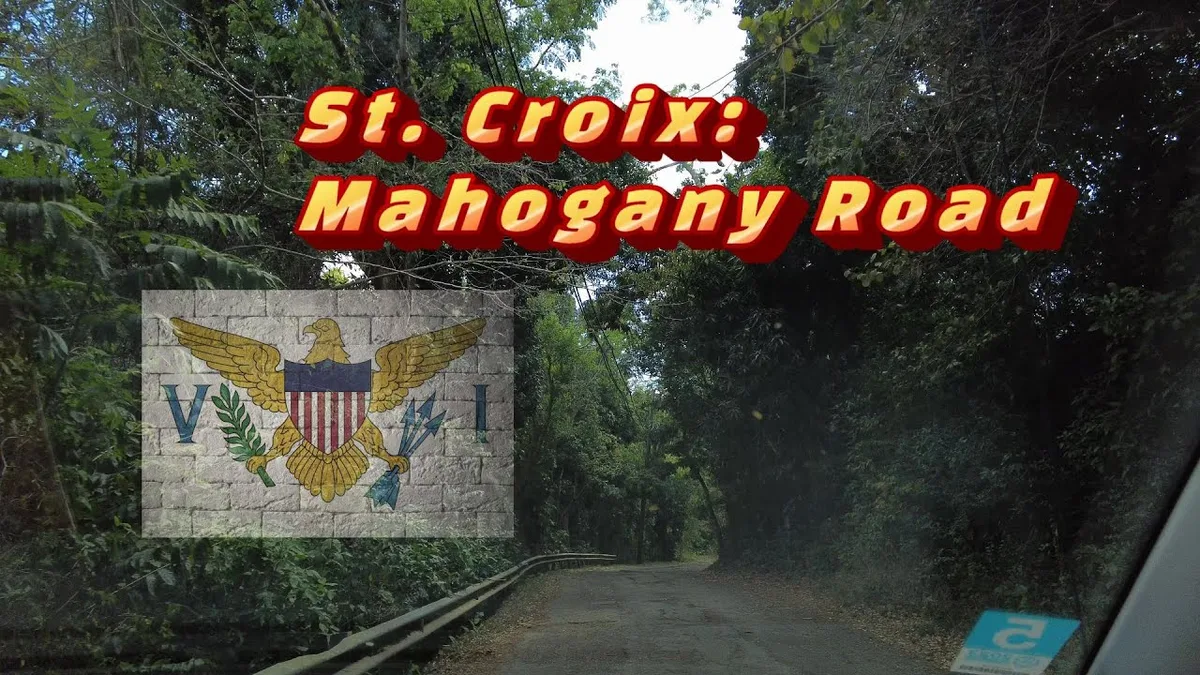
Narrow lanes and sharp curves make passing dangerous on many USVI rural roads. St. Croix's agricultural areas and St.
John's winding routes often lack shoulders, forcing slow movers to share the lane with faster traffic. Heavy rain reduces visibility further, making the SMV emblem's reflectivity critical.
Tourist traffic adds another layer of risk. Drivers unfamiliar with local roads may not expect slow-moving vehicles or understand the pull-out law. This combination of factors makes compliance non-negotiable for safety.
Common Mistakes That Lead to Fines or Accidents
Missing or Faded SMV Emblems
A missing triangle is the most common violation. Even a slightly faded emblem can fail to meet FMVSS 108 reflectivity standards, especially at night. Operators often assume the emblem is good enough until they're pulled over.
Failing to Pull Over When Required
Some drivers wait too long to find a pull-off spot, causing traffic to back up. Others pull over in unsafe locations like blind curves. Both mistakes increase collision risk and can result in citations.
Misunderstanding When the Law Applies
The 25 mph threshold is absolute. If your vehicle can't maintain that speed, the law applies regardless of road type. This catches many operators off guard, especially on roads with lower speed limits.
Equipment Maintenance and Legal Compliance Checklist
SMV Emblem Inspection
Check for cracks, fading, or dirt on the triangle monthly. Clean with mild soap and water. Replace if reflectivity is compromised.
Verify mounting height stays within the 24 to 96 inch range and rearward visibility remains unobstructed.
Vehicle Lighting and Reflectors
Ensure all required lights and reflectors are functional. Test brake lights and turn signals before each trip. Replace any burnt-out bulbs immediately.
Documentation
Keep records of emblem replacement dates. Carry proof of compliance if operating commercially. Note any road-use permits required for oversized equipment.
When to Seek Expert Help or Report a Hazard
Consult the US Virgin Islands Department of Transportation if you're unsure whether your vehicle qualifies as a slow mover. They can clarify emblem requirements and pull-out procedures for specific equipment.
Report missing pull-off zones or unsafe road conditions to USVI Highway Patrol. These reports help prioritize road improvements and reduce accident risks. For legal questions about citations or insurance claims, contact a local attorney familiar with USVI traffic laws.
Verified Sources and Official References
The US Virgin Islands Department of Transportation publishes the official traffic regulations covering slow-moving vehicles. Their guidelines align with Federal Motor Vehicle Safety Standard 108 for SMV emblem specifications. The Federal Motor Vehicle Safety Standards are administered by the National Highway Traffic Safety Administration, which sets the national baseline for vehicle equipment requirements see FMVSS standards.
The American Society of Agricultural and Biological Engineers also publishes standards for SMV emblem design and placement. These industry standards help ensure emblems perform consistently across different lighting and weather conditions.
Frequently Asked Questions
What speed triggers the slow mover law in the US Virgin Islands?
Any vehicle traveling at 25 mph or slower on public roads must display an SMV triangle and pull over when safe. The 25 mph threshold is the legal standard adopted from federal safety regulations.
Do I need an SMV emblem if I'm driving slowly in a regular car?
No. The SMV emblem requirement applies only to vehicles designed for off-road or low-speed use, like tractors and farm equipment. Regular passenger cars, even when driving slowly, are not required to display the triangle.
Where exactly should the SMV triangle be mounted?
The emblem must be mounted 24 to 96 inches above ground level, facing rearward, and fully visible from the back. It should be placed on the rear of the vehicle or equipment, unobstructed by other objects.
How often should I replace my SMV emblem?
Replace it whenever the reflective material is cracked, faded, or dirty. Monthly inspections are recommended. A faded emblem may not meet FMVSS 108 reflectivity standards and can result in a citation.
What happens if I don't pull over when required?
You can be fined for violating USVI traffic laws. More importantly, failing to pull over increases collision risk on narrow rural roads where faster vehicles cannot safely pass.
Is the slow mover law enforced equally on all three USVI islands?
Enforcement priorities vary by island based on traffic volume and road conditions. St. Croix sees more agricultural traffic, while St.
Thomas and St. John face more tourist-related accidents. The law applies across all three islands.