The US Virgin Islands move over law for emergency vehicles on roadside requires drivers to yield space when approaching stationary emergency vehicles with activated lights. It’s designed to protect first responders and roadside workers from traffic hazards. The law applies to all public roads in St.
Thomas, St. John, and St. Croix.
According to the US Virgin Islands Department of Public Safety, violations can result in fines. The rule is clear: move over if you can, slow down if you can’t. This simple action reduces collision risks for those working near traffic.
Quick Answer
The US Virgin Islands move over law for emergency vehicles on roadside mandates that drivers change lanes or slow down when approaching stationary emergency vehicles with flashing lights. It covers police cars, fire trucks, ambulances, and tow trucks. Fines apply for non-compliance.
The law exists to protect responders and workers.
Emergency Vehicles Covered by the Move Over Law
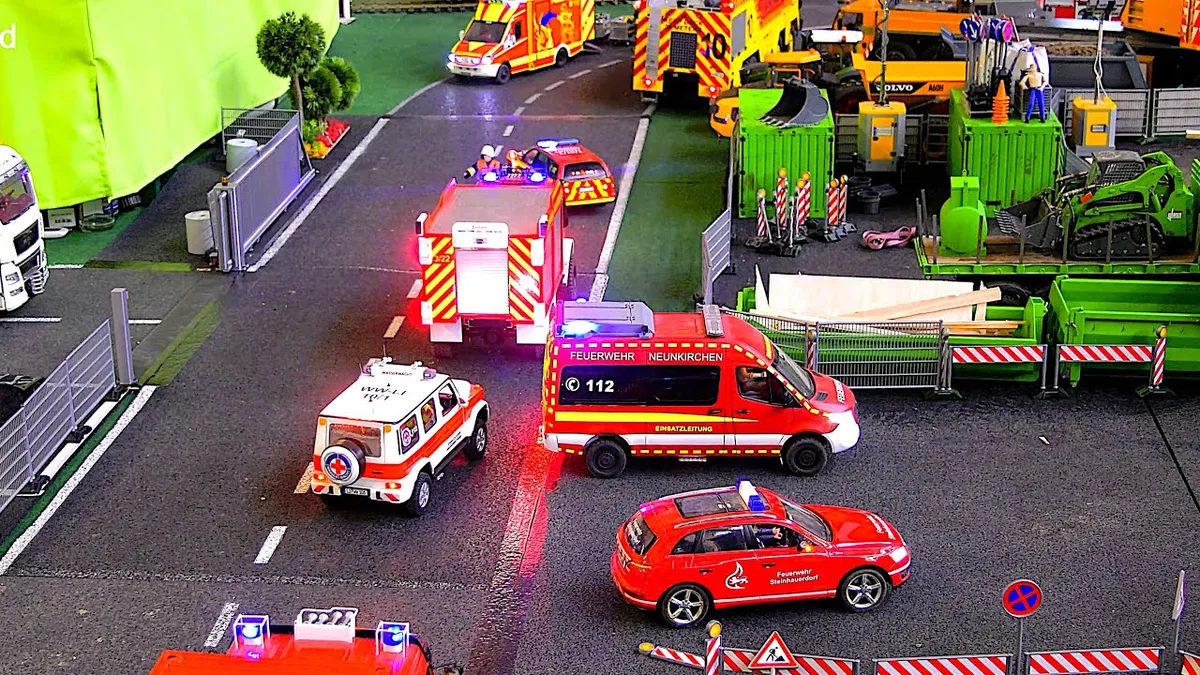
The law applies to vehicles with activated flashing lights, including:
- Police cars and sheriff patrols
- Fire engines and rescue vehicles
- Ambulances and paramedic units
- Authorized tow trucks
- Highway maintenance vehicles with amber lights
The flashing lights trigger the requirement. Vehicles without active lights, such as parked patrol cars, may not require a move over.
What Drivers Must Do When They See Emergency Vehicles

When you see a stationary emergency vehicle with flashing lights, take these steps:
- Spot the vehicle early. Look for lights, flares, or responders on the shoulder.
- Check mirrors and blind spots. Signal before changing lanes.
- Move over to a non-adjacent lane if safe.
- Slow down if you can’t move over. Reduce speed significantly.
- Proceed with caution. Only resume normal speed after passing the scene.
These actions are legal requirements, not just recommendations.
Penalties and Legal Consequences in the US Virgin Islands

Violating the move over law in the USVI carries penalties. As of 2026, fines range from $250 to $500 for first-time offenses. Repeat violations or incidents causing injury may result in misdemeanor charges, higher fines, or jail time.
The Virgin Islands Police Department enforces these rules, particularly on high-speed roads. Officers may issue citations on the spot or use camera systems in some areas.
Safety Risks of Not Moving Over or Slowing Down

Failing to move over or slow down endangers emergency responders. According to the National Highway Traffic Safety Administration (NHTSA), thousands of crashes occur near stationary emergency vehicles annually in the U.S. These incidents result in injuries and fatalities among first responders.
First responders often work close to live traffic. A single distracted driver can cause a catastrophic collision. Tourist drivers unfamiliar with local roads are especially at risk.
How USVI Move Over Law Compares to Other States and Territories
Most U.S. states have similar move over laws, but details vary. Florida and Texas require drivers to move over or slow down by 20 mph below the limit. Puerto Rico’s law closely mirrors the USVI’s, with comparable penalties.
The USVI enforces its law consistently across all three islands. Unlike some states with relaxed rural enforcement, the VIPD actively patrols tourist-heavy routes. This ensures both visitors and locals follow the same safety standards.
Step-by-Step: Safe Driving Decisions Near Emergency Scenes
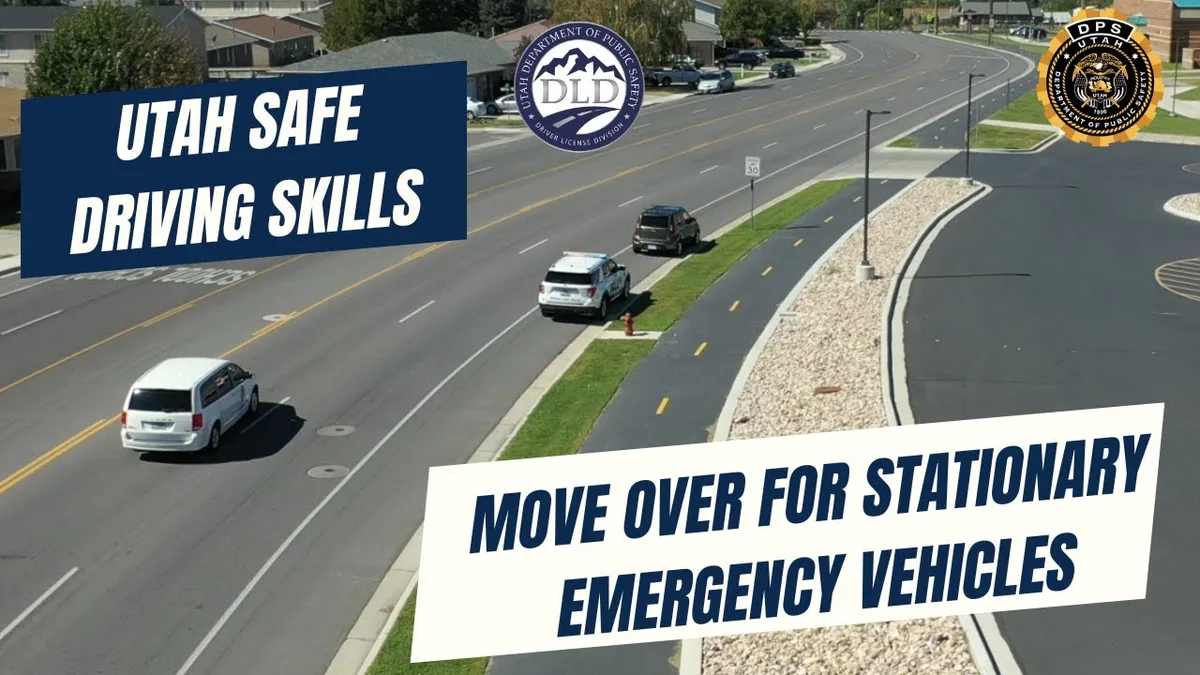
First, spot the emergency vehicle early. Look for flashing lights, reflective vests, or road flares. Early detection gives you more time to react.
Next, check your surroundings. Use mirrors and turn signals before changing lanes. If traffic is heavy, slow down instead of forcing a risky maneuver.
Finally, maintain a safe speed until you’ve passed the scene. Don’t accelerate until you’re well clear of the emergency area.
Common Mistakes Drivers Make
Many drivers assume the law only applies to police cars. However, it covers all emergency vehicles with flashing lights, including ambulances, fire trucks, and tow operators.
Another mistake is moving over without checking blind spots. Sudden lane changes can cause collisions with other drivers. Always signal and verify it’s safe before shifting lanes.
Some drivers slow down but not enough. A modest reduction isn’t sufficient. You need a meaningful drop in speed to create a safety buffer.
When to Seek Legal or Professional Guidance
If you receive a citation, consult a local traffic attorney. They can explain your options and potential defenses. Legal professionals understand USVI traffic court procedures.
For serious incidents involving injury or property damage, legal representation is critical. A lawyer can help navigate liability and insurance claims.
Verified Summary: Key Rules to Remember
The USVI move over law is straightforward. Move over if safe, slow down if not. This protects emergency workers and avoids penalties.
Remember the covered vehicles: police, fire, EMS, and tow trucks with flashing lights. The law applies on all public roads across St. Thomas, St.
John, and St. Croix.
Stay alert, follow the steps, and drive responsibly. Compliance saves lives and keeps traffic flowing safely.
Frequently Asked Questions
Does the USVI move over law apply to tow trucks?
Yes. The law covers any vehicle with activated flashing lights, including authorized tow trucks responding to breakdowns or accidents.
What if I can’t move over safely?
If changing lanes isn’t possible, slow down significantly. Reduce your speed to create a safe buffer between your vehicle and the emergency scene.
Are there exceptions to the move over law?
The law applies whenever emergency vehicles display flashing lights. Exceptions are rare and typically involve vehicles not actively responding to an incident.
How much is the fine for violating the move over law in the USVI?
As of 2026, fines range from $250 to $500 for first-time offenses. Repeat violations or incidents causing injury may result in higher penalties.
Does the law apply to all roads in the USVI?
Yes. The move over law applies to all public roads across St. Thomas, St.
John, and St. Croix.