Figuring out US Virgin Islands farm truck registration eligibility and restricted usage rules can feel like navigating a maze of territorial laws. One wrong turn could cost you fines, a suspended registration, or a roadside citation. That is why getting the details right matters more than most farmers realize.
The USVI Department of Motor Vehicles enforces distinct agricultural vehicle standards that differ from both mainland U.S. rules and commercial truck requirements. Per USVI Code Title 20 (as of 2026), farm trucks receive special registration categories with limited road access and specific cargo exemptions.
Why USVI Farm Truck Registration Rules Matter (And the Risks of Getting It Wrong)
Farm trucks serve as the backbone of USVI agriculture. You haul crops between fields, transport livestock to market, and move equipment across rough terrain. But those same vehicles become a legal liability the moment you cross certain boundaries without proper registration.
Getting your farm truck classified incorrectly can trigger serious consequences. The USVI DMV can impose fines ranging from $100 to over $500 for unregistered agricultural vehicles. Repeated violations risk suspension of your vehicle privileges altogether.
More importantly, operating outside permitted usage ranges creates safety hazards. A farm truck designed for field-to-market trips is not built for highway speeds. Mixing it into heavy traffic without proper markings or insurance exposes you and other drivers to real danger.
The good news is that the USVI system rewards compliance. Farmers who register correctly enjoy lower fees, streamlined permitting, and legal protection for legitimate agricultural operations.
Quick Answer: Who Qualifies for USVI Farm Truck Registration?
US Virgin Islands farm truck registration eligibility and restricted usage rules allow any individual or business engaged in bona fide agricultural operations to apply. You must own, lease, or contractually operate land used for farming within the territory.
Your truck must be used primarily for agricultural purposes rather than commercial freight transport. The vehicle must fall under the USVI DMV agricultural classification.
You cannot use a farm-registered truck for non-agricultural hauling, passenger transport, or for-hire services. Violating those restrictions voids your agricultural status and subjects you to commercial vehicle penalties.
How USVI Defines a "Farm Truck" (And What Doesn’t Count)
The USVI draws a clear line between agricultural and commercial vehicles. A farm truck qualifies when it meets three core criteria. First, the vehicle must be used primarily for transporting agricultural products, supplies, or equipment directly related to your farming operation.
Second, it must operate within a defined radius from your registered farm location. Third, it cannot serve as a general-purpose freight hauler for unrelated businesses.
Not every pickup truck on a farm qualifies. If you use your vehicle to haul construction materials for a side business, transport goods for neighbors, or provide delivery services outside your own operation, the USVI DMV will reclassify it as commercial.

What Counts as Eligible Agricultural Use
- Transporting your own crops from field to market or storage
- Hauling livestock, feed, or farming equipment between properties you operate
- Moving agricultural supplies like fertilizer, seed, or harvest tools
- Delivering farm products to buyers, cooperatives, or processing facilities
What Disqualifies Your Truck
- Hauling goods for other farmers or businesses for a fee
- Using the truck as a general delivery or freight vehicle
- Operating it for non-agricultural commercial purposes
- Transporting passengers for compensation
USVI Farm Truck Registration: Step-by-Step Process
Registering a farm truck in the US Virgin Islands follows a straightforward process. You do not need to jump through excessive hoops, but you do need to get each step right.
Step 1: Confirm Your Agricultural Eligibility
Before visiting the DMV, verify that your farming operation qualifies. You need proof that you own or lease land used for agriculture within the USVI. The USVI Department of Agriculture can issue a certification letter confirming your status.
Step 2: Gather Required Documentation
Collect your vehicle title, bill of sale, proof of insurance, and your farm operation verification. Make sure your truck has a clean title with no outstanding liens unless you include lien holder documentation.
Step 3: Submit Your Application at the DMV
Visit the US Virgin Islands Department of Motor Vehicles with your completed application and all supporting documents. Staff will review your paperwork, verify your eligibility, and process your farm truck registration.
Step 4: Display Required Markings
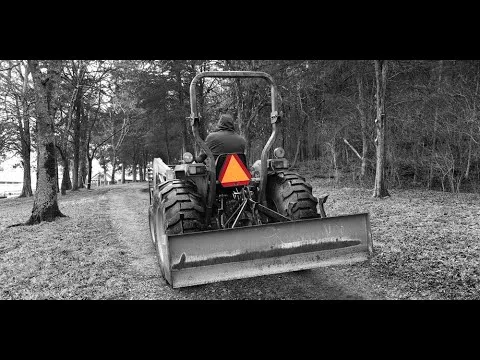
Once registered, equip your truck with the required agricultural markings. This includes a slow-moving vehicle emblem on the rear and any additional reflectors or lights mandated by territorial law.
Step 5: Maintain Your Registration Annually
Farm truck registration in the USVI requires annual renewal. Set a calendar reminder before your expiration date. Late renewals incur penalties and may temporarily suspend your vehicle privileges.
Required Documents for USVI Farm Truck Registration
The USVI DMV requires specific documents to process a farm truck registration. Having everything ready before you visit the office prevents delays and avoids extra trips.
| Document | Purpose | Notes |
|---|---|---|
| Vehicle Title or Bill of Sale | Proof of ownership | Must show clear title with no outstanding liens |
| USVI Department of Agriculture Certification | Verifies agricultural use | Letter confirming you operate a qualifying farm |
| Proof of Insurance | Meets territorial requirements | Minimum liability coverage as required by USVI law |
| Completed Registration Application | Official DMV form | Available at any DMV office or on the USVI government website |
| Valid Government-Issued ID | Identity verification | Driver's license or passport accepted |
| Odometer Disclosure Statement | Records vehicle mileage | Required for vehicles under 16,000 pounds GVWR |
| Lien Holder Information (if applicable) | Confirms financial interests | Required if your vehicle title has an active loan |
Make copies of every document before submitting them. The DMV may retain certain paperwork, and having duplicates speeds up the process if you need to resubmit anything.
Restricted Usage Rules: Where and How You Can (and Can’t) Drive
Farm truck registration in the US Virgin Islands comes with usage restrictions that all owners must follow. These rules exist to protect both agricultural operators and the general public.
Your farm truck is authorized for use on roads directly connecting your farm to markets, supply centers, and storage facilities. It can travel on local roads and secondary highways within your agricultural zone. However, it cannot operate on major throughways designated for commercial freight unless explicitly permitted.

Where Your Farm Truck Can Legally Operate
- Roads within a five-mile radius of your registered farm location
- Designated agricultural routes between fields and processing facilities
- Local roads in rural and agricultural communities across St. Thomas, St. John, and St. Croix
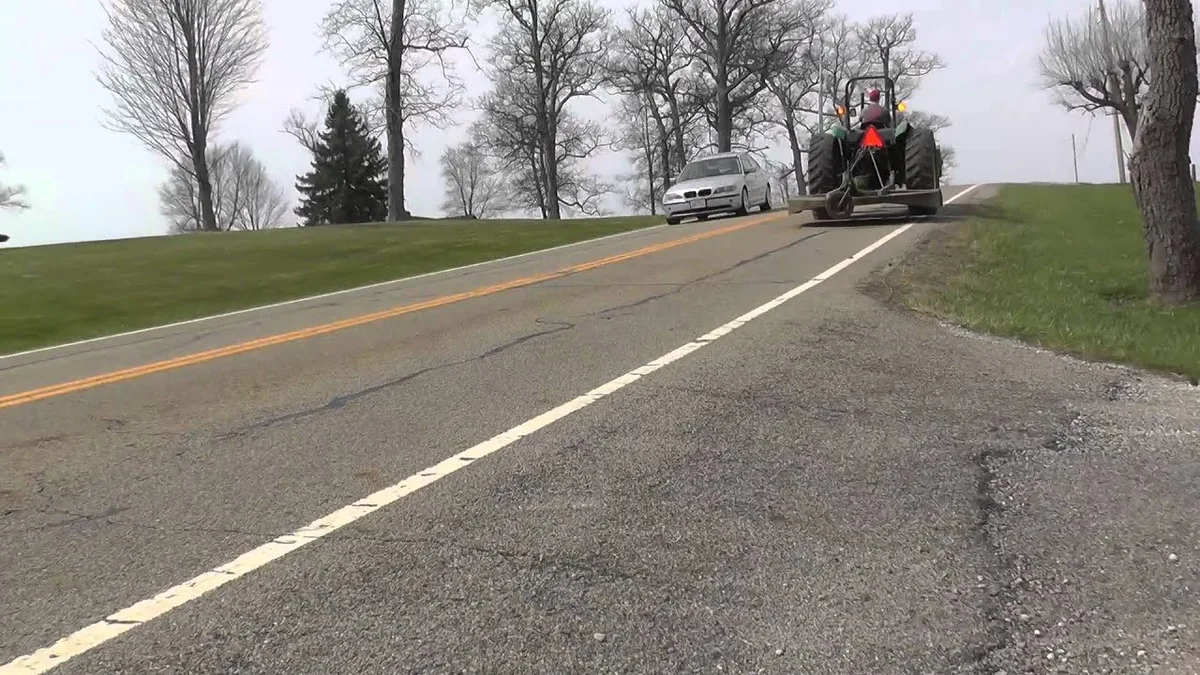
- Highways with speed limits of 35 mph or below, provided you display required markings
Where Your Farm Truck Cannot Go
- Interstate highways or major toll roads not designated for agricultural use
- Urban commercial corridors outside your agricultural operating zone
- Roads with posted weight restrictions below your vehicle's GVWR
- Any route requiring commercial vehicle permits you do not hold
Operating outside these boundaries voids your agricultural registration privileges. Law enforcement officers in the USVI routinely enforce these restrictions, and violations carry fines that escalate with repeat offenses.
Costs and Fees for USVI Farm Truck Registration
Registration fees for farm trucks in the US Virgin Islands run significantly lower than commercial truck registration. The exact amount depends on your vehicle's weight class and whether you are a new registrant or renewing.
| Fee Type | Estimated Cost | Details |
|---|---|---|
| Initial Registration | $30 to $75 | Based on vehicle weight and class |
| Agricultural Plate Fee | $15 to $25 | Special farm vehicle plates |
| Annual Renewal | $25 to $60 | Due each registration year |
| Late Renewal Penalty | $25 to $50 | Applied after 30-day grace period |
| Replacement Plate | $10 to $15 | If plates are lost or damaged |
These fees are substantially lower than commercial registration, which can exceed $200 annually for similar vehicles. The savings reflect the territorial government's recognition that farm trucks serve a public agricultural purpose rather than profit-driven freight operations.
Insurance costs also differ for farm trucks. Agricultural vehicle insurance premiums typically run 20 to 40 percent lower than commercial truck insurance in the USVI.
Common Mistakes That Get Farm Trucks Rejected or Fined
Even well-intentioned farmers make errors during the farm truck registration process. These mistakes can delay your application, trigger fines, or worse, result in complete registration denial.
Mistake 1: Submitting Incomplete Farm Verification
The most common rejection reason is insufficient proof of agricultural use. A simple letter from the USVI Department of Agriculture confirming your farming status carries more weight than vague documentation.
Mistake 2: Confusing Farm and Commercial Plates
Some farmers register their trucks as farm vehicles but then use them for commercial freight hauling. This mismatch between your plate type and actual usage violates USVI law.
Mistake 3: Ignoring Slow-Moving Vehicle Requirements
Failing to display the required SMV emblem or keeping it damaged and unreadable puts you at risk of a citation. Law enforcement officers check for these markings during routine stops.
Mistake 4: Overlooking Annual Renewal Deadlines
Farm truck registration expires annually, and missing the renewal window triggers penalties. Set reminders using your phone or calendar at least 60 days before expiration.
Mistake 5: Assuming Mainland Rules Apply
Farmers who relocate from mainland states often assume their existing agricultural registration transfers directly. It does not. The USVI maintains its own vehicle codes and registration requirements.
Farm Truck vs. Commercial Truck in USVI: Key Differences
Understanding the distinction between a farm truck and a commercial truck matters for compliance and cost reasons. The USVI treats these categories differently across registration, insurance, road access, and usage rules.

| Feature | Farm Truck | Commercial Truck |
|---|---|---|
| Registration Fee | $30 to $75 annually | $150 to $300+ annually |
| Insurance Premium | 20 to 40% lower | Standard commercial rates |
| Road Access | Restricted to agricultural routes | Full highway access |
| Weight Requirements | Standard GVWR limits | May require special permits |
| Usage Purpose | Agricultural operations only | General freight and cargo |
| Inspection Frequency | Annual | Annual plus random roadside checks |
| Plate Type | Agricultural silver/green | Commercial yellow or white |
If your vehicle crosses from agricultural to commercial use, you must re-register it accordingly. Operating a farm-registered truck for commercial purposes without updating your classification violates USVI law and exposes you to fines and potential impoundment.
When You Need Additional Permits (And When You Don’t)
Most farm truck owners in the USVI do not need permits beyond their standard agricultural registration. However, certain situations trigger additional authorization requirements.
Permits You Likely Do Not Need
- Basic farm-to-market transport within your agricultural zone
- Hauling your own crops, livestock, and farm supplies
- Operating within standard weight and speed parameters
- Driving on designated agricultural routes during daylight hours
Permits You May Need
- Oversized or overweight loads exceeding standard GVWR limits
- Transporting hazardous agricultural materials like pesticides in bulk
- Operating beyond the five-mile agricultural radius without special authorization
- Using your farm truck for short-term commercial hauling between seasons
- Transporting livestock across islands requiring additional health certificates
Contact the USVI DMV or the territorial Department of Agriculture before undertaking any operation that falls outside standard agricultural use.
Safety and Legal Compliance: Non-Negotiables for USVI Farm Trucks
Farm truck compliance in the US Virgin Islands goes beyond paperwork. Safety standards and legal requirements exist to protect you, your cargo, and other road users.
Mandatory Safety Equipment
Your farm truck must carry specific safety equipment at all times. A properly mounted slow-moving vehicle emblem is non-negotiable. Functional brake lights, turn signals, and side reflectors keep you visible during low-light conditions.
Insurance Requirements
USVI law requires minimum liability insurance for all registered vehicles, including farm trucks. Your policy must cover bodily injury and property damage arising from vehicle operation.
Regular Inspections
Annual vehicle inspections verify that your farm truck meets safety standards. Common inspection failures include worn tires, broken lights, and missing or damaged SMV emblems.
Keeping Records Organized
Maintain a file with all your farm truck documentation. Include your registration certificate, insurance cards, inspection reports, and any permits you hold.
Frequently Asked Questions
Can I register a farm truck in the USVI if I do not own farmland?
Yes. Leasing agricultural land or working as a contracted farmer qualifies you for farm truck registration. You need documented proof of agricultural use from the USVI Department of Agriculture.
Do farm trucks need the same insurance as commercial trucks in the USVI?
No. Farm truck insurance premiums run significantly lower than commercial rates. However, you must still meet the USVI minimum liability requirements.
Can I use my farm truck to haul goods for other farmers?
Not without reclassifying your vehicle. Using a farm-registered truck for for-hire hauling violates USVI agricultural vehicle rules.
How often do I need to renew my USVI farm truck registration?
Annually. The USVI DMV requires yearly renewal of all vehicle registrations, including farm trucks.
What happens if I drive my farm truck on a restricted highway?
You risk a citation, fines, and potential suspension of your agricultural registration privileges.
Is the slow-moving vehicle emblem required year-round?
Yes. The USVI requires farm trucks to display the SMV emblem whenever operated on public roads.
Final Checklist: Are You Ready to Register?
Before heading to the USVI DMV, confirm you have everything in order. Start by verifying your agricultural status with the territorial Department of Agriculture. Gather your vehicle title, proof of insurance, and a valid government-issued ID.
Double-check that your truck meets all safety equipment requirements. Set a renewal reminder for next year. The USVI farm truck system rewards responsible operators with lower costs and streamlined processes.