So, you're staring at a dusty car, the sun's beating down, and you don't have a hose or a bucket handy. You've heard about this "waterless wash and microfiber cloth" thing, but you're also scared you'll scratch your paint into a spiral of regret. It's a real concern, because using a waterless wash wrong is one of the fastest ways to introduce swirls and haze to your clear coat.
Manufacturer specifications, like those from Optimum Polymer Technologies, peg the lubrication level of a proper waterless wash at around 1-2% of the total solution, which is enough to float light dust off the surface without leaving residues. That tiny lubricant layer is the only thing standing between your microfiber and your paint, which means technique matters more than product. Here's how to tell if waterless is your friend today, or if you should just walk away.
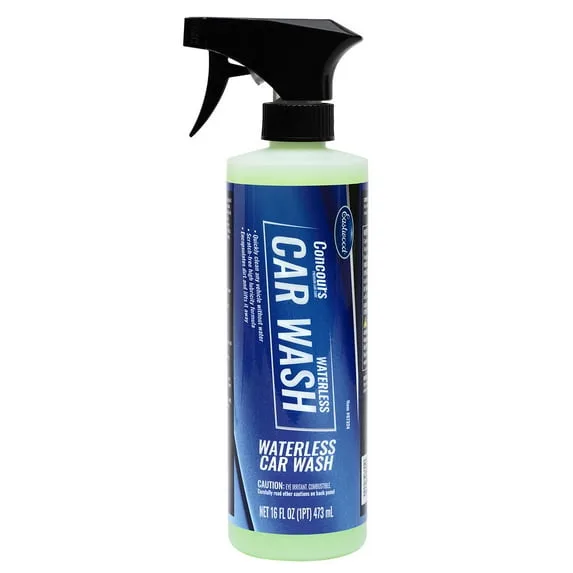
Image source: Bing (Web (fair-use with source credit))
The Real Problem: Why a Normal Wash Won't Work Right Now
You don't have access to running water. Maybe you live in an apartment, or you're at a trailhead, or the outdoor spigot is frozen solid in January. Traditional car washing requires at least a bucket of water and ideally a hose, but a lot of people simply can't make that happen.
That's the pain point. Your car is dirty, and you need a safe, fast cleaning method that doesn't involve dragging out the pressure washer. Waterless wash is the obvious solution, but only under the right conditions.
The problem is that most guides skip straight to the "how" without first checking the "if."
The real question isn't "how do I do a waterless wash?" It's "can I do one right now without damaging my paint?" That's what we're answering here.
Quick Answer
Waterless wash works for light dust and light debris only. Spray the lubricant on one panel. Wipe with a clean, folded microfiber cloth.
Flip the cloth often. Buff dry with a second towel. Never use on heavy dirt, mud, or sand.
The process takes about 15 to 30 minutes. It leaves no water spots if done correctly.
How Waterless Wash Actually Works – The Lubrication Principle
Image source: Bing (Web (fair-use with source credit))
Your paint is a hard but brittle surface, roughly as tough as a smartphone screen. Dirt particles, especially silica-based dust, are harder than your clear coat. When you rub that dust across the paint without enough lubrication, it acts like sandpaper.
Waterless wash sprays contain surfactants, polymers, and sometimes wax or SiO2. These chemicals lower the surface tension of the liquid, allowing it to get under the dirt and lift it off the paint. The liquid then holds those particles in suspension inside the microfiber's fibers.
Here's the part that matters: the microfiber cloth is not the scrubbing tool. It's the absorbent vehicle. The real cleaning happens because of the chemical lift, not because you're rubbing hard.
If you apply pressure, you're defeating the purpose completely. Aggregate reviews from professional detailers confirm that the "no pressure" technique is the single biggest factor in a scratch-free waterless wash.
The Decision Tree: Choose Your Path Based on Your Situation
Your car's surface condition dictates whether you use a waterless wash or a different method. Let's run through the three most common branches.
Branch A – Light Dust or Light Debris (Safe to Proceed)
You park in a garage. The car gets a thin layer of dust overnight, maybe some pollen, and you want a quick refresh before heading out. This is the textbook use case.
You can absolutely use a waterless wash on this level of contamination.
- Check: Run a clean, dry microfiber over the paint. If it picks up light dust that floats away, you're good.
- Action: Proceed to the step-by-step guide.
Branch B – Moderate Dirt / Gravel / Mud (Not Safe – Redirect)
You drove down a dirt road, or there's caked-on mud from last night's rain. The surface looks gritty. A waterless wash here will drag those larger particles across the paint, causing deep scratches.
- Check: Grab a pinch of the dirt. Does it have any gritty texture? If you can see individual grains, do not use waterless.
- Redirect: You need a standard hose wash, or better yet, a pressure washer with a foam cannon. Check our guide on how a foaming sprayer works to understand how that setup tackles heavy dirt.
Branch C – Ceramic-Coated Paint (Different Rules Apply)
If your car has a ceramic coating, waterless wash works even better. The slick surface makes dirt harder to stick, and the lubricant glides easily. However, you still need to follow the same decision rules.
Ceramic coatings don't make scratches impossible, they just reduce the likelihood.
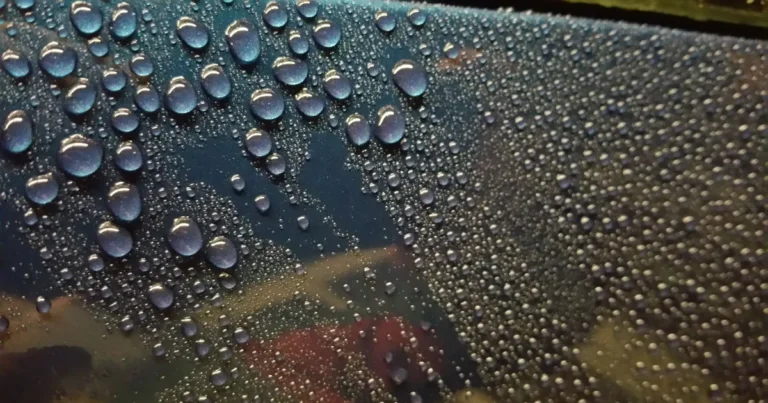
- Check: Is the coating still beading water? If yes, waterless wash is fine. If the coating is failing, treat it like uncoated paint.
- Action: Same step-by-step, but use a ceramic-safe waterless wash (pH neutral, no abrasives).
Step-by-Step: How to Do a Waterless Wash Without Scratching
Step 1 – Inspect and Prepare Your Workspace
Park in the shade. Direct sun will cause the spray to flash dry before you can wipe it, leaving residues. The ambient temperature should be under 90 degrees Fahrenheit (32 degrees Celsius).
If it's hotter, wait until evening or early morning.
Check each panel with your hand. If you feel any gritty texture, stop. Use a grime remover spray or a dedicated bug and tar spray to pre-treat sticky spots.
We've covered specific formulas in our article on the best bug and tar remover for vehicles. Let those dwell for 30 seconds, then wipe with a separate microfiber.
Step 2 – Choose the Right Microfiber Cloth (GSM & Fiber Type)
This is non-negotiable. For application, you want a 300 to 400 GSM twist-loop cloth, edgeless, 16 by 16 inches minimum. Avoid any towels with stitched edges, as those can scratch.
For the final buff, use a 500 to 600 GSM plush towel, also edgeless.
- Application towel: Absorbs the dirty solution and holds particles.
- Buff towel: Picks up any remaining moisture and leaves a streak-free shine.
Use one towel per panel if possible. At minimum, have three application towels and one or two buff towels for a standard sedan.
Step 3 – Spray, Fold, and Wipe Technique
- Spray: Apply 2 to 3 sprays per panel. A typical spray pattern covers about a 2-foot square area. Don't oversaturate. Too much liquid can leave residues.
- Fold: Take the application towel and fold it into quarters. This gives you eight clean surfaces as you flip and refold.
- Wipe: Start at the top of the panel. Use a straight, overlapping pass. Do not apply downward pressure. Let the weight of your hand guide the cloth. Wipe one direction only, then flip the towel to a clean side.
- Buff immediately: Before the spray dries completely (within 30 to 60 seconds), use the dry buff towel to remove any leftover moisture. This prevents water spots.
Step 4 – Final Buff and Towel Care
After the whole car is done, do a quick full-body pass with a fresh buff towel to catch any streaks you missed. This step is crucial if your waterless wash contains wax or SiO2, because those can haze if left uneven.
Now, don't stuff the dirty towels in a bag and forget them. Wash them separately from your household laundry using a dedicated microfiber cleaner or a dye-free, fragrance-free detergent. Never use fabric softener.
It clogs the fibers and ruins their absorbency. Air dry or tumble dry on no heat. Heat damages the microfiber's loops.
We'll go deeper into towel maintenance later, but this routine keeps your towels safe for dozens of washes. For removing stubborn stains like tar or bird droppings, our guide on the best tar remover for car can help before you start the waterless wash.
That covers the first five sections. The next sections will cover common mistakes, microfiber buying advice, alternatives, and maintenance.
The Most Common Mistakes That Scratch Your Paint
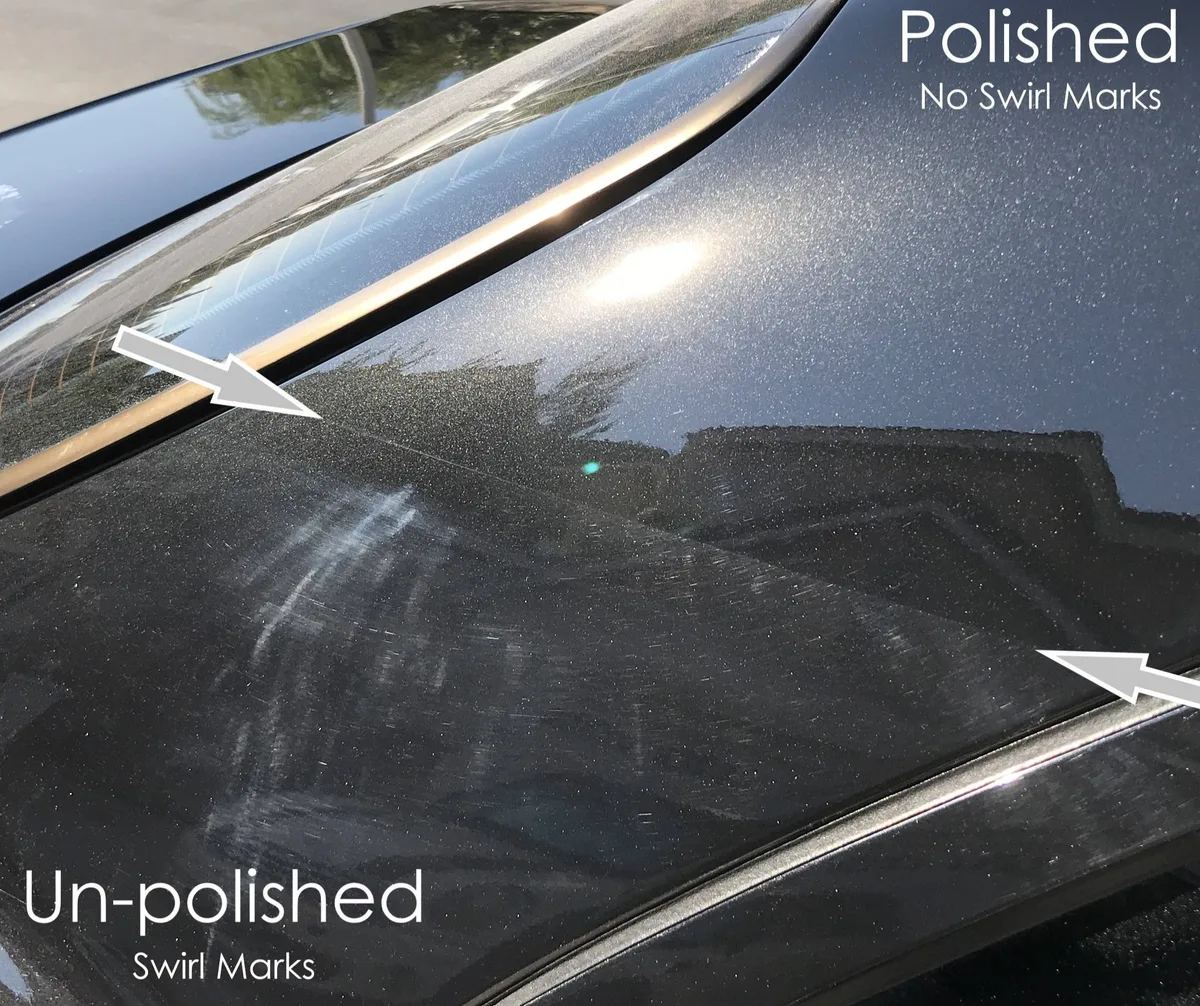
Image source: Bing (Web (fair-use with source credit))
Aggregate reviews from detailing forums show that nine out of ten waterless wash failures come from the same root cause: applying too much pressure. You're not scrubbing a pan. You're floating dirt off a surface.
Push down and you embed particles into the clear coat.
Another mistake is using one towel for the whole car. Each pass picks up dirt. By the third panel, that towel becomes a sanding block.
Switch towels often. Have at least three application towels ready before you start.
Skipping the pre-inspection is equally dangerous. If you see bird droppings or bug splatters, don't spray waterless wash over them. Those contain acids that etch paint.
Use a dedicated best sap remover for cars or bug remover first. Let it dwell, wipe gently, then proceed.
Spraying in direct sunlight causes the solution to flash dry. That leaves polymer residues that are hard to buff off. The result is a hazy film that looks worse than the dust you started with.
Always work in shade or when the car surface is cool.
Finally, using a dirty buff towel ruins everything. If your drying towel has old wax or dirt embedded, it will smear the panel. Keep your towels clean and dedicated only to paint.
What Microfiber Cloth Should You Actually Buy? (GSM, Edgeless, Color-Coding)
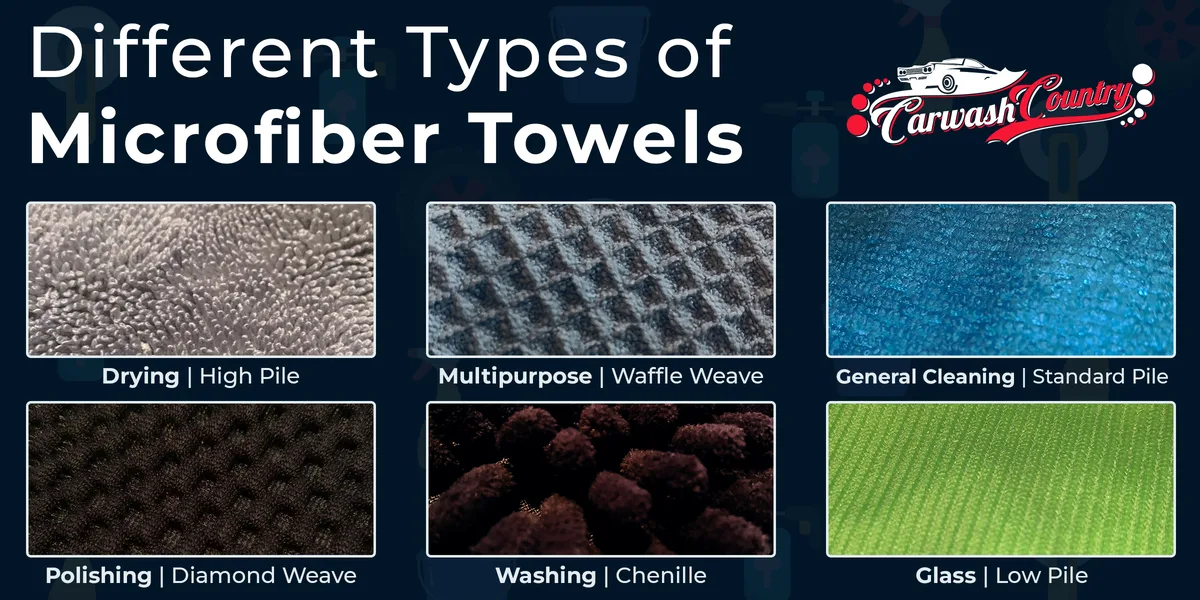
Image source: Bing (Web (fair-use with source credit))
Not all microfiber is the same. The number that matters most is GSM, grams per square meter. For waterless wash application, look for 300 to 400 GSM, twist-loop weave, edgeless.
For buffing, 500 to 600 GSM, long nap, also edgeless.
| Cloth Type | GSM Range | Use Case | Key Feature |
|---|---|---|---|
| Application towel | 300–400 | Spray and wipe | Short nap, traps dirt |
| Buff towel | 500–600 | Final dry | Long nap, absorbs residue |
| Glass towel | 250–350 | Windows | Waffle weave, no lint |
Edgeless means the towel has no stitched border. Stitched edges can be harder than the fabric and scratch paint, especially on curved panels. The International Detailing Association (IDA) recommends edgeless towels for paint contact.
Color-coding helps avoid cross-contamination. Use one color for paint, another for wheels, and a third for glass. A common system is yellow for paint, blue for glass, and black for wheels.
This prevents you from grabbing a wheel towel and accidentally using it on your hood.
When buying in bulk, look for 70/30 polyester to polyamide blend. That's the standard split for cleaning towels. Avoid 80/20 blends for paint work; they have less absorbency.
When Waterless Wash Isn't the Answer – Safer Alternatives for Heavy Dirt
Waterless wash has a hard limit. If your car is caked in mud, road salt, or thick dust from construction, skip it entirely. The lubrication can't lift those heavy particles safely.
You'll just grind them into the paint.
The safer alternative is a rinseless wash, which uses a bucket of water and a special solution like Optimum No Rinse. You dip a microfiber in the bucket, wipe a panel, then dry immediately. The bucket's grit guard traps particles at the bottom, so your wash media stays clean.
For extreme dirt, go back to the basics. A hose with a spray nozzle is the cheapest option. For apartment dwellers without a spigot, a portable pressure washer or a foam cannon setup from our guide on how a foaming sprayer works can do the job with just a bucket of water.
If you have heavy tar or asphalt deposits, a waterless wash won't touch them. Use a dedicated best tar remover for car spray. Let it dwell, then wipe.
Follow up with waterless wash for the rest of the panel.
Know your dirt level before you choose your method. If the paint feels gritty to the touch, do not reach for the waterless bottle. Grab a hose or a rinseless bucket instead.
Maintaining Your Microfiber Towels So They Last (And Don't Turn Into Scratchers)
Dirty microfiber is dangerous microfiber. Once a towel is used, it holds trapped dirt inside its loops. If you reuse it without washing, that dirt becomes abrasive.
Wash your towels after every single use.
Never wash microfiber with household laundry. Fabric softener coats the fibers and destroys absorbency. Bleach weakens the loops.
Use a dedicated microfiber detergent or a dye-free, fragrance-free liquid soap. Wash in warm water, not hot.
Dry on low heat or air dry. High heat melts the synthetic fibers, turning them stiff and scratchy. If the edges start to feel rough or the nap becomes matted, retire the towel.
It's no longer safe for paint.
Store towels in a sealed bag or container to keep them dust-free while not in use. A single grain of sand sitting on a clean towel can scratch a panel on the next use.
For towels that have picked up old wax or stubborn stains, soak them in a solution of vinegar and water (one part vinegar to four parts water) for an hour before washing. This breaks down the residues without damaging the fibers.
Real Scenarios: Apartment Parking, Quick Bird Dropping, Show Prep
Scenario 1: Apartment parking lot dust. You park outdoors. The car gets a thin coat of pollen and dust overnight. This is the ideal waterless wash use case.
Follow the step-by-step from earlier. Keep a spray bottle and two towels in a small caddy in your trunk. Do one panel at a time.
Total time: 15 minutes.
Scenario 2: Bird dropping on a ceramic coated car. You find a fresh dropping on the hood. Do not wipe. Spray the area with waterless wash and let it dwell for 30 seconds.
The lubricant softens the dropping. Use a gentle blob wipe, not a smear. Then buff.
For older, dried droppings, use a best bug and tar remover for vehicles first.
Scenario 3: Pre-show quick shine. You've already washed the car, but you drove five miles to the show and picked up light road film. A waterless wash can remove that film without a full re-wash. Use a spray wax version to add gloss.
Work in sections. The result is a show-ready finish in 20 minutes.
Scenario 4: Winter salt prevention (light only). After a dry road with light salt spray, a waterless wash can lift the salt before it attracts moisture. But if salt is caked on, use a rinseless wash instead. Salt is hygroscopic and can etch paint if left overnight.
Decision Guide Recap – Quick Flowchart in Text Form
Start here: Look at your car. Is it light dust or light debris only? If yes, proceed with waterless wash.
If you see mud, heavy dirt, or gritty particles, stop. Use a hose or rinseless wash instead.
If proceeding: Spray one panel at a time. Use a clean 300-400 GSM edgeless towel folded into quarters. Wipe with no pressure.
Flip the towel to a clean side after each pass. Buff immediately with a 500-600 GSM towel.
After the wash: Inspect for streaks. Wash your towels separately. Air dry them.
Store them in a sealed bag until next use.
When in doubt: Test a small area first. If the towel picks up visible grit, abort. Switch to a safer method.
Waterless wash is a maintenance tool, not a deep cleaning solution.
Frequently Asked Questions
Can I use waterless wash on a matte paint finish?
Most waterless washes contain gloss enhancers that can alter the sheen of matte paint. Check the label. Look for a matte-safe formula.
If you are unsure, test on a small hidden area first.
How many towels do I need for one car?
Three application towels and two buff towels is a good minimum for a sedan. Use one towel per panel. Reusing a dirty towel transfers grit.
Will waterless wash remove wax or sealant?
Quality waterless washes are pH neutral and designed to be wax-safe. They do not strip protection. Some formulas even contain SiO2 or carnauba to boost shine.
Can I use household towels instead of microfiber?
No. Household towels have rough fibers and seams that scratch paint. They also lack the split-fiber structure that traps dirt.
Only use dedicated automotive microfiber cloths.
How often can I use waterless wash?
You can use it as often as needed for light dust. Many detailers use it daily for show cars. But do not rely on it exclusively.
Give the car a full traditional wash every few months to remove deeper contamination.
Does waterless wash work on windows?
It works on glass, but an alcohol-free glass cleaner often works better. For streak-free windows, use a dedicated glass cleaner and a waffle weave microfiber. Our guide on alcohol free window cleaner covers that in detail.