Black Friday deals are live on Amazon · limited-time discounts, grab them before they’re gone
Grab the deals

ByMax Lee
What Is the Best Rag to Wash a Black Car With? Ultimate Cleaning Guide
The best rag to wash a black car with is a clean, plush microfiber wash mitt—not an old cotton towel, household rag, or dry chamois. Microfiber safely lifts and traps grit when used with plenty of car shampoo, reducing the friction that creates swirl marks and fine scratches.
Black paint does not necessarily scratch more easily than other colors, but defects are much easier to see against a dark, reflective finish. The safest approach combines the right microfiber wash media, a careful wash method, frequent rinsing, and a separate towel for drying. You can also read our guide on how to plastic model car black wash.
The Best Rag for Washing a Black Car
Use a dedicated microfiber wash mitt with a deep, soft pile and no exposed abrasive stitching, stiff edges, or rough labels.
A quality microfiber mitt is effective because it:
- Holds plenty of lubricating wash solution
- Pulls loose dirt into its fibers instead of dragging it across the paint
- Covers more surface area than a small towel
- Can be rinsed repeatedly during the wash
- Works well with modern clear-coated paint
- Is easy to wash and reuse when properly cared for
For most vehicles, choose a mitt made from a soft microfiber blend, such as 70/30 or 80/20 polyester-to-polyamide. A medium- or deep-pile mitt is generally safer for painted panels than a thin, flat polishing cloth.
A common mistake is using the same towel for the wheels, tires, lower rocker panels, and glossy paint. Wheel grime often contains abrasive brake dust. Keep paint-washing microfiber completely separate from lower-body and wheel-cleaning towels.
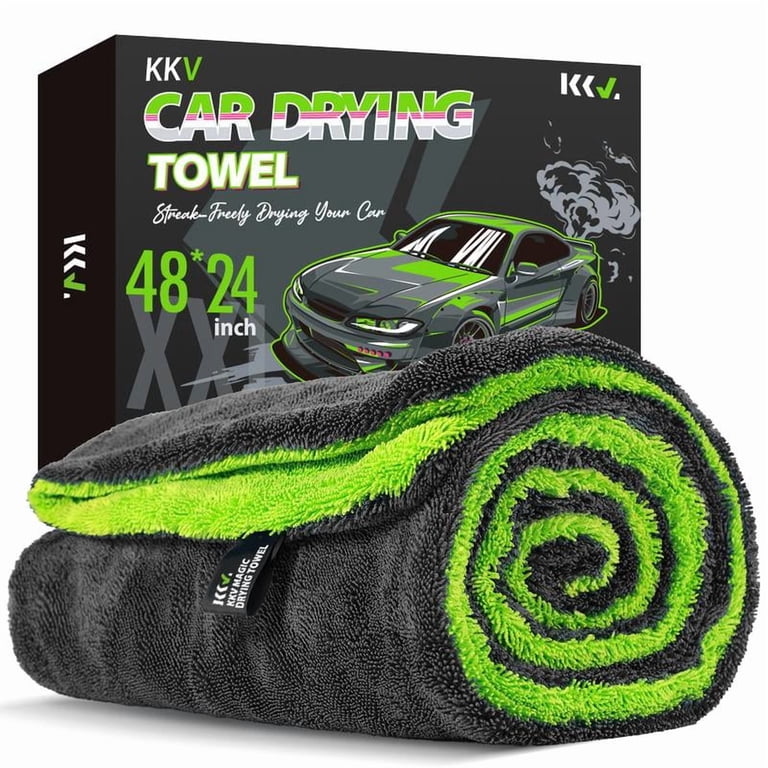
The deep microfiber pile helps hold loosened dirt away from the paint.
Credit: www.walmart.com
Microfiber Wash Mitt vs. Microfiber Towel
Both products can be useful, but they serve different purposes.
| Cleaning media | Best use | Advantages | Limitations |
|---|---|---|---|
| Plush microfiber wash mitt | Main exterior wash | Comfortable, absorbent, holds wash solution | Must be rinsed frequently |
| Microfiber wash towel | Small panels and detail work | Flexible and inexpensive | Can fold over and trap grit against paint |
| Twisted-loop drying towel | Drying paint and glass | Absorbs water efficiently with little pressure | Not intended for scrubbing dirty panels |
| Waffle-weave glass towel | Windows and mirrors | Leaves less lint and streaking | Not ideal for heavily soiled paint |
| Cotton rag | General utility work | Cheap and widely available | Can retain grit and leave lint |
| Natural or synthetic chamois | Water removal | Smooth and compact | Can drag grit if the surface is not perfectly clean |
| Wool or synthetic wool mitt | Gentle washing | Soft and highly absorbent | Requires careful cleaning and storage |
For a black car, the most practical setup is one microfiber mitt for upper paint, a second mitt for lower panels, and a separate drying towel. If you prefer towels, use several clean microfiber towels and replace each one as soon as it becomes visibly dirty.
What Specifications Should You Look For?
The label “microfiber” alone does not guarantee that a towel is paint-safe. Inspect the construction before using it.
Pile and softness
Choose a plush, flexible pile that feels smooth when rubbed lightly across your hand. Very short, stiff fibers may not hold enough dirt away from the surface. Extremely long fibers can be useful for drying but may be awkward for washing because they become saturated quickly.
Edges
Edgeless towels or towels with soft, hidden edges reduce the chance of an edge catching on trim or dragging against the paint. Avoid hard satin borders, exposed overlock stitching, and towels with abrasive tags.
Size and handling
A mitt should fit securely without sliding off your hand. For towels, a medium size is easier to control than an oversized cloth that falls onto the ground. Never continue using a towel after it touches the driveway; set it aside for washing.
Color coding
Use different colors for different jobs. For example:
- Light-colored towels for paint and final inspection
- Blue towels for glass
- Dark towels for wheels and exhaust tips
- Separate towels for interior plastics and leather
Color coding does not make a towel safer by itself, but it helps prevent cross-contamination.
Why Black Paint Needs a Low-Friction Washing Method
Most visible swirl marks come from particles being moved across the clear coat. Dust, sand, road film, and brake residue can act like tiny abrasives when combined with pressure.
The goal is not simply to find the softest rag. The goal is to reduce contact between abrasive particles and the paint.
That means:
- Remove loose dirt before touching the vehicle.
- Use a lubricating automotive shampoo.
- Keep the wash mitt saturated.
- Apply very little pressure.
- Rinse the mitt often.
- Dry with a clean, high-absorbency towel.
A soft towel can still scratch if it contains grit. Conversely, a properly maintained microfiber mitt can become unsafe if it is dropped, used on dirty wheels, or washed with greasy household laundry.
For a complete bucket sequence and grit-control setup, follow this paint-safe bucket routine.
How to Wash a Black Car Without Creating Swirl Marks
1. Choose the right conditions
Wash in the shade on a cool surface. Avoid washing directly after driving when the hood, roof, or wheels are hot. Direct sun makes shampoo dry quickly and increases the chance of mineral water spots.
Park where runoff can be managed and check local water-use requirements. The Environmental Protection Agency provides general information on protecting waterways from polluted runoff, which is relevant when wash water carries detergent, road grime, and brake dust toward storm drains.
2. Rinse the car thoroughly
Use a hose or pressure washer to remove loose dust and grit. Begin at the roof and work downward. Keep the nozzle far enough away to avoid damaging loose trim, damaged paint, or weather seals.
A pre-rinse will not remove bonded contamination, but it reduces the amount of loose abrasive material your mitt must contact.
3. Prepare clean wash solution
Use a pH-balanced shampoo designed for automotive paint. Follow the product’s dilution instructions rather than guessing. Household dish soap can remove protective products and may not provide the lubrication needed for safe paint contact.
Use one bucket for shampoo solution and another for rinsing. A grit guard can help keep heavier particles at the bottom, but it does not replace frequent rinsing or careful technique.
4. Wash from the top down
Soak the microfiber mitt completely, then wash one small section at a time:
- Roof
- Upper windows
- Hood and trunk
- Upper doors and fenders
- Lower doors and bumpers
- Wheels and tires with separate tools
Use straight, overlapping passes with light hand pressure. Do not scrub in circles. Straight passes make any accidental marring easier to identify and avoid repeatedly working the same particle over the same area.
5. Rinse the mitt after each section
After cleaning a panel, rinse the mitt in the rinse bucket and agitate it gently against the grit guard if one is present. Inspect it with your fingers. If you feel sand, remove it from service until it has been properly washed.
Reload the mitt with fresh shampoo before touching the next panel. Never place a dirty mitt on the ground or on the vehicle.
6. Rinse shampoo from the paint
Rinse from the top down until no visible soap remains. If the vehicle is large or the weather is warm, rinse one section at a time to prevent the solution from drying.
7. Dry with a separate microfiber towel
Use a clean twisted-loop or plush drying towel. Lay it flat and gently pull it across the panel, or blot the surface with minimal pressure. Do not use the wash mitt as a drying towel.
A clean water-spot prevention routine helps maintain a dark finish, particularly in areas with hard water. If the towel becomes saturated or picks up visible dirt, replace it immediately.
How Many Rags Do You Need?
One rag is not enough for a safe black-car wash. A practical minimum is:
- One microfiber wash mitt for the upper body
- One separate mitt for lower panels
- One wheel and tire brush or dedicated wheel mitt
- Two or more drying towels
- One glass towel
- Several spare microfiber towels for door jambs and spot drying
The exact number depends on vehicle size and how dirty it is. A lightly dusty sedan may need fewer towels than a muddy SUV, but using extra clean media is cheaper than correcting paint damage.
Do not use a single towel to wash the entire car and then dry it. Once the towel has collected grit, it should not return to a clean panel.
How to Clean and Store Microfiber Towels
Proper laundering is essential. Microfiber can attract and hold oils, waxes, and fine grit, so washing technique affects its future safety.
Recommended care
- Shake towels outdoors before washing.
- Wash microfiber separately from cotton clothing and bath towels.
- Use a mild liquid detergent without bleach.
- Avoid fabric softener; it coats the fibers and reduces absorbency.
- Avoid detergents containing strong fragrances, oils, or heavy additives.
- Use warm water if allowed by the towel manufacturer.
- Tumble dry on low heat or air-dry in a clean area.
- Store towels in a sealed, clean container after they are fully dry.
Inspect each towel before reuse. If it feels stiff, greasy, rough, or contaminated with embedded grit, downgrade it to interior, engine-bay, or household utility work. Do not keep using it on glossy paint simply because it still looks clean.
What Not to Use on Black Paint
Avoid these common choices for the painted exterior:
Old cotton towels
Cotton can be soft, but its fibers generally do not manage grit as effectively as a quality automotive microfiber. Worn edges, loose threads, and embedded debris increase the risk of marring.
Household rags
Repurposed clothing may contain buttons, zippers, seams, lint, or residues from laundry products. A rag that feels soft may still have a rough section capable of marking clear coat.
Paper towels
Paper towels can be abrasive when used with pressure and may leave lint or disintegrate on wet surfaces. They are better reserved for disposable cleanup away from finished paint.
Dry towels on dirty paint
A dry towel has little lubrication. Wiping dust from a black car before washing is a reliable way to drag particles across the surface.
A chamois on contaminated paint
Chamois products are primarily for removing water after washing. They should not be used to scrub a dirty car, and they can drag debris if they are not thoroughly rinsed and clean.
One mitt for everything
Never use the same mitt on wheels, tires, exhaust outlets, and body panels. Brake dust and road tar can remain in the fibers even after a casual rinse.
You can also review this guidance on safer automated washing choices if hand washing is not practical.

Use a separate clean towel for drying after the wash is complete.
Credit: www.amazon.com
Comparison: Which Rag Is Best?
| Rag type | Paint safety when clean | Dirt-holding ability | Best use | Overall choice |
|---|---|---|---|---|
| Plush microfiber wash mitt | Excellent | High | Washing painted panels | Best option |
| Plush microfiber towel | Very good | High | Small sections and spot cleaning | Good alternative |
| Twisted-loop microfiber towel | Excellent for drying | Medium | Drying after washing | Best for drying |
| Cotton towel | Fair | Low to moderate | Utility or non-painted areas | Not preferred |
| Chamois | Fair when clean | Moderate | Drying clean paint | Limited use |
| Wool or synthetic wool mitt | Very good | High | Gentle washing | Effective but needs careful care |
| Household rag | Unpredictable | Unpredictable | General cleanup | Avoid on paint |
Do You Need a Separate Rag for Wax, Sealant, or Ceramic Coating?
Yes. Washing and applying protection are different jobs.
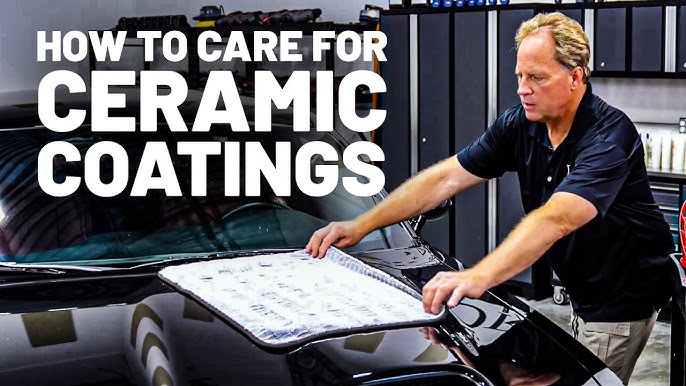
Use a clean, short- or medium-pile microfiber towel to spread wax or a paint sealant, then a second clean towel to buff residue. For ceramic coatings, follow the coating manufacturer’s instructions exactly. Some products require a specific leveling towel and a timed wipe-off; using the wrong towel or waiting too long can leave high spots.
Do not use a towel that has touched tire dressing, polish residue, or wheel cleaner for coating work. Product residue can alter how a protectant spreads and may create streaks on black paint.
If you use waterproof gloves during the wash, choose gloves that provide grip without shedding abrasive material; this hand-protection guidance can help you plan the rest of your setup.
What If the Car Already Has Swirl Marks?
A better towel can prevent additional damage, but it cannot remove existing scratches. First wash and dry the car safely, then inspect it under strong, diffuse lighting. Do not polish immediately if the surface is still contaminated.
Light haze may improve with a suitable finishing polish, while deeper marks may require machine polishing or professional paint correction. Avoid aggressive rubbing with a dry towel; that usually creates more uneven marring rather than restoring gloss.
For ongoing care, wash when the car is visibly dirty instead of repeatedly dusting it with a dry cloth. A safe maintenance routine is more effective than trying to correct accumulated damage later. You can also review this information about avoiding paint damage before choosing a wash method.
Frequently Asked Questions
What is the best rag material for washing a black car?
A clean, plush microfiber is the best material. For the main wash, a microfiber mitt is usually easier and safer to control than a flat towel. The microfiber must be free of grit, washed without fabric softener, and used with plenty of automotive shampoo.
Can I use a cotton rag on a black car?
You can use cotton for non-painted utility work, but it is not the preferred choice for washing black paint. Cotton towels may retain grit, shed lint, or have rough seams. A dedicated microfiber mitt gives you better control and dirt retention.
Is a microfiber towel guaranteed not to scratch?
No towel can guarantee scratch-free results if it is dirty, damaged, used dry, or pressed against abrasive contamination. Microfiber reduces risk when combined with pre-rinsing, lubrication, light pressure, and frequent rinsing.
Should the rag be wet or dry?
Use a saturated microfiber mitt with automotive shampoo for washing. Use a separate clean and mostly dry microfiber drying towel after the vehicle has been rinsed. Never dry-wipe loose dust from black paint.
How often should I replace a microfiber wash mitt?
Replace or downgrade it when the fibers become stiff, matted, oily, permanently stained with grit, or difficult to rinse clean. A mitt that has touched wheels or the ground should no longer be used on glossy paint.
Is a chamois better than microfiber?
A chamois can remove water from already-clean paint, but microfiber is more versatile and easier to manage. For black cars, a dedicated microfiber drying towel is generally the more convenient choice because it provides strong absorption with minimal pressure.
Can I wash microfiber towels with normal laundry?
Wash them separately from lint-producing cotton items and avoid fabric softener and bleach. Dry them on low heat or air-dry them in a clean place. Always inspect the towel before returning it to painted surfaces.
Final Verdict
The best rag to wash a black car with is a clean, plush microfiber wash mitt, supported by a second mitt for lower panels and separate microfiber towels for drying. The material matters, but technique matters just as much: pre-rinse the car, use lubricating shampoo, wash from top to bottom, rinse the mitt frequently, and apply minimal pressure.
Keep paint towels away from wheels, replace contaminated media, and never wipe a dusty black car while it is dry. With the right microfiber tools and a low-friction wash process, you can keep black paint glossy while greatly reducing the chance of visible swirl marks.








