Have you ever thought about where all the dirty water goes after a car wash? That water, known as car wash wastewater, isn’t just plain water—it carries dirt, oil, soap, and chemicals that can harm the environment if not handled properly.
Understanding what car wash wastewater is and why it matters can help you make smarter choices for your car and the planet. Keep reading to discover how this hidden problem affects you and what can be done to manage it safely.
Car Wash Wastewater Basics
Car wash wastewater is the dirty water produced during vehicle cleaning. This water contains many substances that can harm the environment if not treated properly. Understanding the basics of car wash wastewater helps in managing it well. It involves knowing where the water comes from and what pollutants it holds.
Sources Of Wastewater
Wastewater in car washes comes from different steps of cleaning. Water used for rinsing cars flows off and collects dirt and chemicals. Soaps, waxes, and cleaning agents mix with the water. This mix drains away after each wash cycle. Some water also comes from equipment cleaning and floor washing.
Common Contaminants
Car wash wastewater contains many pollutants. Dirt, grease, and oil from cars are common. Soap and detergent residues add to the contamination. Heavy metals like lead and zinc may be present. These come from vehicle parts and cleaning products. Suspended solids and chemicals make the water unsafe for nature.

Credit: www.denveroil.co
Environmental Impact
Car wash wastewater contains many harmful substances. These can affect the environment badly. It is important to understand how this wastewater impacts nature. Protecting our water and wildlife starts with knowing the risks.
Many chemicals in the wastewater do not break down easily. They stay in water and soil, causing long-term damage. The impact spreads beyond just the car wash area. It can harm entire ecosystems.
Water Pollution Risks
Car wash wastewater often contains oil, grease, and detergents. These substances mix with rainwater and flow into rivers and lakes. This pollution lowers water quality and makes it unsafe. People and animals rely on clean water for drinking and survival.
Some chemicals in the wastewater can be toxic. They can kill bacteria that naturally clean water. This disruption leads to harmful bacteria growth. It can create bad smells and unsafe water conditions.
Effects On Aquatic Life
Fish and other aquatic animals are very sensitive to pollution. Chemicals from car wash wastewater can poison them. This can lead to illness or death in many species.
Pollutants also reduce oxygen levels in water. Low oxygen makes it hard for aquatic life to breathe. This causes fish kills and harms plants in the water.
The damage to aquatic life disrupts the whole food chain. Birds and animals that eat fish also suffer. Healthy water ecosystems depend on clean water without pollution.
Health Hazards
Car wash wastewater contains dirt, oil, and chemicals that can harm the environment. It may cause water pollution and health problems if not treated properly. Toxic substances in this water can affect both humans and animals.
Toxic Chemicals Involved
Car wash wastewater contains many harmful chemicals. These include detergents, oils, grease, and heavy metals. Detergents have phosphates that harm water life. Oils and grease can block drains and poison animals. Heavy metals like lead and zinc build up in soil and water. These chemicals do not break down easily. They stay in the environment for a long time. This makes car wash wastewater very dangerous.
Potential Exposure Routes
People can be exposed to car wash wastewater in several ways. Skin contact with the water can cause irritation or rashes. Inhaling fumes from chemicals can harm the lungs and eyes. Drinking contaminated water spreads toxins inside the body. Children playing near drainage areas face high risks. Workers at car wash sites need to be extra careful. They often handle chemicals without proper protection. These exposures can lead to serious health problems over time.
Regulations And Standards
Car wash wastewater contains oils, detergents, and dirt. These substances can harm the environment if not handled properly. Regulations and standards help control how this wastewater is treated and disposed of. They protect water sources, soil, and public health.
Local And Federal Guidelines
Local governments set rules based on community needs. These rules often include limits on chemical discharge and water reuse. Federal agencies, like the EPA, create nationwide standards. They focus on pollution control and water quality.
Both local and federal rules require permits for car wash operations. These permits ensure wastewater meets safety standards before release. Following these rules helps prevent fines and legal issues.
Compliance Challenges
Car wash owners face many challenges in meeting regulations. Wastewater treatment systems can be costly and complex. Understanding all rules is difficult for small businesses.
Regular monitoring and reporting are often required. This process demands time and technical knowledge. Non-compliance can lead to penalties and business closure risks.
Wastewater Treatment Methods
Car wash wastewater contains dirt, oils, and chemicals. Treating this water protects the environment and public health. Various methods remove pollutants and make water safe for disposal or reuse.
Filtration Systems
Filtration removes solid particles from wastewater. Screens and filters catch dirt and debris. Sand filters and membrane filters clean smaller particles. Filtration helps reduce contaminants before further treatment.
Chemical Treatments
Chemical treatments break down harmful substances. Coagulants make particles clump for easier removal. Disinfectants kill bacteria and germs. These treatments improve water quality and safety.
Recycling And Reuse
Recycling saves water and cuts costs. Treated water can wash cars again or irrigate plants. Reuse systems lower water waste and pollution. This method supports sustainable car wash operations.

Credit: www.huameicarbon.com
Best Practices For Car Wash Operators
Best practices for car wash operators help protect the environment and reduce pollution. Handling wastewater properly keeps local water safe. It also helps meet legal rules and saves money. Operators must focus on reducing harmful chemicals and disposing of wastewater safely.
Reducing Contaminant Release
Use eco-friendly soaps and detergents to lower pollution. Limit the use of harsh chemicals that harm water sources. Clean filters and traps regularly to catch dirt and oil. Train staff to follow proper washing techniques to avoid excess runoff. Collect and reuse water whenever possible to cut waste.
Safe Wastewater Disposal
Do not pour wastewater directly into storm drains or soil. Use a licensed disposal service to handle contaminated water. Install oil-water separators to remove grease and oil from wastewater. Store waste in sealed containers to prevent leaks and spills. Keep detailed records of wastewater treatment and disposal for compliance.
Community Awareness And Action
Community awareness plays a key role in managing car wash wastewater. Many people do not realize how harmful this wastewater can be. It carries chemicals and oils that pollute water and soil. When communities understand these risks, they can take action to reduce harm.
Taking action starts with knowledge. Communities can support local car washes that follow safe practices. They can also encourage others to be mindful of wastewater effects. Together, small steps can lead to big changes for the environment.
Role Of Consumers
Consumers influence how car wash wastewater is handled. Choosing eco-friendly car wash services helps reduce pollution. Asking questions about wastewater disposal raises awareness among businesses. Consumers can also wash cars at home using safer products. Every choice matters in protecting local water and soil.
Advocating For Cleaner Practices
Communities can push for better rules on car wash wastewater. Writing to local officials or joining environmental groups can make a difference. Supporting laws that require proper wastewater treatment helps keep water clean. Promoting education about pollution risks spreads important information. Clean water depends on active and informed communities.

Credit: www.researchgate.net
Frequently Asked Questions
What Is Car Wash Wastewater?
Car wash wastewater is the dirty water generated during vehicle cleaning. It contains soap, oils, dirt, and chemicals. Proper treatment is essential to prevent environmental pollution and protect water quality.
Why Is Car Wash Wastewater Harmful?
Car wash wastewater contains pollutants like detergents, oils, and heavy metals. These substances can contaminate soil and water, harming aquatic life and ecosystems if not treated correctly.
How Is Car Wash Wastewater Treated?
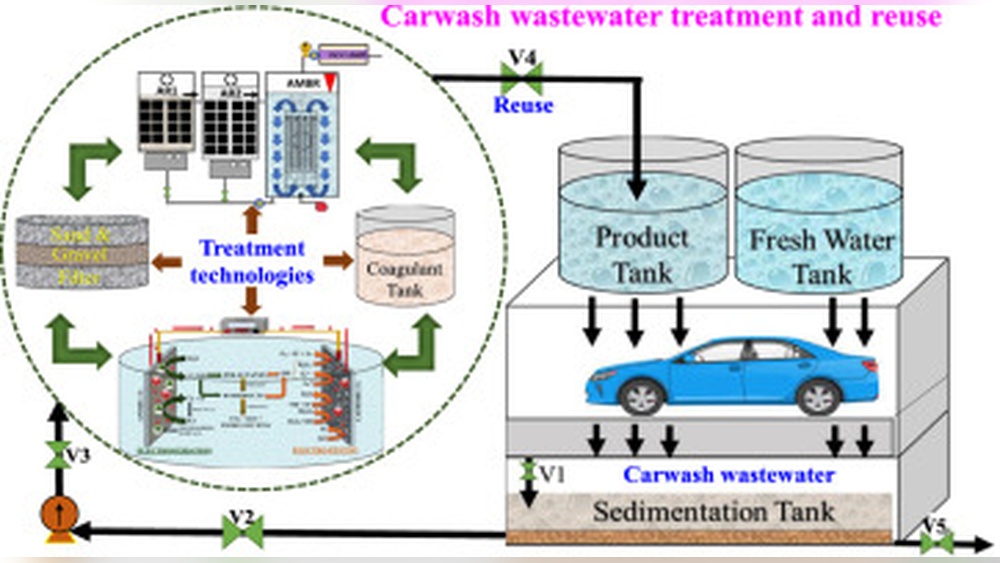
Treatment involves filtering, sedimentation, and chemical processes to remove contaminants. Many facilities use recycling systems to clean and reuse water, reducing environmental impact and conserving resources.
Can Untreated Car Wash Wastewater Affect Health?
Yes, untreated wastewater can carry harmful chemicals and bacteria. Exposure may cause skin irritation and contaminate drinking water sources, posing health risks to humans and animals.
Conclusion
Car wash wastewater contains dirt, oil, and chemicals. It can harm the environment if not treated properly. Treating this water helps protect rivers and soil. Using filters and separators keeps pollution away. Everyone should care about clean water. Small actions make a big difference.
Clean water supports health and nature. Remember, safe disposal matters for a cleaner world.