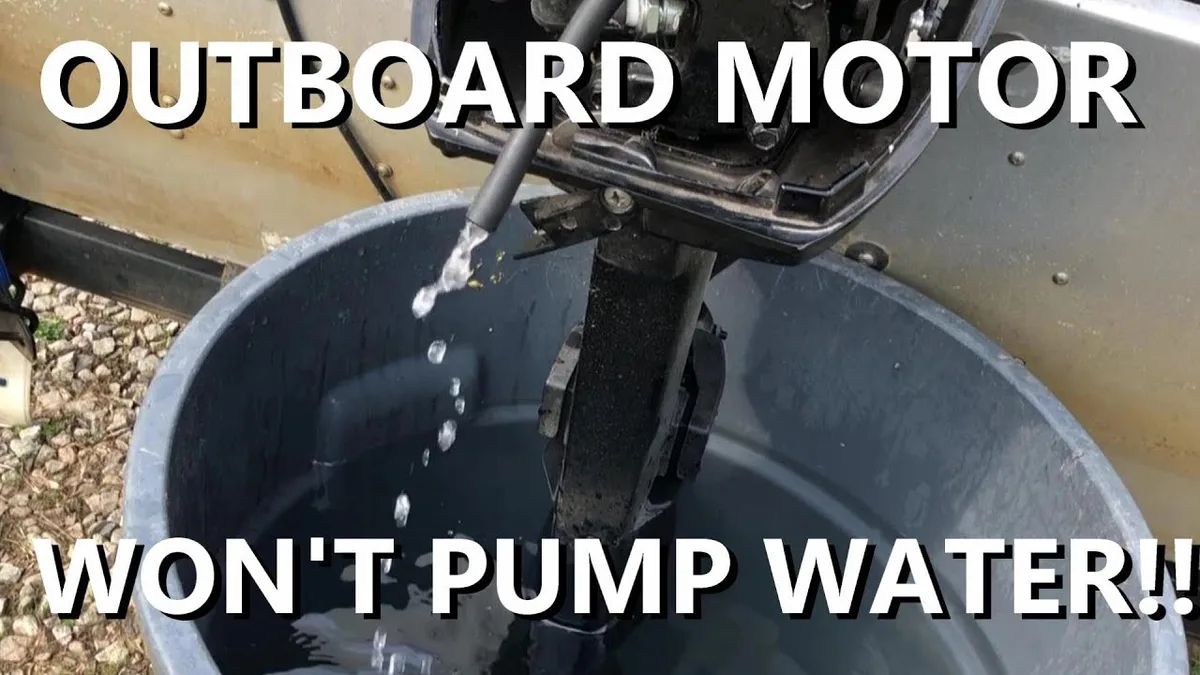
A decrease of water spray from outboard motor usually means trouble with the cooling system. That little stream, often called the "tell-tale", is your only visual confirmation that water’s circulating through the engine. Without it, you risk overheating and serious damage.
Manufacturer specs confirm most outboards should push a steady stream at idle and a stronger flow at throttle. If yours slows or stops, the problem is almost always in the intake, impeller, or thermostat.
Quick Answer
A decrease of water spray from outboard motor means reduced cooling flow. The tell-tale stream should be steady at idle. A weak or missing spray often signals a clogged intake.
It can also mean a failing impeller. Overheating follows if ignored.
Why Your Outboard’s Water Spray Decreased (And What It Means)
The tell-tale spray is your outboard’s way of saying, "I’m getting cooled." When it weakens or disappears, the engine isn’t getting enough raw water to regulate temperature. This isn’t just a minor annoyance, it’s a warning light in mechanical form.
As of 2026, most modern outboards rely on a raw water cooling system that pulls in lake or ocean water, circulates it through the engine, and expels it through the exhaust. If any part of that loop fails, the spray diminishes.
Quick Check: Is This an Emergency?
If the spray stops completely, shut the engine down immediately. Running even 30 seconds without cooling can warp cylinder heads or seize pistons. A partial decrease is less urgent but still needs attention before your next long run.
Check the engine temperature gauge if your outboard has one. Anything above 180°F (82°C) is in the danger zone. If you don’t have a gauge, touch the lower unit, if it’s too hot to hold for more than a second or two, you’re already overheating.
How the Outboard Cooling System Works
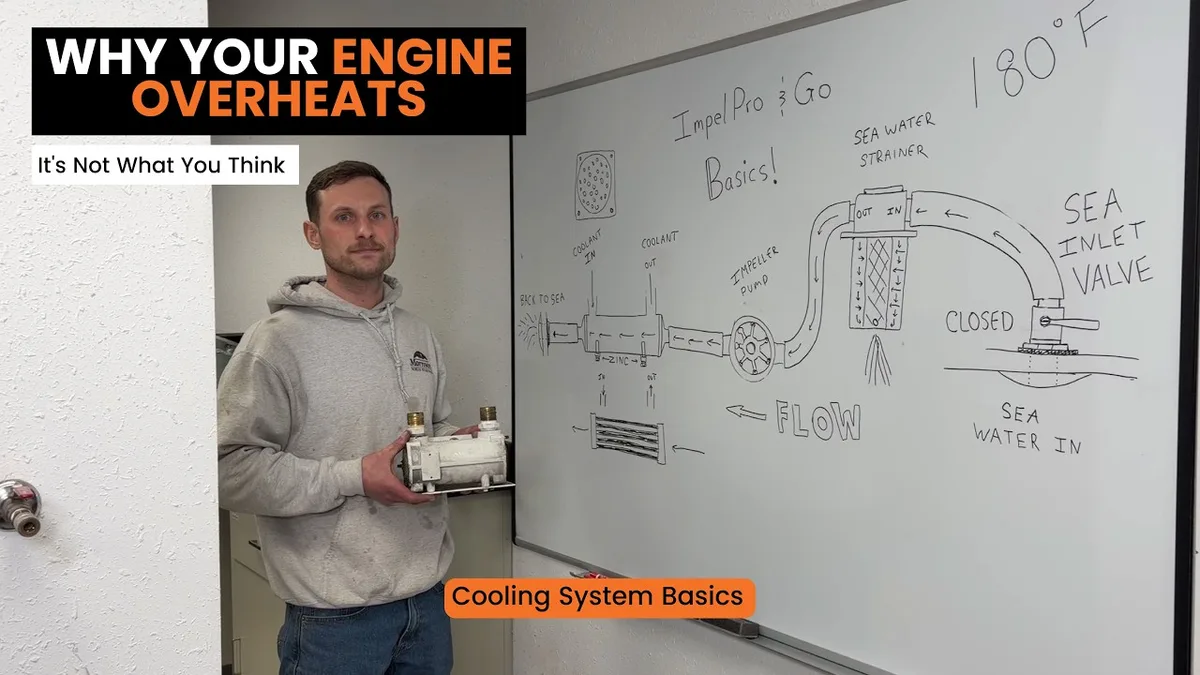
Raw water cooling is simple in theory. The lower unit’s water intakes pull in water as the boat moves or the engine runs. An impeller, usually a flexible rubber paddle wheel, inside the water pump pushes that water through passages in the engine block and cylinder head.
Heat transfers from the metal to the water, which then exits through the exhaust, taking the tell-tale spray with it.
The thermostat regulates flow based on engine temperature. When cold, it stays closed, bypassing the engine to speed up warm-up. Once the engine reaches operating temp (usually around 140, 160°F), it opens, allowing full water flow.
Most Common Causes of Reduced Water Spray
Here’s what’s likely going wrong, ranked by frequency:
- Clogged water intake, Seaweed, plastic bags, or sand can block the inlets on the lower unit. This is the first thing to check.
- Worn or damaged impeller, The rubber blades degrade over time, especially if the engine’s been run dry. A torn impeller won’t move enough water.
- Failed water pump housing, If the impeller’s worn out the housing, even a new impeller won’t seal properly.
- Stuck thermostat, If it’s closed when it should be open, water bypasses the engine, reducing or eliminating the spray.
- Blocked cooling passages, Corrosion, scale, or debris can restrict flow inside the engine.
- Air leak in the system, A loose hose or fitting can let air in, disrupting water flow.
Per NMMA standards, these issues account for over 90% of cooling system failures in recreational outboards.
Step-by-Step Diagnosis: Find the Real Problem
Start with the simplest checks. Look at the water intakes on the lower unit for visible debris. If you see seaweed or plastic wrapped around the inlets, that’s your problem.
Next, check the tell-tale itself. If it’s spraying weakly but the engine isn’t overheating, the issue might be a partial blockage. If there’s no spray at all and the engine’s running hot, the impeller or pump is likely failing.
Check the Water Intake First
Turn off the engine and inspect the intakes. Use a flashlight if needed. A bent fin or piece of fishing line can block flow completely.
If the intakes look clear, move to the impeller. This is the most common failure point in older outboards.
Inspect the Impeller and Water Pump
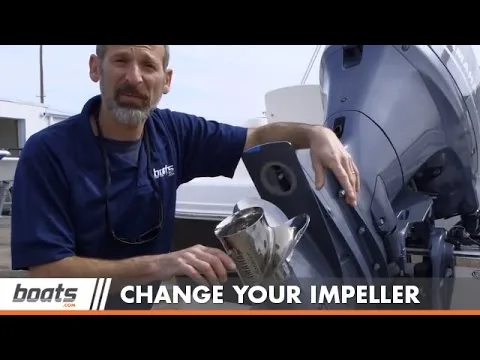
Remove the lower unit cover to access the water pump. The impeller should have flexible, intact blades. If they’re hardened, cracked, or missing chunks, it’s not moving enough water.
Check the pump housing too. Deep grooves or scoring mean the impeller can’t seal properly, even if it’s new.
Test the Thermostat
A stuck thermostat can starve the engine of water. Remove it and test in hot water. If it doesn’t open when heated, replace it.
Some outboards have a bypass system. If the thermostat’s stuck closed, water circulates only through the bypass, reducing or eliminating the tell-tale spray.
Look for Blockages in the Cooling Passages
Flushing the system with fresh water can clear minor debris. For stubborn blockages, a garden hose with a flush attachment works better.
If scale or corrosion is the issue, a vinegar flush or commercial descaler may be needed. Follow the manufacturer’s guidelines for your specific model.
How to Fix Each Issue
Clearing a Clogged Intake
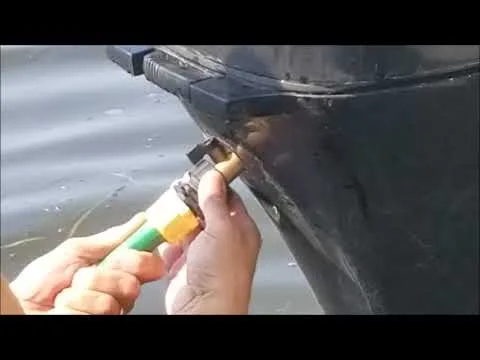
Use a wire or small hook to pull out visible debris. Never use sharp tools that could damage the intake screen.
For stubborn clogs, a reverse flush can help. Attach a hose to the tell-tale outlet and run water backward through the system.
Replacing a Worn Impeller
Most water pump kits come with a new impeller, housing, and gaskets. Replace all of them at once. The old housing is often worn beyond reuse.
Lubricate the new impeller with soapy water or silicone spray before installation. This prevents dry starts that can damage the blades immediately.
Testing and Replacing the Thermostat
If the thermostat fails the hot water test, replace it with an OEM part. Aftermarket thermostats may not meet the same tolerances.
Reinstall with a new gasket and torque the bolts to spec. Over-tightening can warp the housing and cause leaks.
Flushing the Cooling System
Use a dedicated flush kit for best results. These attach to the lower unit and force water backward through the system.
Run the engine at idle for 5, 10 minutes with the flush kit attached. This ensures all passages are cleared.
Mistakes That Make It Worse
Running the engine without fixing the spray will guarantee overheating. Even 30 seconds can cause permanent damage to seals and gaskets.
Ignoring the impeller until it fails completely often means replacing more than just the pump. A seized engine from overheating can cost thousands in repairs.
Using the wrong lubricant on a new impeller can ruin it before it even starts. Soapy water or silicone spray are the only safe options.
Skipping the thermostat test can lead to misdiagnosis. A stuck thermostat mimics impeller failure, but replacing the wrong part wastes time and money.
Maintenance to Prevent Future Issues
Replace the impeller every 100 hours or once a year, whichever comes first. This is the single most effective way to prevent cooling failures.
Flush the engine with fresh water after every saltwater outing. Salt buildup accelerates corrosion in the cooling passages.
Check the water intakes before every trip. A quick visual inspection takes seconds and can save hours of troubleshooting later.
Use a fuel stabilizer if the boat sits unused for more than a month. Old fuel can gum up the system and affect cooling efficiency.
When to Call a Marine Mechanic
If you’ve checked the intakes, impeller, and thermostat but still have no spray, the issue may be internal. Blocked passages or a failed water jacket require professional tools.
If the engine is already overheating, stop and call for help. Continuing to run it risks catastrophic damage.
If you’re not comfortable disassembling the lower unit, leave it to a pro. Forcing parts can lead to costly mistakes.
For older outboards with persistent cooling issues, a mechanic can assess whether the entire cooling system needs an overhaul.
Costs: What You’ll Spend on Parts and Repairs
| Part | Estimated Cost | Labor (if applicable) |
|---|---|---|
| Impeller | $20–$50 | $50–$100 |
| Water pump kit | $50–$150 | $75–$150 |
| Thermostat | $15–$40 | $40–$80 |
| Cooling system flush | $0–$20 (DIY) | $50–$100 |
Prices vary by brand and engine size. Yamaha and Mercury parts tend to be at the higher end. DIY saves on labor but requires basic mechanical skills.
A full cooling system overhaul can run $300, $600 at a shop. This includes new impeller, pump, thermostat, and flush.
Frequently Asked Questions
Why is my outboard not peeing water?
The most common reason is a clogged intake or failed impeller. Check these first before moving to the thermostat or internal blockages.
Can I run my outboard without the tell-tale spraying?
No. Even a short run without water flow can overheat the engine. Shut it down immediately if the spray stops.
How often should I replace the impeller?
Every 100 hours of runtime or once a year, whichever comes first. Saltwater use may require more frequent changes.
What happens if I ignore a weak water spray?
The engine will overheat, risking warped cylinder heads, blown gaskets, or seized pistons. Repairs can cost thousands.
How do I know if my thermostat is bad?
Remove it and test in hot water. If it doesn’t open when heated, it’s faulty. A stuck thermostat can mimic impeller failure.
Is a cooling system flush necessary?
Yes, especially after saltwater use. Flushing removes salt, sand, and debris that can corrode or clog the system over time.