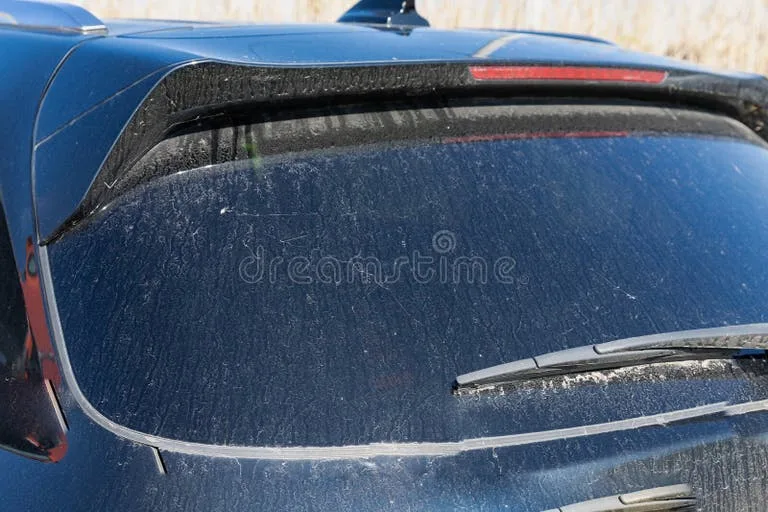
Dust on your car isn’t just ugly, it’s abrasive. If you’re wondering how to get out from a dust way car without turning your paint into a scratch map, the key is working with the dust, not against it. Fine particles act like sandpaper when you drag a dry cloth across them.
Per manufacturer guidelines from major auto detailers, the safest approach starts with a thorough rinse to lift dust before any contact. That simple step prevents the micro-scratches that dull your finish over time.
Quick Answer
Rinse the car first to remove loose dust. Use the two-bucket method with grit guards. Dry with a clean microfiber towel.
Avoid dry wiping at all costs.
Why Dust on Your Car Is More Than Just an Eyesore
Dust isn’t harmless. Those tiny particles are often silica or pollen, both of which can embed in your clear coat if you rub them in. Over time, this leads to swirl marks and a dull finish.
In arid regions like Arizona or the Middle East, dust storms can deposit a layer thick enough to clog air filters and reduce engine efficiency. The longer dust sits, the harder it is to remove safely.
When to Wash vs. When to Just Blow It Off
Not every dust situation needs a full wash. If the layer is light and loose, a leaf blower or compressed air can remove most of it without water. This is ideal for quick cleanups between washes, especially in water-restricted areas.
A full wash is necessary when the dust is caked on or mixed with mud. In these cases, water is the only way to lift the particles without scratching.
The Right Tools for the Job (And What to Avoid)
You don’t need a garage full of gear, but the wrong tools will do more harm than good.
| Tool | Purpose | What to Avoid |
|---|---|---|
| Microfiber towels | Drying and buffing | Paper towels, old T-shirts |
| Two buckets | Separate soap and rinse water | Single bucket (reintroduces dirt) |
| Grit guards | Trap dirt at the bottom of the bucket | No guard (scratches guaranteed) |
| pH-balanced car soap | Lifts dust without stripping wax | Dish soap, household cleaners |
| Pressure washer (1,200–1,900 PSI) | Safe rinse for stubborn dust | Over 2,000 PSI (can damage paint) |
A reliable pressure washer makes rinsing faster, but a garden hose with a nozzle works fine if you adjust the pressure.
Step-by-Step: How to Wash a Dusty Car the Right Way
Pre-Wash: Knock Off the Loose Stuff
Start by rinsing the car from top to bottom. Use a hose or pressure washer to remove as much dust as possible before touching the surface.
For wheels and tires, use a separate mitt or brush. These areas collect brake dust, which is more abrasive than regular dust.
Washing: The Two-Bucket Method for Zero Scratches
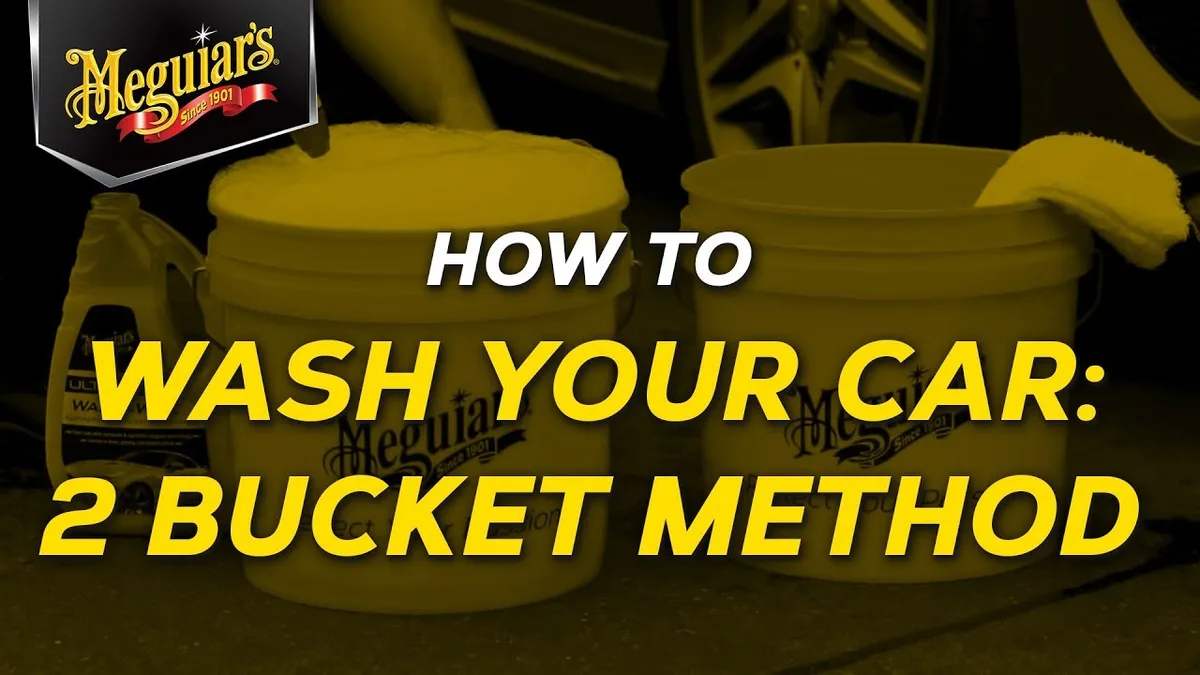
Fill one bucket with soapy water and another with clean water for rinsing your mitt. Add a grit guard to each bucket to trap dirt at the bottom.
Wash the car in sections, starting from the top and working down. Dip your mitt in the soap bucket, wash a panel, then rinse the mitt in the clean water bucket before reloading with soap.
For extra protection, use a high-quality bucket designed for car washing.
Drying: How to Prevent Water Spots and Streaks
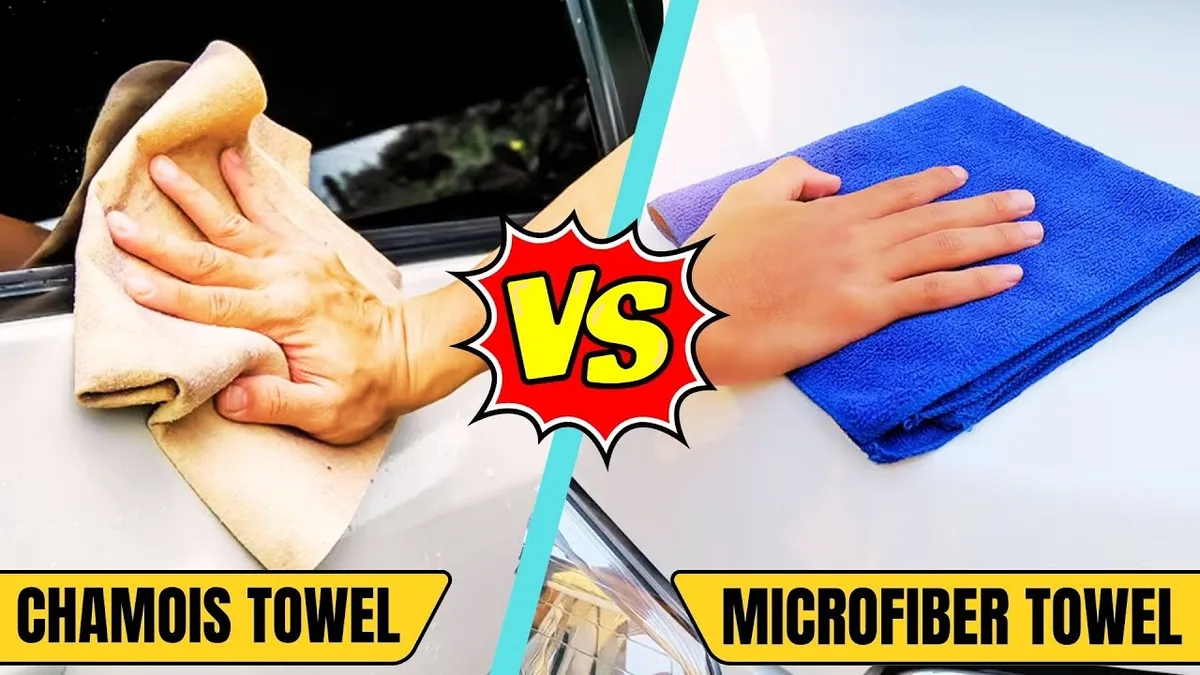
Water spots form when minerals in water evaporate on your paint. To avoid them, dry the car immediately after washing while the surface is still wet.
Use a clean, plush microfiber towel and pat the surface rather than dragging it. If you’re in a hard water area, consider a portable water softener for your wash.
What If the Dust Is Caked On? (Clay Bar & Deep Clean)
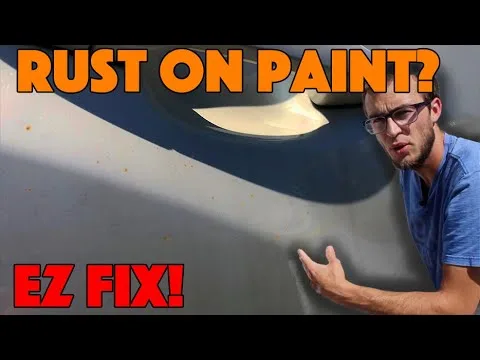
When dust mixes with sap, bird droppings, or road grime, it can bond to your paint. In these cases, a clay bar is the best tool to lift embedded contaminants without scratching.
Lubricate the surface with a clay lubricant or diluted car soap before gently gliding the bar over the paint. Work in small sections and fold the clay frequently to expose a clean surface.
How to Clean Dust from Hard-to-Reach Spots
Dust collects in crevices like door jambs, under mirrors, and around emblems. A soft-bristle brush or a can of compressed air can dislodge it without damaging trim.
For vents and interior surfaces, use a vacuum with a crevice tool to avoid spreading dust further. For tight spaces around badges or grilles, wrap a microfiber towel around a flat tool like a plastic putty knife.
Mistakes That’ll Ruin Your Paint (And How to Fix Them)
Dry wiping is the fastest way to scratch your paint. Even a soft towel can drag dust particles across the surface.
Using dish soap strips wax and sealants over time. Stick to pH-balanced car shampoos to preserve your protective layers.
Best Products for Dusty Cars (Soaps, Towels, Sprays)
Not all car soaps are equal for dust removal. Look for a high-lubricity formula that lifts dirt without harsh chemicals. A quality car soap will suspend dust particles so they rinse away easily.
For drying, a waffle-weave microfiber towel holds more water and reduces the risk of marring. Waterless wash sprays are great for quick touch-ups between full washes.
How Often Should You Wash a Dusty Car
In dry climates, wash your car every 1 to 2 weeks to prevent dust buildup. If you drive daily in dusty conditions, a weekly rinse with water can help, even without soap.
For occasional dust, a full wash every 2 to 4 weeks is usually sufficient. Regular washing also helps maintain your car’s protective coatings.
Extra Protection for Dust-Prone Areas
A layer of wax or sealant adds a barrier between dust and your paint. Synthetic sealants last longer than natural carnauba wax, often 6 to 12 months.
For extreme dust exposure, consider a ceramic coating. These provide long-term protection but require professional application.
FAQs About Dusty Car Cleaning
Can I use a leaf blower to clean my car?
Yes, a leaf blower can remove loose dust without water. Use it on a dry surface and keep the nozzle at least 12 inches away to avoid damaging trim or paint.
Does dust damage car paint?
Yes, over time dust can scratch paint if wiped dry. It can also dull the finish by embedding in the clear coat.
What’s the best way to clean dust off car without scratching?
Rinse first, then use the two-bucket method with microfiber towels. Always dry with a clean towel to avoid marring the surface.
How do I remove dust from car vents?
Use compressed air or a soft brush to dislodge dust. A vacuum with a crevice tool can then remove the loosened particles.
Is it safe to wash a car in direct sunlight?
No, washing in direct sunlight causes water to evaporate too quickly, leading to spots. Always wash in the shade or during cooler parts of the day.
Can I use dish soap to wash my car?
No, dish soap strips wax and can damage paint over time. Stick to pH-balanced car shampoos for safe cleaning.