ByMax Lee
Kentucky Motorcycle Helmet Laws Explained
Kentucky motorcycle helmet regulations can be confusing, especially with exemptions and age rules in the mix. The state requires helmets for some riders but not all, and the specifics depend on your age, license type, and insurance status. As of 2026, the law is clear: if you don’t meet the exemption criteria, you must wear a DOT-approved helmet or face penalties.
The standard you’ll see referenced is DOT FMVSS 218, which sets the safety benchmarks for motorcycle helmets. Whether you’re a new rider or just brushing up on the rules, knowing these details keeps you legal and safe on Kentucky roads.
Quick Answer
Kentucky requires helmets for all motorcycle riders under 21. Riders 21 and older must wear one unless they have at least $10,000 in medical insurance. All helmets must meet DOT FMVSS 218 standards.
Fines apply for non-compliance.
Bing (Web (fair-use with source credit))
Kentucky Motorcycle Helmet Law: What You Need to Know
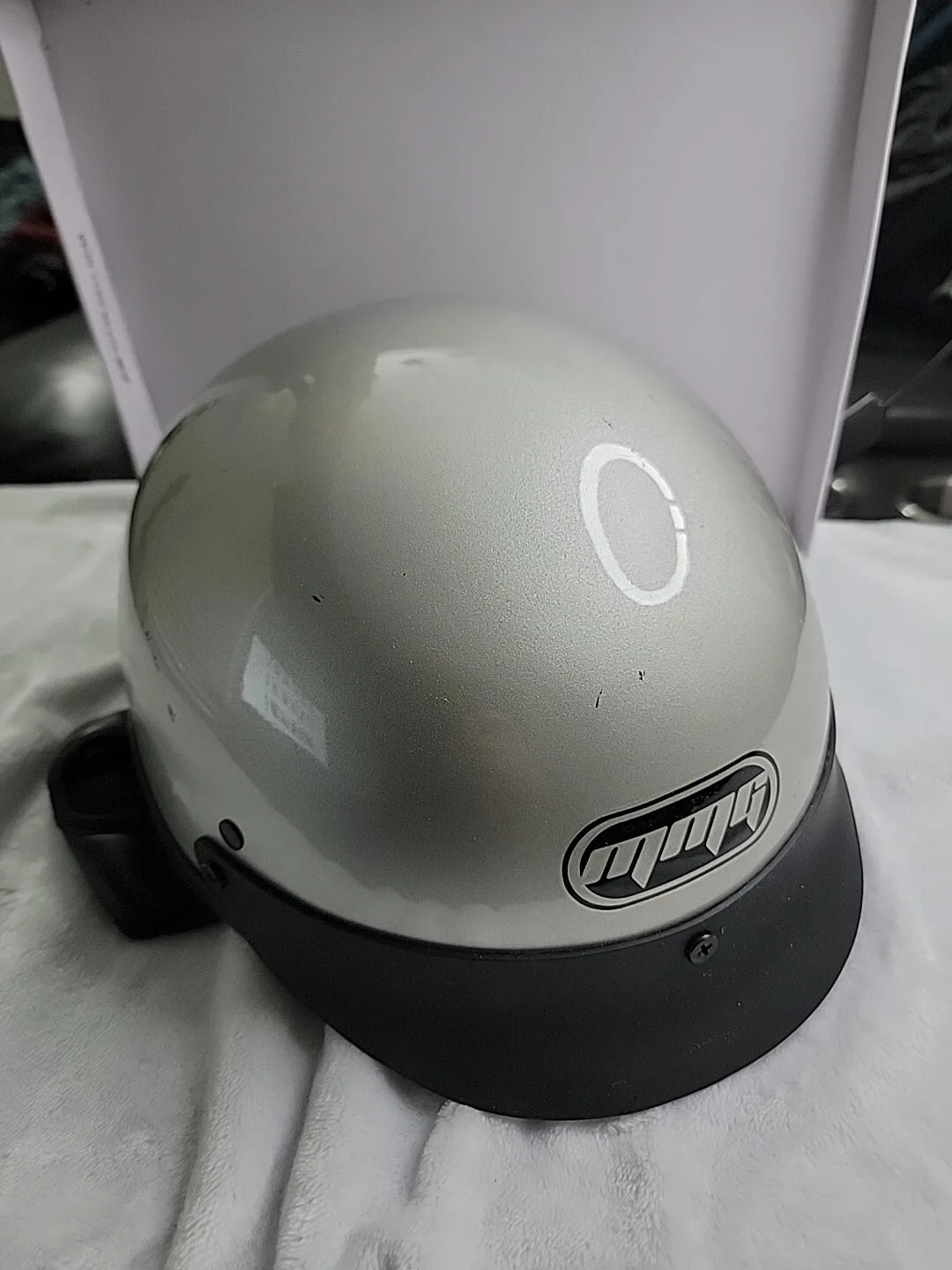
Kentucky’s helmet law is outlined in KRS 189.285. The rule is straightforward: riders under 21 must wear a helmet, no exceptions. For those 21 and older, the helmet requirement is waived only if you carry proof of at least $10,000 in medical insurance coverage.
This law applies to all public roads, including highways and city streets. Even if you qualify for the exemption, wearing a helmet is still the safest choice.
Who Must Wear a Helmet in Kentucky?
All motorcycle operators and passengers under 21 must wear a helmet. This includes riders with a learner’s permit, regardless of age.
Riders 21 and older are exempt only if they have valid proof of medical insurance meeting the $10,000 minimum. Without that proof, you must wear a helmet. Passengers on the motorcycle are subject to the same rules as the operator.
Kentucky’s Helmet Exemptions Explained
The exemption for riders 21 and older is conditional. You must carry proof of insurance at all times while riding. If you can’t provide it during a traffic stop, you’ll be treated as if you’re not exempt.
Note that the exemption doesn’t apply to riders with a learner’s permit. Even if you’re over 21, a permit means you must wear a helmet.
DOT-Approved Helmets: What Counts and What Doesn’t
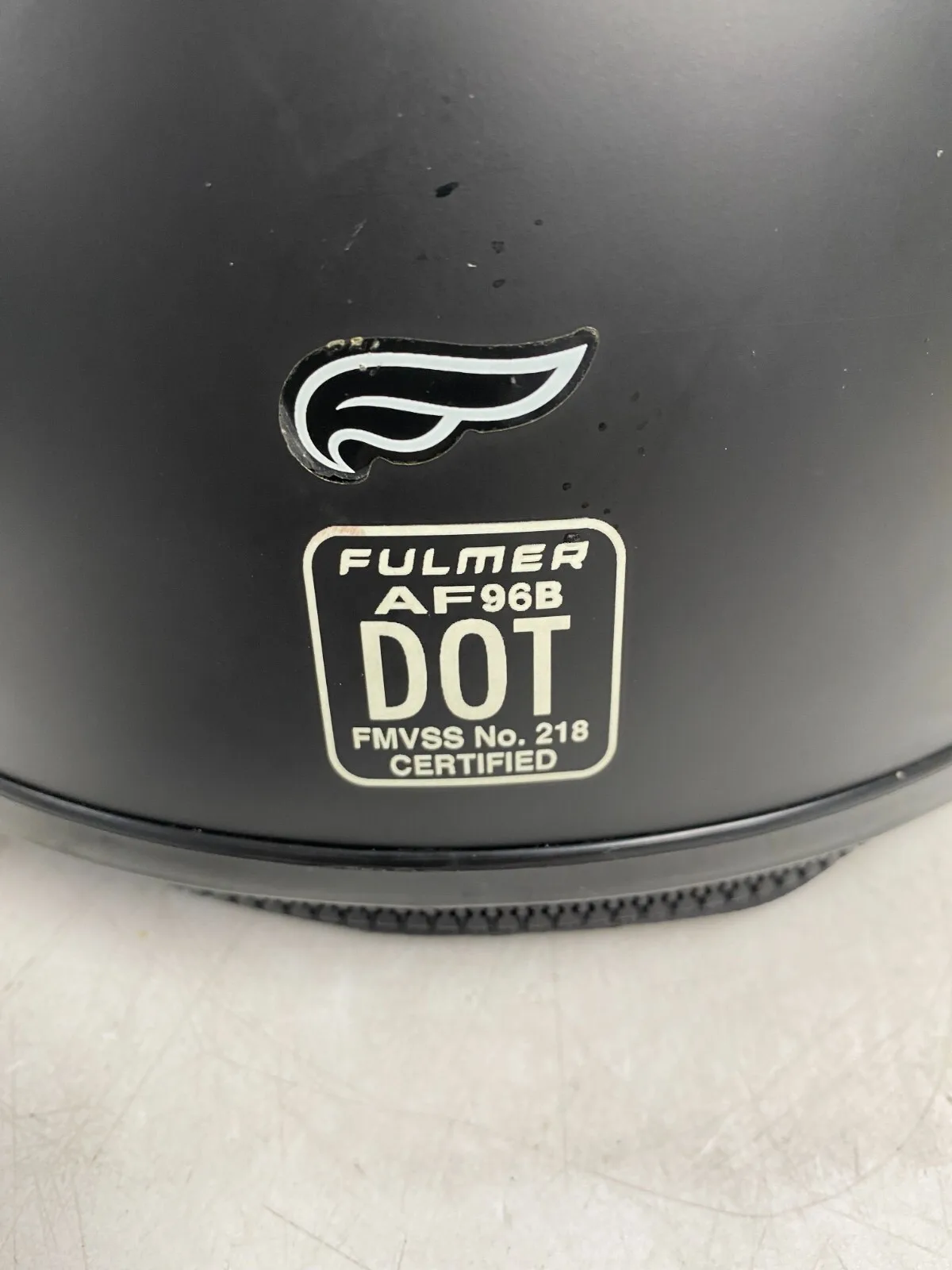
A legal helmet in Kentucky must meet the U.S. Department of Transportation’s Federal Motor Vehicle Safety Standard 218 (FMVSS 218). Look for the DOT symbol on the back of the helmet, which confirms it’s been tested for impact resistance, penetration resistance, and retention system strength.
Bing (Web (fair-use with source credit))
Avoid novelty helmets, which often lack proper certification. These may look like real helmets but won’t protect you in a crash and won’t satisfy Kentucky’s law.
How to Check if Your Helmet is Legal in Kentucky
Look for the DOT symbol on the back of the helmet. This sticker confirms it meets FMVSS 218 standards.
The label should include the manufacturer’s name, model, and size. If the helmet lacks this sticker, it’s not legal for road use in Kentucky.
Penalties for Riding Without a Helmet in Kentucky
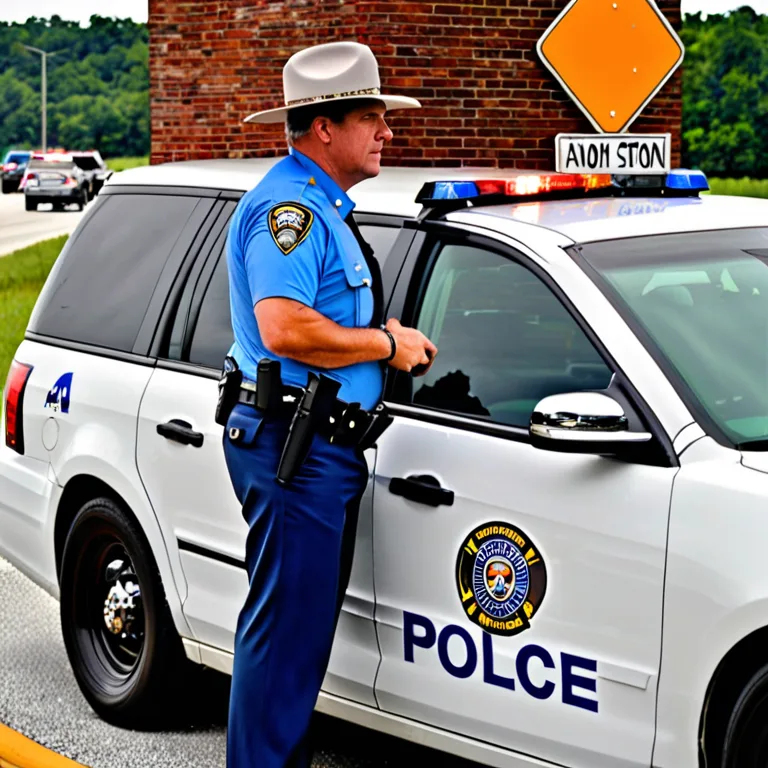
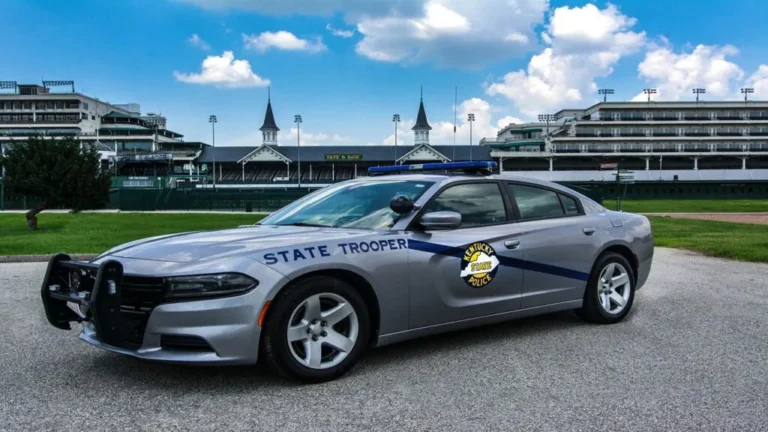
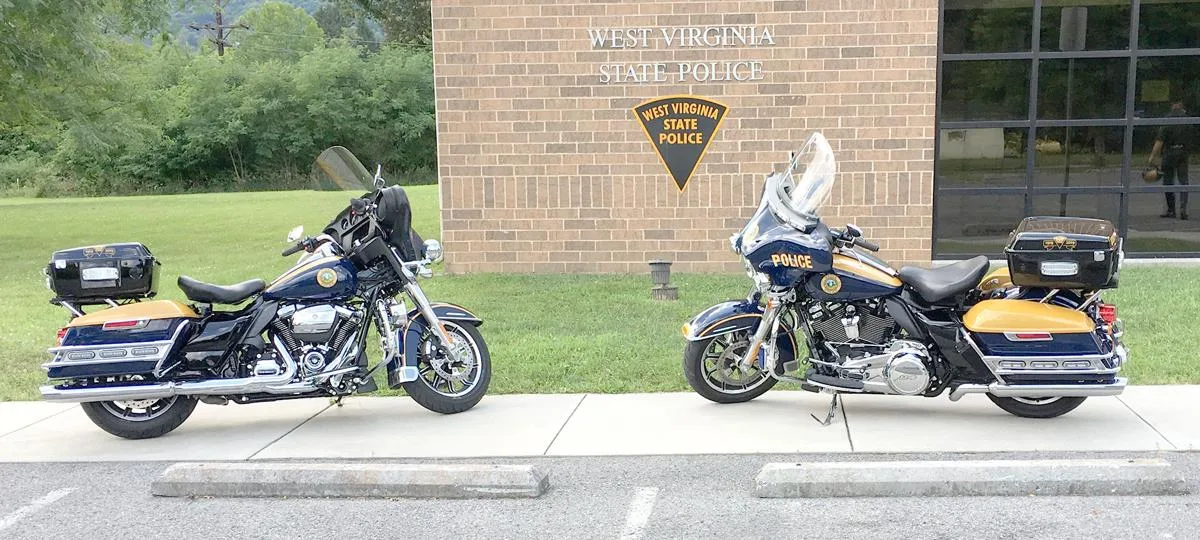
Riding without a helmet when required can result in a fine. Kentucky State Police enforce this law during traffic stops.
Bing (Web (fair-use with source credit))
The exact fine amount varies by jurisdiction but typically ranges from $20 to $100. Repeat offenses may lead to higher penalties or points on your license.
Why Kentucky’s Helmet Law Exists (Safety & Data)
Helmets reduce the risk of fatal head injuries by about 37 percent according to NHTSA. Kentucky’s law aims to lower motorcycle fatalities and serious injuries.
The state sees a higher rate of motorcycle crashes in rural areas where speeds are higher. Helmets are a proven way to mitigate these risks.
Common Mistakes Riders Make with Helmets
Some riders assume any helmet is legal. Only DOT-approved models meet Kentucky’s standards.
Others forget to secure the chin strap properly. A loose helmet can come off in a crash, defeating its purpose.
Best Helmet Types for Kentucky Riders
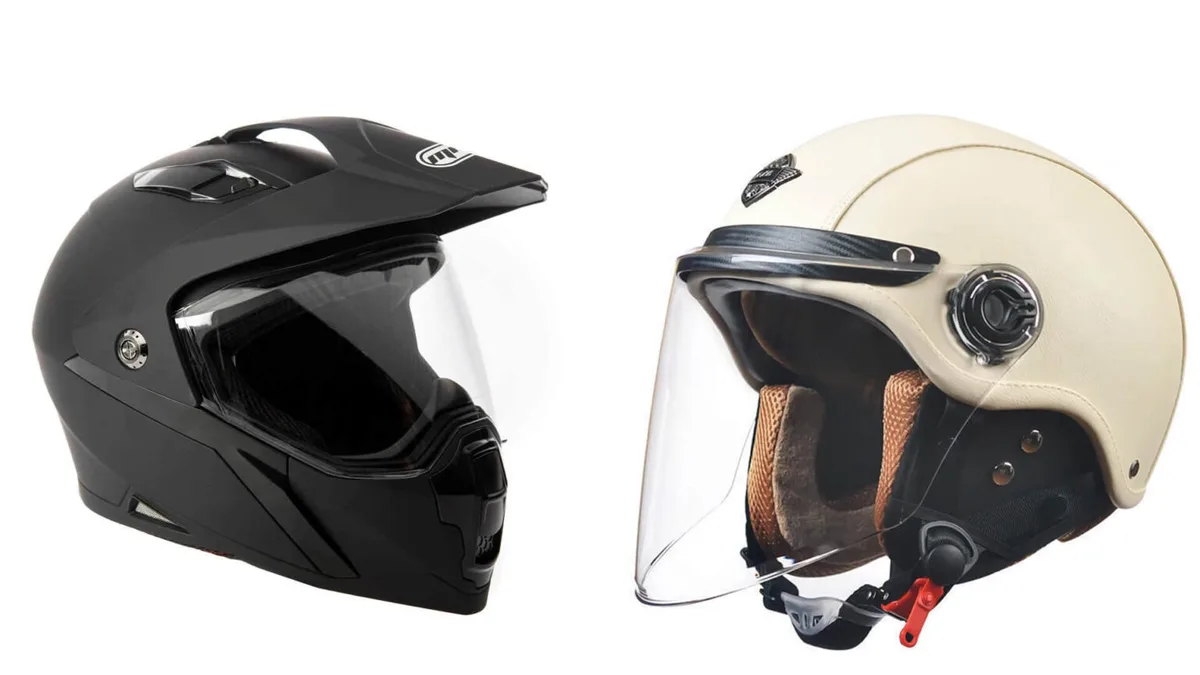
Full-face helmets offer the most protection. They cover your entire head and face, reducing injury risk in a crash.
Open-face helmets leave your face exposed but are lighter and more comfortable for some riders. Half-shell helmets provide minimal coverage and are the least protective.
Bing (Web (fair-use with source credit))
For Kentucky’s roads, a full-face or modular helmet is the safest choice. Always prioritize DOT certification over style or price.
How to Properly Fit and Wear Your Helmet
A helmet should sit snugly on your head without wobbling. The chin strap needs to be tight enough that you can’t pull the helmet off by tugging the back.
Test the fit by shaking your head side to side. If the helmet shifts more than an inch, it’s too loose. Replace any helmet that’s been dropped or damaged, even if the damage isn’t visible.
Kentucky Helmet Law vs. Other States
Kentucky’s partial helmet law is similar to states like Texas and Florida. These states require helmets for younger riders but allow exemptions for adults with insurance.
Other states like California and New York have universal helmet laws. Every rider must wear a helmet regardless of age or insurance.
FAQs About Kentucky Motorcycle Helmet Rules
Do passengers need to wear helmets in Kentucky?
Yes, the same rules apply to passengers. Anyone under 21 must wear a helmet, and adults need insurance proof to opt out.
What happens if my helmet doesn’t have a DOT sticker?
It’s not legal for road use. Officers can cite you for non-compliance, and the helmet won’t provide adequate protection in a crash.
Can I wear a half-helmet in Kentucky?
Only if it’s DOT-approved. Half-helmets offer minimal protection, but they’re legal if they meet the standard.
How do I prove my insurance exemption?
Carry your insurance card or a digital copy on your phone. Officers may ask to see it during a traffic stop.
Are novelty helmets legal in Kentucky?
No. They lack DOT certification and won’t protect you in a crash. They also don’t satisfy the state’s helmet law.
Final Takeaway: Stay Safe and Legal
Wearing a DOT-approved helmet is the simplest way to comply with Kentucky’s law. Even if you qualify for an exemption, the safety benefits are worth it.
Always check your helmet’s certification and fit before riding. Staying informed and prepared keeps you safe and avoids unnecessary fines.