ByMax Lee
Louisiana’s Move Over Law: What Drivers Must Do
Louisiana’s Move Over Law requires drivers to change lanes or reduce speed for stopped emergency and roadside vehicles. This rule exists to protect first responders, tow truck operators, and highway workers who are vulnerable when assisting on active roadways.
As of 2026, violations can result in fines up to $200, and the law applies to all multi-lane highways in the state. Understanding the specifics could save lives and avoid unnecessary penalties.
YouTube / CobraEmergency (YouTube thumbnail (fair-use with source credit))
Quick Answer
Louisiana’s Move Over Law requires drivers to change lanes or reduce speed for stopped emergency and roadside vehicles. You must move over if safe to do so. If you can’t, slow down by 25 mph below the posted limit.
The law covers police, fire, EMS, and roadside assistance vehicles. Fines apply for non-compliance.
Why This Law Exists and Who It Protects
This law was created to prevent accidents involving emergency responders and roadside workers. According to the Louisiana Highway Safety Commission, these professionals face significant risks when assisting on highways.
The law protects police officers, firefighters, EMTs, tow truck operators, and highway maintenance crews. These workers are often just feet away from fast-moving traffic, making them extremely vulnerable.
The Exact Rules: When and How to Move Over or Slow Down
The rule is simple: when you see a stopped emergency or roadside vehicle with flashing lights, you must take action. If you’re on a multi-lane highway, you’re required to move over to a non-adjacent lane if it’s safe to do so.
If changing lanes isn’t possible due to traffic or road conditions, you must reduce your speed. The law specifies a 25 mph reduction below the posted speed limit. This applies even if the emergency vehicle is on the opposite side of a divided highway.
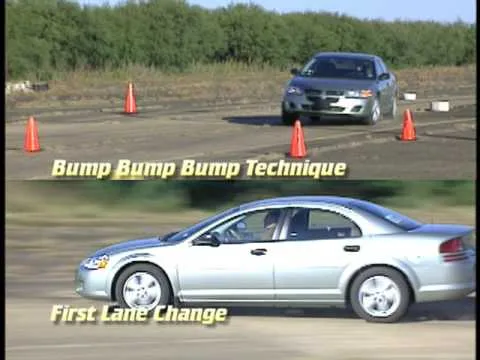
YouTube / Defensive Driving (YouTube thumbnail (fair-use with source credit))
Here’s how it works in practice:
- On a 4-lane highway (2 lanes each direction), move to the far lane if possible
- On a 3-lane highway, move to the lane farthest from the stopped vehicle
- If you can’t move over, slow down by 25 mph below the limit
Which Vehicles Trigger the Move Over Law in Louisiana
The law applies to any vehicle with flashing lights that’s stopped on or near the roadway.
- Police cars with red and blue lights
- Fire trucks with red lights
- Ambulances with red and white lights
- Tow trucks with amber lights
- Highway maintenance vehicles with amber or yellow lights

YouTube / kdtmotoring (YouTube thumbnail (fair-use with source credit))
The key is the flashing lights. If a vehicle has its emergency lights activated and is stopped, the Move Over Law applies.
What Happens If You Can’t Change Lanes?
If traffic or road conditions prevent you from moving over, the law still requires action. You must reduce your speed by 25 mph below the posted limit. This applies even if you’re in the far lane already.
For example:
- On a 70 mph highway, you’d need to slow to 45 mph
- On a 55 mph road, you’d need to slow to 30 mph
- On a 35 mph street, you’d need to slow to 10 mph
This speed reduction is mandatory, not optional.
The Speed Reduction Rule Explained
The 25 mph reduction is absolute when you can’t move over. This applies regardless of the posted speed limit or traffic conditions.
Slower speeds give drivers more time to react. They also reduce the severity of potential collisions with workers or their vehicles.
Where the Law Applies (and Where It Doesn’t)
The Move Over Law applies on all multi-lane highways in Louisiana. This includes interstates like I-10, I-12, and I-20, as well as other divided highways.
It does not apply on single-lane roads where moving over isn’t possible. However, you should still slow down and proceed with caution.
The law also applies on bridges and overpasses. If you see flashing lights ahead on a bridge, you must move over or slow down.
Penalties for Breaking Louisiana’s Move Over Law
Violating this law can result in a fine of up to $200 for a first offense. Repeat offenses may lead to higher penalties.
YouTube / Louisiana First News (YouTube thumbnail (fair-use with source credit))
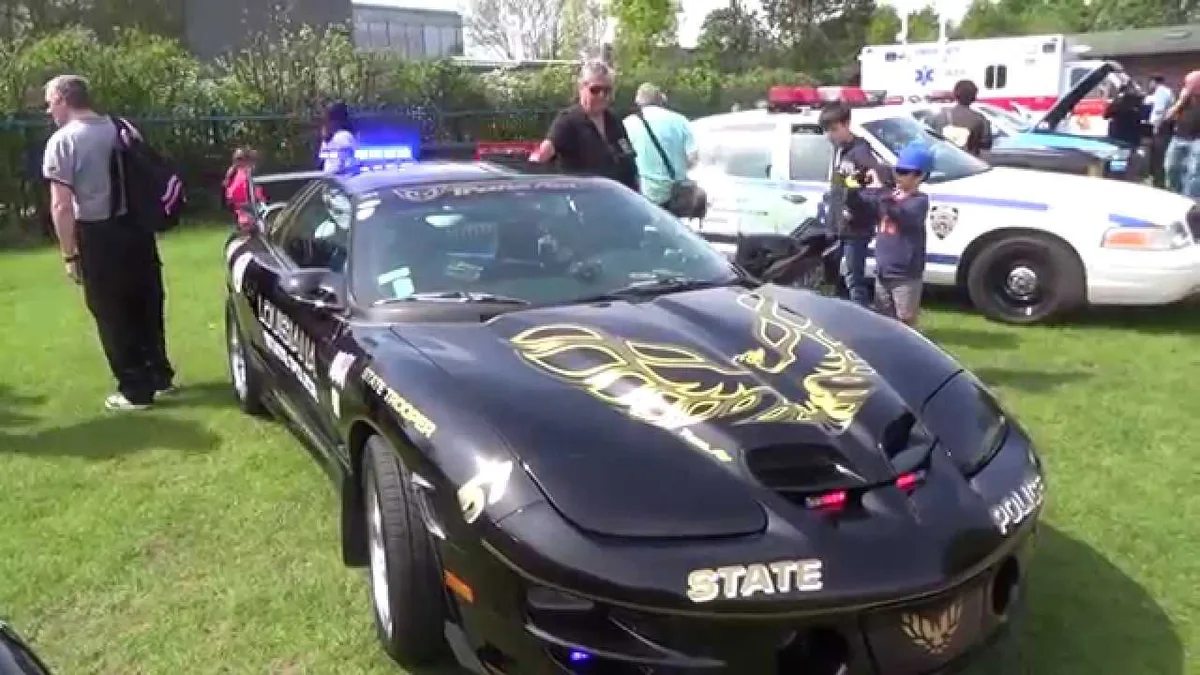
In some cases, reckless driving charges could apply if your actions endanger workers. The Louisiana State Police actively enforce this law, often using unmarked vehicles to catch violators.
Common Mistakes Drivers Make (and How to Avoid Them)
Many drivers assume the law only applies to police cars. It covers all emergency and roadside vehicles with flashing lights.
Another common mistake is not slowing down enough. Remember, it’s 25 mph below the posted limit, not just a slight reduction.
Some drivers try to move over at the last second. Start changing lanes as soon as you see the flashing lights ahead.
Real-Life Scenarios: What to Do in These Situations
You’re on I-10 near Baton Rouge and see a state trooper with lights flashing on the shoulder. Move to the far left lane if possible. If not, slow to 25 mph below the limit.
You’re on a two-lane highway with a tow truck assisting a vehicle on the side. You can’t move over, so reduce your speed by 25 mph.
You’re approaching a construction zone with maintenance vehicles and flashing amber lights. The same rules apply. Move over or slow down, even if workers aren’t visibly present.
How Louisiana’s Law Compares to Other States
Every state has some form of Move Over Law. Louisiana’s version is stricter than many, with its clear 25 mph reduction requirement.
Some states only require slowing down to a "safe speed" without specifying a number. Others have lower fines or different vehicle coverage. Louisiana’s law is among the most explicit.
Official Sources and Where to Verify the Rules
The Louisiana State Police website provides the full legal text. The law is codified in Louisiana Revised Statutes RS 32:125.1.
Local police departments often share reminders on social media. These are good for quick refreshers but always verify with official sources.
Quick FAQs About Louisiana’s Move Over Law
Does the law apply if the emergency vehicle is on the opposite side of a divided highway?
Yes. You must still move over or slow down if it’s safe to do so.
What if there’s no shoulder for the emergency vehicle to pull over?
The law still applies. Move over or reduce speed regardless of road conditions.
Are there any exceptions for bad weather?
No. The law requires compliance in all conditions. Slow down appropriately for safety.
Can I get a warning instead of a fine for a first offense?
Possible, but not guaranteed. Officers have discretion but can issue fines immediately.
Does this law apply to funeral processions?
No. Only vehicles with flashing emergency or roadside lights are covered.