ByMax Lee
Louisiana Brake Tag Inspection Requirements Explained
Louisiana brake-tag inspections verify required equipment such as lights, brakes, tires, mirrors, horn, and windshield wipers. If your sticker’s expired or you’re new to the state, you’ll need this check to stay legal and safe on the road. As of 2026, Louisiana requires annual inspections for most vehicles, with specific standards for each component.
The process is straightforward, but failing means no registration renewal and potential fines. Knowing exactly what’s checked, and how to prep, saves time, money, and frustration.
YouTube / WVUE FOX 8 New Orleans (YouTube thumbnail (fair-use with source credit))
Quick Answer
Louisiana brake-tag inspections verify required equipment such as lights, brakes, tires, mirrors, horn, and windshield wipers. They also cover steering, suspension, and exhaust systems. The inspection is annual for most vehicles.
New cars are exempt for the first two years. Fees typically range from $10 to $20.
Why Louisiana Brake-Tag Inspections Matter (And What Happens If You Skip Them)
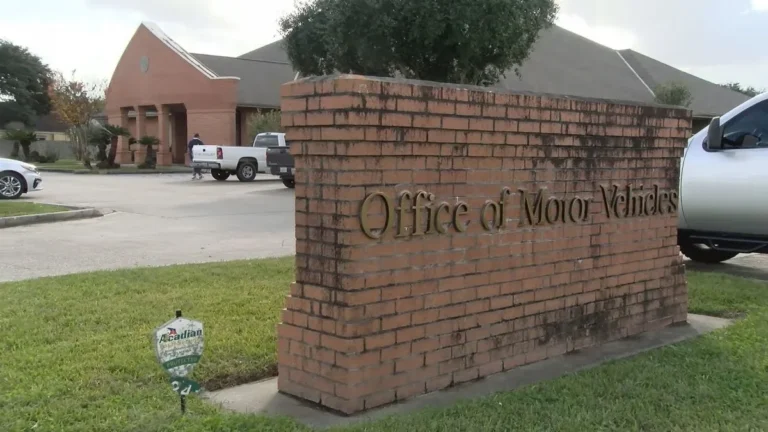
Driving without a valid brake tag in Louisiana isn’t just risky, it’s illegal. The Louisiana Office of Motor Vehicles mandates these inspections to ensure vehicles meet minimum safety standards. If you’re pulled over with an expired or missing sticker, you could face fines up to $200 or more, depending on how long it’s been lapsed.
Skipping the inspection also means you can’t renew your vehicle registration. That’s a problem if you need to update your plates or prove insurance. Worse, if your car fails due to something like bald tires or faulty brakes, you’re driving a hazard until it’s fixed.
What Exactly Gets Checked During a Louisiana Brake-Tag Inspection
The inspection covers all critical safety components. Technicians verify that each item meets Louisiana’s standards, which are outlined in the Louisiana Administrative Code.
Required equipment checked:
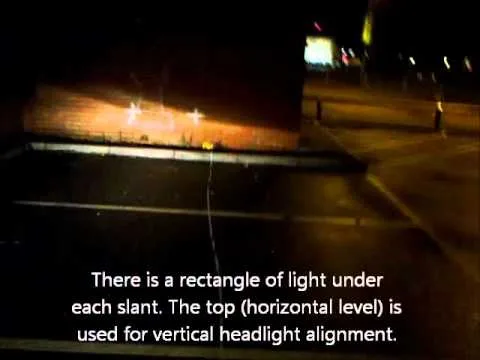
- Lighting: Headlights (high and low beam), taillights, brake lights, turn signals, license plate light
- Brakes: Service brake function, parking brake hold
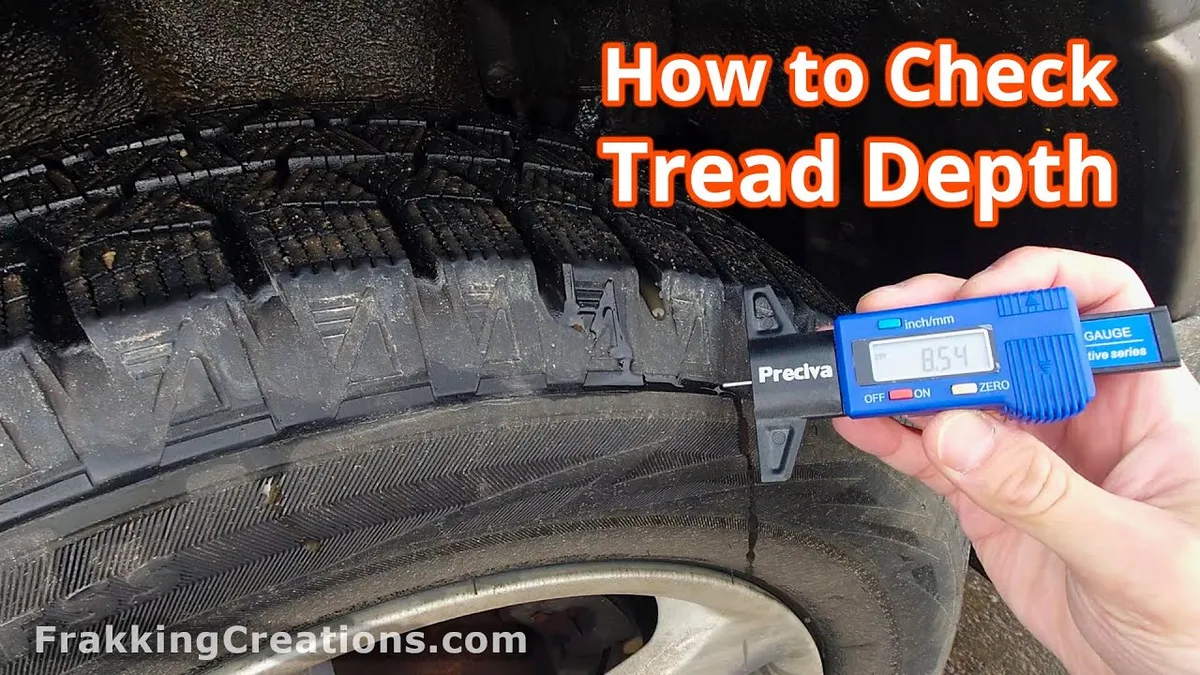
- Tires: Tread depth (minimum 2/32 of an inch), visible damage, proper inflation
- Visibility: Windshield (no cracks >3 inches in driver’s view), rearview mirrors (interior and exterior)
- Safety systems: Horn, windshield wipers, seat belts (if factory-installed)
- Other: Steering, suspension, exhaust (no leaks or excessive smoke)
YouTube / polymath (YouTube thumbnail (fair-use with source credit))
What’s not checked:
- Emissions
- Interior cleanliness or non-safety accessories
- Engine performance or fluid levels
The Full Step-by-Step Process to Get (or Renew) Your Brake Tag
Getting your brake tag is simple if you’re prepared. Here’s how it works at any certified inspection station:
- Find a station. Use the Louisiana State Police inspection station locator or look for signs at gas stations and repair shops.
- Arrive with your vehicle. No appointment is needed at most locations.
- Pay the fee. Expect to pay between $10 and $20, depending on the parish.
- Undergo the inspection. A technician will check all required components, usually in 10, 20 minutes.
- Receive your results. If you pass, you’ll get a sticker to place on your windshield. If you fail, you’ll get a report listing the issues.
Pro tip: If you’re registering an out-of-state vehicle, you’ll need the inspection before you can get Louisiana plates.
How to Prep Your Car for a Guaranteed Pass
Most inspection failures are avoidable with a quick pre-check. Spend 10 minutes going through this list before you go:
- Lights: Turn on your headlights, brake lights, and turn signals. Walk around the car or have someone confirm all bulbs are working.
- Horn: Give it a quick honk. If it’s weak or silent, replace the fuse or the horn itself.
- Wipers: Test them with washer fluid. Streaky or squeaky blades should be replaced.
- Tires: Use the penny test, insert a penny into the tread with Lincoln’s head upside down. If you see the top of his head, your tread is too low. Also check for cracks, bulges, or nails.
- Windshield: Look for cracks larger than 3 inches in the driver’s line of sight. Small chips are usually fine, but big cracks mean replacement.
- Mirrors: Ensure both side mirrors are intact and the rearview mirror is securely mounted.
YouTube / Frakking Creations (YouTube thumbnail (fair-use with source credit))
Common quick fixes:
- Replace burnt-out bulbs (the #1 reason for failures)
- Top off windshield washer fluid
- Pump up underinflated tires to the manufacturer’s PSI (found on the door jamb sticker)
- Clean dirty headlights for better visibility
For a deeper clean before your inspection, consider using a reliable wash method to remove grime that might obscure lights or mirrors.
Common Reasons Louisiana Vehicles Fail Inspection (And How to Fix Them Fast)
Burnt-out bulbs top the list of failure reasons. A single dead headlight or brake light can trigger an automatic fail. Replacing bulbs is cheap and takes minutes.
Bald tires are another frequent issue. Louisiana requires at least 2/32 of an inch tread depth. The penny test is the quickest way to check.
If Lincoln’s head is visible, you need new tires.
Faulty brakes are less common but more serious. Squeaking or grinding noises usually mean worn pads. If your brake pedal feels soft or spongy, get it checked before the inspection.
Cracked windshields fail if the damage is in the driver’s line of sight. A crack over 3 inches long means replacement. Small chips can often be repaired.
Louisiana Brake-Tag Costs, Fees, and Penalties Explained
The inspection fee is typically $10 to $20. Prices vary slightly by parish but stay in this range. Some stations offer free reinspections if you fail and return within a set period.
Driving without a valid brake tag carries fines. The first offense can cost up to $200. The longer you wait, the higher the penalty.
You also can’t renew your registration without a passing inspection.
Reinspection after repairs is often free if done quickly. Always ask the station about their policy. Some charge a small fee for a second check.
Who’s Exempt? Vehicles That Don’t Need a Louisiana Inspection
New vehicles get a pass for the first two model years. If your car is a 2024 or 2025 model, you’re exempt until the third year. This applies to both Louisiana-purchased and out-of-state vehicles.
Motorcycles are not required to have brake-tag inspections. Trailers under 3,000 pounds are also exempt. This includes most small utility and boat trailers.
Antique vehicles over 40 years old don’t need inspections. The cutoff is based on the model year. A 1984 car would qualify in 2026.
What to Do If Your Car Fails (Reinspection Rules & Temporary Waivers)
If you fail, you’ll get a detailed report listing the issues. Fix everything on the list before returning. Most stations allow a free reinspection within 15 to 30 days.
Louisiana offers temporary waivers for certain repairs. If your car fails for something like a cracked windshield, you may get a short extension. This isn’t automatic, so ask the inspector.
Don’t drive with a failed inspection sticker. It’s illegal and risks a fine. If you’re unsure about a repair, ask the station for guidance before returning.
Where to Get Your Brake Tag (And How to Spot a Legit Inspection Station)
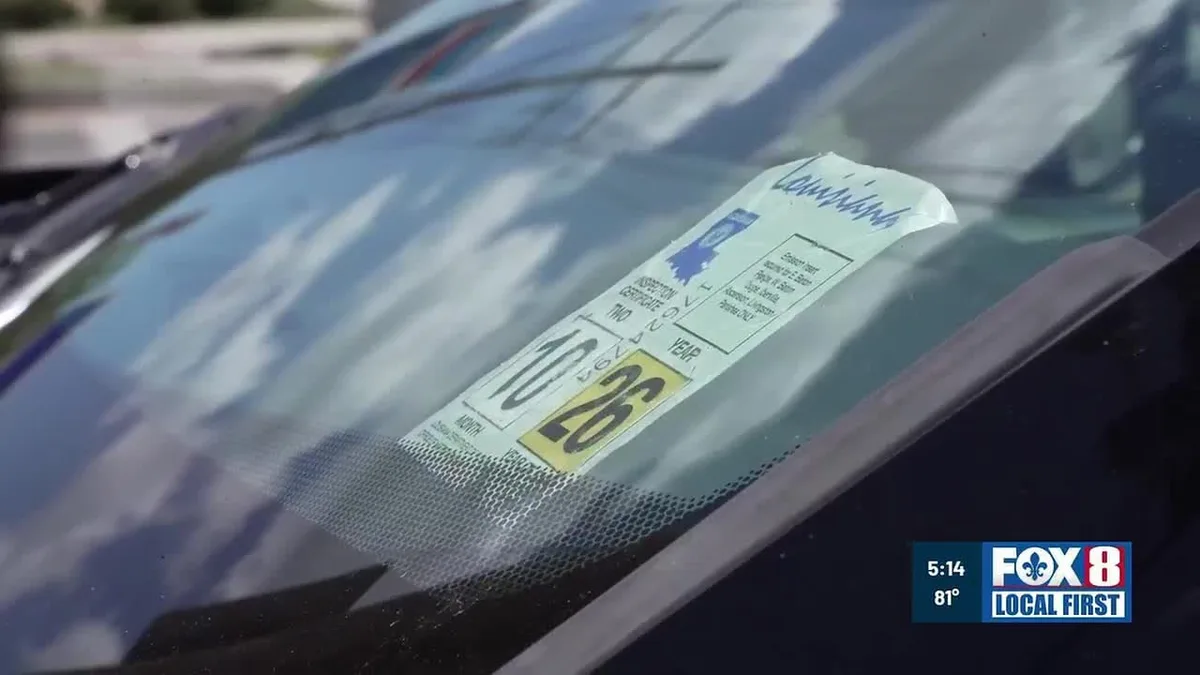
Certified stations display a sign from the Louisiana State Police. Look for the official logo or a sign that says “State Inspection Station.” Gas stations, repair shops, and dedicated inspection centers all qualify.
YouTube / Louisiana First News (YouTube thumbnail (fair-use with source credit))
Avoid unmarked or unofficial spots. If a place doesn’t have the proper signage, it’s not authorized. You can also verify stations on the LSP website.
Some stations are busier than others. Early mornings or weekdays often have shorter wait times. Call ahead if you’re in a hurry.
Louisiana vs. Other States: How Our Inspection System Differs
Louisiana doesn’t require emissions testing. That sets it apart from states like California or Texas where smog checks are mandatory. Here, it’s purely a safety inspection.
The brake-tag system is unique too. Some states use digital records or paper certificates. Louisiana’s sticker on the windshield is the proof you need.
Inspection frequency is annual for most vehicles. A few states do biennial checks. Others, like Florida, have no state-mandated inspections at all.
Expert Tips to Avoid the Most Annoying Inspection Headaches
Check your lights the night before. Burnt-out bulbs are the easiest fix and the most common failure. A quick walk-around with the lights on catches most issues.
Test your horn and wipers in the driveway. These are often overlooked until the inspection. A $10 horn or $15 wiper blades can save a return trip.
Clean your car before the inspection. Dirt can obscure lights or mirrors. A quick wash makes it easier for the inspector to see everything clearly.
Louisiana Brake-Tag FAQs (Answered by the Rules, Not Guesswork)
How long does a Louisiana brake-tag inspection take?
Most inspections take 10 to 20 minutes. Busy stations might have a short wait. Arrive early to avoid lines.
Can I get a brake tag with a cracked windshield?
Only if the crack is smaller than 3 inches and not in the driver’s line of sight. Larger cracks require replacement.
What happens if I lose my brake-tag sticker?
You’ll need to get a replacement inspection. Some stations can reissue the sticker if they have your records.
Do I need an inspection to register my car in Louisiana?
Yes. A passing brake-tag inspection is required for registration. New residents must get one within 30 days.
Is there a grace period for expired brake tags?
No. Driving with an expired tag is illegal. You can be fined immediately.
Can I get my inspection done out of state?
No. Louisiana requires inspections at certified in-state stations. Out-of-state inspections don’t count.