ByMax Lee
Louisiana Laws on Blue & Red Emergency Lights
Louisiana generally prohibits private vehicles from displaying unauthorized blue or red emergency-style lights. This rule exists to prevent confusion with actual emergency vehicles and maintain public safety. The law is clear, but there are exceptions for authorized personnel.
As of 2026, the statute remains strictly enforced, with penalties for violations. Understanding who’s exempt and what’s allowed can save you from costly mistakes.
Quick Answer
Louisiana bans blue and red emergency lights on private vehicles. Only authorized emergency and law enforcement vehicles may use them. Unauthorized use can result in fines or legal action.
Exceptions exist for certain volunteer responders.
YouTube / Blank Canvas (YouTube thumbnail (fair-use with source credit))
Why This Rule Exists and Who It Affects
This law prevents impersonation of emergency vehicles, which can cause public confusion and safety risks. It applies to all private vehicle owners in Louisiana. The restriction helps ensure that only legitimate emergency responders can use these lights.
The rule also reduces the risk of accidents caused by drivers mistaking a private vehicle for an emergency vehicle. This is especially important in high-traffic or emergency situations.
The Exact Legal Restrictions in Louisiana
Louisiana Revised Statute 32:307 explicitly prohibits unauthorized blue or red lights on private vehicles. The law covers all types of emergency-style lighting, including strobe, LED, and rotating lights. Violations are considered a misdemeanor.
The statute does not allow for personal use exceptions, even for off-road or utility vehicles. Enforcement is handled by local law enforcement and the Louisiana State Police.
Who’s Allowed to Use Blue or Red Lights
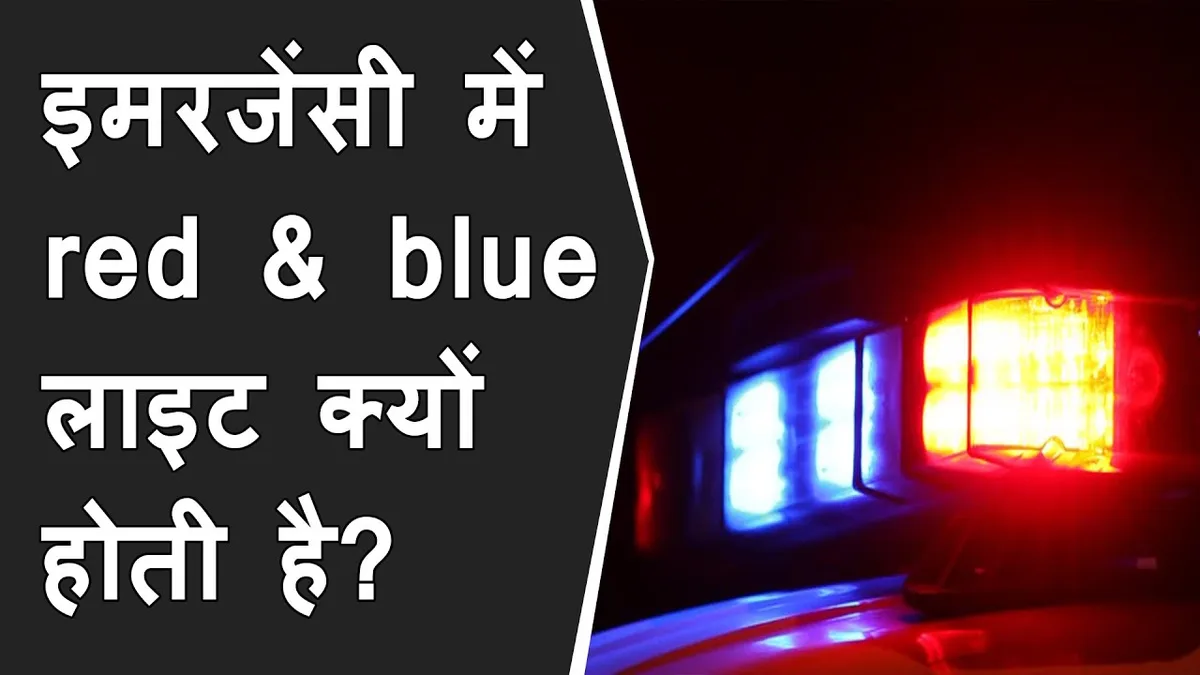
Authorized emergency vehicles, such as police cars, fire trucks, and ambulances, are exempt. Volunteer firefighters may also qualify under specific conditions. These exemptions are strictly regulated.
YouTube / Brg News (YouTube thumbnail (fair-use with source credit))
Other government vehicles, like those used for road maintenance, may have limited allowances. Private security vehicles typically do not qualify for blue or red lights.
What Happens If You Break the Law
Unauthorized use can lead to fines, vehicle impoundment, or even criminal charges. Penalties vary depending on the severity and intent of the violation. Repeat offenses may result in harsher consequences.
YouTube / Sharky (YouTube thumbnail (fair-use with source credit))
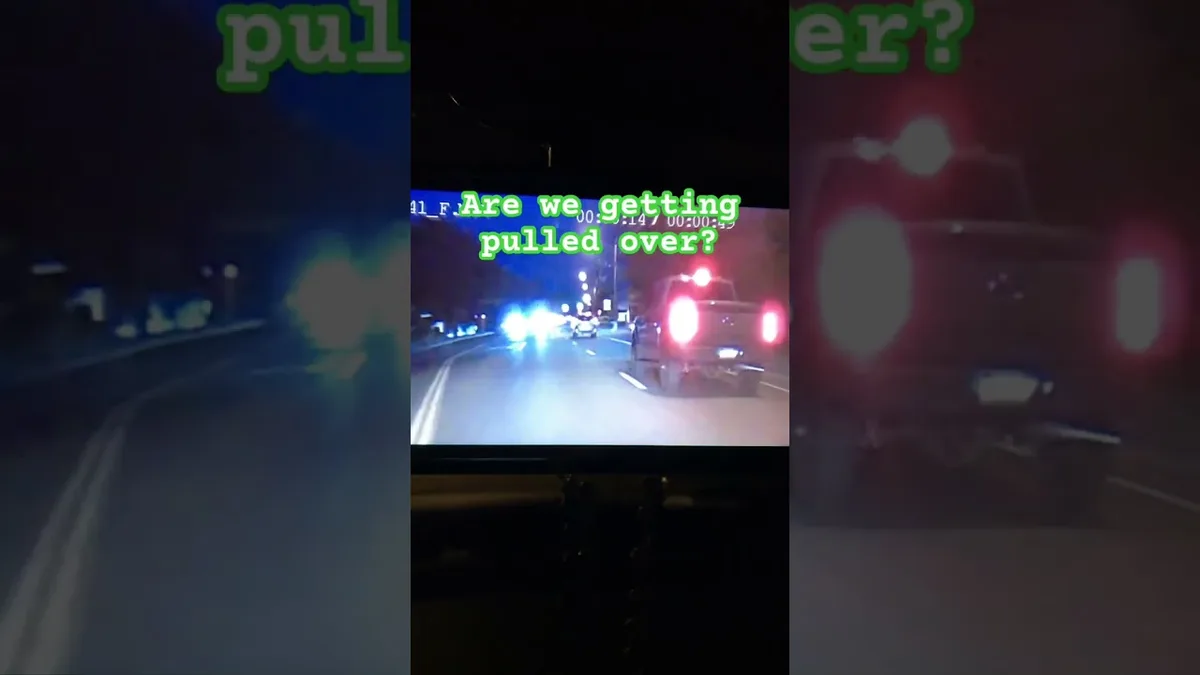
Law enforcement officers have the authority to stop and cite vehicles displaying illegal lights. In some cases, the vehicle may be towed until the lights are removed.
Exceptions You Might Not Know About
Volunteer firefighters may use red lights when responding to emergencies. This requires proper certification and vehicle registration. The exemption does not extend to blue lights.
Some government vehicles, like those used for road maintenance, may use amber or white lights. These are not considered emergency lights under the statute. Always verify with local authorities before installing any special lighting.
What to Do If You’re Unsure About Your Setup
Check the Louisiana Department of Public Safety website for the latest regulations. They provide official guidance on vehicle lighting laws. If in doubt, consult a local law enforcement agency.
Removing unauthorized lights is the safest option. This avoids potential fines and legal trouble. A quick inspection by a professional can confirm compliance.
Amber and Other Non-Emergency Lighting Options
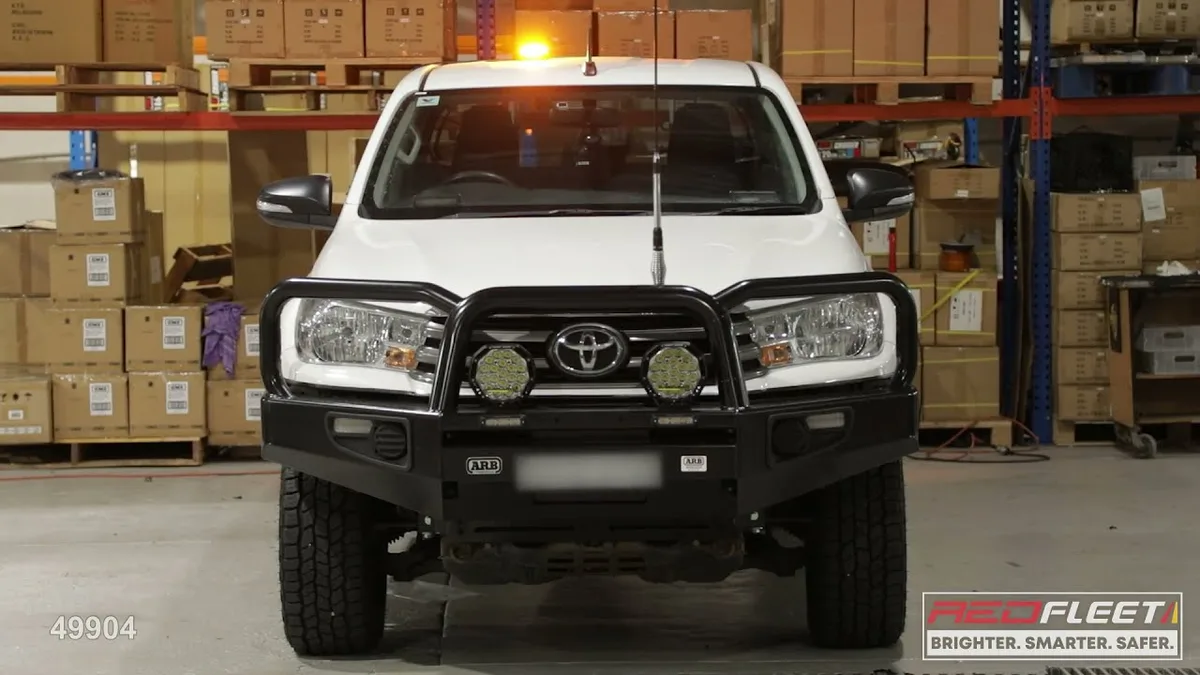
Amber lights are often permitted for non-emergency use. These are commonly seen on construction vehicles, tow trucks, and utility vehicles. They signal caution without implying emergency status.
White or clear auxiliary lights may also be allowed. These are typically used for visibility rather than signaling. Always confirm local ordinances before installation.
YouTube / REDFLEET Safety Australia (YouTube thumbnail (fair-use with source credit))
How to Check If Your Vehicle’s Lights Are Legal
Review Louisiana Revised Statute 32:307 for the exact wording. The statute outlines what’s prohibited and who’s exempt. Local police departments can also provide clarification.
If your vehicle has aftermarket lights, verify their color and placement. Blue and red are almost always restricted. Amber or white lights are safer choices for private use.
Common Mistakes That Get People in Trouble
Many assume any light color is fine if it’s not flashing. The law applies to all blue and red lights, regardless of function. Even non-flashing red or blue lights are prohibited.
Some drivers install emergency-style lights for aesthetic reasons. This is illegal and can lead to immediate citations. Removing them before driving is the only compliant solution.
FAQs About Louisiana’s Emergency Light Laws
Can I use blue lights on my private vehicle for off-road use?
No. Louisiana’s law applies to all public roads, regardless of off-road intentions. Blue lights remain prohibited even if the vehicle never leaves private property.
Are there any color restrictions for non-emergency lights?
Yes. Amber and white are the only widely permitted non-emergency colors. Red and blue are strictly reserved for authorized vehicles.
What’s the penalty for unauthorized emergency lights?
Fines start at $100 and can go up to $500 for first offenses. Repeat violations may lead to higher penalties or vehicle impoundment.
Do volunteer firefighters need special permits for red lights?
Yes. They must be certified and registered with their local fire department. The vehicle must also meet specific equipment standards.
Can I use flashing amber lights on my personal truck?
Yes, but only if they comply with Louisiana’s non-emergency lighting rules. Check that the lights are DOT-approved and properly mounted.