ByMax Lee
Louisiana Historic Vehicle Registration Guide
Louisiana antique or historic vehicle registration is generally available for qualifying vehicles at least 25 years old. If you own a classic car, truck, or motorcycle that meets the age requirement, you can register it under this special classification. It’s a straightforward process, but there are specific rules about eligibility, paperwork, and usage that you’ll need to follow.
As of 2026, the cutoff model year for antique or historic registration is 1999 or older. This classification comes with perks like lower fees and specialty plates, but it also limits how and when you can drive the vehicle.
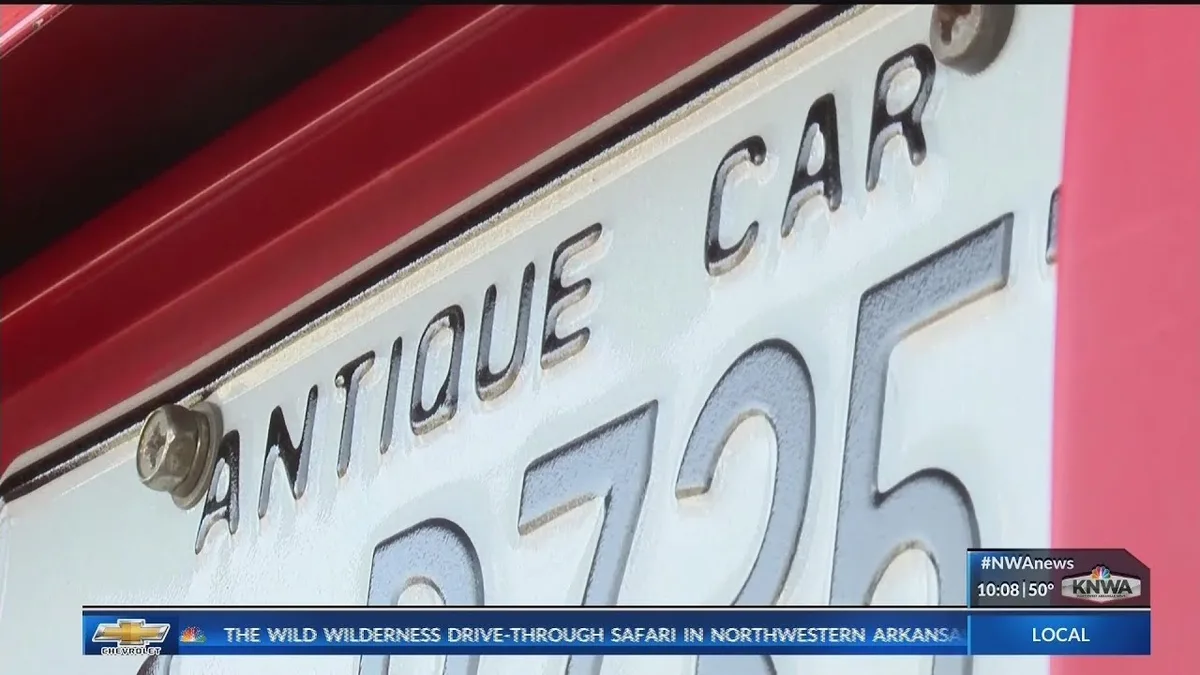
YouTube / NWAhomepage com (YouTube thumbnail (fair-use with source credit))
Quick Answer
Louisiana antique or historic vehicle registration is generally available for qualifying vehicles at least 25 years old. The vehicle must be in original or restored condition. Usage is restricted to exhibitions, parades, or hobby driving.
Fees are typically lower than standard registration.

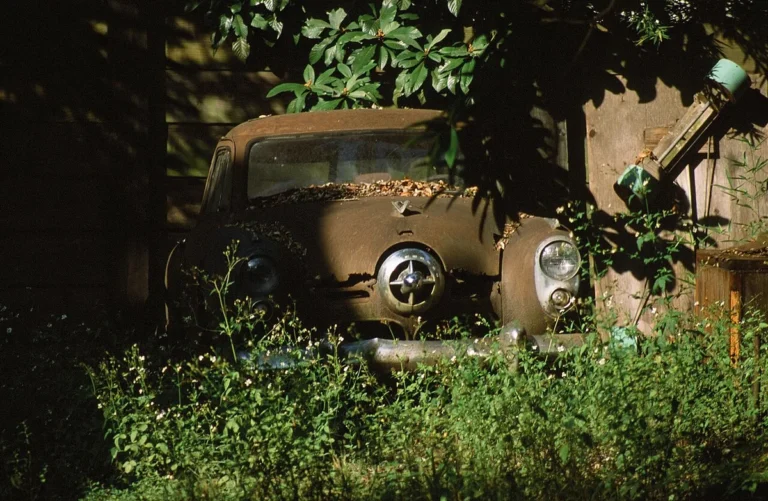
Wikimedia Commons / DAJF (CC BY-SA)
Quick Answer: The 25-Year Rule and What It Really Means
The 25-year rule is simple: your vehicle must be at least 25 years old to qualify. For 2026, that means model year 1999 or older. The Louisiana Office of Motor Vehicles uses the model year to determine eligibility, not the manufacture date.
This rule exists to preserve vehicles of historical significance. It also ensures that only truly vintage cars get the benefits of antique or historic registration.
Antique vs. Historic in Louisiana: What’s the Difference?
Louisiana treats antique and historic vehicles similarly, but there are subtle differences. Both classifications require the vehicle to be 25+ years old. Both come with usage restrictions and specialty plates.
The main difference is often in the paperwork and intended use. Antique plates are typically for vehicles kept in original condition. Historic plates may allow for some modifications, but the rules can vary by parish.
Who Should Bother with Antique/Historic Registration?
This registration is ideal for collectors, restorers, and hobbyists. If you drive your vehicle to car shows, parades, or club meets, it’s a great fit. The lower fees and specialty plates are a bonus for those who value the vintage aesthetic.
It’s not for daily drivers. The usage restrictions mean you can’t use the vehicle for commuting or running errands.
The Step-by-Step Process to Register Your Vehicle
Before You Apply: Check These First
Start by confirming your vehicle meets the age requirement. For 2026, that’s model year 1999 or older. Next, ensure it’s in original or restored condition.
Major modifications can disqualify it from antique or historic status.
Check for any outstanding liens or ownership disputes. You’ll need a clear title in your name to apply.
Gather the Right Paperwork
You’ll need the following documents:
- Vehicle title (in your name)
- Proof of insurance (minimum liability coverage)
- Completed application (Form DPSMV 1799 or current equivalent)
- VIN verification (if required by your parish)
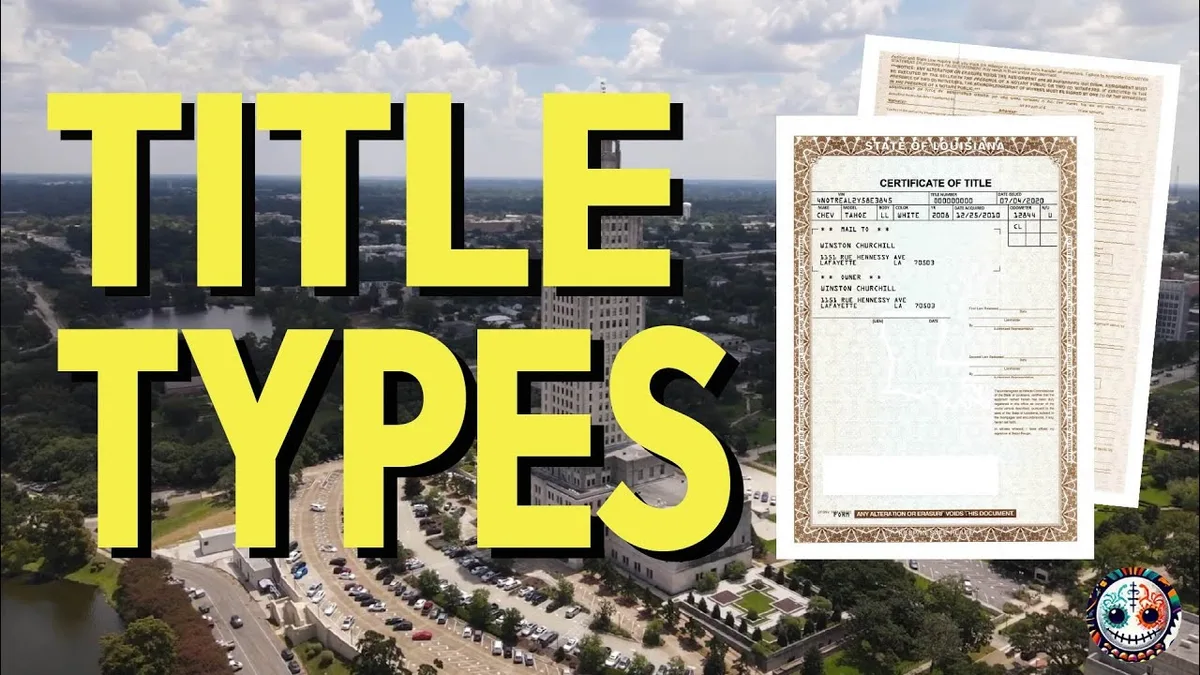
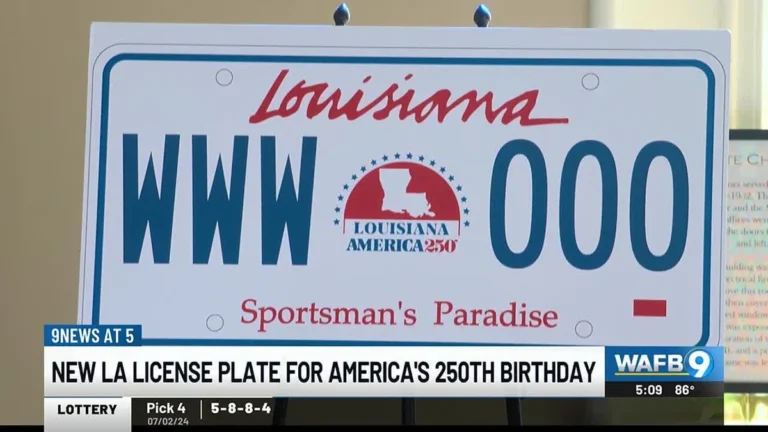
YouTube / How To Louisiana (YouTube thumbnail (fair-use with source credit))
Submit Your Application (Where and How)
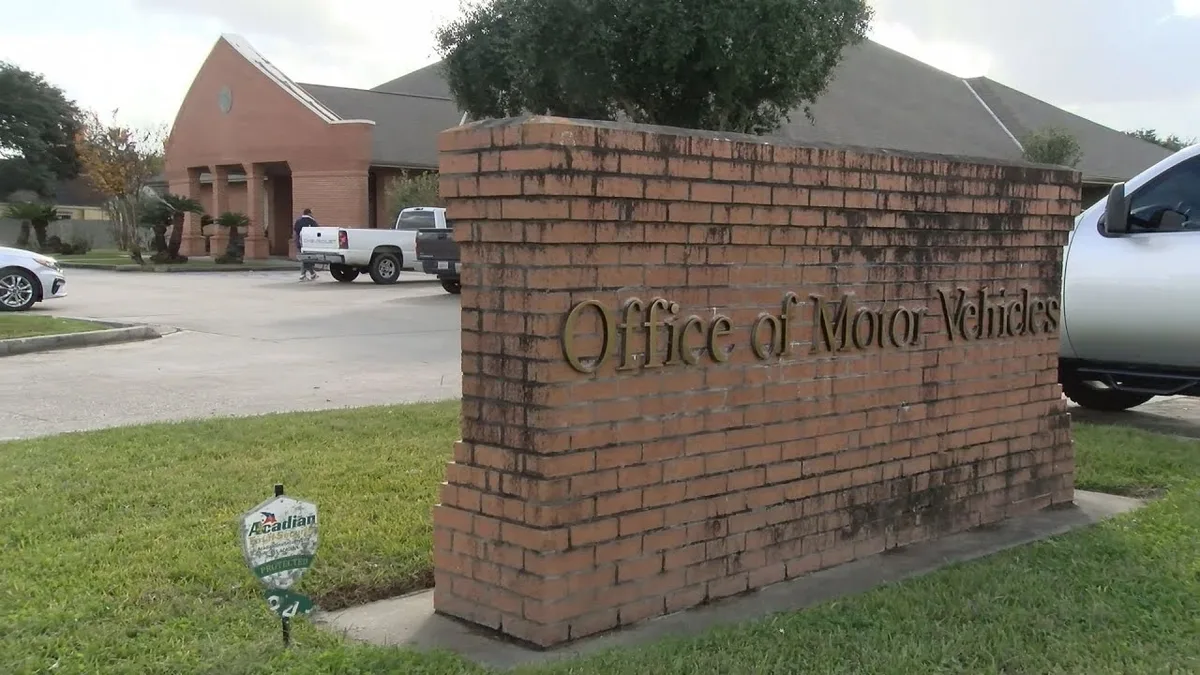
Visit your local Louisiana OMV office to submit your application. Some parishes may allow mail-in submissions, but in-person is the most reliable method. Bring all your paperwork and be prepared to pay the registration fee.
Processing times vary, but you can typically expect to receive your plates and registration within 1 to 4 weeks.
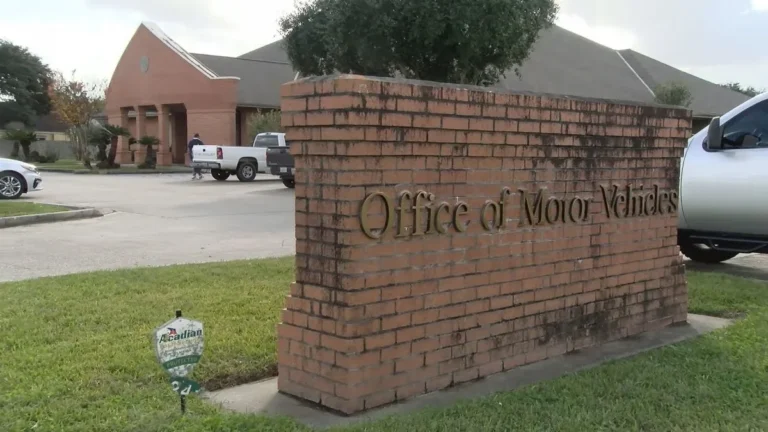
YouTube / NEWS 15 (YouTube thumbnail (fair-use with source credit))
What Happens After You Apply
Once approved, you’ll receive your antique or historic license plates and registration documents. These plates are distinct from standard plates and often feature a vintage design. Your registration will be valid for one year before renewal is required.
Costs, Fees, and Timelines You Need to Know
Antique and historic registration fees in Louisiana are lower than standard plates. Expect to pay between $20 and $50 depending on your parish. Some offices charge an additional $10 to $20 for specialty plate production.
Processing typically takes 1 to 4 weeks. If you submit in person, you may get temporary paperwork to drive legally while waiting.
Where Most People Get Stuck (And How to Avoid It)
The biggest hurdle is missing or incomplete paperwork. A lost title or unclear ownership can delay your application for weeks. Always verify you have the original title in your name before applying.
Another common issue is vehicle condition. If your car has significant modifications, it may not qualify. The OMV may require a VIN inspection to confirm the vehicle matches the title.
Can You Actually Drive It? Louisiana’s Usage Rules
Antique and historic plates come with strict usage limits. You can only drive the vehicle to and from car shows, parades, or club meets. Daily commuting or errands are not allowed.
Some parishes permit occasional personal use, but this varies. Misusing the plates can lead to fines or registration revocation.
Insurance, Inspections, and Other Hidden Requirements
Louisiana requires minimum liability insurance even for antique vehicles. Some insurers offer specialized classic car policies with agreed-value coverage. These policies often have lower premiums but come with mileage restrictions.
Not all parishes require inspections for antique registration. However, if your vehicle has been modified or has a salvaged title, you may need a VIN verification.
Moving Here from Out of State? Transferring Your Antique Title
If your vehicle has an out-of-state antique title, you’ll need to transfer it to Louisiana. Start by getting a VIN inspection at your local OMV office. You’ll also need to provide proof of ownership and insurance.
Louisiana does not always recognize other states’ antique classifications. Be prepared to meet Louisiana’s 25-year age requirement and condition standards.
FAQs About Louisiana Antique and Historic Registration
Can I register a modified vehicle as antique or historic?
No, significant modifications typically disqualify a vehicle. The OMV expects the car to be in original or restored condition. Minor upgrades may be allowed, but major engine or body changes usually won’t pass.
Do I need a special inspection for antique registration?
Some parishes require a VIN verification. Others may inspect the vehicle’s condition. Check with your local OMV office to confirm their specific requirements.
How often do I need to renew antique registration?
Renewal is usually annual. You’ll receive a notice in the mail when it’s time to renew. Fees remain lower than regular plates.
Can I use antique plates on a daily driver?
No, antique and historic plates are for limited use only. Daily driving violates the terms and can result in fines or registration revocation.
What if my vehicle is 24 years old?
You’ll need to wait until it turns 25. The cutoff is strict, based on the model year.
Final Checklist: Are You Ready to Apply?
Gather your title, proof of insurance, and completed application form. Confirm your vehicle meets the 25-year age requirement. Check for any parish-specific inspection rules.
Visit your local OMV office with all documents in hand. Pay the registration fee and wait for your specialty plates. Once approved, keep your registration documents in the vehicle at all times.
Gather your title, proof of insurance, and completed application form. Confirm your vehicle meets the 25-year age requirement. Check for any parish-specific inspection rules.
Visit your local OMV office with all documents in hand. Pay the registration fee and wait for your specialty plates. Once approved, keep your registration documents in the vehicle at all times.