ByMax Lee
Maryland Emissions Test Exemptions for New Cars
Wikimedia Commons / Sgt. 1st Class Michael Davis Jr.
If you just bought a new car in Maryland, you’re probably wondering about Maryland emissions testing exemptions for recently manufactured vehicles. The good news is most brand-new cars skip the test for a few years. As of 2026, the state follows a clear model-year cutoff that saves you time and hassle.
The rule applies to gasoline and diesel vehicles under a certain age, but the exact window depends on the county you’re in. Maryland’s program is run by the Motor Vehicle Administration, and the exemptions are tied to federal emissions standards.
Quick Answer
Maryland emissions testing exemptions for recently manufactured vehicles apply to most new cars for their first two model years. Gasoline and diesel vehicles from the current and previous model year are typically exempt. Electric and hybrid vehicles are also exempt from emissions testing.
The exemption period starts from the vehicle’s model year, not the purchase date.
How Maryland’s Emissions Exemption Works
Maryland’s Vehicle Emissions Inspection Program (VEIP) is designed to reduce air pollution by ensuring vehicles meet federal and state emissions standards. The program is administered by the Maryland Motor Vehicle Administration (MVA) and applies to most gasoline and diesel-powered vehicles.
YouTube / Mogu Marv (YouTube thumbnail (fair-use with source credit))
For recently manufactured vehicles, the exemption is based on the model year. As of 2026, vehicles from the current model year and the previous model year are exempt from emissions testing. For example, a 2025 or 2026 model year car would not need an emissions test.
This exemption is automatic and does not require any special paperwork or application.
The exemption is tied to the vehicle’s model year, not the date it was purchased or registered. This means even if you buy a brand-new car in December, it will still be exempt for the remainder of that model year and the following one.
Which Vehicles Qualify for the Exemption?
Not all new vehicles qualify for the exemption. The rule primarily applies to gasoline and diesel-powered passenger vehicles, including cars, trucks, and SUVs. The key factor is the model year, which must be within the exemption window.
Electric vehicles (EVs) and plug-in hybrid electric vehicles (PHEVs) are fully exempt from emissions testing in Maryland. These vehicles do not produce tailpipe emissions, so they do not need to undergo the standard emissions test. Hybrid vehicles that combine a gasoline engine with an electric motor are also exempt, as long as they meet the model year criteria.
Vehicles with a gross vehicle weight rating (GVWR) over 8,500 pounds are subject to different rules and may not qualify for the new vehicle exemption. Additionally, vehicles that have been modified to run on alternative fuels may have different testing requirements.
Maryland Counties Where Testing Is (and Isn’t) Required
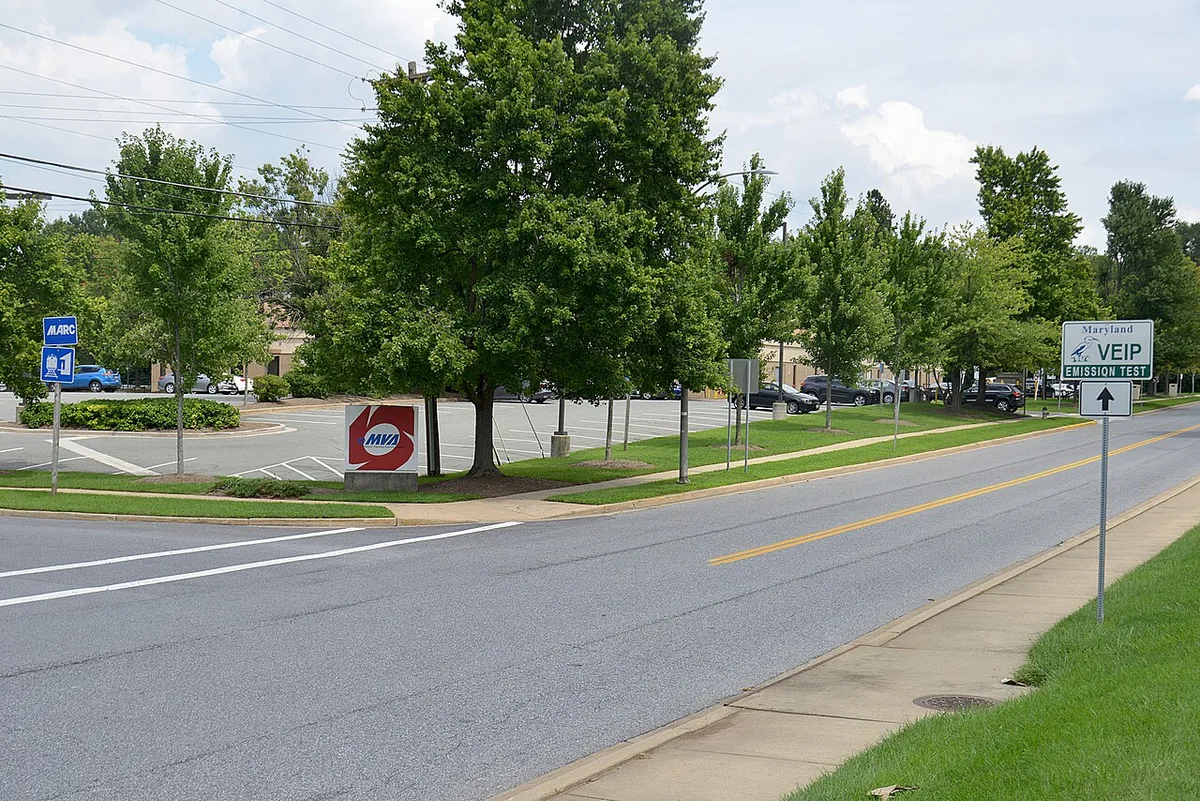
Maryland’s emissions testing requirements vary by county. The program is mandatory in 23 counties, voluntary in one county, and not required in the remaining counties.
Wikimedia Commons / G. Edward Johnson (CC BY)
Testing is required in Anne Arundel, Baltimore, Calvert, Carroll, Cecil, Charles, Frederick, Harford, Howard, Kent, Montgomery, Prince George’s, Queen Anne’s, St. Mary’s, Talbot, Washington, and Baltimore City. In Caroline County, testing is voluntary.
The remaining counties, including Allegany, Dorchester, Garrett, Somerset, Wicomico, and Worcester, do not require emissions testing.
If you live in a county where testing is required, you must comply with the program unless your vehicle qualifies for an exemption. Even if your vehicle is exempt, you may still need to visit an inspection station to verify your exemption status when registering your vehicle.
Step-by-Step: How to Confirm Your Car Is Exempt
Confirming your vehicle’s exemption status is straightforward. Start by checking your vehicle’s model year, which is typically listed on the title, registration, or the manufacturer’s label inside the driver’s side door. If your vehicle is from the current or previous model year, it is likely exempt.
Next, verify your vehicle’s fuel type. Gasoline and diesel vehicles are subject to the exemption rules, while electric and hybrid vehicles are automatically exempt. If your vehicle is a hybrid, confirm whether it is a plug-in hybrid or a standard hybrid, as both are exempt from emissions testing.
Finally, check your county’s testing requirements. If you live in one of the 23 mandatory counties, your exemption will apply. If you live in a county where testing is not required, you do not need to take any action.
You can also use the MVA’s online VEIP lookup tool to confirm your vehicle’s status.
What Happens If You Skip the Test by Mistake?
You’ll face a registration hold if your car fails to meet testing requirements. The MVA won’t issue or renew your registration until the vehicle passes inspection or qualifies for an exemption.
Fines can reach up to $1,000 for driving with an expired registration due to a missed emissions test. Even exempt vehicles must be properly documented in the system.
Hybrid and Electric Vehicles: Special Rules
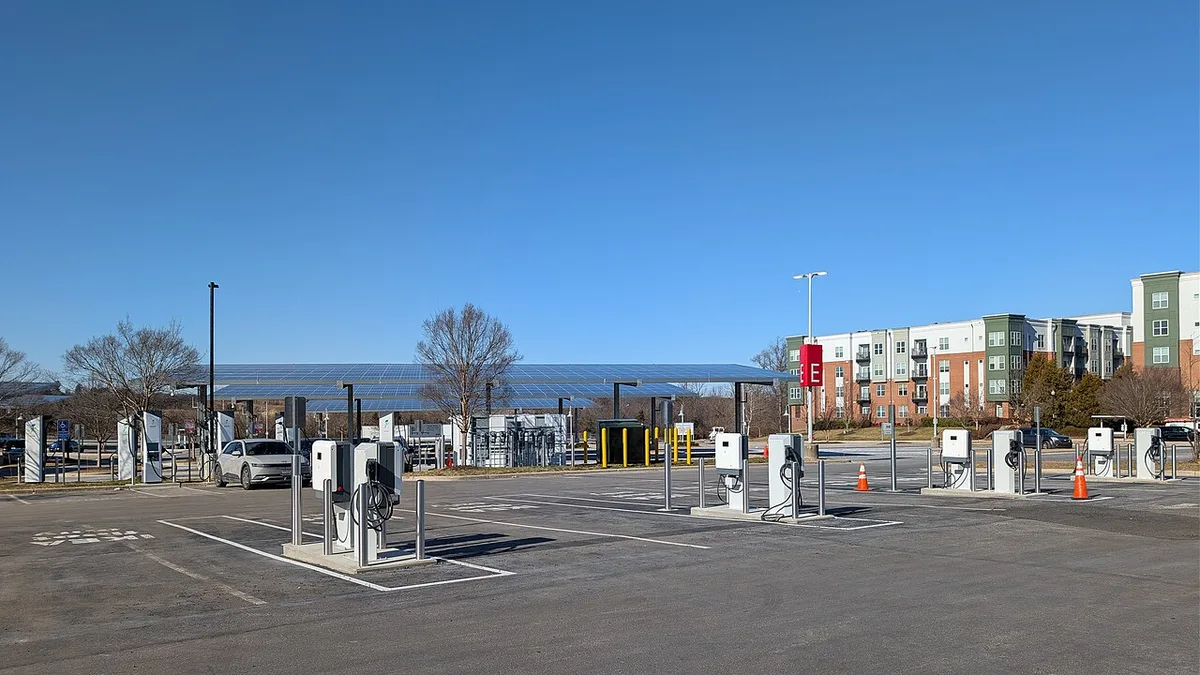
Hybrids and EVs are fully exempt from Maryland’s emissions testing. This includes plug-in hybrids, standard hybrids, and battery-electric vehicles.
Wikimedia Commons / G. Edward Johnson (CC BY)
The exemption applies regardless of model year. These vehicles don’t produce tailpipe emissions, so they bypass the test entirely. No additional paperwork is required, but you’ll still need to register the vehicle with the MVA.
Out-of-State Vehicles and Temporary Tags
New residents have 60 days to register their vehicle in Maryland. If your out-of-state car is within the exemption window, it qualifies for the same rules as Maryland-purchased vehicles.
Temporary tags are valid for 30 days and do not exempt you from emissions testing if your vehicle would otherwise require it. If your temporary tags expire before you complete registration, you’ll need to get an extension or risk driving without valid plates.
Costs, Fines, and Other Key Numbers
The standard emissions test fee is $14 for most vehicles. Diesel vehicles may cost slightly more, up to $20.
| Fee Type | Amount |
|---|---|
| Standard emissions test | $14 |
| Diesel emissions test | $20 |
| Late registration fine | Up to $1,000 |
Exempt vehicles pay no testing fee. The exemption saves you both time and money, especially if you’re registering multiple new cars.
Common Mistakes That Get New Car Owners in Trouble
Assuming all new cars are exempt is a frequent error. The rule applies to the current and previous model years only. A 2023 model bought in 2026 would no longer qualify.
Another mistake is ignoring county-specific rules. Even if your car is new, you must comply with local testing requirements if you live in a mandatory county.
FAQs About Maryland’s New Car Emissions Exemption
Does a 2024 model need an emissions test in Maryland?
No, a 2024 model is exempt in 2026. The rule covers the current and previous model years.
Are diesel trucks exempt if they’re new?
Yes, but only if they meet the model year cutoff. Diesel vehicles follow the same exemption window as gasoline cars.
What if my car is from out of state?
Out-of-state vehicles get the same exemption if they meet Maryland’s model year rules. You’ll need to register it within 60 days of moving.
Do hybrids need testing after the exemption period?
No, hybrids remain exempt regardless of age. The exemption is permanent for these vehicles.
Can I drive with expired tags while waiting for my exemption to process?
No, expired tags are illegal. Even exempt vehicles must have valid registration.
Final Checklist: Are You Really Exempt?
Check your vehicle’s model year against the current year. If it’s within the last two model years, it qualifies.
Verify your county’s testing requirements. If you live in a non-testing county, no action is needed.
Confirm your vehicle type. Hybrids and EVs are always exempt, while gasoline and diesel cars follow the model year rule.
Use the MVA’s VEIP lookup tool to double-check. This ensures your exemption is properly recorded in the system.