Maryland implements of husbandry definition and road safety regulations can be confusing, but getting it wrong risks fines or worse, an accident. Whether you're moving a tractor between fields or hauling a harvester, Maryland has specific rules for what qualifies and how it must operate on public roads.
Per Maryland Transportation Article § 11-135, implements of husbandry are vehicles or equipment used exclusively for agricultural purposes, and they must meet strict visibility and lighting standards to stay legal. Here’s what you need to know to stay compliant and safe.
Quick Answer
Maryland implements of husbandry are vehicles or equipment used solely for farming. They must display an SMV emblem if traveling under 25 mph. Amber warning lights are required for night operation.
Permits may be needed for oversize loads.
What Counts as an "Implement of Husbandry" in Maryland?
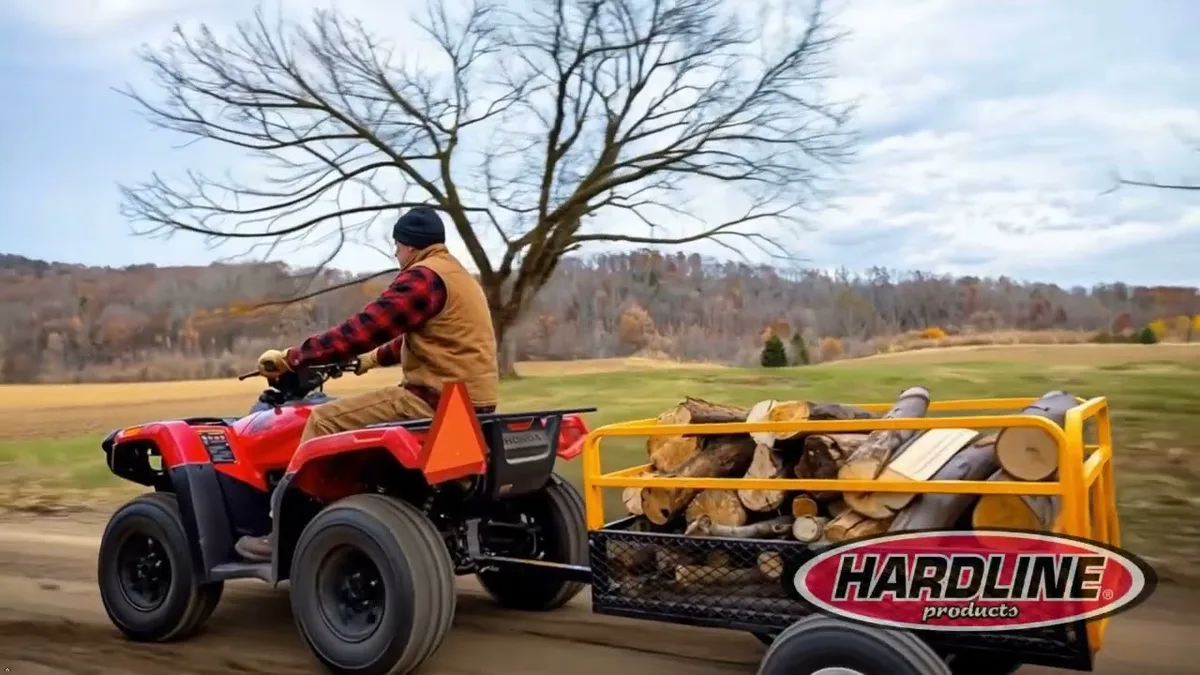
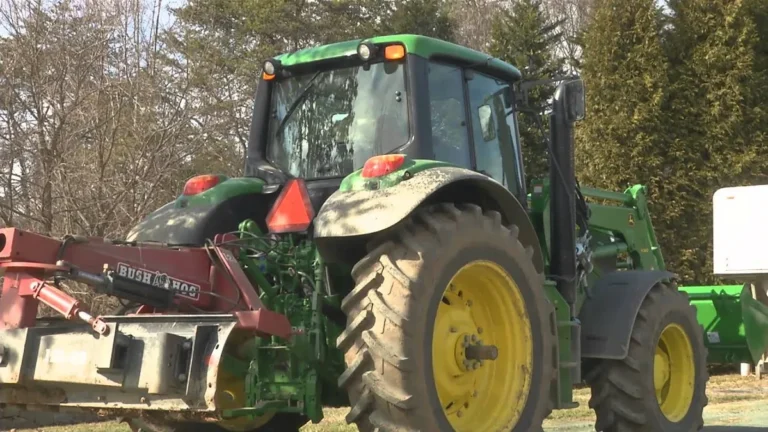
Maryland law defines implements of husbandry as any vehicle or equipment designed and used exclusively for agricultural purposes. This includes tractors, harvesters, plows, and other machinery tied directly to farming operations.
What doesn’t count are vehicles primarily used for non-agricultural tasks, even if occasionally used on a farm. The key is exclusivity. If the equipment serves another purpose, it likely doesn’t qualify.
Maryland’s Legal Definition and What It Means for You
The legal definition comes from Maryland Transportation Article § 11-135. It specifies that these implements are exempt from certain vehicle registration and equipment requirements, but only if used strictly for farming.
This exemption doesn’t mean you can ignore road safety. Maryland still requires compliance with visibility and operational rules to protect both farmers and other drivers. As of 2026, enforcement has tightened, with fines issued for non-compliance with lighting and marking standards.
Why This Definition Matters for Road Safety
Farm equipment on public roads creates unique hazards. Slow-moving vehicles, wide loads, and limited visibility can lead to serious accidents if not properly managed. Maryland’s rules aim to mitigate these risks by ensuring farm equipment is visible and predictable.
The state’s regulations also help farmers avoid legal trouble. Without proper markings or permits, you could face fines or liability if an accident occurs.
Farm Equipment That Qualifies (and What Doesn’t)
Qualifies as Implements of Husbandry
- Tractors and self-propelled harvesters
- Plows, seeders, and other towed equipment
- Irrigation systems transported between fields
- Livestock trailers used exclusively for farming
Does Not Qualify
- Vehicles used for both farming and personal transport
- Commercial trucks, even if occasionally used for farming
- Equipment modified for non-agricultural purposes
If your equipment serves multiple roles, it likely doesn’t meet Maryland’s definition.
Maryland’s Road Rules for Implements of Husbandry
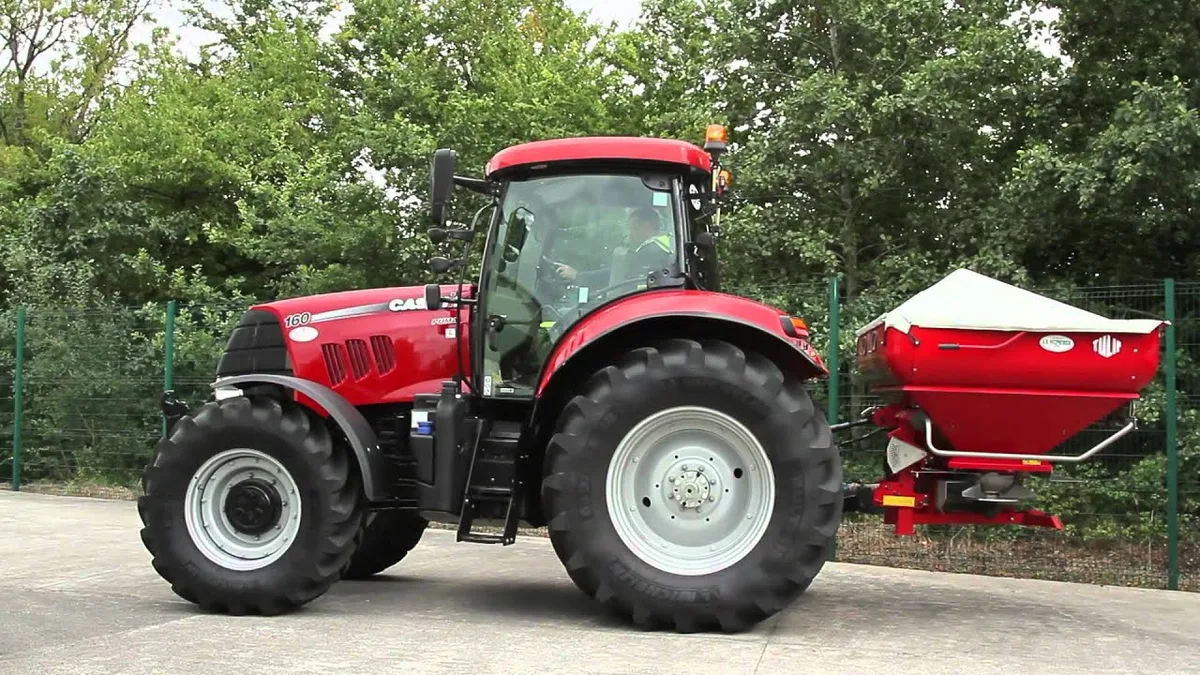
Farm equipment on public roads must follow Maryland’s visibility and operational standards. The most critical rule is the Slow-Moving Vehicle (SMV) emblem requirement for anything traveling under 25 mph.
Lighting, Markings, and Visibility Requirements
All implements of husbandry need amber warning lights when operating at night. Reflective tape or markings are mandatory for equipment wider than 8 feet. The SMV emblem must be mounted on the rear, centered, and visible from at least 500 feet.
Speed Limits and Right-of-Way Rules
Farm vehicles typically can’t exceed 25 mph on public roads. They must yield to faster-moving traffic when safe to do so. Operators should avoid highways where the speed limit exceeds 55 mph unless permitted.
When You Need a Permit for Oversize Equipment
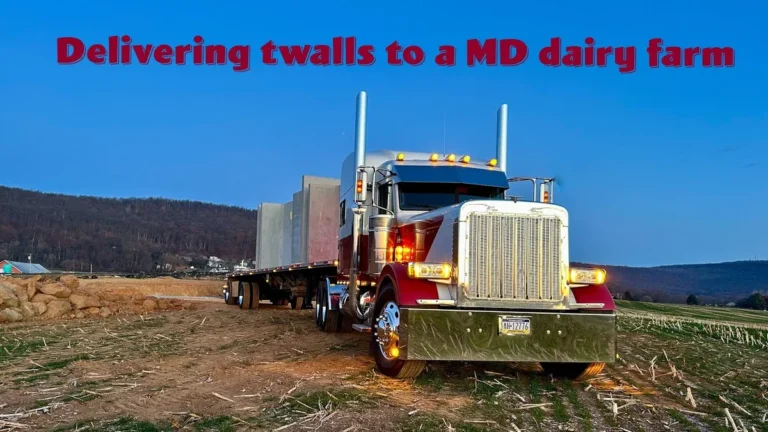
Equipment wider than 12 feet or taller than 14 feet 6 inches requires a permit. Annual permits are available for frequent movers of oversize farm machinery. Temporary permits cover one-time transports.
Common Mistakes That Lead to Fines or Accidents
Skipping the SMV emblem is the most frequent violation. Many farmers also forget to add reflective tape to wide loads. Operating without proper lighting at dusk or dawn is another common oversight.
Improper route planning causes delays and safety hazards. Some operators assume rural roads have no restrictions, but county rules may apply.
Step-by-Step: How to Stay Compliant on Maryland Roads
First, verify your equipment qualifies as an implement of husbandry. Then, install the required SMV emblem and lighting. Check width and height measurements before transport.
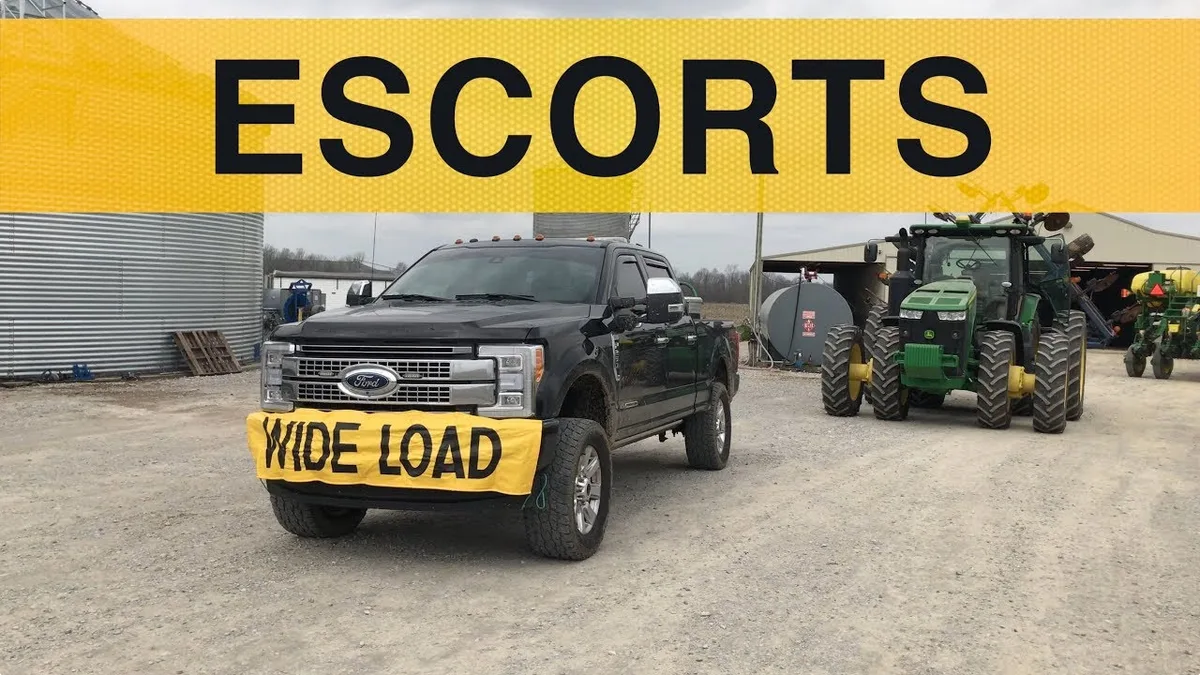
Plan your route to avoid restricted roads. Travel during daylight hours when possible. Use escort vehicles for loads wider than 14 feet.
What Happens If You Break the Rules?
Fines for missing SMV emblems or improper lighting start at $80. Operating oversize equipment without a permit can result in $250+ penalties. Repeat offenses may lead to higher fines or points on your license.
Accidents involving non-compliant farm equipment can increase liability. Insurance may deny claims if the vehicle wasn’t properly marked.
Special Cases: Highways, Night Travel, and Escort Vehicles
Highway travel is generally prohibited for farm equipment. Exceptions require special permits and often escort vehicles. Night travel is allowed but requires enhanced lighting.
Escort vehicles are mandatory for loads over 14 feet wide. They must display warning signs and maintain communication with the operator.
Where to Check for Updates and Official Guidance
The Maryland Department of Transportation (MDOT) publishes the latest rules on its website. The Maryland State Highway Administration (SHA) also provides updates on road use for farm equipment. Local county offices may have additional restrictions.
For federal standards, check the ASABE S276.5 specification for SMV emblems. The FHWA offers general road safety guidelines for slow-moving vehicles.
Quick FAQs About Maryland Farm Equipment Laws
Do I need a license to drive farm equipment on public roads?
Yes, operators typically need a valid driver’s license. Some large or complex equipment may require a commercial license.
What’s the fine for missing an SMV emblem?
The minimum fine is $80, but it can increase for repeat offenses. Courts may also assess points against your license.
Can I drive farm equipment on the interstate?
Generally no, interstates are off-limits for most farm machinery. Exceptions require special permits and often escort vehicles.
How do I get an oversize permit?
Apply through the Maryland SHA or your local permit office. Provide equipment dimensions and your planned route.
Are there different rules for night travel?
Yes, night travel requires enhanced lighting and reflective markings. Some counties may restrict farm equipment movement after dark.