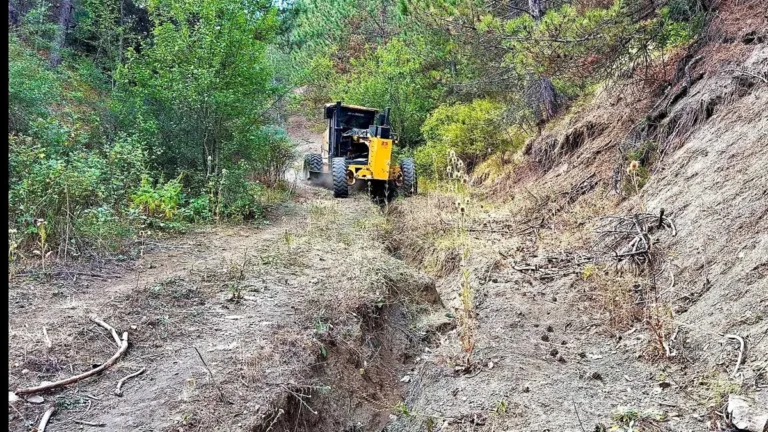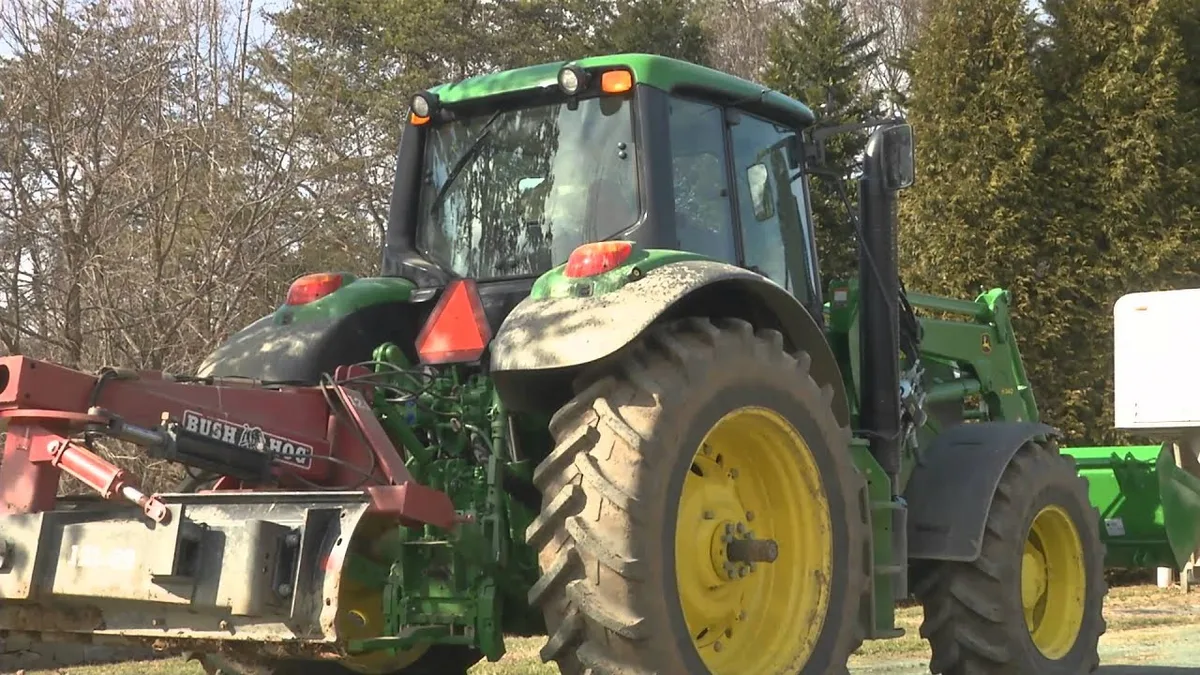
Maryland’s slow mover pull out law for rural road safety exists to prevent collisions between fast-moving cars and farm equipment. This rule requires operators of slow-moving vehicles to pull over when safe to let traffic pass, but only under specific conditions.
As of 2026, Maryland Transportation Code § 22-218 mandates that any vehicle traveling under 25 mph must display a reflective SMV emblem. This law keeps rural roads safer for everyone.
Quick Answer
Maryland slow mover pull out law for rural road safety requires slow vehicles to yield to faster traffic. It applies to farm equipment under 25 mph. The SMV emblem must be visible.
Pull over only when safe and legal.
Why This Law Exists and Who It Protects
Rural roads in Maryland see frequent conflicts between cars and farm machinery. The pull-out law reduces rear-end collisions and road rage incidents.
Farmers benefit by avoiding liability for accidents caused by blocking traffic. Motorists gain clearer expectations for sharing the road. The law also protects agricultural productivity by allowing necessary equipment transport.
The Exact Rules: What Counts as a Slow Mover in Maryland
A slow-moving vehicle in Maryland is any vehicle traveling under 25 mph. This includes tractors, combines, and other farm equipment.
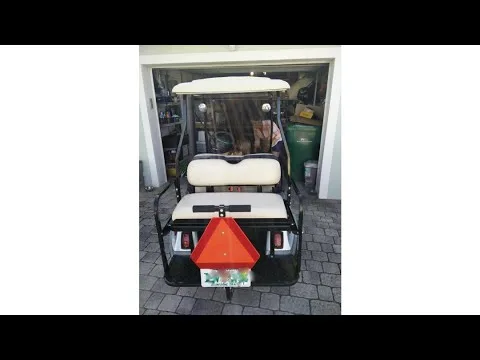
The vehicle must display a reflective orange SMV emblem on the rear. This triangle must be mounted 2-6 feet above the road surface. At night, the vehicle needs white headlights and red taillights.
Maryland’s definition aligns with the ASABE S276.5 standard for SMV emblems. The law applies to all public roads, not just rural ones.
Where and When the Pull-Out Rule Applies
The pull-out rule kicks in when five or more vehicles are lined up behind a slow mover. The operator must pull over at the first safe opportunity.
This doesn’t apply in no-passing zones or where pulling over would be unsafe. The law also doesn’t require pulling over if traffic is already flowing smoothly.
County ordinances may add local restrictions, especially during harvest seasons. Always check with the Maryland State Highway Administration for updates.
How the Pull-Out Maneuver Should Work (Step by Step)
First, signal your intent to pull over using hand signals or turn signals. Check for a wide shoulder or designated pull-off area.
Slow down gradually while maintaining control of your equipment. Pull completely off the roadway if possible.
Wait until all following vehicles have passed before re-entering. Never pull back into traffic until it’s clear and safe.
SMV Emblems, Lights, and Other Legal Requirements
The SMV emblem is a bright orange reflective triangle. It must be at least 14 inches tall with a 2-inch border. The emblem warns other drivers of a slow-moving vehicle ahead.
At night, slow movers need white headlights and red taillights. Reflectors are required on both sides and the rear. These lights must be visible from at least 500 feet away.
Maryland follows the ASABE S276.5 standard for SMV emblems. Non-compliance can result in fines up to $100.
Common Mistakes That Lead to Tickets or Accidents
Many farmers forget to mount the SMV emblem at the correct height. Others drive at night without proper lighting. Both violations increase accident risks.
Some operators pull over in unsafe locations like blind curves. Others re-enter traffic too quickly. These mistakes often cause rear-end collisions.
Ignoring the five-vehicle rule is another common error. Drivers may not realize they’re required to pull over until it’s too late.
What Happens If You Ignore the Law (Fines, Liability, Safety Risks)
Fines for violating Maryland’s slow mover laws start at $80. Repeat offenses can reach $500. Courts may also assign points to your driving record.
Liability shifts to the slow mover operator in accidents caused by non-compliance. Insurance may deny claims if the vehicle lacked proper markings. This can lead to costly lawsuits.
The biggest risk is injury or death. Rural roads often have high speed limits. A collision at 55 mph with a 15 mph tractor can be fatal.
Rural Road Hotspots: Where Conflicts Happen Most in Maryland
Eastern Shore counties see the most farm traffic. Routes 50 and 404 are particularly busy during harvest season. Western Maryland’s Route 68 also has frequent slow mover incidents.
The worst times are dawn and dusk. Low light reduces visibility of slow movers. Morning and evening rush hours add to the danger.
Local governments often post signs warning of farm equipment. These areas require extra caution from all drivers.
How Motorists Should React When Behind a Slow Mover
Stay at least 50 feet behind slow-moving vehicles. This gives you time to react if they stop suddenly. Never pass in a no-passing zone.
If you see a line of five or more cars behind a slow mover, expect it to pull over. Be patient and prepared to slow down. Passing on curves or hills is illegal and dangerous.
Use high beams at night when no other traffic is present. This helps you spot SMV emblems sooner. Always check for oncoming traffic before attempting to pass.
Farmers’ Checklist: Staying Compliant Before Hitting the Road
Check your SMV emblem is clean and visible. Dirt or fading reduces its effectiveness.
Verify all lights and reflectors are working. Test them before every trip, especially at dawn or dusk.
Confirm your equipment’s speed capability. If it can’t maintain 25 mph, you’re subject to the pull-out rule.
Check your SMV emblem is clean and visible. Dirt or fading reduces its effectiveness.
Verify all lights and reflectors are working. Test them before every trip, especially at dawn or dusk.
Confirm your equipment’s speed capability. If it can’t maintain 25 mph, you’re subject to the pull-out rule.
Maryland vs. Neighboring States: How the Rules Differ
Pennsylvania requires SMV emblems but has no pull-out law. Virginia mandates pulling over after six vehicles, not five.
Delaware follows Maryland’s five-vehicle rule. West Virginia has no specific pull-out requirement but enforces SMV emblem laws.
These differences matter for farmers working across state lines. Always check local regulations when transporting equipment.
Real-Life Scenarios and How the Law Applies
A tractor moving at 12 mph on Route 50 with six cars behind it must pull over. The operator waits for a safe shoulder.
A combine harvester at 20 mph with only three cars behind it can continue. No pull-out is required.
At night, a slow mover without proper lighting is in violation. The operator risks a fine even if no accident occurs.
Frequently Asked Questions
Does the pull-out law apply to all rural roads?
Yes, it applies to all public roads in Maryland. The rule isn’t limited to rural areas.
What’s the minimum distance to stay behind a slow mover?
Maryland law doesn’t specify a distance. A safe following distance is at least 50 feet.
Can I pass a slow mover in a no-passing zone?
No. Passing in a no-passing zone is illegal and dangerous.
Are ATVs and UTVs considered slow movers?
Only if they travel under 25 mph and display an SMV emblem. Most ATVs exceed this speed.
What’s the fine for not displaying an SMV emblem?
The fine starts at $80. It can increase for repeat offenses.
Do I need to pull over if there’s no shoulder?
No. Pull over only when it’s safe and legal to do so.