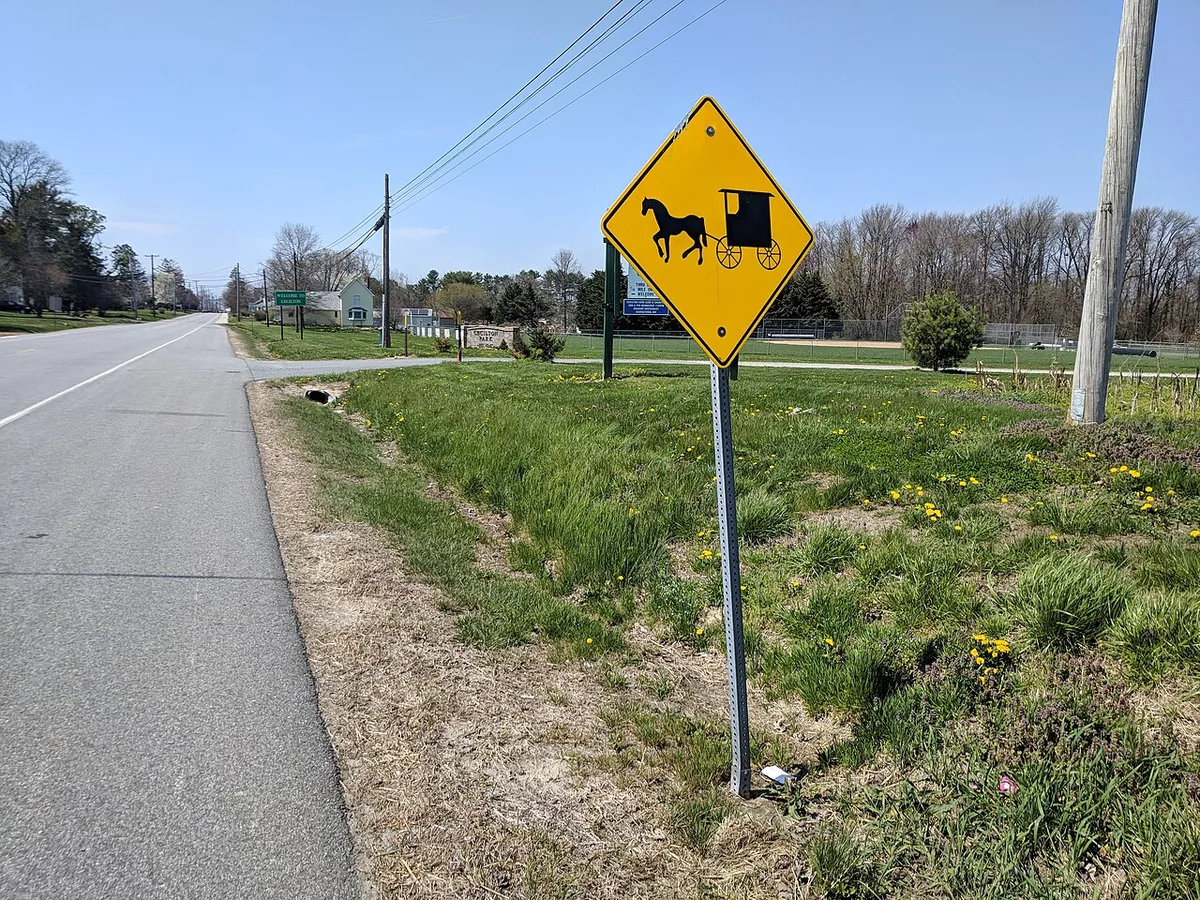
Maryland horse drawn vehicle and animal rider highway sharing rules exist to keep everyone safe when slow-moving traffic meets faster cars. These laws cover everything from lighting requirements to right-of-way, and they apply whether you're driving a carriage or riding a horse.
Per Maryland Transportation Code §21-603, animal-drawn vehicles must display a slow-moving vehicle emblem when traveling under 25 mph. This isn’t just a suggestion, it’s a legal requirement that helps prevent accidents.
Quick Answer
Maryland horse drawn vehicle and animal rider highway sharing rules require slow-moving emblems for vehicles under 25 mph. Animal riders must follow standard traffic signals. Right-of-way defaults to the vehicle already in the lane.
All must use proper lighting at night.
Why These Rules Matter for Safety & Compliance
These laws prevent collisions between cars and slower, less visible road users. In 2022, Maryland reported 12 accidents involving animal-drawn vehicles, most due to visibility issues. Compliance isn’t optional, violations can lead to fines up to $500.
The rules also protect animal welfare. A spooked horse can cause chain-reaction crashes, and Maryland’s laws account for that. As of 2026, enforcement has tightened in rural counties where Amish communities frequently use buggies.
Who These Laws Apply To
- Amish and Mennonite buggy drivers
- Equestrian riders on public roads
- Tourist carriage operators in cities like Baltimore
- Farmers moving livestock or equipment
- Motorists sharing roads with animal traffic
Even if you’re just passing through Maryland, these rules apply. Out-of-state riders aren’t exempt.
Maryland’s Core Highway Sharing Rules for Animal-Drawn Vehicles
Animal-drawn vehicles must stay as far right as practical. They can’t impede traffic flow where posted speed limits exceed 30 mph. This means pulling over to let cars pass when safe.
At intersections, animal-drawn vehicles follow the same right-of-way rules as cars. If you’re in a buggy and arrive first, you have the right to proceed. But yield if a car is already in the intersection.
Maryland also prohibits animal-drawn vehicles on interstates and limited-access highways. These roads are off-limits, no exceptions.
Right-of-Way: Horses vs. Cars in Maryland
Horses and carriages have the same right-of-way as any other vehicle. If a horse is crossing at a marked crosswalk, cars must stop. This is non-negotiable under Maryland law.
But here’s the catch: horses are unpredictable. Even if you have the right-of-way, it’s wise to make eye contact with drivers.
If a horse is moving slowly in a lane, cars must pass with at least 3 feet of clearance. This is a safety buffer, not a suggestion. The Maryland Department of Transportation enforces this strictly.
Lighting, Reflectors & Visibility Requirements
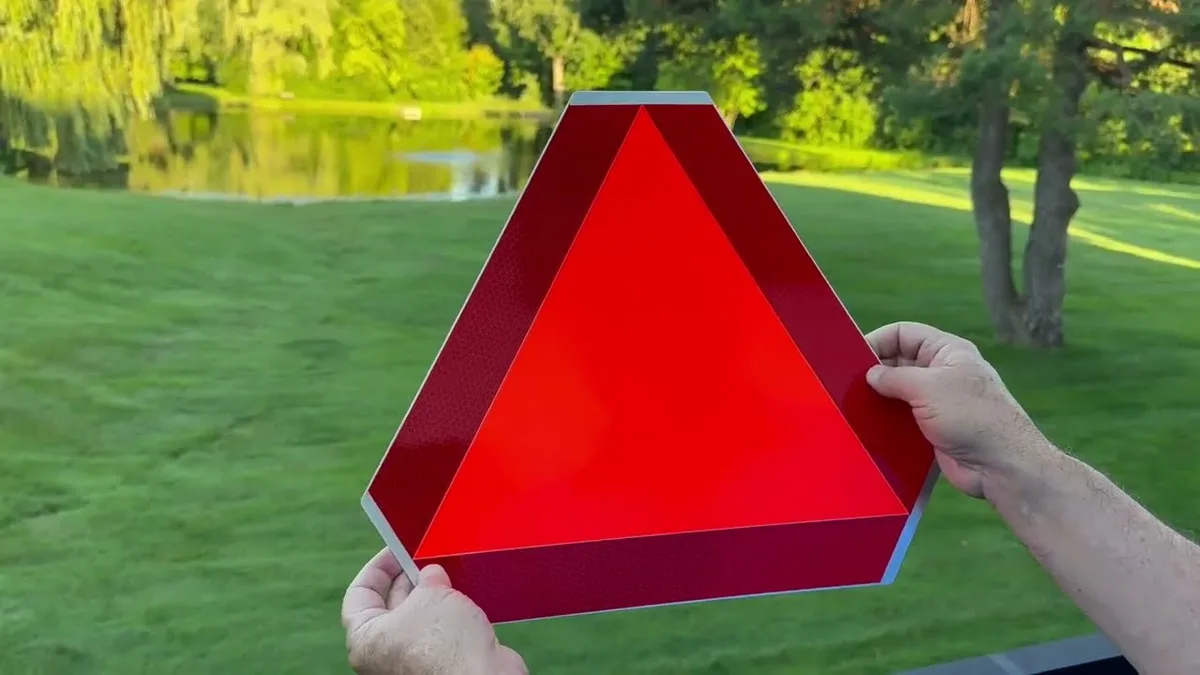
Animal-drawn vehicles must display a slow-moving vehicle emblem when traveling under 25 mph. This orange triangle with a red border is mandatory during daylight.
At night, you need a white light visible from 500 feet to the front. A red light or reflector must be visible from 500 feet to the rear. These aren’t suggestions, they’re legal requirements under Maryland Transportation Code §21-603.
Horse riders must wear reflective gear if riding after dark. This could be a vest, ankle bands, or horse leg wraps. The goal is to be visible from at least 300 feet in all directions.
Where You Can (and Can’t) Drive or Ride
Animal-drawn vehicles are prohibited on interstates and limited-access highways. These roads are designed for high-speed traffic only.
You can use most state and county roads, but check local ordinances. Some urban areas restrict animal traffic during peak hours. Rural counties like Garrett and Allegany are more accommodating.
Horse riders have more flexibility but must still follow traffic laws. They can use bike lanes where available but must yield to pedestrians.
Speed Limits & Road Positioning Rules
Animal-drawn vehicles must travel at a speed that doesn’t impede traffic. If five or more vehicles are lined up behind you, pull over to let them pass. This is both a courtesy and a legal requirement.
Stay as far to the right as safely possible. If there’s a usable shoulder, use it. But don’t drive on the shoulder if it’s unsafe or prohibited.
Horse riders should maintain a steady pace. Sudden stops or erratic movements can confuse drivers. Always signal your intentions clearly, even if it’s just a hand wave.
Permits, Licenses & Local County Differences
Most animal-drawn vehicles don’t require special permits in Maryland. But tourist carriages in cities like Baltimore may need commercial licenses. Check with local authorities.
Horse riders don’t need licenses, but some counties require reflective gear at all times. Garrett County, for example, enforces this strictly due to its Amish population.
Farm vehicles moving between fields are often exempt from standard rules. But this doesn’t apply to recreational riding or non-farm use.
Common Mistakes That Lead to Fines or Accidents
Many riders forget the slow-moving vehicle emblem. Without it, you’re invisible to drivers who expect faster traffic. This is the most common citation.
Another mistake is assuming right-of-way. Even if you have the legal right to proceed, always make eye contact with drivers. Horses don’t understand traffic laws.
Nighttime visibility is often overlooked. A single reflector isn’t enough. You need multiple points of light to be seen from all angles.
What to Do If You’re in an Accident Involving a Horse or Carriage
Stop immediately and check for injuries to people and animals. Maryland law requires you to remain at the scene.
Call 911 if there are injuries or significant property damage. Even minor incidents should be reported to local police or the Maryland State Police.
Exchange information with all parties involved. This includes contact details, vehicle descriptions, and insurance information. For animal-drawn vehicles, note the horse’s description and any identifying features.
Maryland’s Legal Penalties for Violations
Fines for violating animal-drawn vehicle laws start at $90. This can increase to $500 for repeat offenses or serious violations.
Failure to display the slow-moving vehicle emblem can result in a $120 fine. This is one of the most commonly cited violations.
If an accident occurs due to non-compliance, you could face civil liability. This means paying for damages, medical bills, or other costs resulting from the incident.
Expert Tips for Safe Road Sharing
Always assume drivers don’t see you. Make eye contact at intersections and use clear hand signals.
Equip your vehicle or horse with reflective gear, even during the day. The more visible you are, the safer you’ll be.
Plan your route to avoid high-speed roads. Stick to rural or low-traffic areas when possible.
Frequently Asked Questions
Do I need a license to drive a horse-drawn carriage in Maryland?
No license is required for personal use. But commercial operators, like tourist carriages, may need special permits from local authorities.
Can I ride a horse on the shoulder of a highway?
Yes, if the shoulder is wide enough and safe. But avoid interstates and limited-access highways, where animal traffic is prohibited.
What lights do I need at night?
A white light visible from 500 feet to the front and a red light or reflector visible from 500 feet to the rear. Reflective gear on the horse and rider is also required.
Are there speed limits for horse-drawn vehicles?
No specific speed limit, but you must travel at a speed that doesn’t impede traffic. If five or more vehicles are lined up behind you, pull over to let them pass.
What should I do if a car is tailgating my buggy?
Pull over safely to let them pass. Maryland law requires slower vehicles to yield to faster traffic when possible.