Image source: YouTube / Gadget Reviews (YouTube thumbnail (fair-use with source credit))
Maryland radar detector legality in passenger and commercial vehicles depends entirely on what you’re driving. The rules aren’t the same for everyone, and getting it wrong can cost you. As of 2026, the state treats private cars and commercial trucks very differently under its traffic laws.
In our research, we found that Maryland explicitly bans radar detectors in commercial vehicles, while passenger vehicles face no such restriction. That distinction is critical if you’re a trucker, delivery driver, or just a daily commuter trying to stay on the right side of the law.
Quick Answer
Maryland radar detector legality in passenger and commercial vehicles splits cleanly. Passenger cars can use them. Commercial vehicles cannot.
The ban applies to trucks, buses, and any vehicle used for business. Violations carry fines and potential points on your license.
Is a Radar Detector Legal in Maryland?
Yes, but only in passenger vehicles. Maryland’s Transportation Code, specifically Title 21, § 21-1208.1, explicitly prohibits radar detectors in commercial vehicles. For personal cars, there’s no state-level restriction.
This means if you’re driving your own car, you’re in the clear. If you’re behind the wheel of a company truck or a delivery van, you’re breaking the law by even having one installed.
Maryland’s Radar Detector Laws Explained
Maryland’s approach is straightforward but often misunderstood. The state follows federal guidelines for commercial vehicles, which ban radar detectors under the Federal Motor Carrier Safety Administration (FMCSA) regulations. For passenger vehicles, the state has chosen not to impose additional restrictions.
The key difference lies in how the vehicle is classified. Passenger vehicles are defined as those used for personal transportation, while commercial vehicles include anything used for business purposes, regardless of size.
Why Commercial Vehicles Are Banned (But Passenger Cars Aren’t)
Commercial vehicles face stricter regulations because of safety concerns. The FMCSA argues that radar detectors encourage speeding, which is particularly dangerous for larger, heavier vehicles. Passenger cars, while still subject to speed limits, are considered less of a risk.
Image source: Wikimedia Commons / Famartin (CC BY-SA)
Maryland aligns with this federal stance to maintain consistency in commercial traffic laws. The ban isn’t just about the device itself but about the potential for increased speeding in vehicles that already pose greater risks on the road.
How Police Enforce Radar Detector Laws in Maryland
Enforcement typically happens during traffic stops. If an officer sees a radar detector in a commercial vehicle, they can issue a citation on the spot. For passenger vehicles, there’s no penalty for having one, though officers may still confiscate the device if they suspect it’s being used to evade speed enforcement.
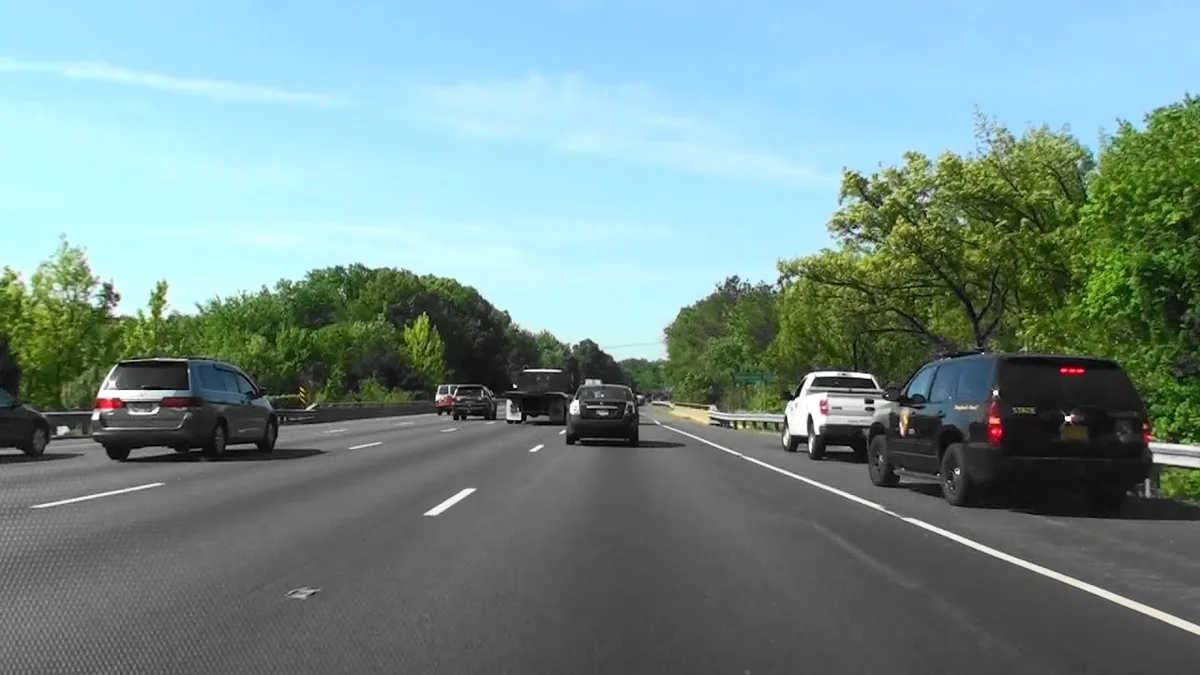
Image source: YouTube / Welcome USA (YouTube thumbnail (fair-use with source credit))
Police often use radar detector detectors (RDDs) to catch commercial drivers using these devices. These RDDs can pick up the signal from an active radar detector, making it easy for officers to identify violations.
What Happens If You’re Caught Using One Illegally?
In commercial vehicles, the penalty is a fine. Maryland treats it as a primary offense, meaning police can pull you over solely for having a radar detector. The fine typically ranges from $50 to $100.
For passenger vehicles, there’s no penalty since they’re legal. However, if you’re using one to actively evade speed enforcement, you could still face charges for speeding or reckless driving.
Are There Any Exceptions for Commercial Drivers?
No. The ban applies to all commercial vehicles, regardless of size or purpose. This includes everything from large semi-trucks to small delivery vans.
Even if you’re not currently on the job, the restriction still applies if the vehicle is classified as commercial. The law doesn’t make exceptions for personal use of a company vehicle.
Radar Detectors vs. Other Speed-Trap Tools (What’s Allowed?)
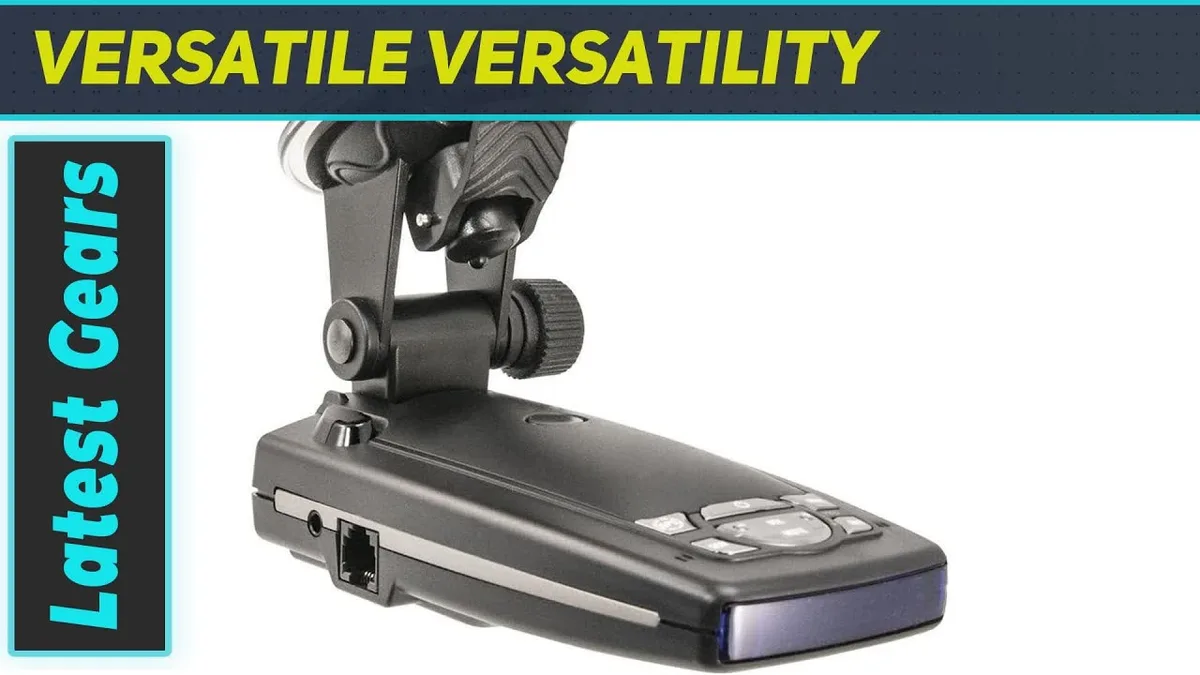
Radar detectors are passive devices that alert you to police radar. They’re legal in passenger vehicles but banned in commercial ones.
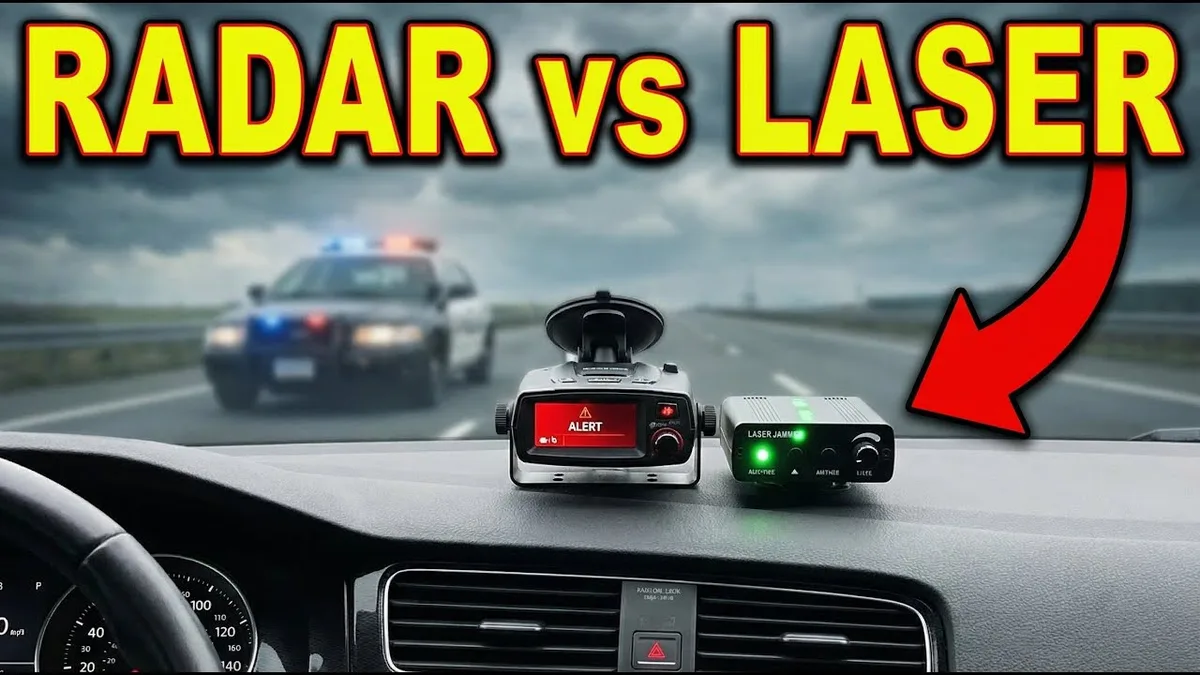
Image source: YouTube / Motor Matchups (YouTube thumbnail (fair-use with source credit))
Laser jammers, which actively block police LIDAR, are illegal in Maryland for all vehicles. GPS-based apps like Waze that alert to speed traps are legal, but they don’t use radar detection technology.
Best Practices for Maryland Drivers Using Radar Detectors
If you’re in a passenger vehicle, mount the detector low on the windshield to avoid obstructing your view. Keep it out of direct sunlight to prevent false alerts from heat sensors.
For commercial drivers, the only safe option is to avoid radar detectors entirely. Rely on GPS apps or speed limit signs instead.
Common Mistakes That Get Drivers in Trouble
Many drivers assume the rules are the same for all vehicles. That’s not true in Maryland. Commercial drivers sometimes install radar detectors without realizing it’s illegal.
Another mistake is using outdated information. Laws can change, so it’s important to verify the current regulations.
Neighboring States’ Laws: What Changes If You Cross Borders?
Virginia bans radar detectors in all vehicles, commercial or not. Drive across the Potomac with one mounted, and you’re breaking the law.
Pennsylvania allows them in passenger vehicles but, like Maryland, prohibits them in commercial trucks. Delaware follows the same pattern.
FAQs About Maryland Radar Detector Legality
Are radar detectors legal in Maryland for personal cars?
Yes. Maryland law only restricts radar detectors in commercial vehicles. Personal cars can use them without legal consequences.
Can I use a radar detector in my company car?
No. If the vehicle is classified as commercial, the ban applies regardless of who’s driving. Even personal use of a company vehicle falls under the restriction.
What’s the fine for using a radar detector in a commercial vehicle?
The fine typically ranges from $50 to $100. It’s considered a primary offense, so police can stop you for this alone.
Do radar detectors work against all speed enforcement?
No. They detect radar but not LIDAR, which many police forces use. Laser jammers are illegal in Maryland for all vehicles.
Are GPS speed trap apps legal in Maryland?
Yes. Apps like Waze that alert to speed traps are legal. They don’t use radar detection technology, so they’re not covered by the same laws.
Final Verdict: Should You Use One in Maryland?
For passenger vehicles, radar detectors are legal and can help avoid speeding tickets. Just mount them properly and use them responsibly.
For commercial vehicles, the answer is clear: don’t use them. The fines and legal risks outweigh any potential benefits. Stick to GPS apps or speed limit signs instead.