Maryland auxiliary lighting and off-road light bar highway restrictions can be confusing, especially when you're trying to balance visibility and legality. The rules are strict, and a simple mistake could mean a failed inspection or a fine.
As of 2026, Maryland’s vehicle code sets clear limits on auxiliary lighting, including height, color, and placement. These aren’t just suggestions, they’re enforceable laws that apply to every driver in the state.
Quick Answer
Maryland auxiliary lighting and off-road light bar highway restrictions limit auxiliary lights to 42 inches in height. Only white or amber lights are allowed on the front, and red on the rear. Off-road light bars are not legal for highway use unless they meet DOT and SAE standards.
Violations can result in fines or inspection failures.
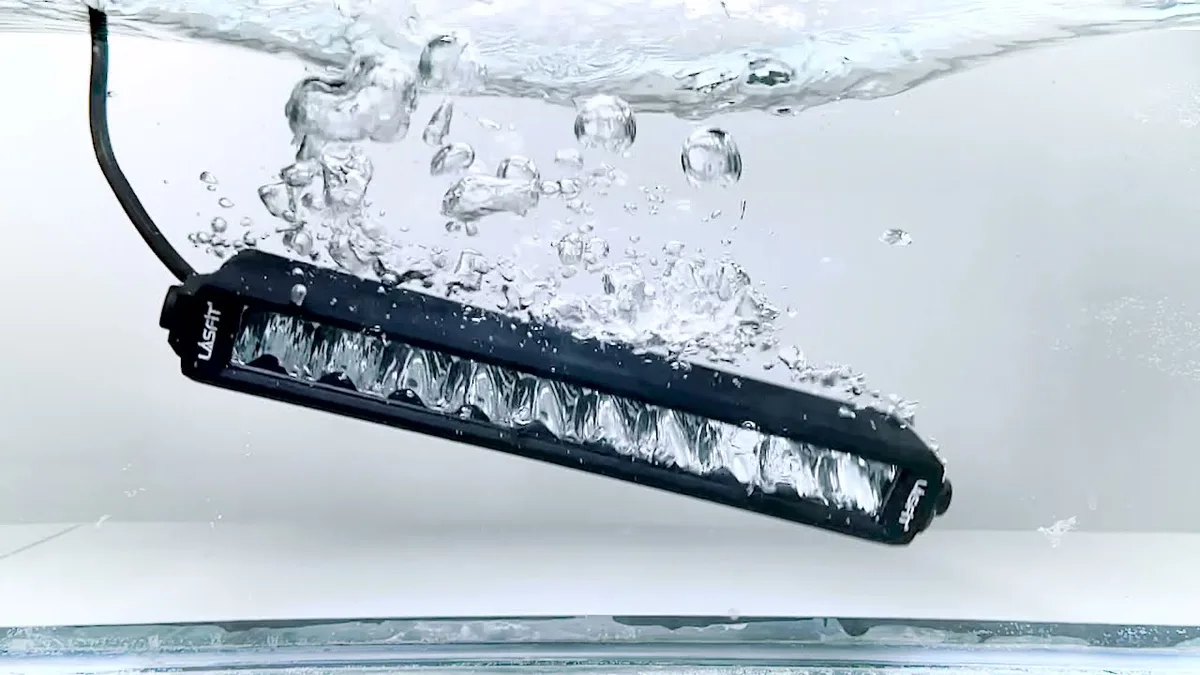
Maryland’s Core Auxiliary Lighting Rules
Maryland follows the Maryland Transportation Code, Title 22, which outlines all vehicle lighting requirements. This includes auxiliary lights, off-road lights, and modifications like light bars.
Auxiliary lighting refers to any additional lights beyond your vehicle’s standard headlights, taillights, and turn signals. This includes fog lights, driving lights, and off-road light bars. The state treats these as non-standard equipment, so they’re subject to stricter rules.
The key takeaway is that Maryland doesn’t ban auxiliary lighting outright. But it does regulate how and where you can use it. If your setup doesn’t comply, you risk a citation or failing your next vehicle inspection.
What Counts as Auxiliary Lighting Under Maryland Law
Auxiliary lighting includes any aftermarket lights added to your vehicle. This covers:
- Light bars (roof-mounted, bumper-mounted, or grille-mounted)
- Driving lights (additional forward-facing lights)
- Fog lights (if not factory-installed)
- Work lights (for utility or off-road use)
- LED strips or pods (if used as forward or rear-facing lights)
Maryland’s definition is broad. If it’s not a standard OEM light, it’s likely considered auxiliary.
Height, Color, and Placement Restrictions You Must Follow
Maryland’s rules are specific, and breaking them can lead to fines or inspection failures. Here’s what you need to know:
Height:
- Auxiliary lights cannot be mounted higher than 42 inches from the ground to the center of the light.
Color:
- Front-facing lights: Must be white or amber.
- Rear-facing lights: Must be red.
- Side-facing lights: Must be amber or red (no white).
- Blue lights: Reserved for emergency vehicles only.
Placement:
- Auxiliary lights must not obscure the driver’s view.
- They cannot interfere with other required lights (e.g., headlights, turn signals).
- Light bars must not extend beyond the width of the vehicle.
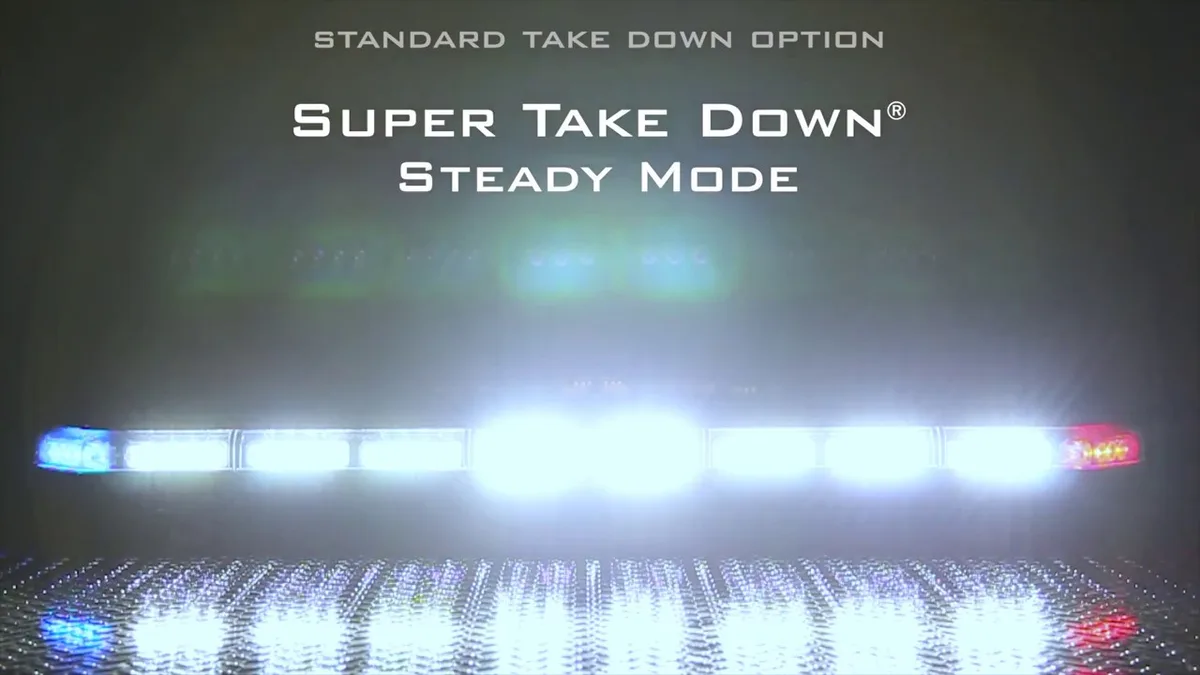
Where Off-Road Light Bars Are Allowed (and Where They Aren’t)
Off-road light bars are designed for use in off-road conditions, not public highways. In Maryland, this distinction matters.
Allowed:
- Private property (e.g., your own land, off-road parks like Rausch Creek).
- Off-road trails where public vehicle laws don’t apply.
Not Allowed:
- Public roads, highways, or any area open to general traffic.
- Unless the light bar meets DOT and SAE standards.
The bottom line: If you’re driving on a Maryland highway, your light bar must comply with state and federal lighting laws.
How Maryland Enforces Lighting Violations
Maryland police can pull you over for non-compliant auxiliary lighting. They check for height, color, and placement during traffic stops or at inspection stations.
Fines start around $90 for illegal light use. Your vehicle may also fail the state inspection until the issue is fixed.
The Maryland Motor Vehicle Administration (MVA) conducts annual inspections. If your light bar doesn’t meet the 42-inch height rule or uses the wrong color, you’ll need to remove or adjust it before passing.
Step-by-Step: Making Your Light Bar Street-Legal in Maryland
First, check your light bar’s height. Measure from the ground to the center of the light. If it’s over 42 inches, lower the mount or choose a different position.
Next, verify the color. Front lights must be white or amber. Rear lights must be red.
Avoid blue or flashing lights, as these are reserved for emergency vehicles.
Finally, ensure proper wiring. Your light bar should turn off with your high beams if it’s not DOT-compliant. Use a relay to prevent electrical overload.
Common Mistakes That Get Drivers Fined
Mounting a light bar too high is the most common violation. Many drivers assume roof mounts are fine, but Maryland’s 42-inch rule often makes them illegal.
Using the wrong color is another frequent issue. Blue or green lights are not permitted for civilian use. Even white lights facing the wrong direction can cause problems.
Improper wiring can also lead to fines. If your light bar stays on with high beams or blinds other drivers, it’s not compliant.
DOT-Compliant vs. Off-Road-Only Light Bars
DOT-compliant light bars meet federal safety standards. They’re designed for highway use and have specific beam patterns to avoid blinding other drivers.
Off-road-only light bars are brighter and often have wider beam patterns. These are not legal for highway use in Maryland unless they meet DOT and SAE standards.
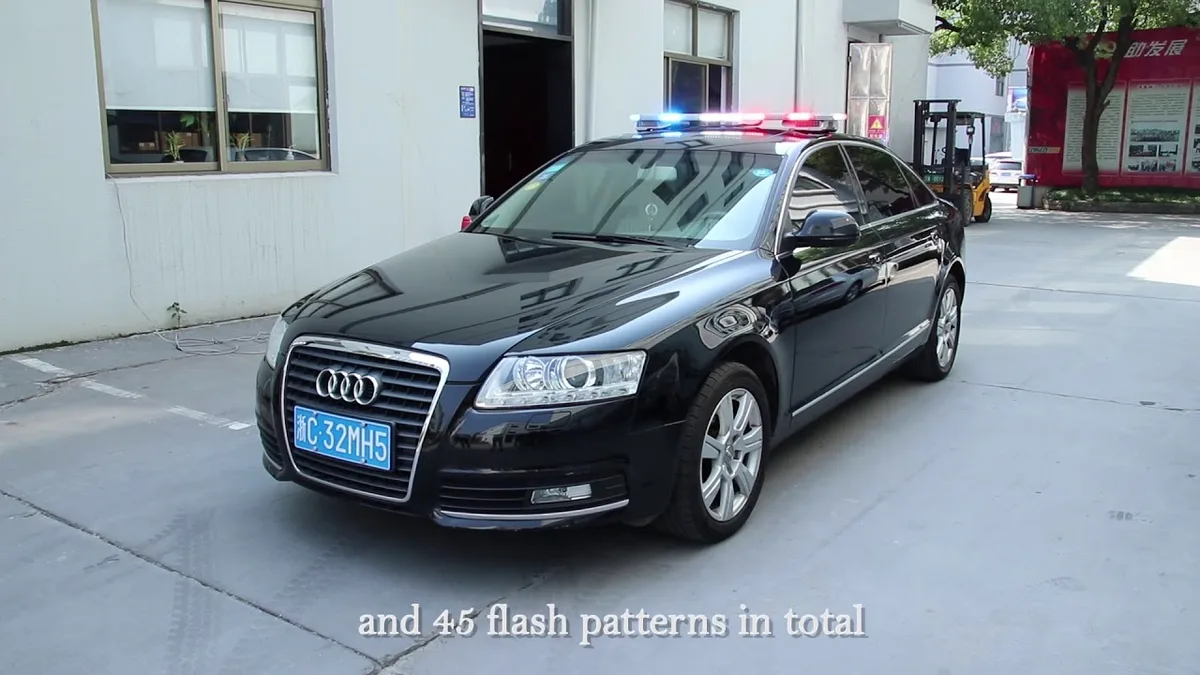
If you plan to use your light bar on public roads, choose a DOT-compliant model. Check the packaging or manufacturer specs for certification.
Maryland’s Rules for Emergency and Work Vehicles
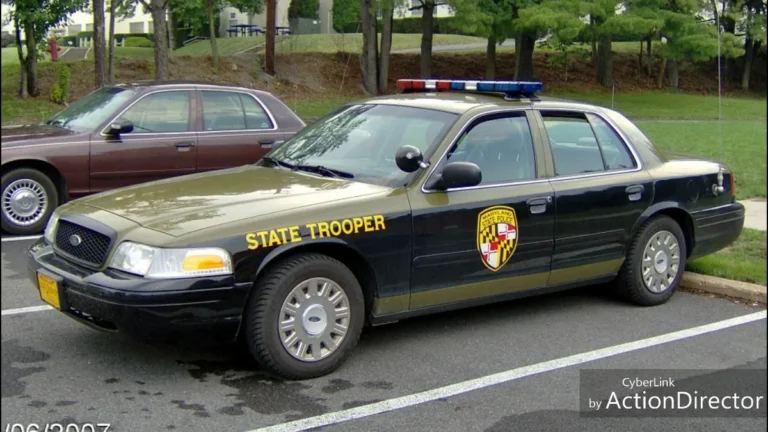
Emergency vehicles have different lighting rules. Police, fire trucks, and ambulances can use blue and red flashing lights. These are strictly prohibited for personal vehicles.
Work vehicles like tow trucks or construction equipment may use amber lights. These must still comply with height and placement rules.
Utility vehicles often need additional lighting for safety. Amber lights are commonly allowed for slow-moving or wide-load vehicles. But they must still follow Maryland’s height and color restrictions.
Farm equipment may have special provisions. However, these typically apply only when the vehicle is used for agricultural purposes on public roads.
What Happens If You Fail a Maryland Vehicle Inspection
If your vehicle fails inspection due to lighting issues, you’ll get a list of required fixes. Common problems include non-compliant light colors, improper height, or wiring that doesn’t meet standards.
You’ll need to correct these issues and return for a re-inspection. There’s no fee for the first re-inspection if you return within the specified timeframe.
Keep your receipts for any modifications. Some inspection stations may ask for proof that you’ve addressed the issues.
Wiring and Mounting Tips to Stay Within the Law
Use a relay for your light bar to prevent electrical overload. This also makes it easier to comply with Maryland’s requirement to turn off auxiliary lights with high beams.
Mount your light bar as low as possible. Bumper mounts are often safer than roof mounts for height compliance. Always measure from the ground to the center of the light.
Aim your lights downward to avoid blinding other drivers. Even compliant lights can cause issues if they’re not properly adjusted.
FAQs About Maryland Auxiliary Lighting Laws
Are light bars legal in Maryland?
Light bars are legal in Maryland only if they meet height, color, and placement requirements. They must be under 42 inches high and use white or amber lights in front, red in back.
Can I use a light bar on the highway in Maryland?
You can only use a light bar on Maryland highways if it’s DOT-compliant and properly mounted. Off-road-only light bars are not legal for highway use.
What’s the maximum height for auxiliary lights in Maryland?
The maximum height for auxiliary lights in Maryland is 42 inches from the ground to the center of the light. This applies to all forward and rear-facing lights.
Can I get a fine for non-compliant lighting?
Yes, you can receive a fine of up to $90 for non-compliant auxiliary lighting. You may also fail your vehicle inspection until the issue is fixed.
Do I need to turn off my light bar with my high beams?
Yes, Maryland requires auxiliary lights to turn off with high beams unless they’re DOT-compliant and properly aimed. This prevents blinding other drivers.
Are blue lights allowed on personal vehicles in Maryland?
No, blue lights are reserved for emergency vehicles only. Using them on a personal vehicle is illegal and can result in fines.