Image source: YouTube / Student Lesson (YouTube thumbnail (fair-use with source credit))
Catalytic converter theft in Massachusetts has skyrocketed, costing vehicle owners thousands in repairs and insurance headaches. The Massachusetts catalytic converter theft prevention and etching program benefits drivers by making these parts harder to steal and easier to trace. With thefts up over 300% in recent years, this free or low-cost solution is one of the most effective ways to protect your vehicle.
The program works by permanently etching your vehicle’s VIN onto the converter, deterring thieves and helping police recover stolen parts. As of 2026, many scrap yards now refuse unmarked converters, making etching a smart preventive step.
Quick Answer
The Massachusetts catalytic converter theft prevention and etching program benefits drivers by deterring theft. It marks converters with a VIN. This makes them traceable.
Scrap yards often reject unmarked parts. The process is free or low-cost.
Why Catalytic Converter Theft Is a Huge Problem in Massachusetts
Thieves target catalytic converters for their precious metals, like palladium and rhodium, which can fetch hundreds of dollars at scrap yards. In Massachusetts, thefts have surged, especially in urban areas like Boston, Worcester, and Springfield. Replacing a stolen converter can cost between $1,500 and $3,500, and insurance premiums often rise after a claim.
Hybrid vehicles, such as the Toyota Prius, are prime targets because their converters contain higher concentrations of valuable metals. Police departments across the state report that most thefts happen in parking lots, where thieves can slide under a vehicle and remove a converter in under two minutes.
How the Massachusetts Catalytic Converter Etching Program Works
The state’s etching program permanently marks your vehicle’s catalytic converter with its VIN or a unique identifier. This marking is highly visible and resistant to tampering, making it difficult for thieves to sell the part to scrap yards. The process uses high-temperature-resistant chemicals or laser engraving to ensure the marking lasts as long as the converter does.
Image source: YouTube / MARK-N-GARD (YouTube thumbnail (fair-use with source credit))
Most etching is done on the outer shell of the converter, where it’s easily visible during inspections. According to the National Insurance Crime Bureau, etched converters are 70, 90% less likely to be stolen because scrap yards can verify their legitimacy.
The Real Benefits of VIN Etching for Theft Prevention
VIN etching offers multiple layers of protection. First, it acts as a visual deterrent, thieves are less likely to target a converter they know is traceable. Second, it helps law enforcement recover stolen parts by linking them back to the original vehicle.
Financially, etching can save you money in the long run. Some insurance companies offer discounts of 5, 15% for vehicles with etched converters, as the risk of theft is significantly reduced. Additionally, if your converter is stolen, having it etched can speed up the claims process, as you can prove ownership more easily.
Does Etching Actually Stop Thieves? (What the Data Says)
The numbers don’t lie: etching works. In states with active etching programs, catalytic converter thefts have dropped by as much as 50% in some areas. Massachusetts has seen similar trends, particularly in regions where the program is widely promoted.
Scrap yards are also cracking down, with many now requiring proof of ownership for unmarked converters. However, etching isn’t foolproof. Determined thieves may still target etched converters, especially if they plan to remove the markings.
That’s why combining etching with other preventive measures, like parking in well-lit areas or installing a converter shield, can provide even better protection.
How to Get Your Converter Etched in Massachusetts (Step by Step)
The Massachusetts State Police and local partners offer free or low-cost etching at select locations. You’ll need to check eligibility based on your vehicle’s make, model, and year. Some programs prioritize high-risk vehicles like hybrids and trucks.
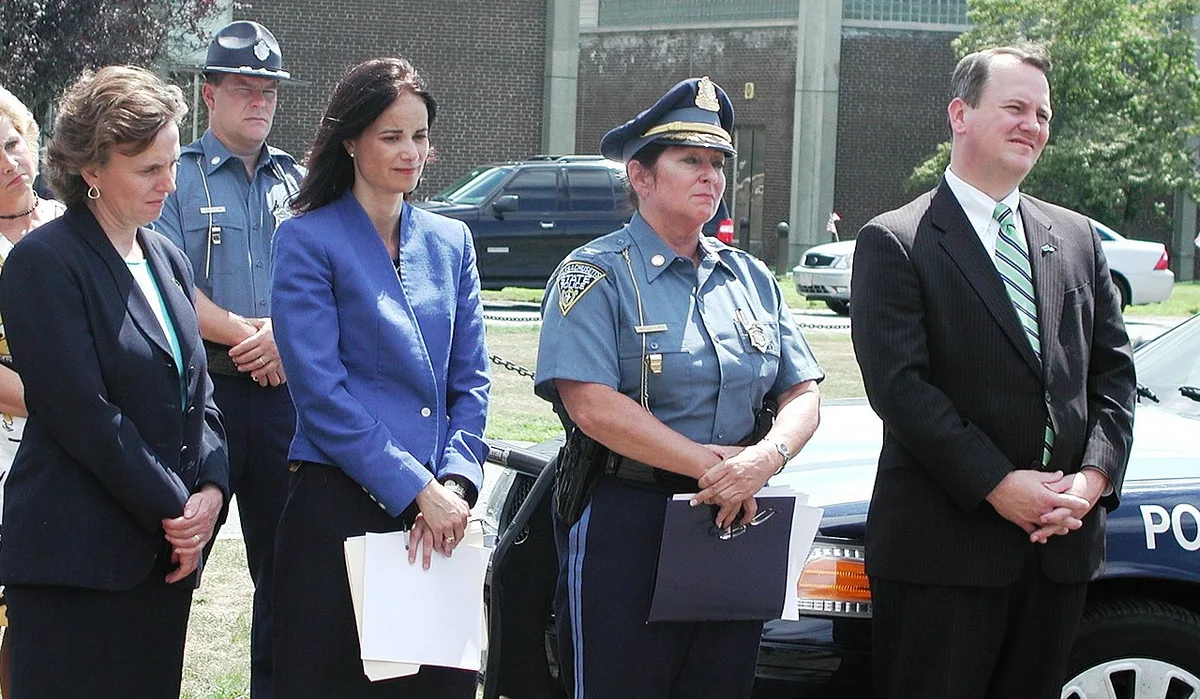
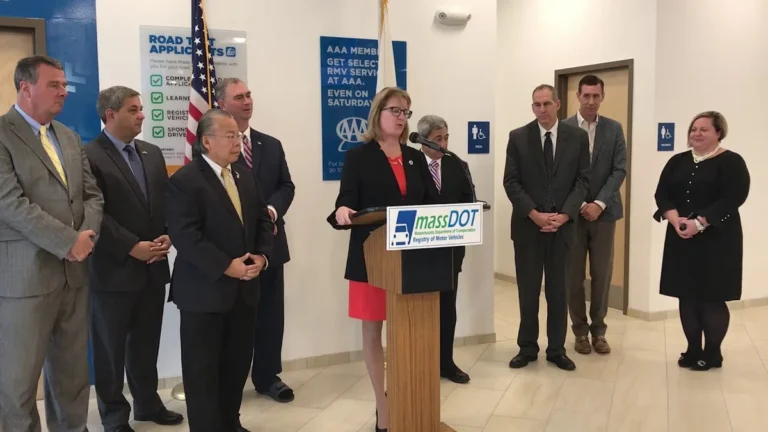
Image source: Wikimedia Commons / MassDOT
Start by visiting the Massachusetts State Police website to find a participating location. Appointments are often required, and you’ll need your vehicle registration and ID. The process takes about 30 minutes, and you’ll receive a certificate of completion for your records.
Free vs. Paid Etching: Where to Go and What to Expect
Free etching is available through state and local police programs, but availability can be limited. Paid options include auto shops and dealerships, typically costing between $50 and $150. DIY kits are another alternative, running $20 to $50, but require some mechanical confidence.
Free programs usually use professional-grade equipment and guarantee the marking meets legal standards. Paid services may offer additional protections, like anti-tamper coatings. DIY kits are the most budget-friendly but carry the risk of improper application.
Other Ways to Protect Your Catalytic Converter (Beyond Etching)
Physical barriers like converter shields are a popular add-on. These metal plates make it harder for thieves to access the converter quickly. Parking in well-lit areas or garages also reduces risk, as thieves prefer easy, unseen targets.
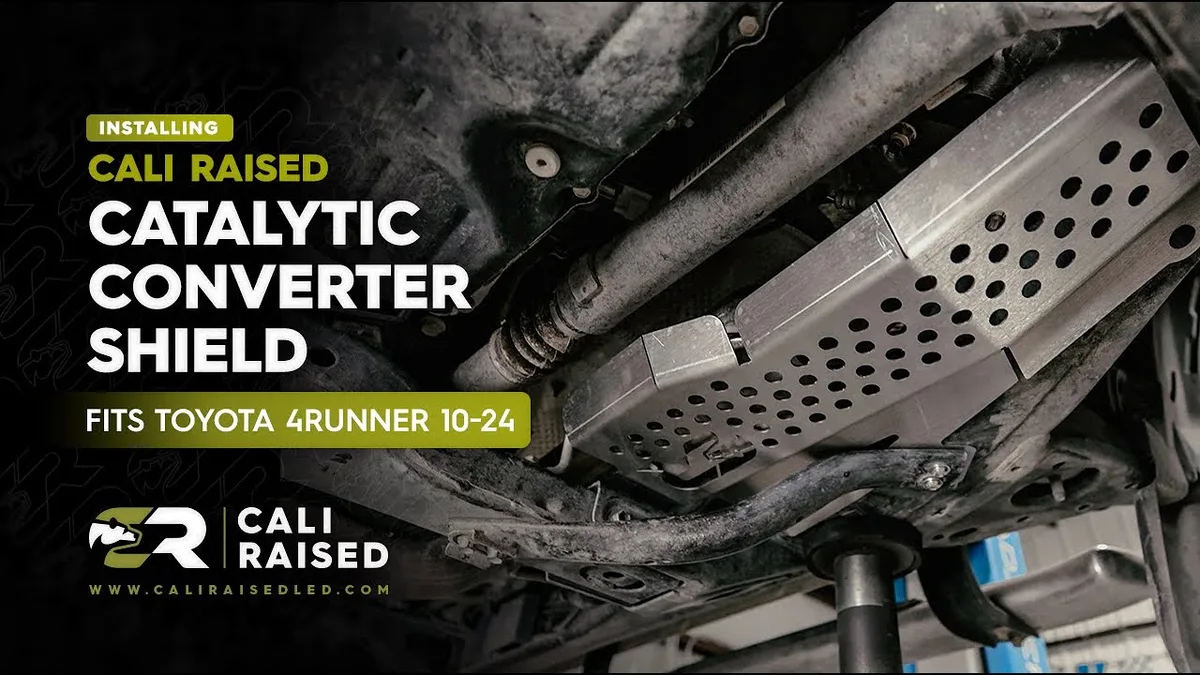
Image source: YouTube / Cali Raised LED (YouTube thumbnail (fair-use with source credit))
Alarm systems with motion sensors can scare off thieves before they finish the job. Some newer vehicles come with factory-installed protection, but aftermarket options are widely available. Combining multiple methods, like etching plus a shield, offers the best defense.
Insurance Discounts and Financial Perks You Might Qualify For
Some insurers offer discounts for vehicles with etched converters, typically ranging from 5% to 15%. The exact savings depend on your provider and policy. It’s worth calling your insurer to ask about potential reductions.
Etching can also speed up claims if your converter is stolen. With a marked part, you can prove ownership more easily, which may lead to faster payouts. Keep your etching certificate and any receipts in a safe place for reference.
Common Mistakes That Make Your Converter an Easy Target
Parking in dark, isolated areas is a top mistake. Thieves look for vehicles left overnight in poorly lit spots. Even a well-lit driveway is safer than a dim parking lot.
Ignoring maintenance can also make your converter more vulnerable. A rusted or loosely mounted converter is easier to remove. Regular inspections can help you spot potential issues before thieves do.
Massachusetts Laws You Should Know (For Owners and Scrap Yards)
Massachusetts has strict scrap metal laws to combat catalytic converter theft. Under M.G.L. c. 266, § 30A, scrap yards must verify the identity of anyone selling converters. They’re also required to report unmarked converters to law enforcement.
The law applies to both sellers and buyers. If you’re selling a used converter, you’ll need to provide proof of ownership. Scrap yards that fail to comply can face fines or lose their licenses.
What to Do If Your Catalytic Converter Gets Stolen Anyway
First, file a police report immediately. This creates a paper trail for insurance and helps law enforcement track theft patterns. Provide your VIN and any etching documentation you have.
Next, contact your insurance company to start a claim. If your converter was etched, the process may be faster. Keep all receipts and repair estimates for reimbursement.
Frequently Asked Questions
Is the etching program really free?
Yes, many locations offer free etching through state and local police partnerships. Some auto shops may charge a fee, but the official program is typically free.
How long does the etching process take?
The process usually takes about 30 minutes. This includes vehicle inspection, marking, and paperwork.
Will etching void my warranty?
No, etching is a non-invasive process that doesn’t affect your vehicle’s warranty. It’s a surface-level marking that doesn’t alter the converter’s function.
Can I etch my converter myself?
Yes, DIY kits are available, but professional etching is recommended for accuracy. Improper etching may not meet legal standards or deter thieves effectively.
Do all scrap yards check for markings?
Most reputable scrap yards in Massachusetts check for markings, but not all do. The law requires them to verify ownership, but enforcement varies.
What vehicles are most at risk?
Hybrids like the Toyota Prius and trucks are the most targeted. Their converters contain higher amounts of precious metals.