Image source: YouTube / FLT (YouTube thumbnail (fair-use with source credit))
Massachusetts farm truck registration eligibility and restricted usage rules can save you money and paperwork if your vehicle qualifies. But the rules are strict, and one wrong move can mean fines or losing your farm plates entirely.
The state limits farm truck use to agricultural purposes within a 150-mile radius, and your vehicle must meet specific weight and usage criteria. Here’s how to know if you’re eligible and how to stay compliant.
Quick Answer
Massachusetts farm truck registration eligibility and restricted usage rules apply to vehicles used primarily for farming. Your truck must stay within a 150-mile radius of your farm. It cannot be used for non-farm commercial work.
Farm plates cost less than commercial ones.
How Massachusetts Defines a Farm Truck
A farm truck in Massachusetts is a vehicle used exclusively for agricultural purposes. This includes transporting crops, livestock, feed, or farm equipment. The Massachusetts RMV classifies these under agricultural license plates, often called "F" plates.
The key test is usage. If your truck spends most of its time hauling farm-related goods, it likely qualifies. But if it’s used for landscaping, construction, or any non-farm business, it doesn’t.
Weight matters too. Most farm trucks under 10,000 lbs GVWR can use farm plates, but heavier vehicles may need additional permits.
The 150-Mile Rule and Other Hard Usage Limits
The 150-mile radius is non-negotiable. Your farm truck can’t legally travel beyond this distance from your farm’s primary location. This rule exists to prevent farm plates from being used for long-haul commercial work.
Other limits include:
- No for-hire use, You can’t charge others to haul their goods, even if it’s farm-related.
- No non-farm business, Using your truck for a side landscaping gig violates the rules.
- No regular commuting, Driving it to work every day (unless your job is farming) is off-limits.
The RMV can and does check. If they find you’re using a farm-plated truck for non-agricultural work, you’ll face fines and may lose your plates.
Farm Plate vs. Commercial Plate: What’s the Real Difference?
| Factor | Farm Plate | Commercial Plate |
|---|---|---|
| Cost | Lower registration fees | Higher fees |
| Usage | Farm-only, 150-mile radius | Any commercial use |
| CDL Requirement | Not required under 26,000 lbs | Often required for heavier vehicles |
| Inspection | Standard safety inspection | More frequent, stricter checks |
| Weight Limits | Typically under 26,000 lbs | Varies by class |
Farm plates are cheaper and come with fewer restrictions, but only if you follow the rules. Commercial plates are more expensive but give you flexibility for non-farm work. If your truck does both, you’ll need commercial plates, no exceptions.
Step-by-Step: How to Register a Farm Truck in MA

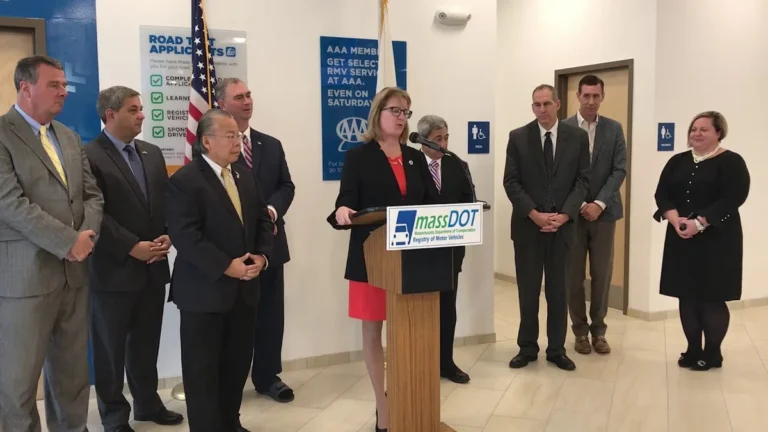
Image source: Wikimedia Commons / MassDOT
First, confirm your truck qualifies. It must be used primarily for farming and meet the 150-mile rule. Then, gather your documents:
- Proof of farm ownership or employment (e.g., a farm tax ID or lease agreement)
- Vehicle title and registration
- Completed RMV application form
Visit your local RMV office or use their online portal if available. Pay the fee, usually under $50 for farm plates, compared to $100+ for commercial. You’ll get your agricultural plates and a registration certificate.
Keep the certificate in the truck at all times.
Required Documents and What the RMV Actually Checks
You’ll need proof of farm ownership or employment. A tax ID, lease agreement, or utility bill in the farm’s name works. Bring the vehicle title and current registration too.
The RMV verifies your truck’s primary use. They’ll check for commercial activity red flags like business logos or non-farm cargo. If your paperwork doesn’t match your truck’s actual use, they’ll deny the farm plate.
A completed application form is mandatory. Some offices require a vehicle inspection, especially for heavier trucks.
Seasonal vs. Annual Registration: Which One Fits Your Use?
Seasonal registration is cheaper and lasts up to 6 months. It’s ideal if you only need the truck for planting or harvest seasons. You’ll pay a prorated fee based on the months you select.
Annual registration covers the full year. It costs more but saves hassle if you use the truck year-round. Both types have the same usage restrictions.
Choose seasonal if your farming is seasonal. Choose annual if you’re hauling feed, equipment, or livestock regularly.
Costs: Fees, Fines, and Hidden Expenses to Watch For
Farm plate registration fees start around $20 for seasonal and $40 for annual. Commercial plates can cost $100 or more, depending on weight class.
Fines for misuse start at $100 for first offenses. Repeat violations can lead to plate revocation and higher penalties.
Hidden costs include insurance. Some providers charge more for farm-plated trucks because of their restricted use. Always compare quotes before registering.
Common Mistakes That Get Farm Plates Revoked
Using the truck for non-farm work is the top reason for revocation. Even one delivery for a side business can trigger a violation. The RMV considers any paid hauling outside farming as commercial use.
Exceeding the 150-mile radius is another common mistake. Some farmers assume it’s a guideline, not a hard limit. It’s a hard limit.
Not displaying the slow-moving vehicle sign is an easy fix but often overlooked. If your truck travels under 25 mph, the sign is required by law.
Slow-Moving Vehicle Signs and Other Legal Must-Haves
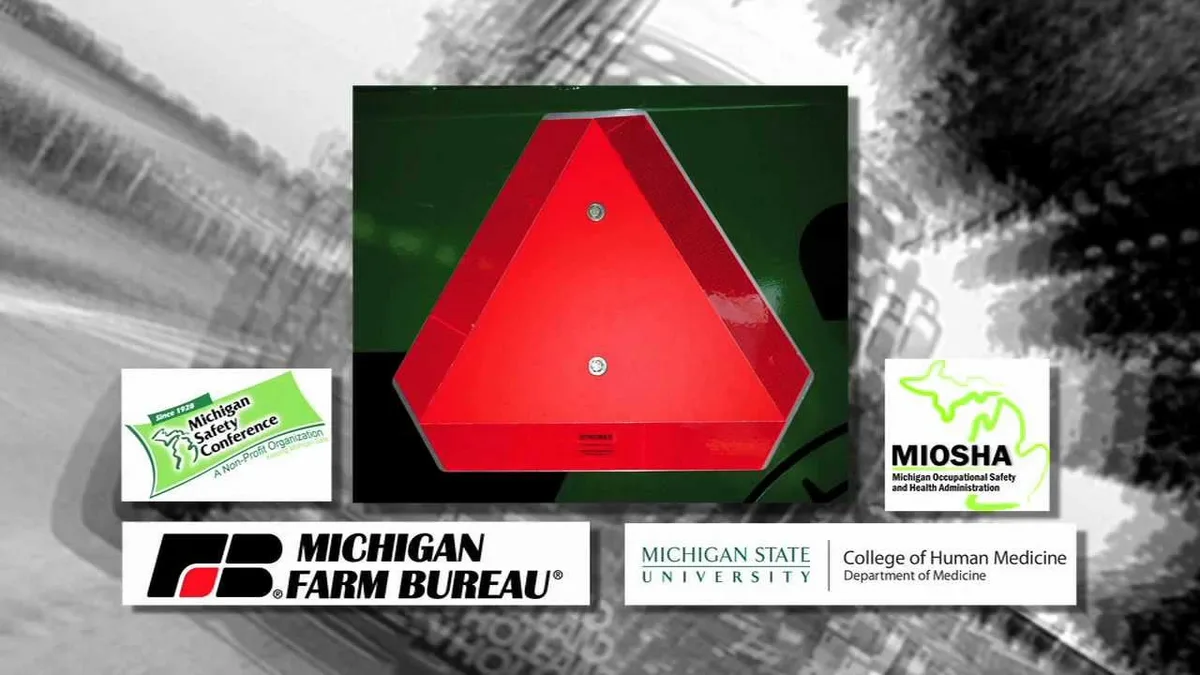
Image source: YouTube / Michigan Farm Bureau (YouTube thumbnail (fair-use with source credit))
Any farm vehicle traveling under 25 mph needs a slow-moving vehicle emblem. The sign must be visible from 500 feet in daylight. It’s a bright orange triangle with a red border.
Other requirements include working lights and reflectors. If your truck is wider than 8 feet, you may need additional markers. Check the Massachusetts RMV’s vehicle equipment standards for specifics.
What Happens If You Break the Rules?
First-time violations typically mean a $100 fine. The RMV will also flag your registration for review. Repeat offenses can lead to plate revocation.
If you’re caught using a farm-plated truck for non-agricultural business, you may be forced to re-register it as commercial. This means paying back fees and potential penalties.
In extreme cases, operating a farm truck illegally can lead to vehicle impoundment. Law enforcement takes these rules seriously, especially if there’s a safety risk.
Real-Life Scenarios: Can You Use Your Farm Truck for That?
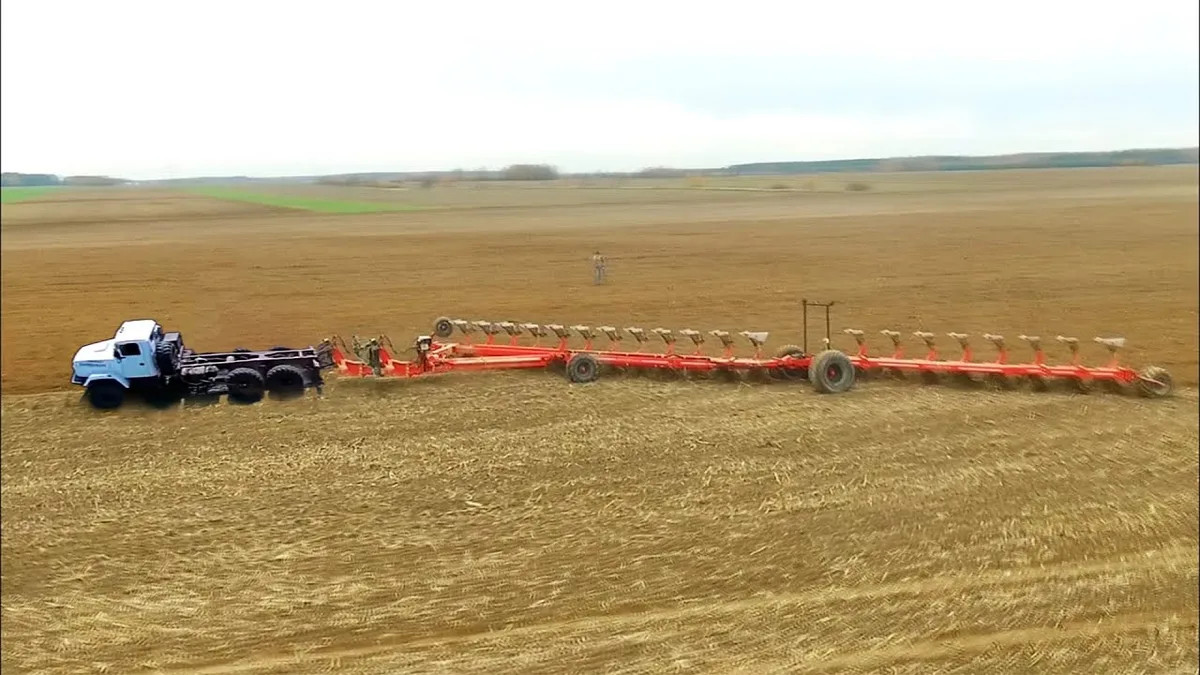
Image source: YouTube / Manary Farms (YouTube thumbnail (fair-use with source credit))
Hauling your own hay to a local market is fine. The 150-mile rule applies, but farm-to-market transport is explicitly allowed.
Driving to a tractor supply store for farm equipment is permitted. But picking up lumber for a home project isn’t.
Taking your truck to a county fair to sell produce is acceptable. However, using it to haul non-farm goods for a friend’s business crosses the line.
When You Don’t Need a CDL (and When You Do)
You don’t need a CDL for farm trucks under 26,000 lbs GVWR. This covers most standard farm vehicles. The exemption applies to vehicles used within 150 miles of the farm.
You do need a CDL if your truck exceeds 26,000 lbs. This includes many large hay haulers or livestock transporters.
Even without a CDL, you must have a valid driver’s license. If you’re pulling a heavy trailer, check the combined weight limits.
FAQs
Can I use my farm truck for personal errands?
No. Personal use like grocery runs or commuting isn’t allowed. The RMV requires the truck to be used primarily for farming.
What’s the penalty for exceeding the 150-mile limit?
The first offense is usually a $100 fine. Repeat violations can lead to higher fines and registration suspension.
Do I need a special inspection for a farm truck?
Most farm trucks need the standard safety inspection. Heavier vehicles may require additional checks.
Can I transfer my farm plates to a new truck?
Yes, but you’ll need to update the registration. Bring the new truck’s title and proof of farm use to the RMV.
Are there any weight exemptions for farm trucks?
Some agricultural vehicles get weight exemptions for seasonal use. But these are rare and require special permits. Don’t assume your truck qualifies without checking with the RMV.