Massachusetts horse drawn vehicle and animal rider highway sharing rules allow these traditional modes of transport on most public roads, but with strict safety and visibility requirements. Whether you're driving a carriage or riding a horse, the law treats you as a slow-moving vehicle with specific obligations to other road users.
Per Massachusetts General Laws, animal-drawn vehicles must display a slow-moving vehicle emblem and follow the same traffic rules as motorized vehicles where applicable. As of 2026, failure to comply can result in fines and liability in accidents.
Quick Answer
Massachusetts horse drawn vehicle and animal rider highway sharing rules permit road use. Animal-drawn vehicles must follow traffic laws. They need SMV emblems.
Riders must signal turns. Night use requires lights or reflectors.
What Massachusetts Law Says About Horse-Drawn Vehicles and Animal Riders on Highways
The Commonwealth treats horse-drawn vehicles and animal riders as legitimate road users, but not without conditions. Under MGL Chapter 89, Section 2, these vehicles must obey standard traffic rules, including right-of-way and signaling. The key difference is speed: they’re classified as slow-moving, which triggers additional requirements.
This means you can’t just ride or drive anywhere. Interstates and limited-access highways are off-limits, as are roads where local ordinances explicitly ban animal-drawn traffic. The law also expects you to keep as far right as safely possible to avoid impeding faster traffic.
Road Rights and Responsibilities for Animal Riders
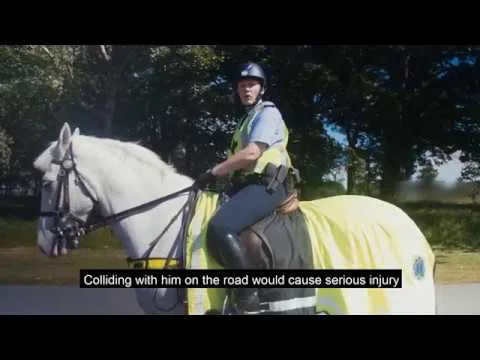
Horseback riders have the same road rights as drivers, but with added responsibilities. You’re legally considered a vehicle, which means you must follow traffic signals and signs. However, you’re also expected to ride in a way that doesn’t endanger yourself, your animal, or others.
Key rules for riders:
- Single file: When riding in a group, stay in single file on narrow roads.
- Hand signals: Use clear arm signals for turns and stops.
- Road conditions: Avoid roads with heavy traffic or poor visibility unless absolutely necessary.
- Animal control: If your horse becomes unmanageable, pull off the road safely.
The law also expects motorists to exercise caution around horses. According to MassDOT, drivers should slow down, give wide berth, and avoid honking.
Slow-Moving Vehicle (SMV) Requirements You Must Follow
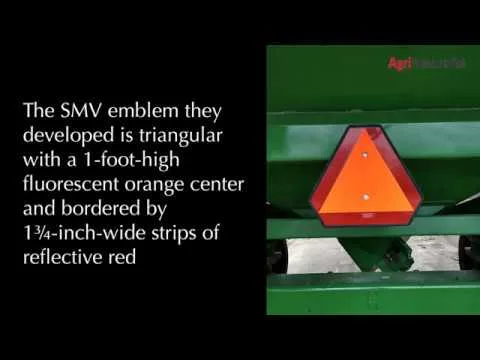
The SMV emblem isn’t optional. It’s a bright orange triangle with a red border, designed to alert motorists that you’re traveling under 25 mph. In Massachusetts, this is mandatory for all animal-drawn vehicles and any other slow-moving equipment on public roads.
Here’s how to comply:
- Placement: Mount the emblem on the rear of the vehicle, between 2 and 6 feet above the road.
- Visibility: It must be clean and unobstructed, visible from at least 500 feet in daylight.
- Lighting at night: The emblem alone isn’t enough after dark. You’ll need additional lighting.
Nighttime and Low-Visibility Rules
After dark, visibility becomes the biggest safety concern. Massachusetts requires horse-drawn vehicles to display a white light visible from 500 feet in front and a red light or reflector visible from 500 feet behind.

For riders, the rules are similar. You need at least one white light on the front of your horse and a red light or reflector on the rear. Reflective gear on the horse and rider is strongly recommended.
Fog, rain, or dusk conditions demand the same precautions as nighttime. If visibility drops below 500 feet, treat it like night driving.
Where You Can’t Take Horse-Drawn Vehicles or Ride Animals
Not all roads are open to animal-drawn traffic. Interstates and limited-access highways are off-limits, as are roads with posted speed limits above 50 mph unless specifically permitted.
Local governments can also restrict access. Boston requires permits for commercial carriage operations in tourist areas. Rural towns may have ordinances banning animal-drawn vehicles on certain roads during peak traffic hours.
Private roads are another gray area. Unless the owner explicitly grants permission, assume you can’t use them.
Right-of-Way: Horses vs. Cars vs. Bikes
The law treats horse-drawn vehicles and animal riders as vehicles, which means standard right-of-way rules apply. At a four-way stop, the first to arrive goes first. At a crosswalk, pedestrians have the right-of-way.
However, motorists often don’t understand these rules. As a rider or driver, assume they don’t see you or know the law. Make eye contact when possible and always signal your intentions clearly.
Bicyclists are in a similar position. They’re also considered vehicles, but many motorists treat them as obstacles.
Safety Gear and Equipment You Need by Law
Beyond the SMV emblem and lighting, Massachusetts doesn’t mandate much else for horse-drawn vehicles. But that doesn’t mean you shouldn’t go further.
Reflective tape on the sides of your vehicle can make you more visible. A bright flag on a tall pole can help motorists spot you from a distance. For riders, a reflective vest and leg bands on the horse are smart additions.
Here’s a quick checklist:
| Item | Required by Law | Recommended |
|---|---|---|
| SMV emblem | Yes | – |
| Front white light | Yes (night) | – |
| Rear red light/reflector | Yes (night) | – |
| Reflective tape | No | Yes |
| Rider reflective vest | No | Yes |
| Horse leg bands | No | Yes |
Common Mistakes That Lead to Fines (or Worse)
The most common violation is missing or improperly placed SMV emblems. The triangle must be mounted high enough to be visible over the vehicle and unobstructed.
Another frequent issue is riding or driving at night without proper lighting. Some riders assume reflectors are enough, but the law requires active lights.
Ignoring right-of-way rules is a third major problem. Some riders assume they always have the right-of-way, while others yield when they shouldn’t. Both can lead to accidents.
What Happens If There’s an Accident?
Liability in accidents involving horse-drawn vehicles or animal riders follows standard traffic law. If you’re at fault, you’re responsible for damages. This includes property damage, injuries to others, and veterinary costs for the animal.
Massachusetts is a no-fault state for car insurance, but this doesn’t apply to animal-drawn vehicles. If a motorist hits your carriage or horse, their insurance may cover it, but you’ll need to prove they were at fault. Documentation is key: take photos, get witness statements, and file a police report.
If your animal causes an accident by spooking or bolting, you could be held liable. Proper training and control are your best defense.
Local Exceptions: Boston, Amish Country, and Tourist Areas
Boston has strict rules for commercial horse-drawn carriages. Operators need a permit from the city, and vehicles must pass regular inspections.
In rural areas with Amish communities, like Franklin County, local ordinances may be more lenient. However, state laws still apply. These communities often have established routes for horse-drawn traffic, but you must still follow visibility and safety rules.
Some towns ban animal-drawn vehicles entirely on certain roads. Always check local ordinances before traveling.
How to Report Unsafe Drivers or Road Conditions
If a motorist endangers you or your animal, call 911 immediately. For non-emergencies, report reckless driving to the local police or the Massachusetts State Police. Provide the vehicle’s license plate, location, and a description of the incident.
For hazardous road conditions, like potholes or missing signs, contact MassDOT. Their online form or hotline (857-368-4636) lets you report issues.
Document everything. Photos, videos, and witness contact information strengthen your case.
FAQs About Massachusetts Horse and Carriage Laws
Do I need a license to drive a horse-drawn carriage in Massachusetts?
No, the state doesn’t require a special license for horse-drawn vehicles. However, you must follow all traffic laws and equipment requirements.
Can I ride a horse on the highway in Massachusetts?
Yes, but only on roads where it’s permitted. Interstates and limited-access highways are off-limits.
What’s the fine for not having an SMV emblem?
The fine varies by jurisdiction, but it can reach up to $100. More importantly, you risk an accident without proper visibility.
Are there speed limits for horse-drawn vehicles?
No specific speed limit exists, but you must travel at a safe speed for conditions. The SMV emblem requirement applies to vehicles under 25 mph.
Do I need insurance for a horse-drawn vehicle?
Massachusetts doesn’t mandate insurance for animal-drawn vehicles. However, liability coverage is wise in case of accidents.