ByMax Lee
Maine Car Seat Laws: Age & Height Requirements
Maine child restraint law and car seat requirements for ages and under exist to keep kids safe in crashes, and they’re stricter than many parents realize. The rules are clear about rear-facing, forward-facing, booster seats, and when a child can use just a seat belt, all based on age, weight, and height.
Per Maine Revised Statutes Title 29-A, §2081, children under 8 years or under 57 inches tall must be in a proper restraint system. Get this wrong, and you risk fines or, worse, serious injury in a collision.
Quick Answer
Maine child restraint law and car seat requirements for ages and under mandate rear-facing seats for under 2s. Kids under 4 and under 40 lbs need a 5-point harness. Those under 8 and under 57 inches must use a booster.
Seat belts alone are only legal at 8+ years or 57+ inches.
Why Maine’s Child Restraint Law Matters for Your Kid’s Safety
Car crashes are a leading cause of death for children in the U.S. Proper restraints reduce the risk of fatal injury by up to 71% for infants and 54% for toddlers, according to NHTSA data.
Maine’s law isn’t just about avoiding fines, it’s about physics. A child’s body isn’t built to handle the forces of a crash without the right support. Rear-facing seats, for example, cradle the head, neck, and spine in a way forward-facing seats can’t.
YouTube / ChildPassengerSafety (YouTube thumbnail (fair-use with source credit))
Quick Answer: Maine’s Car Seat Requirements by Age, Weight, and Height
| Age | Weight | Height | Requirement |
|---|---|---|---|
| Under 2 | Any | Any | Rear-facing car seat |
| Under 4 | Under 40 lbs | Any | Rear-facing or forward-facing with 5-point harness |
| 4–7 | Any | Under 57 in | Forward-facing with 5-point harness or booster |
| Under 8 | Any | Under 57 in | Booster seat |
| 8+ | Any | 57+ in | Seat belt alone |
Maine’s law follows the AAP’s recommendation to keep kids rear-facing as long as possible.
How Maine’s Law Breaks Down by Stage (Rear-Facing, Forward-Facing, Booster, Seat Belt)
Rear-Facing (Birth to At Least Age 2)
Rear-facing seats are non-negotiable for infants and toddlers. They support the head, neck, and spine in a crash, reducing the risk of severe injury by distributing force across the entire body.
Manufacturer specs confirm most rear-facing seats accommodate children up to 40, 50 lbs. Even if your child’s legs touch the back seat, they’re safer rear-facing.
Forward-Facing (Age 2+ Until Harness Limits)
Once a child outgrows the rear-facing seat’s height or weight limit, they move to a forward-facing seat with a 5-point harness. The harness spreads crash forces across the strongest parts of the body: shoulders, hips, and between the legs.
Check your seat’s manual, most forward-facing seats max out at 65 lbs, but some go higher. Never switch to a booster until the child exceeds the harness limits.
Booster Seats (Under 8 and Under 57 Inches)
Booster seats lift a child so the vehicle’s lap-and-shoulder belt fits correctly. The lap belt should lie low across the hips, not the stomach, and the shoulder belt should cross the chest, not the neck.
Maine law doesn’t distinguish between high-back and backless boosters, but high-back models offer better head support for smaller kids.
Seat Belt Alone (8+ Years or 57+ Inches)
A child is ready for a seat belt alone when they can sit all the way back against the seat, with knees bent at the edge, and the belt fits properly. This usually happens between ages 8 and 12.
Even if your child meets the height requirement, if the belt rides up on their neck or stomach, they still need a booster.
The Exact Age, Weight, and Height Rules You Need to Follow
Maine’s law is black and white on the minimums, but best practice goes further. Here’s the breakdown:
- Under 2 years: Must be rear-facing. No exceptions.
- Under 4 years and under 40 lbs: Must be in a rear-facing or forward-facing seat with a 5-point harness.
- Under 8 years and under 57 inches: Must be in a booster seat.
- 8+ years or 57+ inches: Can use the vehicle’s seat belt alone.
Weight and height matter just as much as age. A 7-year-old who’s 58 inches tall can legally use a seat belt, but a 9-year-old who’s 56 inches tall still needs a booster.
Step-by-Step: How to Choose the Right Car Seat for Your Child’s Stage
Start with your child’s age, weight, and height. Maine’s law sets the floor, but the car seat’s manual sets the ceiling. Always check both.
Infant-only seats are rear-facing and typically max out at 22, 35 lbs. Convertible seats grow with your child, switching from rear-facing to forward-facing. All-in-one seats add a booster stage, but they’re heavier and pricier.
What to Look For
- Rear-facing: 5-point harness, side-impact protection, easy-to-adjust straps.
- Forward-facing: Higher weight limits, top tether for stability.
- Booster: Lap-and-shoulder belt guides, head support for sleeping.
How to Install a Car Seat Correctly (And Avoid the 3 Most Common Mistakes)
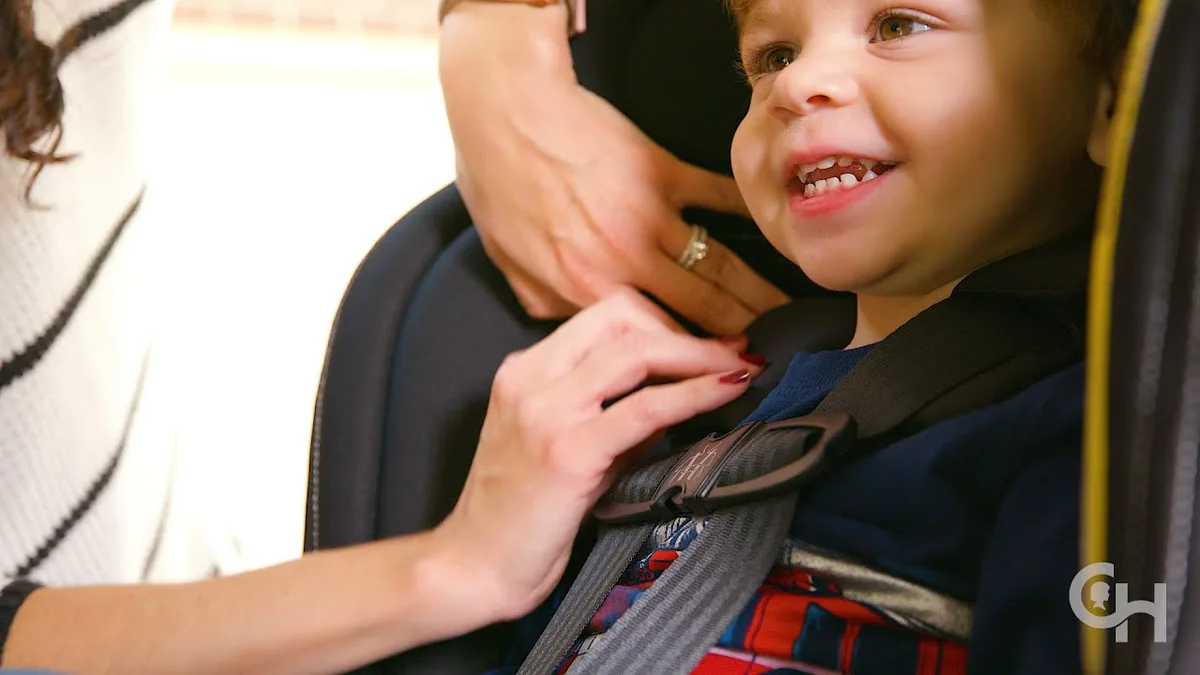
The LATCH system makes installation easier, but seat belts work just as well if used right. The seat shouldn’t move more than 1 inch side-to-side at the belt path.
The 3 Biggest Mistakes
- Loose straps: The harness should be snug enough that you can’t pinch excess strap at the shoulder.
- Wrong angle: Rear-facing seats must recline at a 30, 45 degree angle to support the head.
- Ignoring the manual: Every seat and vehicle combo has quirks. Follow both.

YouTube / Ad Council (YouTube thumbnail (fair-use with source credit))
Get a free check at a local fire station or police department. Many have certified Child Passenger Safety Technicians on staff.
When to Switch: Rear-Facing → Forward-Facing → Booster → Seat Belt
Move to the next stage only when your child hits the maximum height or weight for their current seat. Not before.
Rear-facing seats often go up to 40, 50 lbs. Forward-facing seats with harnesses typically max out at 65, 90 lbs. Boosters are for kids under 8 or under 57 inches.
Signs It’s Time to Switch
- Rear to forward: Head is within 1 inch of the top of the seat.
- Forward to booster: Shoulders are above the top harness slots.
- Booster to seat belt: Lap belt sits low on hips, shoulder belt crosses the chest.
Booster Seat Rules in Maine: High-Back vs. Backless and When to Use Each
Maine law doesn’t pick between high-back and backless boosters. The choice depends on your vehicle and your child’s size.
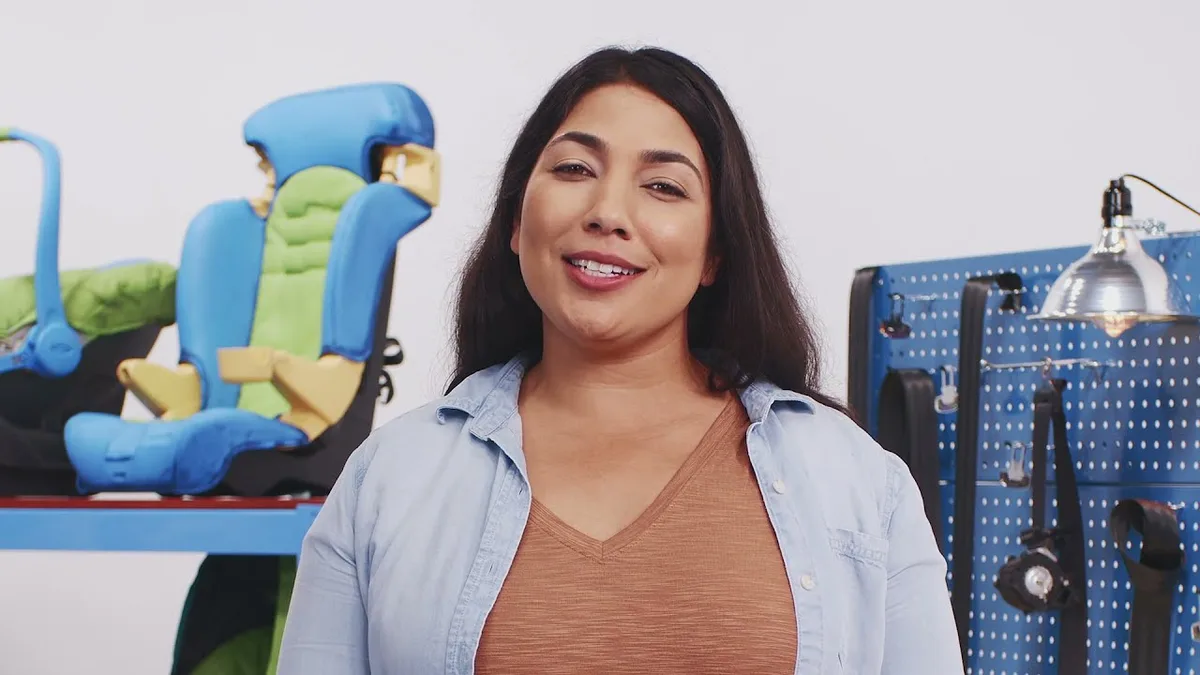
High-back boosters are best for cars without headrests or with low seat backs. They provide neck and head support, especially for sleeping kids. Backless boosters work in vehicles with adjustable headrests.
YouTube / Children's Healthcare of Atlanta Strong4Life (YouTube thumbnail (fair-use with source credit))
Key Differences
| Feature | High-Back Booster | Backless Booster |
|---|---|---|
| Head support | Yes | No |
| Vehicle fit | Any seat | Needs headrest |
| Portability | Bulkier | Lighter |
| Cost | Higher | Lower |
What Happens If You Break the Law? Fines, Risks, and Real Consequences
Maine’s fine for violating the child restraint law is up to $50. But the real cost is the risk to your child.
In a crash, an unrestrained child can be ejected from the vehicle or suffer life-threatening injuries. Even a minor fender-bender at 30 mph can generate forces equivalent to a fall from a 3-story building.
Where to Get a Free Car Seat Check in Maine (And Why You Should)
Many fire stations, police departments, and hospitals offer free car seat inspections. Certified Child Passenger Safety Technicians will verify your installation and answer questions.
A quick online search for "Maine car seat inspection near me" will pull up local options. The NHTSA’s inspection station locator is another reliable resource.
Even if you’re confident in your setup, a second pair of eyes catches mistakes. Studies show up to 60% of car seats are installed incorrectly.
Car Seat Expiration, Recalls, and Other Hidden Safety Risks
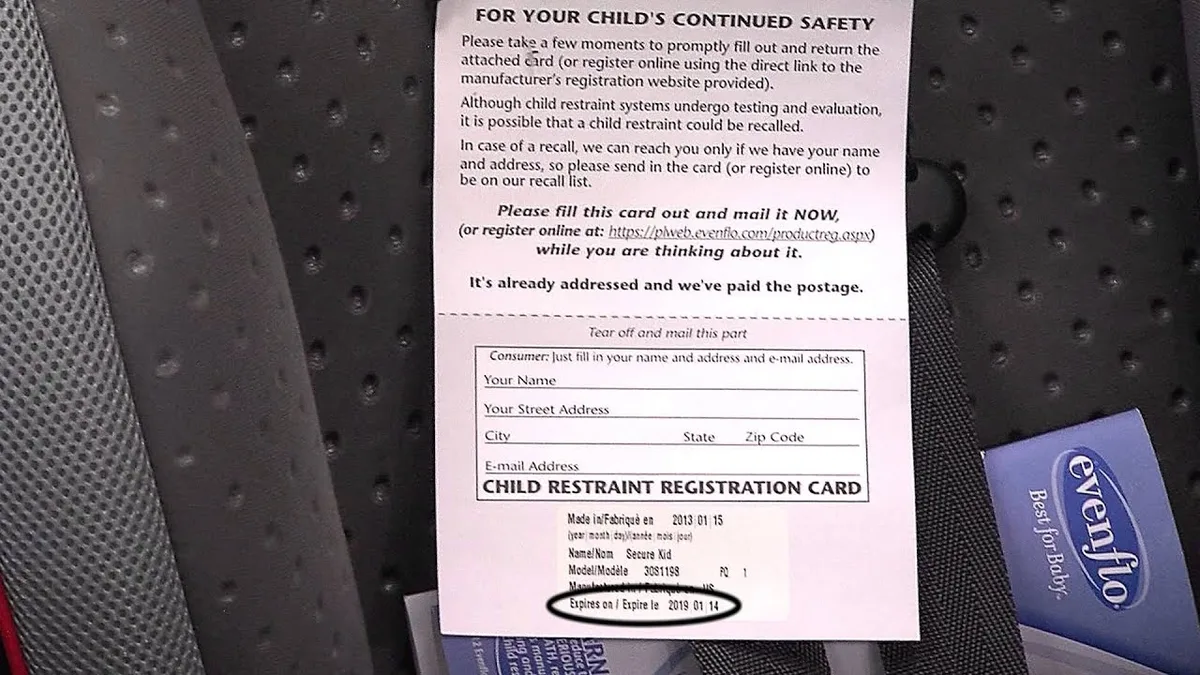
Car seats expire, usually after 6, 10 years. The plastic degrades over time, making it less effective in a crash.
How to Find the Expiration Date
Check the label on the side or back of the seat. It’s often stamped into the plastic or printed on a sticker.
YouTube / BoysTownHospital (YouTube thumbnail (fair-use with source credit))
Recalls and Other Risks
Register your car seat with the manufacturer to get recall alerts. Never use a seat that’s been in a crash, even a minor one.
Avoid secondhand seats unless you know the full history. If it’s expired, missing parts, or has visible damage, it’s not safe.
FAQs: Maine Parents’ Most Common Car Seat Questions
Can my 7-year-old use a seat belt if they’re tall for their age?
No. Maine law requires a booster until age 8 or 57 inches tall. Height and age both matter.
Is it legal to put a rear-facing seat in the front passenger seat?
Only if the vehicle has no back seat or the back seat is already occupied by other car seats. The front passenger airbag must be deactivated.
What if my child is over 8 but the seat belt doesn’t fit right?
Keep them in a booster until the belt fits properly. The lap belt should lie low on the hips, not the stomach.
Do taxis and rideshares have to follow Maine’s car seat law?
Yes. The law applies to all vehicles, including taxis and rideshares. Bring your own car seat or request one in advance.
Can I use a car seat from another country in Maine?
No. U.S. car seats must meet FMVSS 213 standards. Seats from other countries may not be legal or safe.
Final Checklist: Are You Following Maine’s Law and Best Safety Practices?
- Rear-facing: Under 2, or until they outgrow the seat’s limits.
- Forward-facing: With a 5-point harness until they hit the max height or weight.
- Booster seat: Until age 8 or 57 inches tall.
- Seat belt: Only when it fits correctly across the hips and chest.
Double-check the installation. The seat shouldn’t move more than 1 inch at the belt path. Straps should be snug, with no slack you can pinch.