ByMax Lee
BMW Wiper Settings: How to Adjust & Use Properly
Adjusting your BMW’s wiper settings can feel confusing if you don’t know where to look. The bmw washing wipers setting controls everything from speed to automatic rain detection, and it’s all managed through the wiper stalk or iDrive menu. Manufacturer specs confirm most models let you tweak sensitivity, delay, and even disable the rain sensor entirely.
As of 2026, newer BMWs integrate these controls into the iDrive system, while older models rely on the stalk behind the steering wheel. The good news is the process is straightforward once you know the steps.
Quick Answer
The bmw washing wipers setting lets you adjust speed, delay, and rain sensor sensitivity. Use the stalk for manual control or iDrive for advanced options. Rain sensor models auto-activate wipers when water is detected.
Settings vary slightly by model and year.
YouTube / BMW (YouTube thumbnail (fair-use with source credit))
Why Your BMW’s Wiper Settings Matter
Wipers aren’t just about convenience. They’re a safety feature. Poor settings can reduce visibility in heavy rain or cause unnecessary wear on the blades.
BMW’s rain sensor uses infrared light to detect water on the windshield. If it’s not calibrated correctly, you might find the wipers either overreacting to a few drops or failing to activate in a downpour. Proper settings ensure they respond just right to the conditions.
The Two Ways to Control BMW Wipers (Stalk vs. iDrive)
Most BMWs give you two ways to adjust the wipers: the stalk behind the steering wheel and the iDrive system. The stalk handles basic functions like speed and intermittent delay, while iDrive offers finer control over sensitivity and automatic features.
Older models (pre-2010) often rely solely on the stalk. Newer ones with iDrive let you dive into menus for settings like rain sensor sensitivity. If your car has both, the stalk overrides iDrive settings when in use.
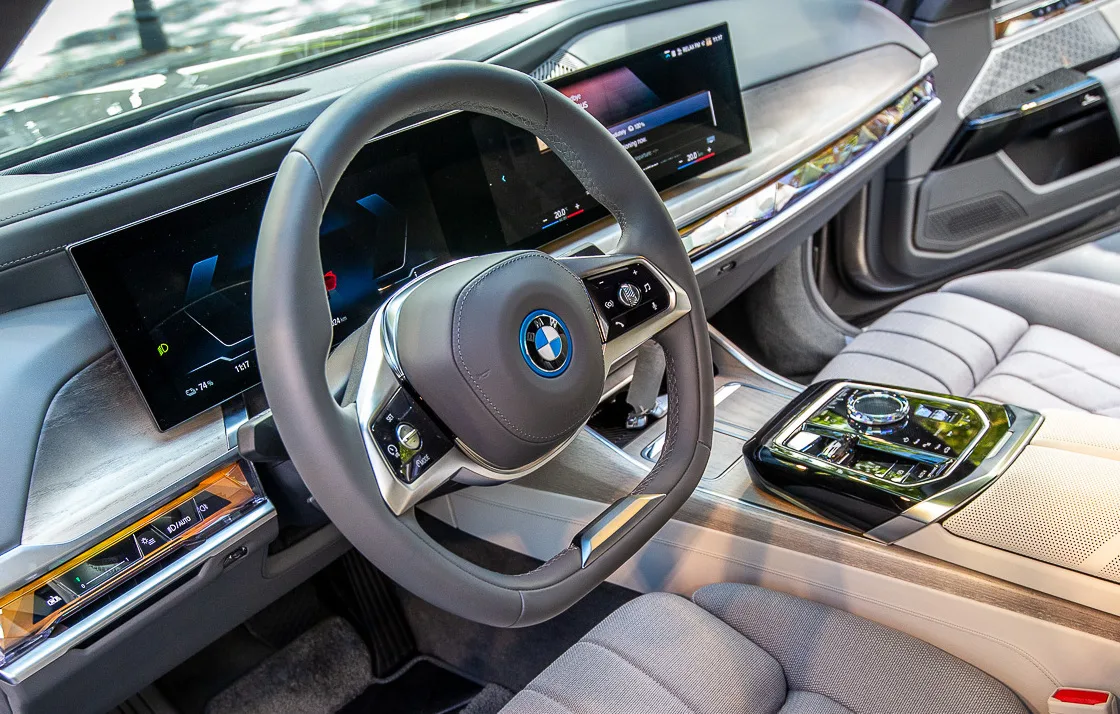
Wikimedia Commons / Augustas Didžgalvis (CC BY-SA)
To access iDrive wiper settings, navigate to Settings > Vehicle > Wiper System. Here, you can enable or disable the rain sensor, adjust its sensitivity, and set how long the wipers pause between sweeps in intermittent mode.
How the Rain Sensor Works (And When It Doesn’t)
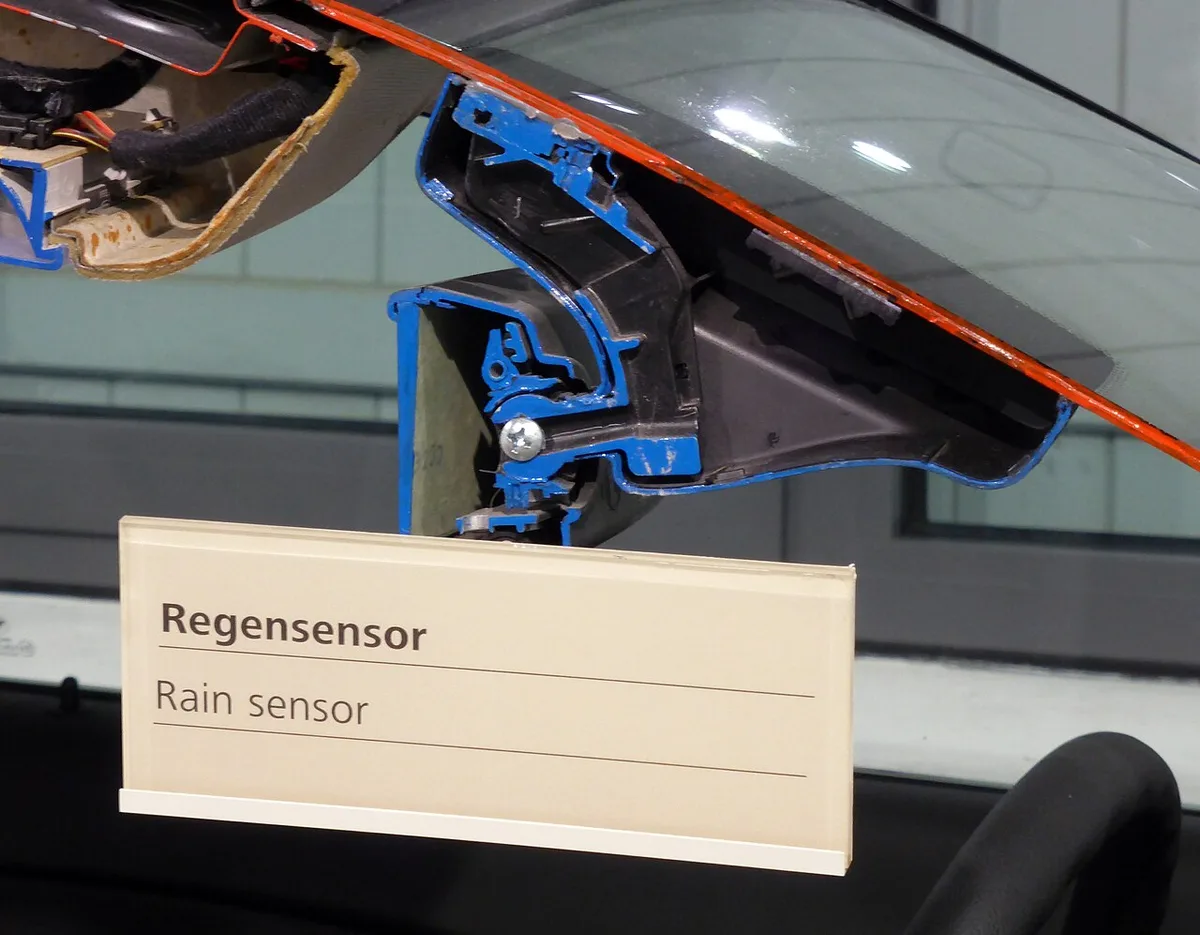
The rain sensor is a small, rectangular component mounted behind the rearview mirror. It emits infrared light and measures how much is reflected back. When water droplets disrupt the light, the system triggers the wipers.
This works well in most conditions, but there are limits. Heavy fog, dirt on the windshield, or a cracked sensor cover can throw it off. If your wipers aren’t activating automatically, check for these common issues first.
Wikimedia Commons / © 1971markus (CC BY-SA)
If the sensor is clean and the issue persists, it might need recalibration. Some models allow this through iDrive, while others require a dealer visit. BMW’s official support pages provide model-specific guidance for troubleshooting.
Step-by-Step: Adjusting Wiper Speed and Delay
Using the Wiper Stalk
The stalk is your go-to for quick adjustments. Pull it toward you for a single wipe, push it down for continuous operation, and rotate the end to adjust the delay in intermittent mode.
- Single wipe: Pull the stalk once.
- Continuous: Push the stalk down once for low speed, twice for high speed.
- Intermittent: Rotate the end of the stalk to set the delay between wipes.
Changing Settings in iDrive
For more control, use iDrive. Start by pressing the Menu button on the iDrive controller, then navigate to Settings > Vehicle > Wiper System. Here, you’ll find options like:
- Rain sensor: Toggle on/off.
- Sensitivity: Adjust how quickly the wipers respond to rain.
- Wiper delay: Set the pause time in intermittent mode.
How to Turn the Rain Sensor On or Off
The rain sensor can be toggled through iDrive. Go to Settings > Vehicle > Wiper System and select Rain Sensor. Toggle it to On or Off depending on your preference.
If your model doesn’t have iDrive, check the owner’s manual. Some older BMWs use a button near the wiper stalk or require a dealer visit to disable the sensor entirely.
Troubleshooting Common Wiper Problems
Wipers Won’t Turn On Automatically
First, ensure the rain sensor is enabled in iDrive. If it is, clean the sensor window behind the rearview mirror. Dirt or condensation can block the infrared signal.
If the sensor is clean and enabled, check the fuse. A blown fuse can disable the entire wiper system. Consult your owner’s manual for the fuse box location.
Rain Sensor Isn’t Detecting Water
The sensor may need recalibration. Some models allow this through iDrive under Wiper System > Calibrate Sensor. If not, a dealer can perform the calibration.
Extreme temperatures can also affect performance. In freezing conditions, ice on the windshield may prevent detection. Use the manual wiper control until the ice melts.
Washer Fluid Isn’t Spraying
Check the washer fluid reservoir level first. If it’s full, the issue might be a clogged nozzle. Use a pin to clear any blockages.
If the fluid still doesn’t spray, inspect the pump. A faulty pump may need replacement. This is a common issue in older BMWs and is often covered under warranty.
Wipers Park in the Wrong Position
This usually indicates a wiper arm or motor issue. Try resetting the system by disconnecting the battery for 10 minutes. If the problem persists, the wiper motor may need servicing.
BMW Wiper Maintenance: Blades, Fluid, and Service Mode
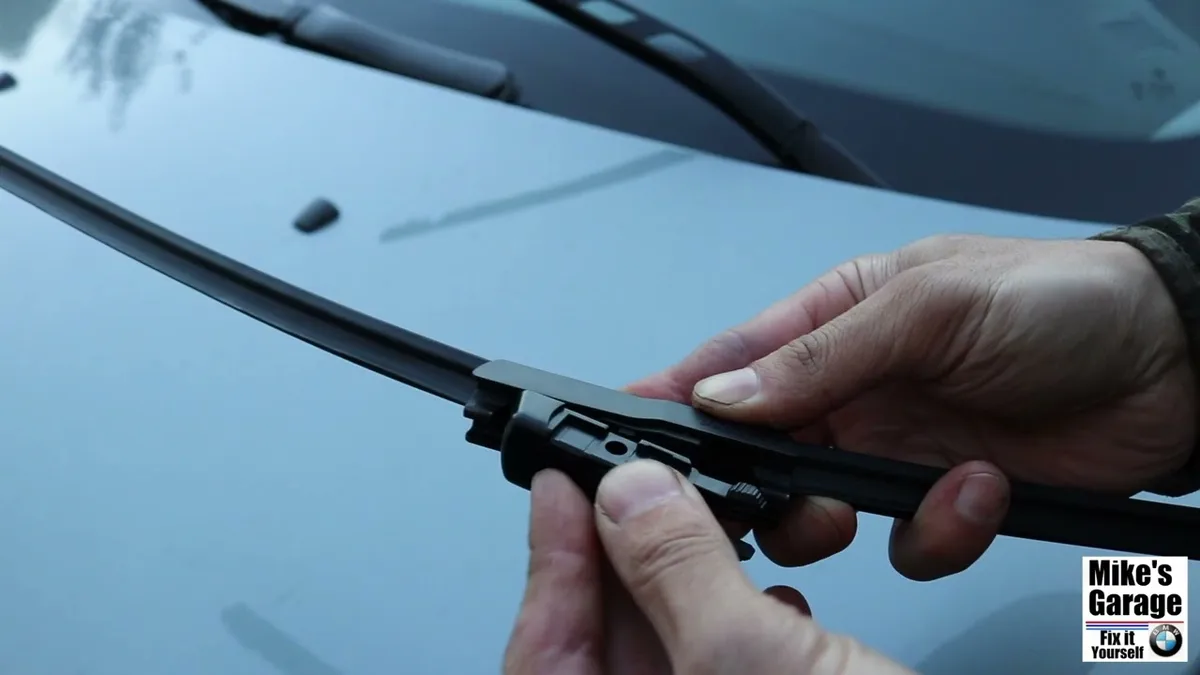
Wiper blades wear out over time. Manufacturer specs recommend replacing them every 6 to 12 months, or sooner if you notice streaking or squeaking.
YouTube / Mike's Garage (YouTube thumbnail (fair-use with source credit))
Use BMW-approved washer fluid to prevent damage to the system. Avoid using plain water, as it can cause mineral buildup in the nozzles.
For deeper maintenance, some models have a wiper service mode. This lifts the wiper arms away from the windshield for easier blade replacement. To activate it, turn the ignition to position 1, then press and hold the wiper stalk in the "up" position for 5 seconds.
Winter-Specific Wiper Tips (Heated Jets, Ice Prevention)
In cold climates, ice can freeze the wipers to the windshield. Always lift the wiper arms before parking in freezing conditions. If they’re already frozen, use an ice scraper to gently free them.
Never force the wipers, as this can damage the motor.
Some BMWs come with heated washer jets. These prevent fluid from freezing in the nozzles. If your model has this feature, ensure it’s enabled in iDrive under Settings > Vehicle > Heated Washer Jets.
For extra protection, use a windshield cover or park in a garage. This reduces ice buildup and extends the life of your wiper blades.
Mistakes to Avoid with BMW Wipers
Never run the wipers on a dry windshield. This causes unnecessary wear on the blades and can scratch the glass. Always use washer fluid to lubricate the surface first.
Avoid using aftermarket blades that don’t meet BMW’s specifications. Incorrect sizes or materials can reduce performance and even damage the wiper arms.
Don’t ignore unusual noises. Squeaking or grinding sounds often indicate worn blades or a failing motor. Addressing these early prevents costly repairs down the line.
Frequently Asked Questions
Why do my BMW wipers keep turning on by themselves?
This usually means the rain sensor is too sensitive. Lower the sensitivity in iDrive under Wiper System > Rain Sensor Settings. If the issue persists, the sensor may need cleaning or recalibration.
Can I disable the rain sensor permanently?
Yes, but only through iDrive. Navigate to Settings > Vehicle > Wiper System and toggle the rain sensor off. Some older models may require a dealer to disable it completely.
How do I know if my BMW has a rain sensor?
Check for a small rectangular component behind the rearview mirror. You can also look for the rain sensor option in iDrive under Wiper System. If it’s there, your car has the feature.
What’s the best wiper blade size for my BMW?
Blade sizes vary by model. For example, a 2020 BMW 3 Series typically uses 24-inch blades on the driver side and 18-inch on the passenger side. Always check your owner’s manual or a reliable parts lookup tool for exact sizes.
Why won’t my washer fluid spray?
First, check the reservoir level. If it’s full, the nozzles may be clogged. Use a pin to clear any blockages.
If the fluid still doesn’t spray, the pump may be faulty and need replacement.
How often should I replace my BMW wiper blades?
Manufacturer specs recommend every 6 to 12 months. Replace them sooner if you notice streaking, squeaking, or reduced visibility. Harsh weather conditions may require more frequent changes.